What Microplastic Detoxification Really Means
“Microplastic detox” sounds like a single treatment, but the evidence does not support a magic pill, tea, or protocol that can rapidly “flush” microplastics from the body. A better definition is this: lower the amount you take in every day, support normal elimination pathways, and track practical behaviors that affect your exposure. That approach aligns with current institutional guidance and the still-evolving science on human effects.
The World Health Organization review on microplastics in drinking water emphasizes uncertainty: we have enough data to take sensible preventive steps, but not enough to claim one definitive clinical detox strategy. The FDA overview on microplastics and nanoplastics in foods makes a similar point: research is active, methods are improving, and risk interpretation is still being refined.
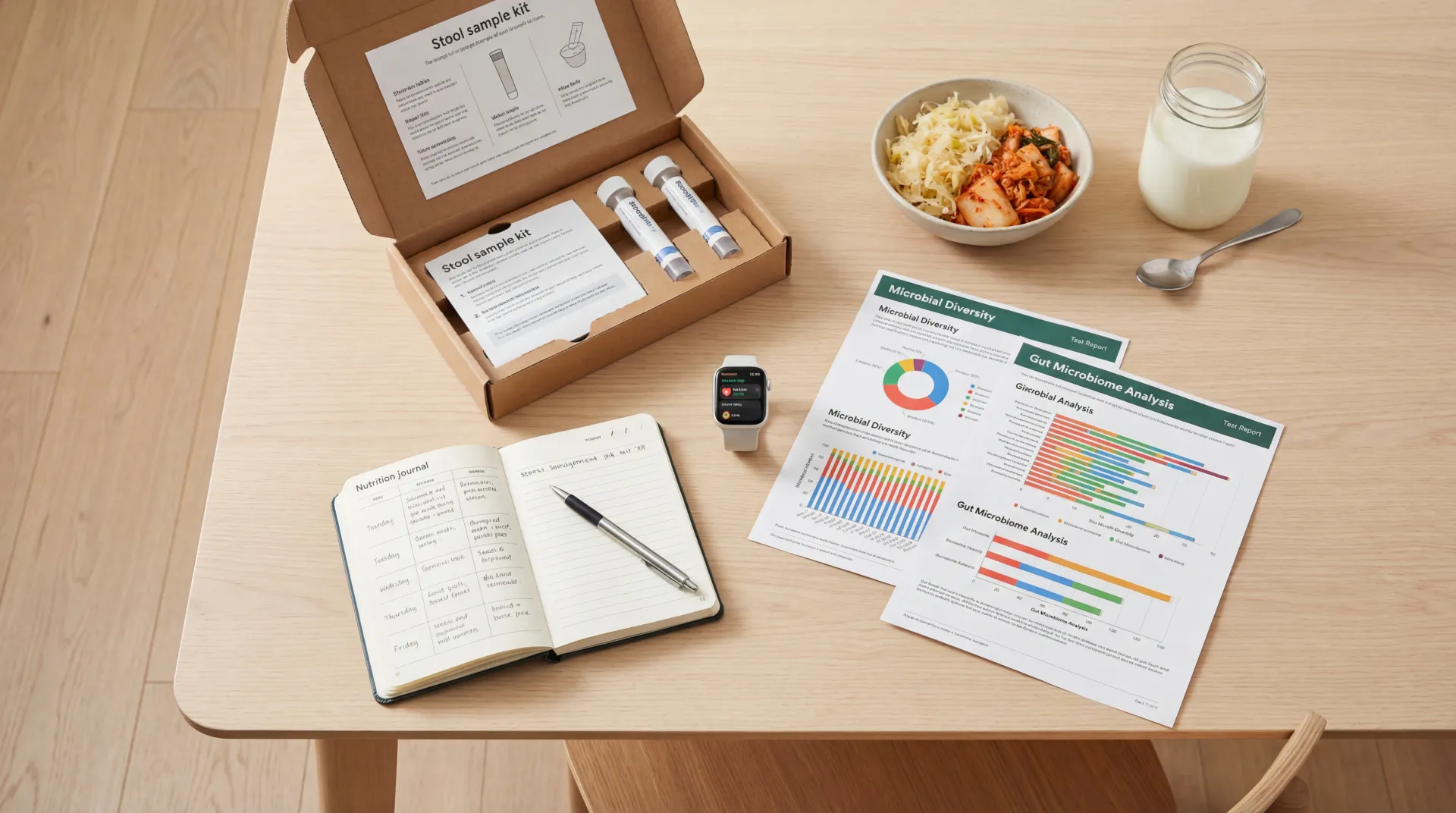
At the same time, this is not a reason to do nothing. We have credible evidence that microplastics are present in common exposure pathways. For example, investigators reported detectable particles in human stool samples in a prospective case series (PubMed: 31476765). NIH also highlighted newer lab methods showing high particle counts in bottled water (NIH Research Matters). The practical implication: reducing repeated daily exposure is rational even while long-term disease causality is still being mapped.
So the core objective is not “perfect purity.” It is exposure reduction plus routine tracking. If your plan can consistently shift daily inputs downward for months, you are likely doing more for long-term risk than short-lived “detox cleanses.” The same mindset appears in other health areas on hlbenefits: compounding everyday habits is stronger than dramatic one-week interventions, whether you are improving hydration or nutrition quality.
Quick reality check: There is no validated at-home test that can tell you your “body microplastic burden” in a clinically actionable way today. Behavior tracking is currently more useful than expensive detox products.
When people ask for a detox plan, what they usually need is a decision framework: which changes reduce exposure the most, which are low effort, and which are measurable. This guide is built around that framework so you can make progress without overreacting, overspending, or chasing low-quality claims.
Where Exposure Happens and How to Lower It
Most people encounter microplastics through a mix of food, water, packaging, and indoor air. “Detoxification” starts by controlling these entry points. The table below prioritizes interventions by likely impact and feasibility, not social media hype.
| Exposure pathway | Evidence signal | Lower-exposure action | Tracking metric |
|---|---|---|---|
| Bottled water | Particle detection in bottled samples (NIH summary) | Shift to filtered tap water in glass or stainless containers | % of daily water from reusable non-plastic containers |
| Heated plastic food containers | Heating and contact conditions can increase release (PubMed: 36538705; PubMed: 37343248) | Move hot food to ceramic or glass before microwaving or storing | Number of hot meals/day not touching plastic |
| Indoor dust | Microplastics detected in indoor dust samples (PubMed: 35427608) | HEPA vacuum routine + improved ventilation + source control | Weekly HEPA cleanings completed |
| Food packaging frequency | Ongoing concern from food-contact materials (FDA) | Buy less packaged food; prefer fresh/frozen whole foods | Packaged-item share of weekly groceries |
The biggest immediate win for many households is beverage strategy: more filtered tap water, less bottled water, and fewer disposable cups. If you want a practical hydration baseline while you implement this, this internal read can help: Top 10 Health Benefits of Drinking Water.
Kitchen workflow is second. Do not heat oily, acidic, or long-cook meals in plastic when you can avoid it. Transfer soups, stews, sauces, and leftovers into glass or ceramic before reheating. For meal prep, use glass containers for food that will be reheated and keep plastic for cold dry storage where feasible.
Indoor air and dust management is often overlooked. A large share of airborne and settled particles in homes can come from textiles, furnishings, and friction surfaces. EPA’s Guide to Air Cleaners in the Home is a useful baseline for filtration decisions. Even without buying new equipment, scheduled vacuuming with a sealed HEPA unit and damp dusting can reduce recirculation of fine debris.
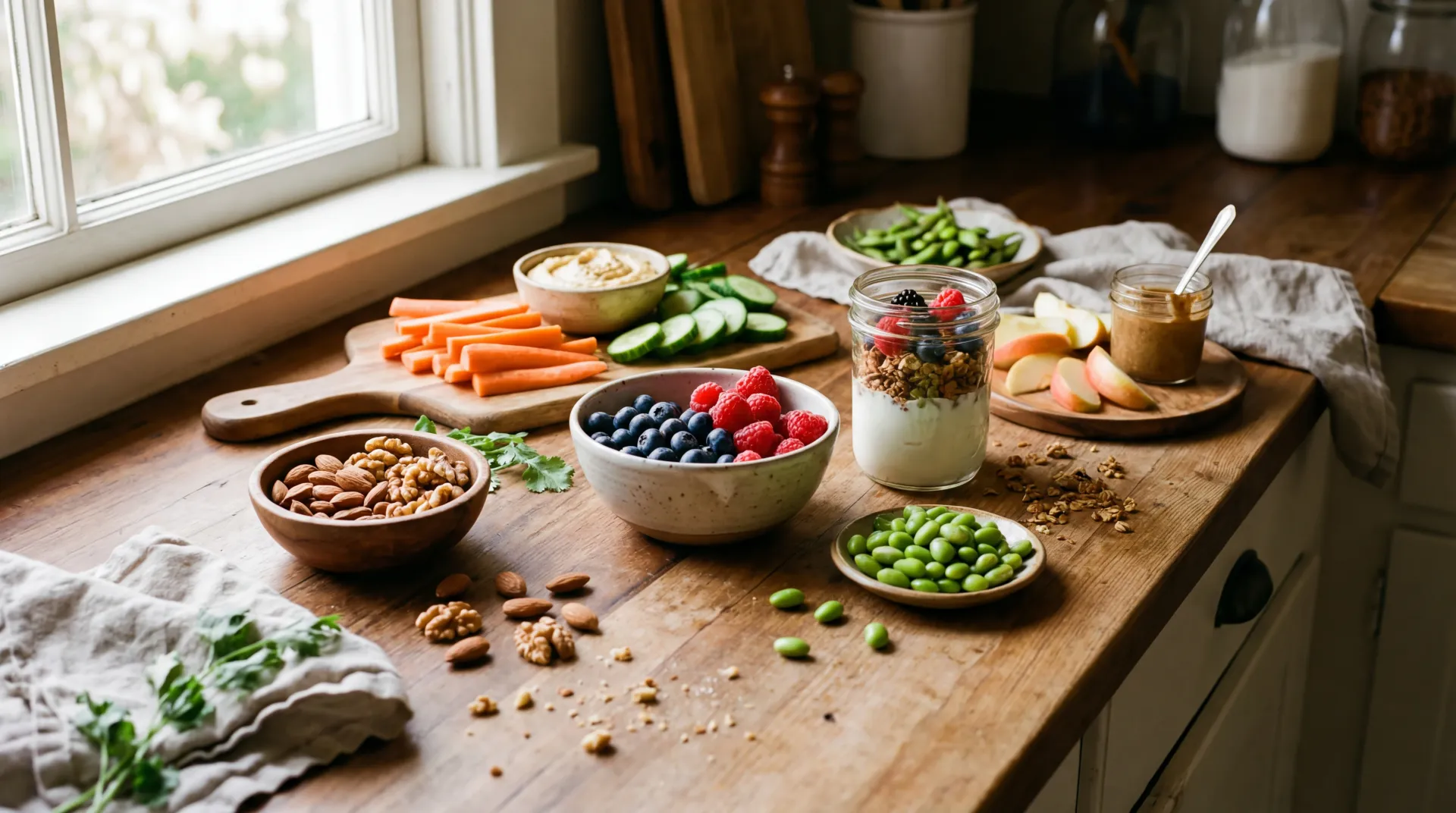
Food quality patterns matter too. Diets built around minimally processed foods naturally lower packaging contact events and often improve gut regularity, which may support elimination. If you want a simple nutrition reset while reducing packaged foods, these internal resources pair well with this guide: Main Benefits of Eating Vegetables and Nutrition for a Better, Stronger Immune System.
What We Know About Elimination and Body Clearance
People often ask, “Can my body clear microplastics?” The honest answer is partial and nuanced. Existing evidence indicates that ingested particles can pass through the gastrointestinal tract and appear in stool. The stool detection case series (PubMed: 31476765) and later dietary scenario work (PubMed: 39197786) support the idea that intake patterns influence what is measurable in excreted samples.
That does not mean all particles are harmlessly cleared, and it does not prove one supplement can enhance clearance in a clinically meaningful way. Particle size, polymer type, additive chemistry, and tissue interactions all matter. This is why strong claims such as “remove 90% in 7 days” should be treated as marketing, not medicine.
Where does gut health fit in? Not as a miracle, but as infrastructure. Regular bowel movement patterns can reduce residence time in the gut. An updated meta-analysis on fiber supplementation for chronic constipation found benefits for stool frequency in many adults (PubMed: 35816465), and NIDDK dietary guidance supports fiber- and fluid-oriented constipation management (NIDDK). These are not microplastic-specific trials, but they provide defensible support for a “support elimination physiology” strategy.
Water treatment also matters upstream. Studies of treatment systems show that modern municipal processes can remove substantial microplastic loads before distribution in many settings (PubMed: 41346341; PubMed: 35643007). Home-level filtration can add another layer depending on system quality and maintenance. In short: fewer particles in, less burden to handle.
| Question | Current evidence level | What you can do now | What to avoid |
|---|---|---|---|
| Do microplastics pass through the gut? | Moderate observational signal from stool studies | Maintain regular bowel habits with fiber, fluids, movement | Assuming complete elimination from one intervention |
| Can detox supplements clear body burden quickly? | Low quality / insufficient direct human evidence | Prioritize exposure reduction and evidence-based basics | Expensive proprietary blends with no human outcomes |
| Does reducing intake likely help? | Strongly plausible and supported by exposure logic | Reduce bottled water, hot plastic contact, indoor dust load | Waiting for perfect certainty before taking simple steps |
Your best “detox stack” is still boring by design: lower exposure events, increase stool regularity, and improve consistency. A practical routine outperforms high-intensity protocols that are hard to maintain after week one.
A Practical 8-Week Detoxification Plan
This plan is built for adherence, not perfection. Each phase adds two or three behaviors, then keeps them. You should feel your routine becoming easier, not harder, by week four.
| Weeks | Primary objective | Actions | Success threshold |
|---|---|---|---|
| 1-2 | Cut obvious intake sources | Replace bottled water with filtered tap; stop heating food in plastic; start daily tracking log | At least 70% adherence across the three behaviors |
| 3-4 | Improve elimination environment | Increase fiber-rich meals; target steady hydration; add a simple walk after meals | Five days/week with regular bowel routine support |
| 5-6 | Reduce home particle recirculation | HEPA vacuum schedule; damp dusting; improve bedroom and kitchen ventilation windows | Two complete clean cycles/week plus daily ventilation blocks |
| 7-8 | Consolidate and personalize | Review tracker trends, remove low-value tasks, keep high-yield behaviors, set monthly audit | Stable routine with no more than two missed days/week |
If you are unsure how to increase fiber without overcomplicating your meals, start with legumes, oats, vegetables, and fruit you already tolerate. A simple bowl-based pattern can work well. For recipe inspiration with practical preparation formats, see Hummus Health Benefits + Recipes and Best Probiotic Foods Review.
During the eight weeks, resist the urge to change ten things at once. Overstacking behaviors makes tracking noisy and weakens your ability to see what actually helped. If adherence drops below 60% for more than one week, remove one task and protect the core three: non-plastic reheating, filtered water routine, and daily log completion.
Also keep expectations realistic. You are targeting probabilistic risk reduction, not immediate symptom transformation. Some people feel better quickly because diet quality, hydration, or routine improved; others notice little day-to-day difference while still reducing cumulative exposure.
If you live with children or older adults, design the plan around household defaults instead of personal willpower. Keep reusable bottles visible, store glass meal containers at eye level, and pre-commit one recurring shopping list that favors lower-packaging staples. Environmental design typically improves compliance more than motivation speeches do.
Travel and workdays are common failure points, so add a fallback kit: a stainless bottle, a simple food container, and a short checklist on your phone. When routines break, restart from the next meal rather than waiting for Monday. That reset rule prevents all-or-nothing thinking and protects long-term consistency.
How to Track Progress Without Guesswork
Because there is no standardized home biomarker for “microplastic detox progress,” your tracking system should focus on controllable process indicators. Think of this as exposure analytics, not laboratory diagnosis.
| Metric | Daily target | Why it matters | How to record it |
|---|---|---|---|
| Water source quality | Most intake from filtered tap and reusable non-plastic bottle | Reduces repeated bottled-water exposure events | Percent of total drinks from reusable containers |
| Hot food plastic contact | Zero to one events/day | Heat and fat can increase release from some containers | Count each hot-contact event in your log |
| Fiber-support meals | Two or more meals/day | Supports stool regularity and gut transit patterns | Checkmark per meal meeting your fiber rule |
| Regular bowel pattern support | Consistent daily routine | Supports normal elimination process | Simple yes/no plus Bristol type if you track digestive health |
| Dust control | Planned weekly completions | Helps lower indoor particulate load over time | Weekly completion score for HEPA cleaning and damp dusting |
Use weekly review windows, not hourly anxiety checks. Your goal is trend direction. If your reusable water share rose from 30% to 85%, hot-plastic contacts dropped, and your home cleaning schedule stabilized, that is meaningful progress even without a lab report.
A monthly scorecard helps: average your daily percentages and event counts, then compare month over month. Keep only metrics that drive behavior. If a number does not change decisions, remove it from your dashboard.
One practical method is a simple “green-yellow-red” weekly audit. Green means your key metrics met target at least five days; yellow means partial adherence; red means routines broke down and need simplification. This format is easier to maintain than complex spreadsheets and still gives enough signal to improve decisions over time.
Tracking should reduce uncertainty, not create obsession. Aim for data that keeps you consistent. You are building a durable routine that can run for years with low friction.
Myth vs Fact: Common Detox Claims
| Claim | Reality check | Better alternative |
|---|---|---|
| “One supplement clears microplastics fast.” | No high-quality human evidence supports rapid full-body clearance from a single product. | Use exposure-reduction habits plus elimination-support basics for months, not days. |
| “Only bottled water is risky, tap is always safe.” | Both can contain particles depending on source and treatment; context matters. | Prefer reliable local water data and quality filtration where appropriate. |
| “If I eat clean, I do not need air or dust control.” | Indoor dust is an independent exposure pathway in many environments. | Add routine HEPA cleaning and ventilation habits. |
| “No symptoms means no exposure concern.” | Exposure can occur without immediate symptoms; risk management is preventive. | Track controllable behaviors and reduce cumulative intake over time. |
In practice, the strongest approach is simple: reduce daily contact points, improve home and kitchen systems, support regular elimination, and keep a lightweight tracker. You will not eliminate uncertainty, but you will lower avoidable exposure and improve decision quality.
Frequently Asked Questions
Can I test my microplastic levels at home?
Not in a clinically validated, consumer-ready way that can guide treatment decisions. Most people get more value from tracking exposure behaviors and reducing known intake pathways.
Do detox teas or binders work for microplastics?
There is currently insufficient high-quality human evidence to support broad claims that one supplement can meaningfully clear body microplastic burden. Be cautious with expensive protocols that lack outcome data.
What is the first high-impact change I should make?
For many households, replacing bottled water and avoiding heating food in plastic gives a strong early return with low complexity. Add a simple daily checklist so the behavior sticks.
How long should I follow a microplastic reduction plan?
Think in seasons, not days. An 8-week implementation phase is useful, but long-term maintenance is where cumulative exposure reduction happens.
Should I worry if I cannot do everything perfectly?
No. Consistency beats perfection. If you can keep three to five core habits running most days, your long-term trajectory is likely much better than repeated short detox cycles.
Related Articles
- Top 10 Health Benefits of Drinking Water - Practical hydration fundamentals that pair well with microplastic exposure reduction goals.
- Main Benefits of Eating Vegetables - A straightforward way to increase whole-food intake and reduce dependence on packaged meals.
- Nutrition for a Better, Stronger Immune System - Daily nutrition patterns that support resilience while you simplify food choices.
- Best Probiotic Foods Review - Food-first options that can complement gut-focused routine building.
- Hummus: Health Benefits and Recipes - Easy high-fiber meal ideas for a lower-packaging, repeatable prep system.
Medical Disclaimer
This article is for informational and educational purposes only and is not medical advice, diagnosis, or treatment. Always consult a licensed physician or qualified healthcare professional regarding any medical concerns. Never ignore professional medical advice or delay seeking care because of something you read on this site. If you think you have a medical emergency, call 911 immediately.