What Does Medical Marijuana Mean in Clinical Care?
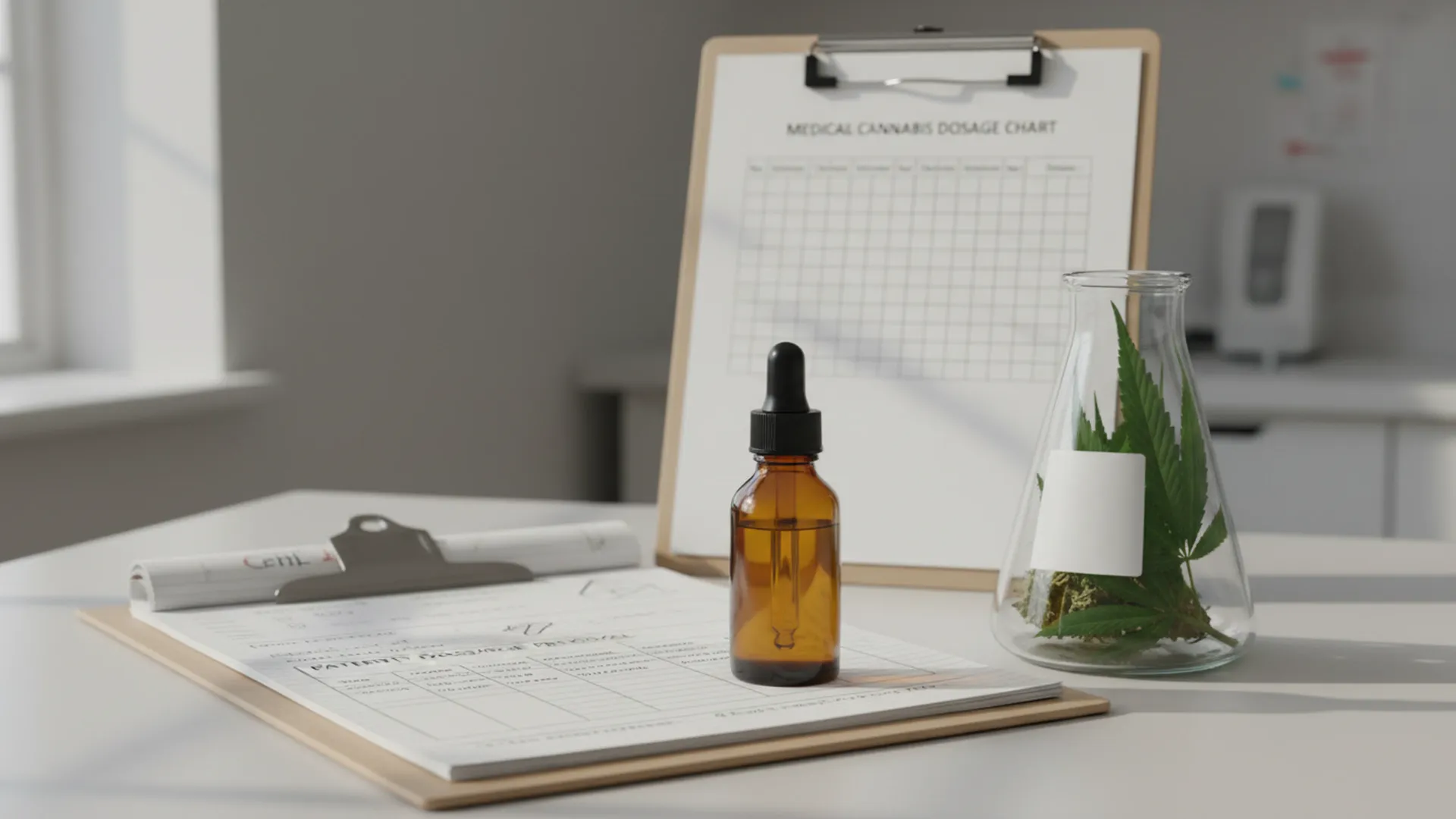
The phrase “medical marijuana” sounds straightforward, but in practice it can describe very different products, doses, and treatment goals. Some patients mean licensed cannabinoid medicines with standardized dosing. Others mean dispensary products used to reduce pain, improve sleep, or manage treatment side effects. That gap matters because the evidence base depends heavily on formulation, dose, and the condition being treated.
A useful starting point is to separate major cannabinoid categories. THC-dominant products are more likely to alter perception and reaction time. CBD-dominant products are less intoxicating but still biologically active and still capable of side effects and drug interactions. If you want a clear baseline on this distinction before making decisions, the internal guide on CBD vs. THC is a good first read.
Medical conversations also benefit from moving away from “is cannabis good or bad?” and toward “for which condition, at what dose, for how long, and with what monitoring?” That is exactly how major evidence reviews frame the subject. The National Academies review of cannabis and cannabinoids and the NCCIH evidence summary both emphasize this condition-specific approach.
Another practical point: “natural” does not mean simple. Medical cannabis products vary in THC/CBD ratio, terpene profile, extraction method, and contaminant risk. Two oils labeled with the same milligram number can behave differently in real life. Patients often assume this is personal inconsistency, but product variation is often the bigger driver.
Quick reality check: medical marijuana is not one medicine. It is a category. Clinical value depends on matching the right product to the right problem while tracking side effects early.
When people skip that matching step, outcomes become noisy. One person reports life-changing pain relief. Another reports sedation, anxiety, or no clear benefit at all. Both experiences can be true. The question is whether the plan was precise enough to test benefit against risk, rather than relying on trial and error without structure.
Where Evidence Is Strong, Mixed, or Weak
Evidence for medical cannabis is not evenly distributed across all conditions. For some use cases, the signal is fairly consistent. For others, findings are mixed or small enough that expectations should stay modest. That is why broad claims like “cannabis cures everything” or “cannabis never helps” both miss the data.
For chronic pain, pooled evidence suggests cannabinoids can provide modest improvement for some adults, especially when standard options have not been sufficient. At the same time, effect sizes are often smaller than social media claims suggest, and adverse effects can limit persistence. This balance shows up in both the older JAMA systematic review on medical cannabinoids and later reviews focused on chronic pain, including a 2021 BMJ-linked systematic review and meta-analysis.
For nausea and vomiting related to chemotherapy, cannabinoids may help selected patients, usually as an adjunct instead of a full replacement for guideline-directed antiemetics. For multiple sclerosis-related spasticity, evidence suggests symptom relief in some patients, but response varies and sedation can be limiting. For anxiety, sleep, and mood outcomes, evidence is still uneven and heavily dependent on product type and dosing strategy.
Safety findings are consistent enough to be actionable: dizziness, cognitive slowing, dry mouth, sedation, and gastrointestinal effects are common reasons patients stop treatment. Psychiatric vulnerability, high-THC exposure, and polypharmacy all increase downside risk. The CDC overview of cannabis health effects and the FDA regulatory and safety guidance both reinforce this risk profile.
| Clinical Area | Evidence Pattern | What to Expect in Practice |
|---|---|---|
| Chronic pain | Moderate evidence for modest symptom relief in some adults | Possible benefit, but often partial and dose-limited by side effects |
| Chemotherapy-related nausea | Supportive evidence as adjunct therapy | Can help selected patients when standard regimens are not enough |
| MS spasticity | Mixed to moderate depending on preparation and endpoint | Some patients improve; others stop because of cognitive or fatigue effects |
| Anxiety or sleep complaints | Heterogeneous evidence with major product and dosing variability | Response is less predictable and needs tighter self-monitoring |
When you compare claims against data, the pattern is more useful than the headline. Medical cannabis is often a symptom-management tool, not a single-diagnosis cure. That framing helps patients and clinicians make realistic decisions and prevents a common mistake: stopping effective baseline treatment too early because cannabis worked for someone else online.
How Cannabinoids Work and Why Dose Matters
Cannabinoids primarily act through the endocannabinoid system, which helps regulate pain signaling, appetite, stress response, and sleep architecture. THC and CBD influence this system differently. THC has stronger psychoactive effects through CB1 receptor activity. CBD has broader, less intoxication-driven mechanisms and can influence how other drugs are metabolized.
That metabolism issue is one reason dose strategy matters more than many people expect. A product can seem “fine” at one dose and become intolerable after modest escalation, especially if taken with sedating medications or alcohol. This is not unusual; it is a pharmacology problem, not a character flaw.
Drug interaction risk is particularly important for patients on complex regimens. The DailyMed prescribing information for prescription cannabidiol outlines interaction and liver-monitoring concerns that are relevant even when people use non-prescription products. Real-world dispensary products are not always equivalent to products used in clinical trials, which adds another layer of uncertainty.
This is also why route of administration changes risk. Inhaled products act faster but can make dose titration noisy and can carry respiratory concerns. Oral oils and capsules act slower but are easier to standardize. If you are comparing formats, the internal primer on CBD oil uses, benefits, risks, and side effects gives practical context on product behavior over time.
| Factor | Why It Changes Outcomes | Practical Adjustment |
|---|---|---|
| THC/CBD ratio | Affects intoxication, anxiety risk, and pain perception | Start with lower THC exposure in risk-sensitive users |
| Route (inhaled vs oral) | Changes onset speed and duration | Use oral formats when consistent daily titration is the goal |
| Co-medications | Can amplify sedation or alter drug levels | Run a pharmacist medication-interaction check before escalation |
| Meal timing | Can shift oral absorption and next-day effects | Keep dosing conditions consistent while evaluating response |
The short version is simple: cannabinoids are dose-sensitive and context-sensitive. If you do not track context, you cannot reliably interpret the response.
Benefit-Risk by Condition: A Clinical Matrix
Patients usually ask one practical question: “Could this help my specific condition?” That is the right question. What matters is the net effect on function, sleep, pain interference, treatment tolerance, and quality of life, not just whether a symptom score moves a little.
For persistent pain, medical cannabis can be worth considering when first-line strategies are insufficient, especially if the goal is reducing symptom burden rather than chasing complete pain elimination. The problem appears when dose escalation outruns functional gain. If daytime sedation rises while mobility and sleep do not improve, that is a poor trade.
For cancer-related symptom support, cannabinoids can help appetite or nausea in selected contexts, but this should sit inside oncology-guided care. It is not a substitute for anticancer treatment, and it should not displace proven antiemetic plans without specialist input. Some of the strongest misuse patterns happen when symptom relief is confused with disease control.
For sleep complaints, response varies. Some users improve sleep onset but report grogginess the next day, especially with higher-THC products. For anxiety, lower-dose CBD-dominant strategies may feel steadier for some people than THC-heavy products, which can worsen anxiety in susceptible users.
If your focus is broader symptom context, these internal references can help frame expectations: health benefits of medical marijuana and known CBD side effects. They are useful when combined with clinician-level medication and diagnosis review.
| Condition Goal | Potential Upside | Common Limiter | What Good Monitoring Looks Like |
|---|---|---|---|
| Chronic pain interference | Modest pain reduction and improved sleep continuity | Sedation or cognitive slowing at higher doses | Track pain interference, not just pain intensity |
| Chemotherapy-related nausea | Adjunct symptom control when standard plan is incomplete | Dizziness, appetite shifts, variable tolerance | Coordinate with oncology team and antiemetic regimen |
| Spasticity and neuromuscular discomfort | Symptom relief in selected patients | Fatigue and concentration effects | Measure function, mobility, and daytime alertness |
| Sleep onset issues | Faster sleep initiation for some users | Morning grogginess or tolerance drift | Use sleep diary with next-day function scores |
A matrix like this is not about making treatment feel complicated. It is about preventing false positives. Without structured tracking, temporary sedation can feel like symptom relief because people feel less reactive in the short term. Two weeks later, they often discover energy and concentration have declined.
That is why the best medical-marijuana plans feel almost boring: one product at a time, explicit goals, limited dose changes, and clear stop rules. Boring plans are usually the safest plans.
Myth vs Fact: Claims That Confuse Patients
The cannabis discussion online is flooded with absolute statements. Most are built for attention, not patient outcomes. The faster way to cut through that noise is to test each claim against evidence quality, dosing realism, and your own function data.
| Myth | Fact | Better Clinical Question |
|---|---|---|
| “If it is medical, it must be safe at any dose.” | Safety is dose- and context-dependent, with predictable adverse effects. | What is my lowest effective dose and my stop threshold? |
| “THC and CBD are basically interchangeable.” | They have distinct effects, risk profiles, and interaction patterns. | Which cannabinoid profile fits my diagnosis and daily demands? |
| “If symptoms improve, the underlying disease is being treated.” | Symptom relief and disease modification are different outcomes. | Am I improving function while staying aligned with core treatment? |
| “Dispensary labels are always accurate.” | Label accuracy and contaminant control vary by jurisdiction and brand. | Do I have lot-level testing and a trustworthy source? |
One area that still gets minimized is inhalation risk. Even when people use cannabis medically, smoke exposure has respiratory consequences. If that is part of your routine, review the internal article on smoking marijuana health effects and risks so route-of-use decisions are based on physiology, not convenience.
Another common error is stacking products too quickly: edible at night, vape during the day, tincture “as needed,” then trying to infer which one helped. You cannot optimize what you cannot isolate. Keep one variable stable long enough to read the pattern.
Dosing, Product Types, and Safety Monitoring
If you and your clinician decide medical cannabis is reasonable to try, the goal is not just to start. The goal is to evaluate it correctly. That requires a simple monitoring framework with predefined checkpoints and clear reasons to continue, reduce, or stop.
Start with one product and a narrow objective. “Improve nighttime pain interference by 20% while preserving daytime alertness” is a useful objective. “Feel better overall” is too vague to evaluate. Then use a fixed dosing window and hold for several days before adjusting. Rapid dose changes are one of the most common reasons patients abandon potentially useful therapy.
Track function alongside symptoms. A pain score drop means less if concentration, reaction time, or mood worsens. For many patients, treatment success is less about symptom elimination and more about better daily capacity with acceptable side effects.
| Week | What to Track | Decision Rule |
|---|---|---|
| Week 1 | Dose amount, timing, sedation score, dizziness, GI effects | No escalation unless tolerability is stable for at least 3 days |
| Week 2 | Pain interference, sleep onset latency, next-day alertness | Increase only if benefit is absent and side effects remain mild |
| Week 3 | Function markers: work tasks, activity tolerance, mood steadiness | Hold dose if functional benefit appears; avoid unnecessary escalation |
| Week 4 | Trend review across all metrics | Continue, taper, or stop based on net benefit and safety |
Product quality review is equally important. Ask for lot-specific testing when possible. Confirm cannabinoid concentrations and contaminant panels. Be careful with products that hide dose details behind marketing language. Inconsistency at the product level can look like biological inconsistency at the patient level.
Stop and seek clinical review if you see persistent anxiety increase, significant daytime sedation, confusion, falls, rapid heart rate episodes, or any pattern that worsens baseline psychiatric or cardiovascular symptoms. Medical cannabis should make life more manageable, not harder to function through.
Legal and Access Reality in the United States
Legal status is still fragmented. Many states allow medical cannabis programs, but federal law and federal regulatory frameworks remain complex and partly misaligned with state-level access. That mismatch creates practical issues around travel, employment policies, product standards, and insurance coverage.
State programs differ in qualifying conditions, possession limits, caregiver rules, and product categories. Before assuming your plan is portable across state lines, confirm current state policy through reliable trackers such as the National Conference of State Legislatures medical cannabis map.
It also helps to separate approved cannabinoid medications from broader dispensary products. The FDA has specific pathways for drug approval and ongoing warnings about unapproved claims and variable product quality in the commercial market. The agency’s cannabis regulatory guidance page is the best reference for this distinction.
In short, legal access is expanding, but clinical quality is still uneven. The safest approach is to treat medical cannabis like any other active therapy: verify legality, verify product quality, set measurable goals, and keep your core care team involved.
Frequently Asked Questions
Is medical marijuana proven for every chronic condition?
No. Evidence is condition-specific. There is better support for some symptom areas, such as chronic pain interference and certain chemotherapy-related nausea contexts, than for broad disease claims. The right question is whether expected benefit for your condition outweighs your personal risk profile.
Can I replace my current medications with cannabis right away?
That is usually not a safe first step. Most patients do better with a staged approach that keeps baseline therapy stable while cannabis response is evaluated. Rapid substitution can make it hard to tell whether changes come from cannabis, disease fluctuation, or withdrawal from previous treatment.
What side effects should I monitor from day one?
Watch for sedation, dizziness, slowed thinking, anxiety changes, appetite shifts, and gastrointestinal symptoms. If any of these interfere with work, driving, balance, or mood stability, pause dose escalation and review your plan with a clinician or pharmacist.
Is CBD-only always safer than THC-containing products?
CBD-dominant products are usually less intoxicating, but they are not side-effect free and can still interact with other medications. “Safer” depends on context: diagnosis, dose, route, medication list, and what you need to function well each day.
How long should I trial a product before deciding it does or does not help?
A structured four-week trial is often enough to detect direction of effect if dosing and tracking are consistent. If there is no functional benefit by then, or if side effects remain clinically meaningful, the plan should be revised rather than prolonged indefinitely.
Related Articles
- CBD vs. THC: Main Differences: Understand how cannabinoid profiles change psychoactive effects, side effects, and everyday use decisions.
- CBD Oil vs Cannabis Oil vs THC Oil vs Marijuana Oil: A practical breakdown of common product labels that often confuse buyers and patients.
- Known Side Effects of Cannabidiol (CBD): Ultimate Guide: A deeper look at adverse effects, interaction risks, and product-quality red flags.
- Smoking Marijuana: Health Effects and Dangers of Weed: Route-specific safety context for people considering inhaled cannabis products.
Medical Disclaimer
This article is for informational and educational purposes only and is not medical advice, diagnosis, or treatment. Always consult a licensed physician or qualified healthcare professional regarding any medical concerns. Never ignore professional medical advice or delay seeking care because of something you read on this site. If you think you have a medical emergency, call 911 immediately.