What Epitalon Is and Why Longevity Clinics Talk About It
Epitalon has the kind of backstory that makes longevity marketing easy: a tiny peptide, Russian gerontology labs, telomeres, pineal biology, and animal studies that sound dramatic when stripped of context. The evidence is more interesting than the sales pitch, but it is also much narrower.
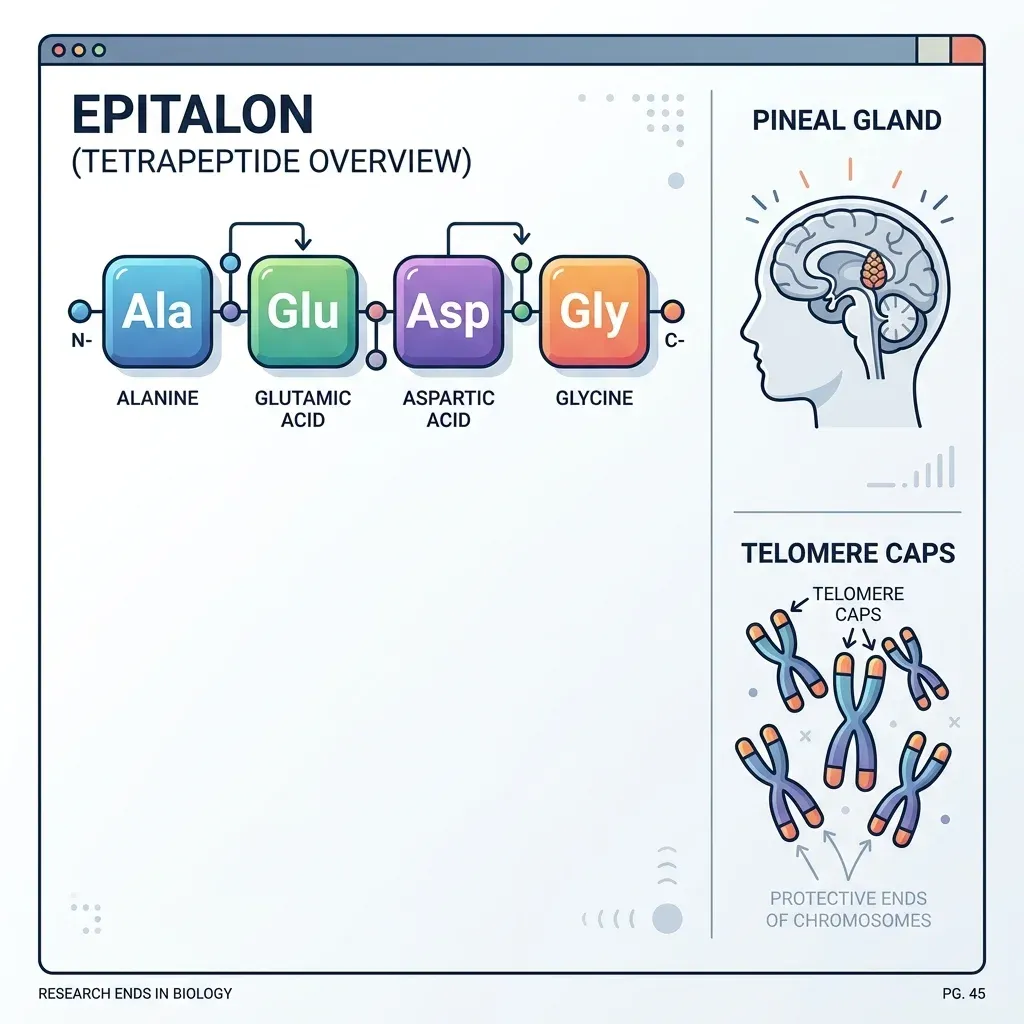
At the basic chemistry level, epitalon, also sold as epithalon or epithalone, is a tetrapeptide made from alanine, glutamic acid, aspartic acid, and glycine, and it is described as the active fragment associated with epithalamin, a bovine pineal-gland extract studied in Russian gerontology research by Innerbody's evidence review and the Alzheimer's Drug Discovery Foundation. In plain English, it is a very short protein-like signal, closer to a brief biological text message than a full instruction manual.
The modern fascination comes from three ideas: epitalon may influence telomerase, it may affect pineal-melatonin signaling, and the parent extract epithalamin has been tested in older adults. Those are real research themes. The leap from those themes to "take this peptide to live decades longer" is where the evidence starts to wobble.
The practical question is not whether epitalon is biologically interesting. It is. The question is whether the human evidence is strong enough to justify the online certainty around it. Right now, the answer is no.
The Alzheimer's Drug Discovery Foundation is blunt about the provenance problem: the available preclinical and clinical work it reviewed came from Dr. Vladimir Khavinson's Russian group, without independent confirmation of the results in its Cognitive Vitality report. Dr. Bliss Lewis makes the same point from a clinician's angle, writing that longevity claims rely mainly on animal studies and Khavinson's research, while independent Western replication, long-term safety, and optimal dosing remain unresolved in her clinical review.
That matters because longevity buyers are not evaluating a normal supplement claim. They are being asked to weigh injections, gray-market sourcing, and sometimes medical-sounding protocols around a compound whose most eye-catching results still sit on a thin and geographically concentrated evidence base.
Where the 40% Lifespan Claim Comes From
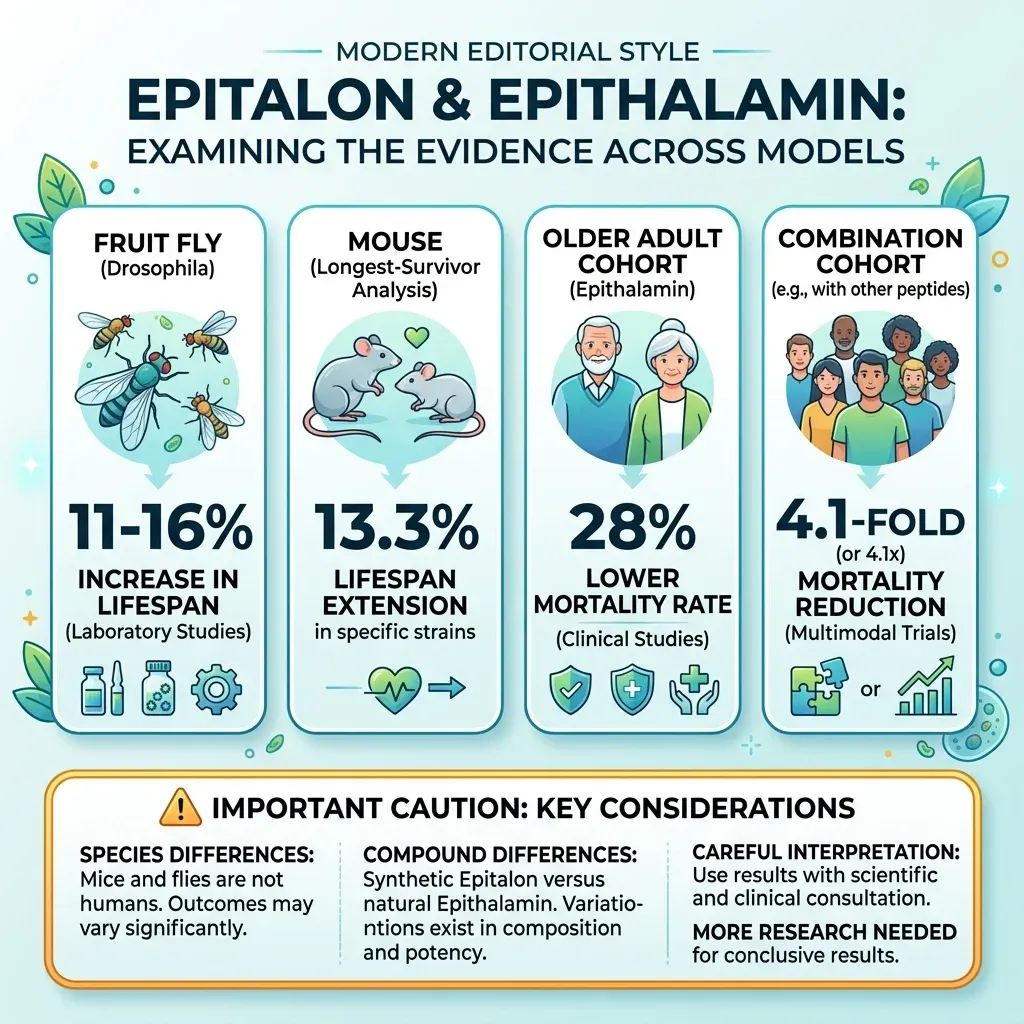
The cleanest finding in the fetched source set is not a 40% lifespan increase. In the directly fetched ScienceDirect paper, epitalon increased mean lifespan in Drosophila melanogaster by 11-16% when it was added to the culture medium during development in the 2000 Mechanisms of Ageing and Development study. That is notable, but it is not the same as showing that adult humans live 40% longer after using epitalon.
The same fruit-fly paper reported very low active concentrations, from 0.001 x 10^-6 to 5 x 10^-6 wt.% in males and from 0.01 x 10^-6 to 0.1 x 10^-6 wt.% in females in the study abstract. It also reported that effective epitalon concentrations were 16,000 to 80,000,000 times lower than melatonin concentrations used for similar geroprotective effects in that same paper. That potency comparison is probably one reason the compound travels so well online.
A separate mouse finding is often pulled into the same sales narrative. Innerbody summarizes a 2003 mouse study in which epitalon lowered chromosome aberrations and increased the lifespans of the last 10% of survivors by 13.3% in its epitalon evidence review. Again, that is not a 40% average lifespan gain. It is a tail-survivor statistic from an animal model.
So where does "40%" fit? In the source-locked research package for this article, it does not fit as a direct, supported epitalon lifespan result. The closest evidence points in different directions: 11-16% in flies, 13.3% in the longest-lived mouse survivors, and mortality-reduction cohorts involving epithalamin, not necessarily synthetic epitalon alone in fruit flies, in the mouse summary, and in ADDF's human-trial review. Treat the 40% line as a marketing compression unless a seller can show the exact study, species, endpoint, and denominator.
For a buyer, this is the first filter. If a clinic leads with the biggest number but cannot tell you whether it came from flies, mice, epithalamin cohorts, or synthetic epitalon trials, the evidence conversation is already being blurred.
Telomeres, Melatonin, and the Pineal Angle
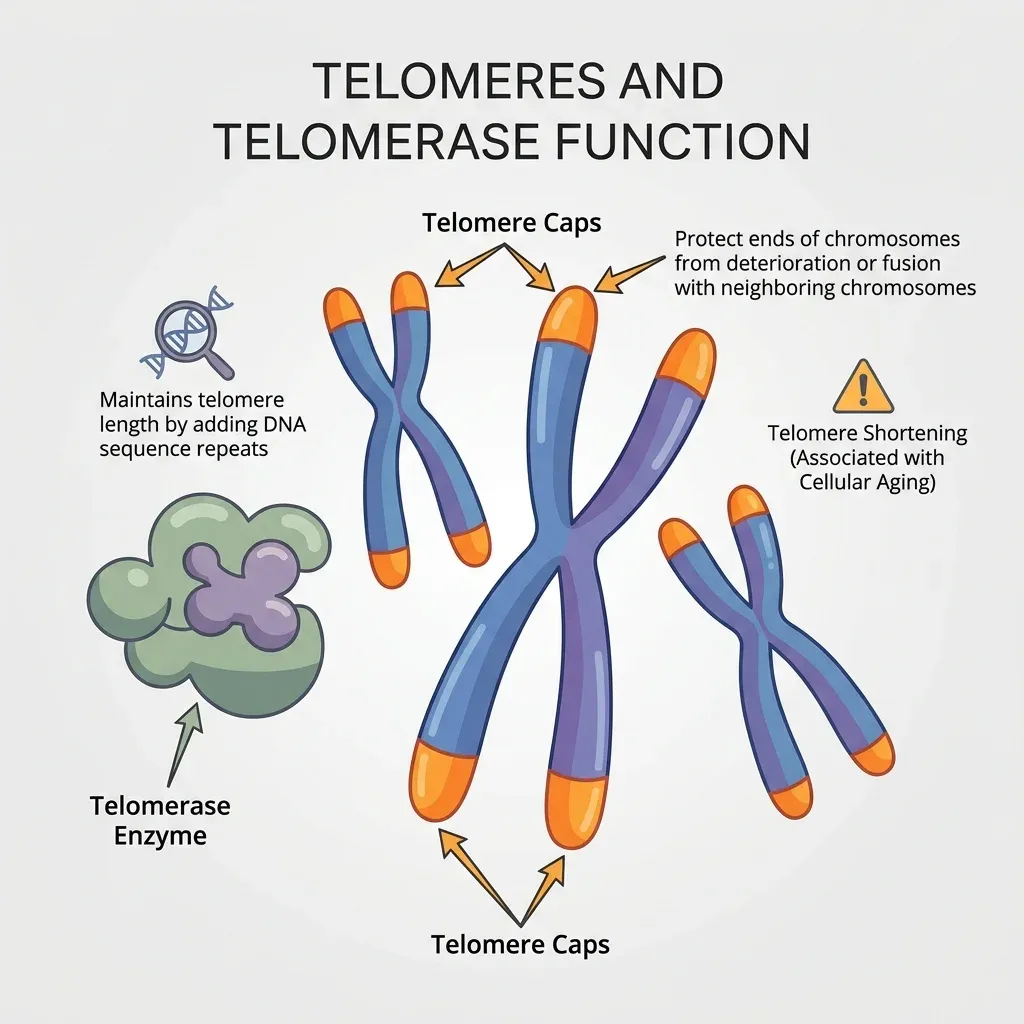
The telomere story is the most seductive part of epitalon. Telomeres sit at chromosome ends like the plastic tips on shoelaces; when they get too short, the cell has trouble dividing cleanly. Epitalon is proposed to influence telomerase, the enzyme that can add DNA back to telomeres according to Innerbody's mechanism review.
The strongest source-locked telomere number in this package comes from a human fetal fibroblast cell-culture summary: epitalon was reported to extend proliferative potential from the 34th passage in control cells to beyond the 44th passage in treated cells in Wikipedia's cited summary of the cell-culture work. The ADDF report also notes that fetal fibroblast experiments reported increased telomere length and growth beyond the Hayflick limit, but it stresses that those findings still lack independent replication outside Khavinson's group in its evidence review.
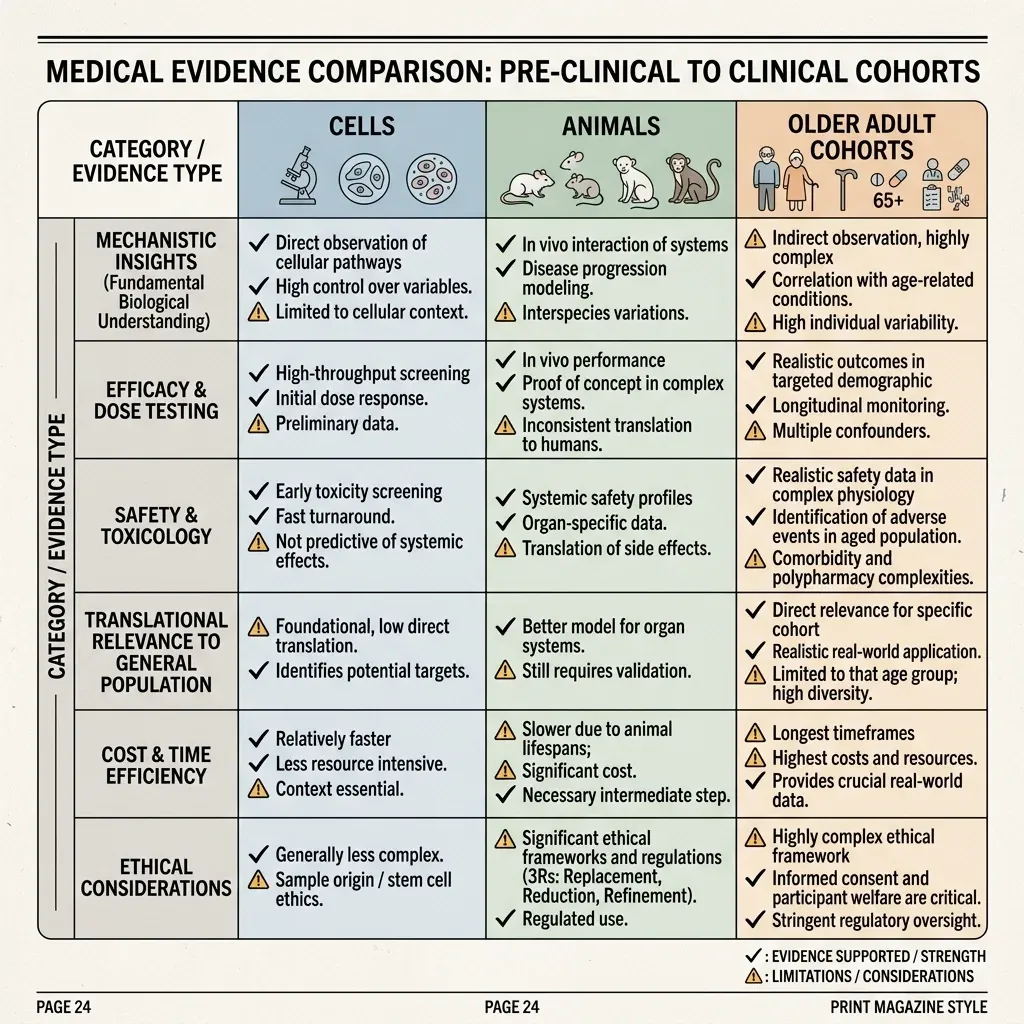
That distinction is important. Cell culture is a controlled dish, not a messy body. A mechanic can make an engine part behave beautifully on a bench; that does not prove the whole car will last longer on bad roads, with different drivers, fuel, and weather.
The pineal angle is similar. Innerbody summarizes a 2021 human trial in 75 women in which 0.5 mg/day of epitalon increased melatonin synthesis by 160% compared with placebo in its review of epitalon and sleep. ADDF, however, reports mixed preclinical melatonin evidence: epithalamin stimulated melatonin in older adults, synthetic epithalon failed to stimulate melatonin in rats, and older primate data were reported only as an abstract in the Cognitive Vitality report.
There are also newer cell and reproductive-biology signals that keep researchers interested without proving a general longevity effect. In a mouse oocyte study, adding 0.1 mM epitalon to the culture medium was reported to reduce reactive oxygen species and lower spindle defects after 12 and 24 hours of post-ovulatory aging in the Aging paper. That is useful mechanistic evidence, but it is still a lab model. It tells you epitalon can change stress markers under controlled conditions, not that an adult using an online peptide will age more slowly.
The practical reading is cautious: telomeres and melatonin are plausible mechanisms, but plausible does not mean proven anti-aging therapy. If someone is mainly chasing better sleep, the evidence gap is especially relevant because Dr. Lewis notes that sleep benefits have not been validated in controlled trials in her review.
What Human Research Actually Shows
The human evidence is mostly about epithalamin, the pineal extract, rather than synthetic epitalon as sold by many peptide vendors. That is not a small technicality. Epithalamin is a mixture; epitalon is a defined tetrapeptide. Comparing them is like comparing a whole herbal extract with one purified molecule from the plant.
Wikipedia summarizes a 266-person prospective cohort of adults over age 60 in which epithalamin was associated with 1.6-1.8-fold lower mortality, 2.5-fold lower mortality when combined with thymalin, and 4.1-fold lower mortality when the combination was administered annually in its human clinical studies section. These are striking numbers, but they are not the same as a modern, independently replicated, multi-center epitalon trial.
ADDF describes another placebo-controlled trial in 70 older adults with cardiovascular disease: participants received 5 intramuscular injections of 10 mg epithalamin or saline every 6 months for 3 years, then were followed for another 9 years in the Cognitive Vitality report. ADDF reports that the treated group had a 28% decreased mortality rate and a 2-fold lower cardiovascular-disease-specific mortality rate across the 12-year follow-up in that same review.
| Evidence bucket | What it suggests | Main limitation |
|---|---|---|
| Fruit-fly epitalon study | 11-16% mean lifespan increase | Animal model, not human treatment |
| Mouse epitalon summary | 13.3% gain in the longest-lived survivors | Tail-survivor statistic, not average lifespan |
| Older-adult epithalamin cohorts | Mortality reductions reported over 6-12 years | Mostly Russian data, not independently confirmed |
There are other human signals, including a retinitis pigmentosa trial summarized as showing a positive clinical effect in 90% of treated cases in Wikipedia's clinical summary. But a disease-specific ophthalmology signal does not automatically become a generalized longevity protocol.
It also helps to separate outcome types. Mortality, telomere length, melatonin production, chromosomal aberrations, and patient symptoms are not interchangeable. A compound can move one marker without changing the others in a clinically meaningful way. That is why the most honest read of epitalon is layered: stronger as a research signal, weaker as a consumer protocol, and weakest as a guaranteed lifespan intervention.
The takeaway is not that these studies are worthless. It is that the evidence should be read at the right scale. The human data are intriguing enough to justify research interest, but not strong enough to justify casual self-experimentation or sweeping claims that epitalon is a proven lifespan extender.
Safety, Legal Status, and Quality-Control Problems
The safety story is neither panic nor comfort. ADDF reports that two 3-year epithalamin treatment trials, one with a 12-year follow-up, found no severe adverse events in older adults in its safety section. That sounds reassuring until you read the next line: ADDF says a well-conducted Phase 1 safety study and independent validation are still needed in the same report.
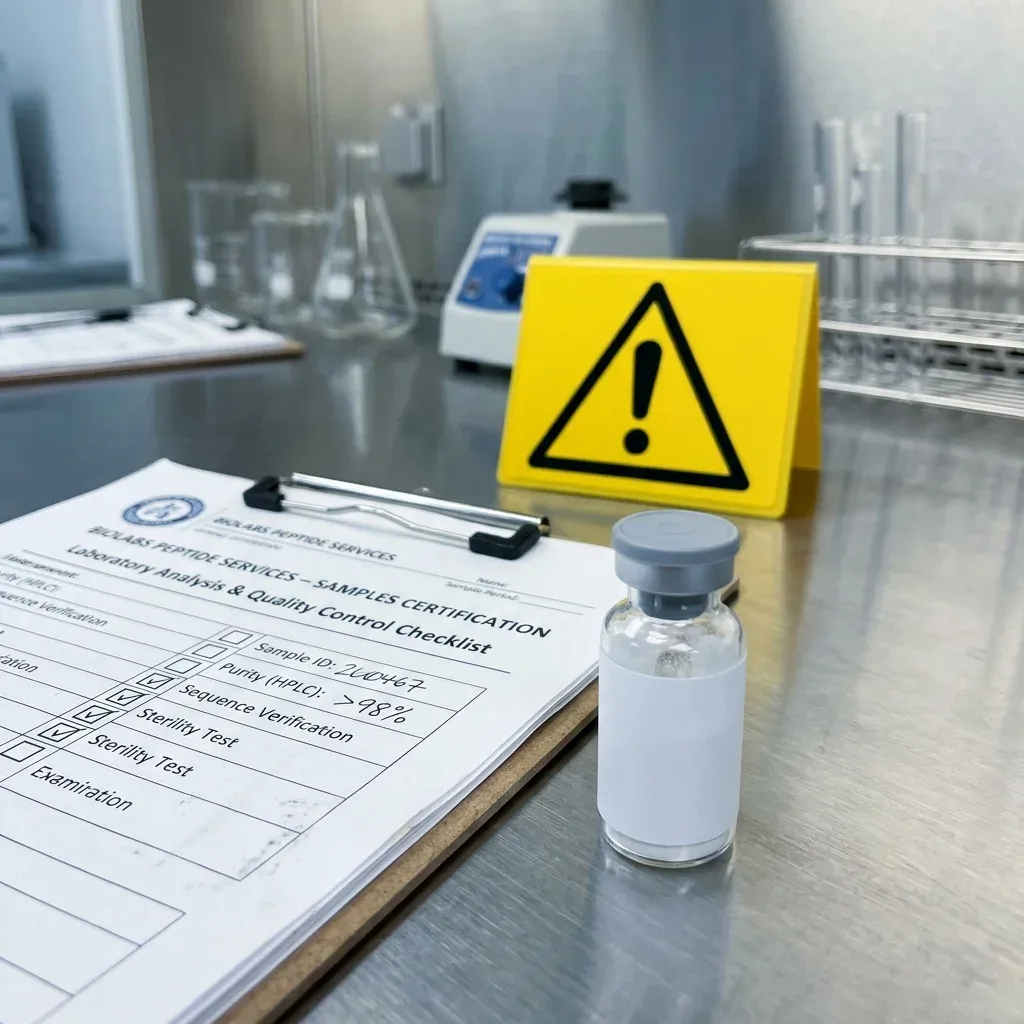
Manufacturing is the quiet risk. ADDF notes that epithalamin is a crude bovine-gland extract whose safety depends on manufacturing, and that impurities in synthetic epithalon could pose safety risks in its discussion of dosing and sources. Think of it like buying the same recipe from two kitchens: the ingredient list may look identical, but cleanliness, sourcing, and batch control decide whether the meal is safe.
Innerbody adds a U.S.-specific warning: it reports that the FDA includes epitalon among peptides with immunogenicity concerns, meaning the immune system may react to the compound as a threat, and it notes that immune responses can be life-threatening in its safety section. The same review warns that many online sellers offer research-grade epitalon, which may lack the quality controls expected of pharmaceutical-grade products in its buying-advice section.
| Risk | Why it matters |
|---|---|
| Limited independent safety data | Older trial reports are encouraging, but Phase 1-quality evidence is still missing. |
| Research-grade sourcing | Purity and identity can be harder to verify outside pharmaceutical channels. |
| Immunogenicity | An immune reaction can turn a small injected compound into a serious medical problem. |
ADDF also states that epithalamin is approved in Russia for menopause-related symptoms, anovulatory infertility, and hormone-dependent tumors, but is not approved for medical uses outside Russia in its dosing and sources section. That makes U.S. buyer behavior especially risky: the more a product depends on informal sourcing, the more quality control becomes part of the medical decision.
Practically, anyone considering epitalon should treat it as an experimental peptide conversation with a clinician, not as a wellness add-on. The question is not just "does it work?" It is "what exactly is in the vial, who made it, and who is monitoring the downside?"
The Practical Takeaway for Anti-Aging Buyers
If you want the fairest one-sentence verdict, it is this: epitalon is biologically plausible and scientifically unfinished. The fetched evidence supports interest, not certainty.
A more useful buyer test is to ask what claim you are actually being sold. A fruit-fly lifespan result of 11-16% is not a human lifespan promise from the Drosophila study. A mouse tail-survivor result of 13.3% is not a human average-lifespan result from the mouse summary. A 4.1-fold mortality reduction in an older-adult epithalamin-plus-thymalin cohort is not proof that synthetic epitalon injections will extend life in healthy adults from the cohort summary.
That does not make every epitalon discussion a scam. It does mean responsible clinics should talk about uncertainty before protocols. They should separate epitalon from epithalamin, animal work from human outcomes, and mechanistic excitement from clinical proof.
| Question to ask | Good answer | Red flag |
|---|---|---|
| Which study supports the lifespan claim? | Names the model, compound, endpoint, and source. | Repeats "Russian studies" without details. |
| Is this epitalon or epithalamin? | Explains the difference clearly. | Treats the extract and peptide as interchangeable. |
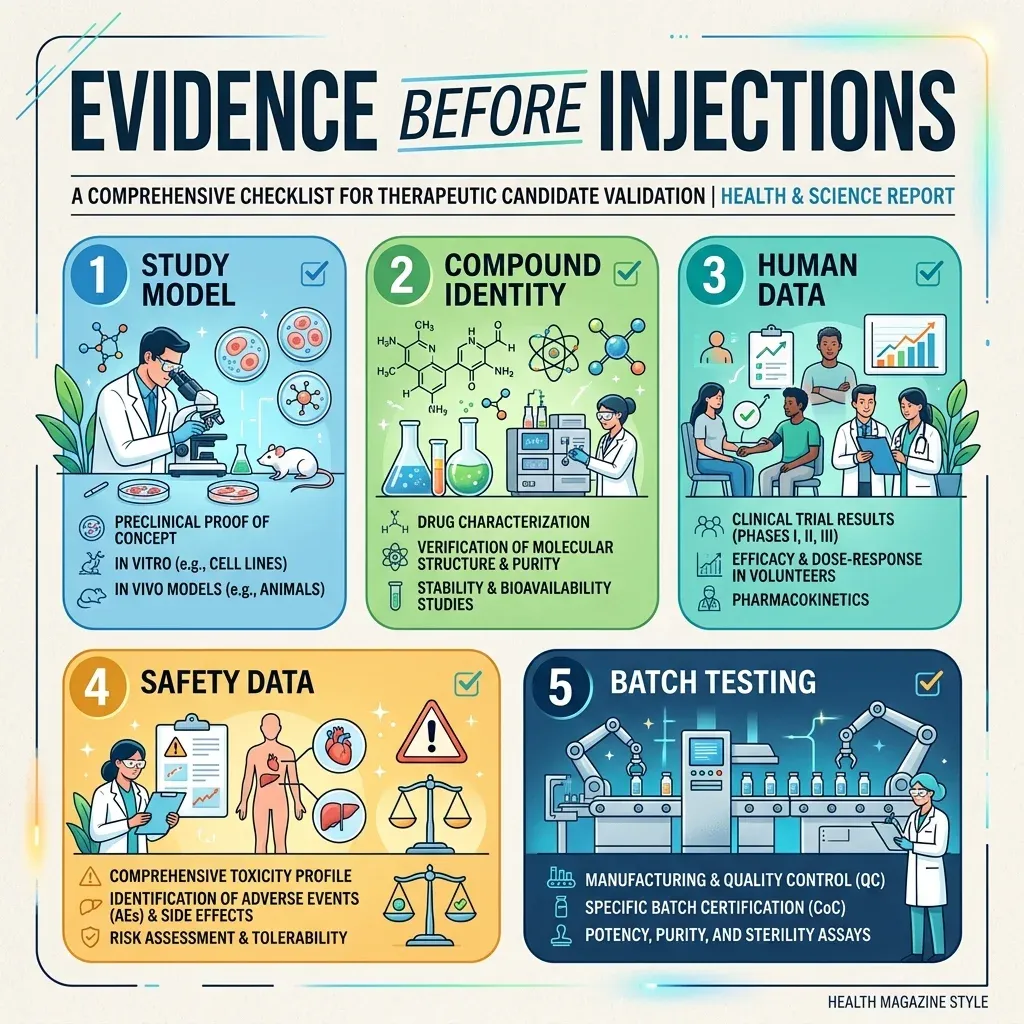
| How is quality verified? | Provides batch testing and medical oversight. | Uses research-grade language while selling for human use. |
For most readers, the smart move is to keep epitalon in the "watch the research" category. Sleep, strength training, metabolic health, blood pressure control, and not smoking have boring marketing but far stronger human outcome evidence. Epitalon may eventually earn a clearer place. It has not earned the certainty its loudest sellers give it.
Frequently Asked Questions
Does epitalon really increase lifespan by 40%?
The fetched evidence for this article did not support a clean 40% lifespan increase claim. The direct source-locked figures were 11-16% mean lifespan extension in fruit flies, 13.3% among the longest-lived mouse survivors, and mortality reductions in older-adult epithalamin cohorts from ScienceDirect, Innerbody's review, and ADDF's report.
Is epitalon the same thing as epithalamin?
No. Epithalamin is a crude polypeptide extract from bovine pineal glands, while epitalon is the tetrapeptide Ala-Glu-Asp-Gly that can be isolated or made synthetically according to ADDF. Many human mortality claims come from epithalamin studies, so the distinction matters.
Is epitalon proven to lengthen telomeres in humans?
It has cell-culture and limited clinical summaries behind it, but not the kind of broad independent human evidence that would settle the question. ADDF notes fetal fibroblast work and telomere-related claims, while also emphasizing that the findings need independent replication in its review.
Is epitalon safe?
Existing reports are not uniformly alarming, but they are incomplete. ADDF says two 3-year epithalamin trials reported no severe adverse events, yet still calls for a well-conducted Phase 1 safety study and independent validation in its safety section.
Medical Disclaimer
This article is for informational and educational purposes only and is not medical advice, diagnosis, or treatment. Always consult a licensed physician or qualified healthcare professional regarding any medical concerns. Never ignore professional medical advice or delay seeking care because of something you read on this site. If you think you have a medical emergency, call 911 immediately.