A $200 Sleeping Bag That Heats You From the Outside In
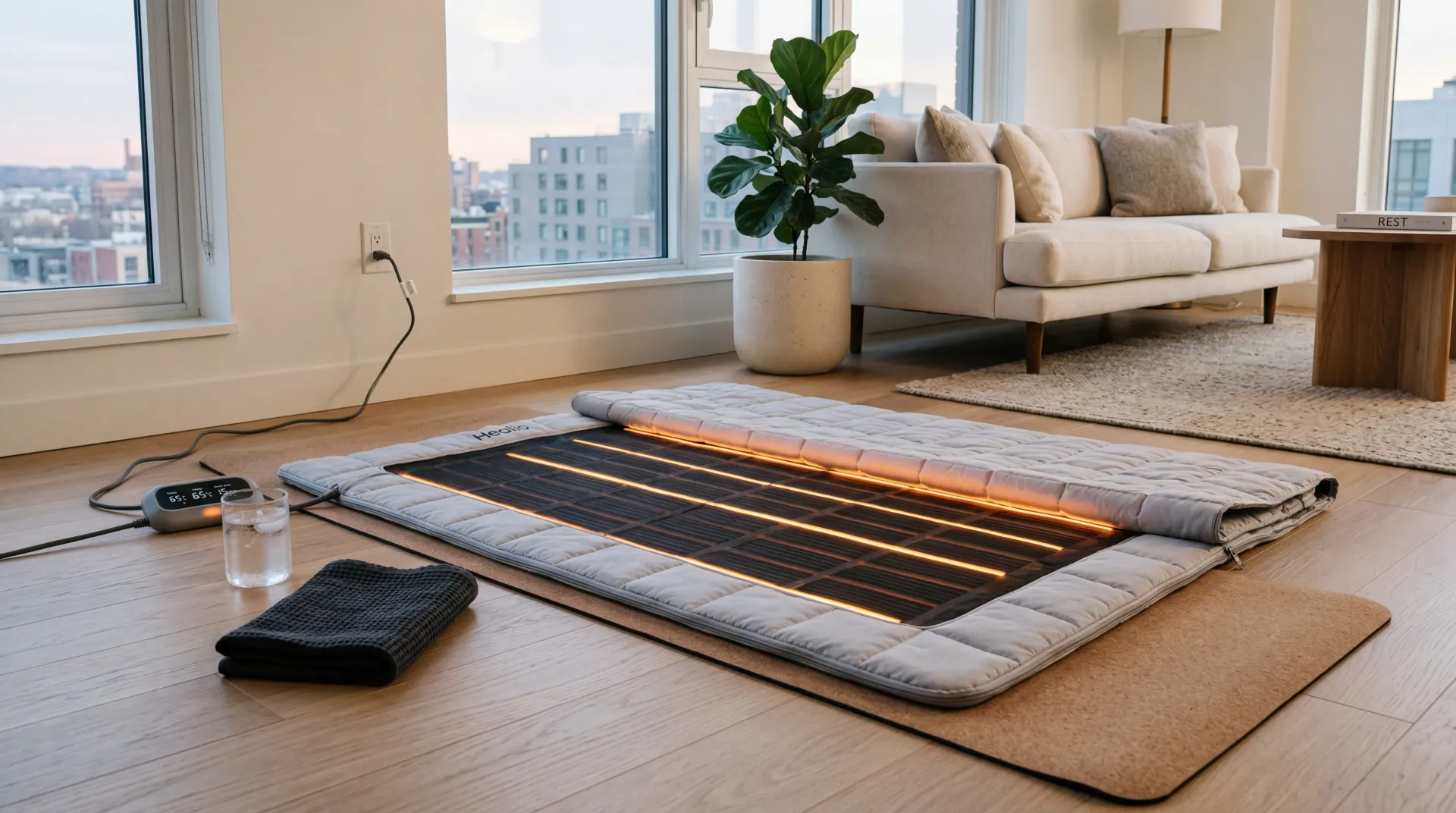
A sauna blanket is a foldable, zippered mat lined with far-infrared heating elements. You lie inside it like a sleeping bag, zip up to your shoulders, and the heating panels warm your body at temperatures between 110°F and 176°F. The whole thing rolls up and fits in a closet — no plumbing, no dedicated room, no electrical panel upgrade.
The infrared part matters. Traditional saunas heat the air around you to 158–212°F, and your body absorbs that heat through convection — hot air touching skin. Infrared saunas skip the middleman. They emit electromagnetic radiation in the 1–12 micrometer wavelength range, which transfers energy directly to tissue. Think of the difference between standing in a hot room versus standing in sunlight on a cold day. The air temperature is different, but your skin warms either way.
Most sauna blankets use far-infrared (FIR) wavelengths exclusively, operating around 10 μm. This keeps the operating temperature lower — typically 40–60°C (104–140°F) — while still producing substantial sweat. A 2025 study by Reed et al. at the University of Oregon measured sweat rates of 0.46 liters per hour during a 45-minute FIR session, with participants losing about 0.48% of body weight in water.
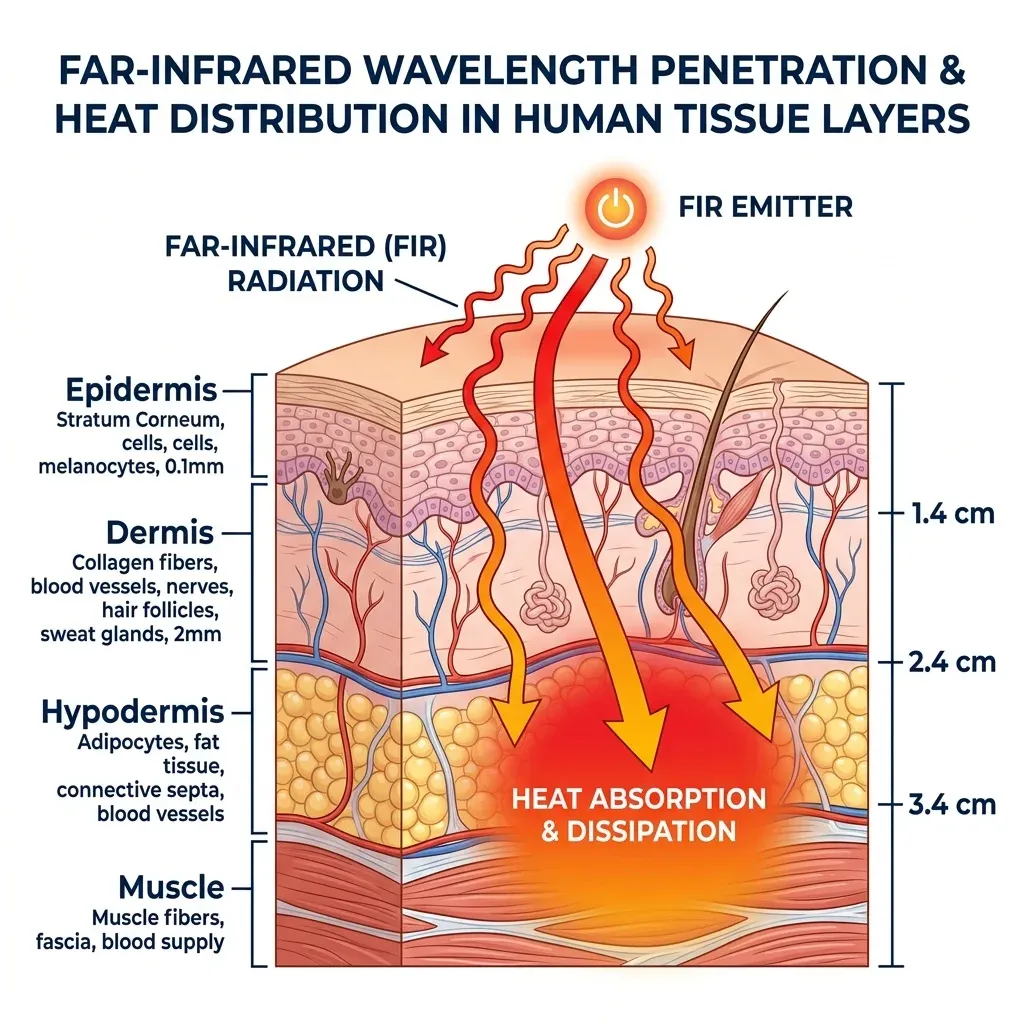
How deep does that infrared energy actually reach? Reed's team inserted temperature probes into the quadriceps of 10 adults at three depths during a FIR session. Muscle temperature rose +3.0°C near the surface (1.4 cm), +1.9°C at 2.4 cm, and +1.1°C at 3.4 cm. The thermal effect dropped 63% by just 2.4 cm and became negligible beyond 3.8 cm. Marketing materials that claim FIR "penetrates 3 to 4 cm deep into peripheral tissues" aren't wrong, but the heating at that depth is barely measurable. The effect is real, just heavily concentrated near the skin.
For apartment dwellers, the practical appeal is obvious. A panel infrared sauna needs at minimum 16 square feet of floor space, costs $1,500–$5,000, and stays put. A sauna blanket costs $150–$700, draws 350–420 watts (less than a hair dryer), and slides under a bed. If your goal is regular infrared heat exposure and you don't have a spare room, a blanket is the only realistic option.
What You Gain and Lose Without the Wooden Box
The biggest functional difference between a sauna blanket and a full infrared sauna is wavelength coverage. HigherDOSE states this directly on their product page: "Our blankets offer far infrared rays whereas the sauna offers full spectrum." Full-spectrum infrared panels combine near-infrared (NIR), mid-infrared (MIR), and far-infrared (FIR). Blankets deliver only FIR.
One study measuring the wavelength output of a full-spectrum infrared sauna panel found IR-A at 24%, IR-B at 55%, and IR-C at 24%. NIR wavelengths are shorter and penetrate deeper into tissue. By using only FIR, blankets deliver the sweat-inducing surface heat but miss the deeper tissue wavelengths that panel saunas provide.
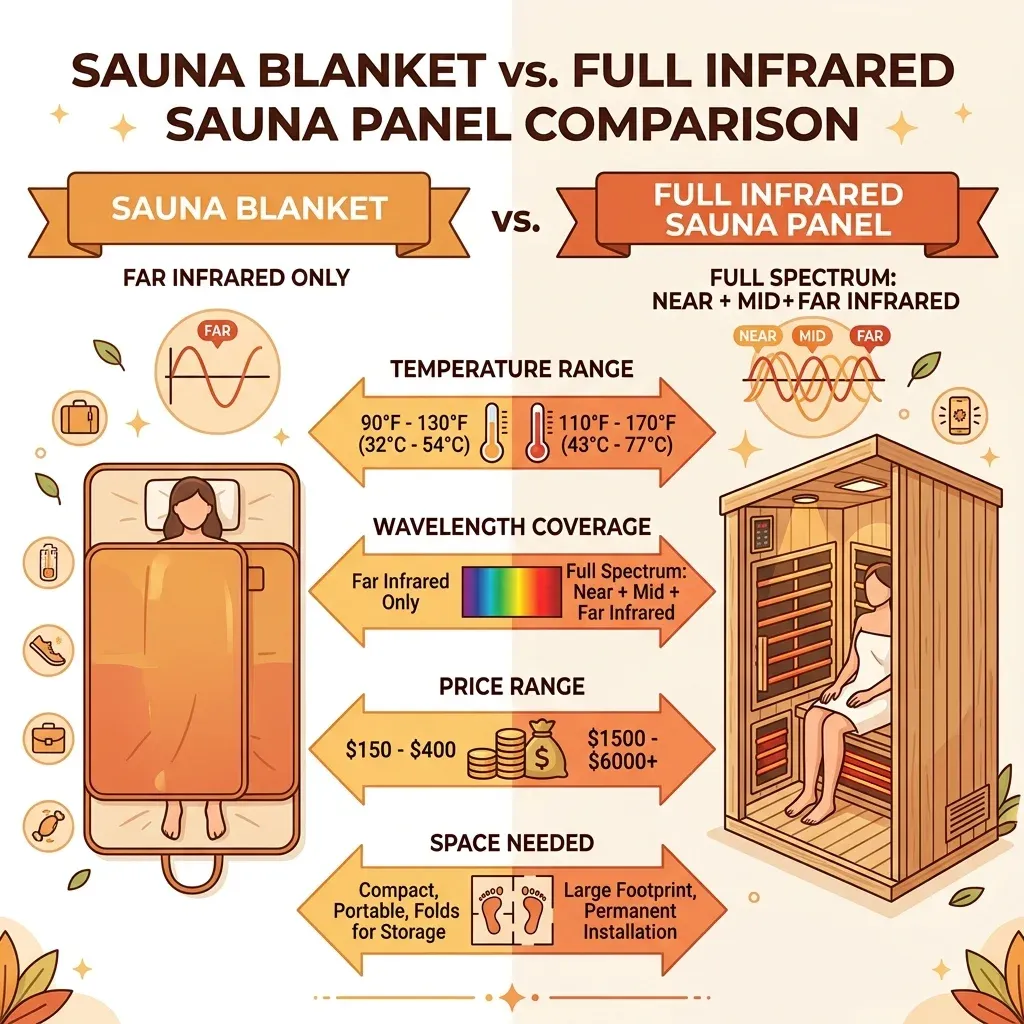
The temperature gap is smaller than you'd expect. Blankets max out between 158°F and 185°F depending on the brand. Full infrared saunas typically run 104–140°F for infrared models, though traditional Finnish saunas reach 212°F. Because blankets wrap your body rather than heating air in a room, they can feel more intense at the same wattage — the heat has nowhere to dissipate.
A 2025 study at the University of Oregon compared FIR sauna, traditional sauna, and hot water immersion head-to-head. The results were sobering for infrared advocates. FIR sauna produced essentially zero core temperature change (+0.0°C), compared to +0.4°C for traditional sauna and +1.1°C for hot water immersion. Cardiac output increased by 1.6 L/min during FIR — not statistically different from traditional sauna (+2.3 L/min, P=0.06) but well behind hot water (+3.7 L/min).
The immune response difference was even starker. Only hot water immersion triggered measurable inflammatory markers — IL-6 increases, natural killer cell mobilization at 24 hours, and CD8+ T cell elevation at 24 and 48 hours. Neither FIR nor traditional sauna produced any immune response. If you've seen claims about infrared saunas "boosting immunity," this 2025 data doesn't support them.
What does this mean if you're choosing between a blanket and a panel sauna? The blanket gives you sweat, peripheral muscle warming, and relaxation at a fraction of the cost and space. But it won't raise your core temperature, and it delivers only one-third of the infrared spectrum. If cardiovascular stress and immune activation matter to you, a hot bath outperforms both types of sauna.
HigherDOSE vs REVIIV — The $500 Question
These two brands represent opposite ends of the sauna blanket market. HigherDOSE is the boutique option — celebrity endorsements, wellness influencer partnerships, premium materials. REVIIV is the Amazon-native budget pick. The performance gap between them is narrower than the price gap.
| Feature | HigherDOSE | REVIIV |
|---|---|---|
| Price | $699 | ~$150–$200 |
| Max temperature | 175°F | 176°F |
| Dimensions | 72.5 × 32 in | 70 × 35 in |
| Heating technology | FIR elements + clay, charcoal, crystal, magnetic layers | Carbon fiber heating panels |
| EMF certification | ETL-certified low EMF | "Naturally low EMF" (carbon fiber, no third-party cert) |
| Insert/towel | $89 per insert (sold separately) | Full-length insert included |
| FSA/HSA eligible | Yes | Not listed |
| Warranty | 1 year limited | Standard Amazon return |
| Customer rating | Widely reviewed (4+ years on market) | 4.2/5 (108 reviews) |
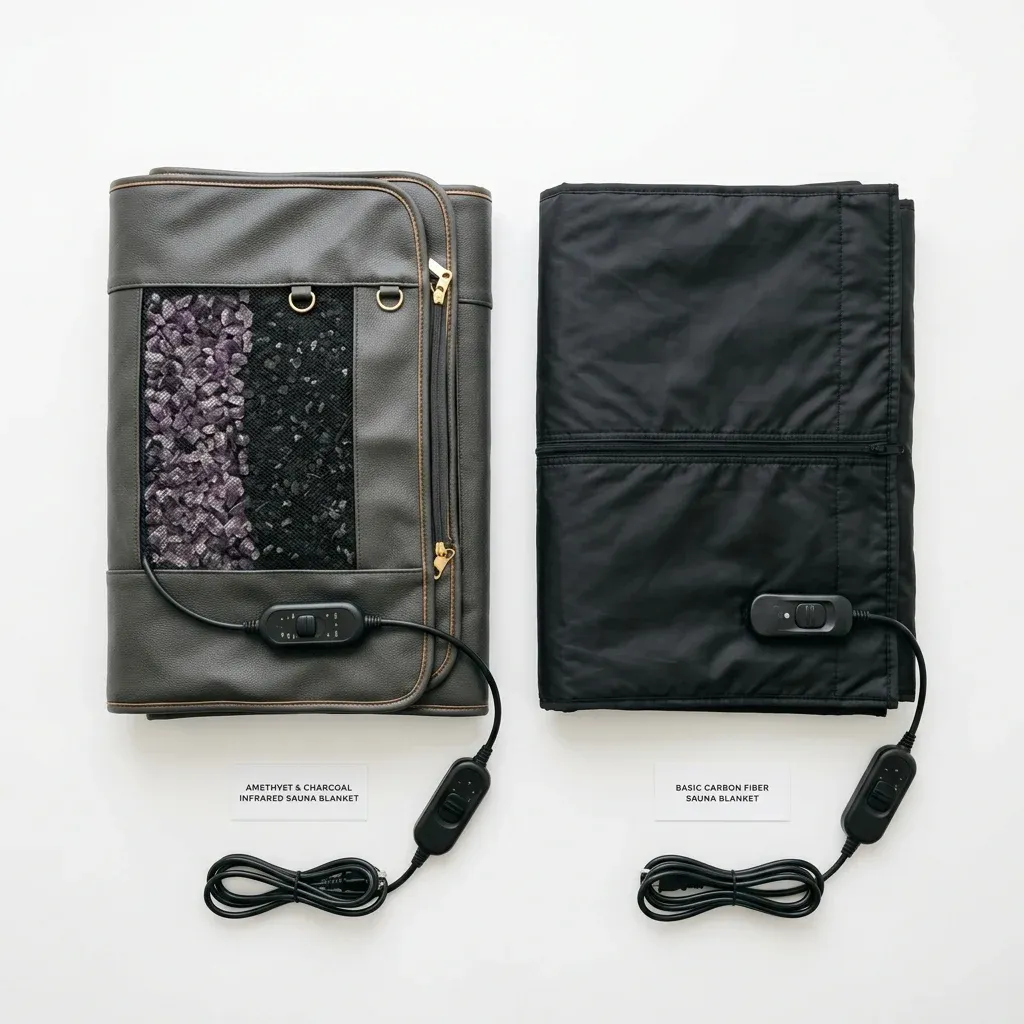
The max temperature is nearly identical. Both produce far-infrared heat. Both fold up for storage. The $500 difference buys you three things: HigherDOSE's multi-layer construction (clay, charcoal, amethyst, tourmaline, medical-grade magnets), ETL-certified EMF testing, and FSA/HSA eligibility.
Are those layers worth the money? BarBend's testing noted that the charcoal "flush toxins" claim lacks evidence, and the magnetic strip science is mixed. The tourmaline crystals produce negative ions, which have some limited evidence for mood improvement, but "no concrete evidence of other healing properties." The clay helps distribute heat evenly — that's the most straightforwardly functional claim.
HigherDOSE's EMF testing is its strongest selling point. All sauna blankets produce electromagnetic fields because they plug into wall power. The accepted safe range is 0–2 milligauss. HigherDOSE has ETL certification for low EMF. REVIIV claims "naturally low EMF" from carbon fiber construction but provides no third-party verification. If EMF exposure concerns you, the certification matters more than the marketing language.
BarBend's reviewer rated HigherDOSE's value at 3 out of 5, noting it "doesn't have enough extra features to justify costing $200 more" than competitors — and REVIIV costs $500 less. That same reviewer noted the blanket still worked well after four years of multiple weekly sessions, which says something about build quality.
If you want certified EMF levels and FSA/HSA reimbursement, HigherDOSE justifies the premium. If you want the heat without the wellness-brand markup, REVIIV delivers comparable temperatures at a quarter of the price. Neither blanket has clinical evidence that its specific design produces better health outcomes than the other.
What the Research Actually Shows (and Doesn't)
Dr. Richard Beever at the University of British Columbia reviewed every available study on far-infrared saunas in 2009. He found nine relevant papers with level I or II evidence. His conclusion: "The manufacturers claim numerous health benefits; however, the published evidence to substantiate these claims is limited."
That review is still the most comprehensive assessment of FIR evidence. Here's what it found, organized by strength of evidence:
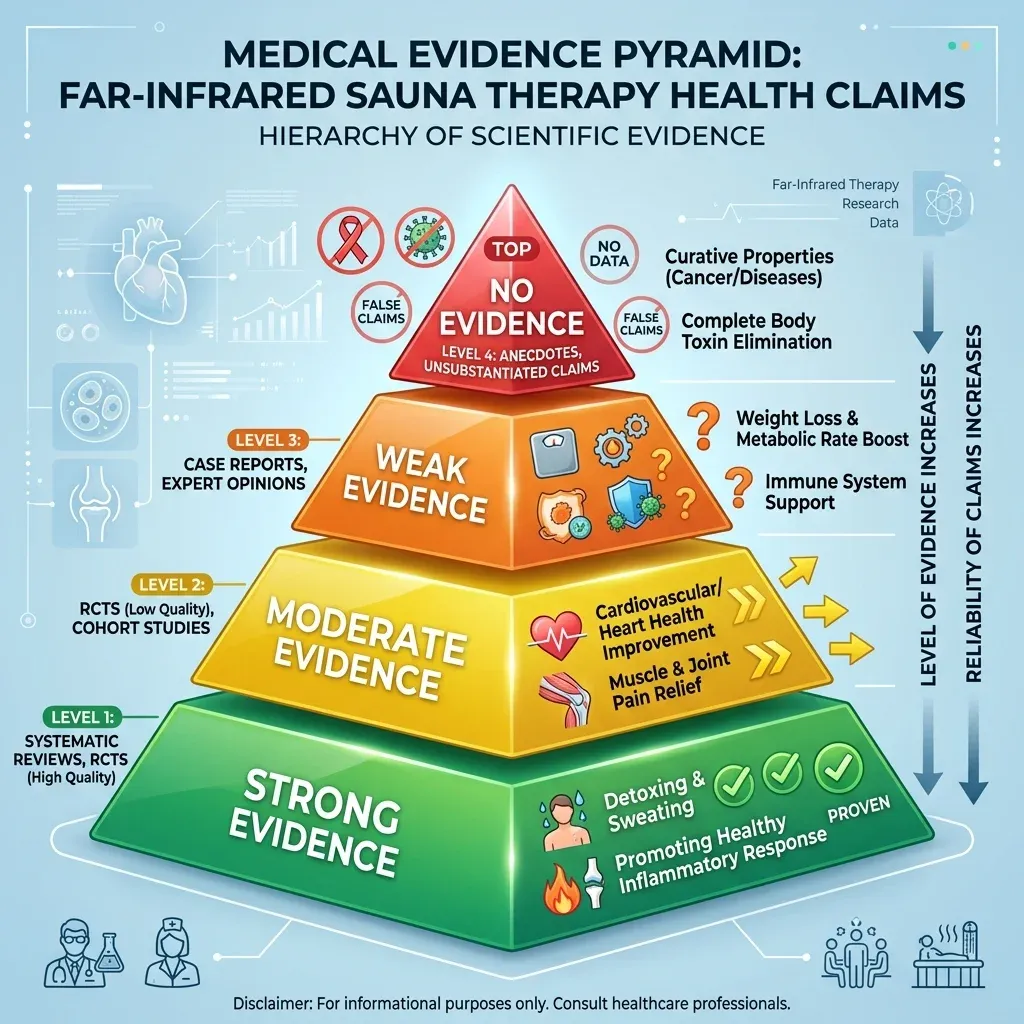
Blood pressure reduction (moderate evidence): Multiple studies showed systolic BP drops. In one RCT by Masuda et al., 28 patients with coronary risk factors who used 15-minute daily FIR sessions for two weeks saw systolic pressure drop from 125 to 110 mmHg. A separate study found similar results — 107 to 97 mmHg — in heart failure patients. Beever characterized the cardiovascular demand of FIR as "similar to walking at a moderate pace."
Congestive heart failure (limited moderate evidence): Four papers, led primarily by Kihara's group, showed improvements in CHF patients. In a 2002 RCT, 17 of 20 CHF patients improved after two weeks of daily 15-minute sessions at 60°C. BNP (a heart failure marker) decreased from 441 to 293 pg/mL, and a separate study showed ejection fraction improving from 29% to 33%.
Muscle recovery (single study, promising): Ahokas et al. at the University of Jyväskylä tested 20-minute infrared sauna sessions after resistance training in 16 basketball players. Muscle soreness was significantly lower (p=0.003), countermovement jump performance recovered faster (effect size 0.76), and perceived recovery scores improved. No negative effects on sleep or autonomic function.
Chronic pain (fair evidence, single RCT): Masuda's 2005 trial assigned 46 chronic pain patients to sauna or control for four weeks. In the sauna group, 77% returned to work compared to 50% of controls.
Cholesterol, "detox," and weight loss (no supporting evidence): Beever's review found "consistent fair evidence to refute claims regarding the role of FIRSs in cholesterol reduction." Neither cholesterol, HDL, nor triglycerides changed in any study. Weight loss in the one obesity study (Biro 2003) was 1.6 kg over two weeks — in patients also on an 1,800-calorie diet, making it impossible to attribute to the sauna. Jason Sonners, PhD in regenerative medicine at the University of Miami, told Forbes Vetted that claims around detox, weight loss, and "fat melting" are "marketing-heavy."
One critical limitation Beever flagged: nearly all FIR studies were conducted by the same core research group, with small samples, short durations, and no possibility of blinding. The evidence base is real but thin, and independent replication remains sparse even in 2026.
What can you realistically expect from a sauna blanket? Relaxation, peripheral muscle warming, sweating, and modest circulation improvement. The blood pressure data is the most encouraging. Anything beyond that — immune boosting, deep detoxification, significant weight loss — doesn't have research behind it.
Your First 30 Days With a Sauna Blanket
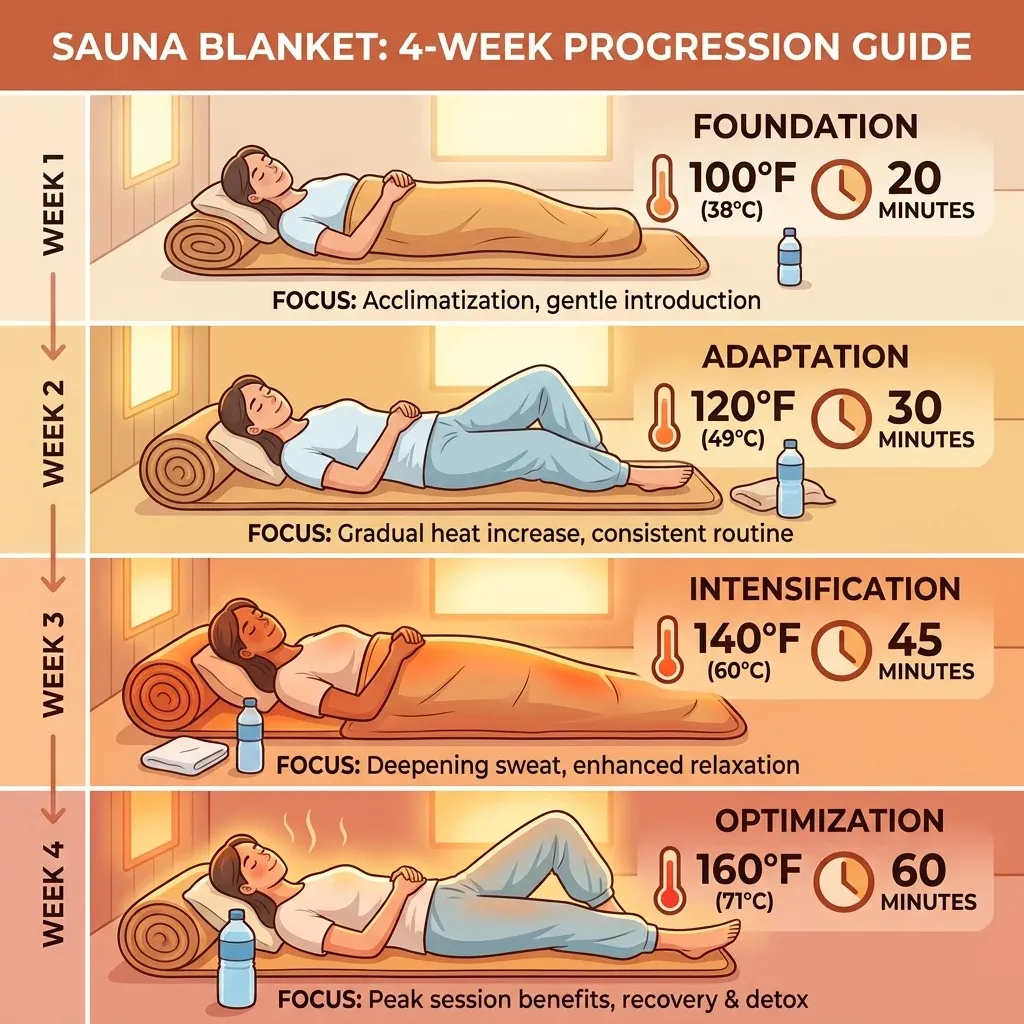
Every blanket brand recommends slightly different protocols, but the expert consensus from sources like Forbes Vetted, Bon Charge, and HigherDOSE converges on the same progression.
| Phase | Temperature | Duration | Frequency |
|---|---|---|---|
| Week 1–2 (acclimation) | 110–130°F | 15–20 minutes | 2x per week |
| Week 3–4 (building) | 130–150°F | 20–30 minutes | 2–3x per week |
| Ongoing (maintenance) | 150–175°F | 30–45 minutes | 2–3x per week |
Preparation matters more than most people expect. Preheat the blanket for 10–15 minutes before getting in. Wear long cotton or linen sleeves, pants, and socks — direct skin contact with the heating surface isn't comfortable and the fabric absorbs sweat. Lay a towel inside the blanket for easier cleanup.
Hydration is the single most important protocol detail. Reed et al.'s 2025 study measured a sweat rate of 0.46 liters per hour during a FIR session. That's nearly half a liter in a 60-minute session. Drink 16–20 oz of water before your session and another 16 oz after. Add electrolytes if you're sweating heavily or feel lightheaded afterward.
Bon Charge recommends capping sessions at 50 minutes to avoid dehydration risk. The research studies that showed benefits used 15–20 minute sessions, so more isn't automatically better.
Timing affects sleep. Dr. Angela Holliday-Bell, a board-certified physician and sleep specialist, advises finishing sessions 1–2 hours before bedtime. The heat raises skin temperature and heart rate temporarily. Time it right and the post-session cooldown coincides with your body's natural pre-sleep temperature drop. Too close to bed and you're working against your circadian rhythm.
After each session, let the blanket cool completely before folding. Wipe down the interior with a damp cloth. The PU leather exterior on most blankets handles sweat well, but trapped moisture accelerates material breakdown over time.
The Honest Case For and Against
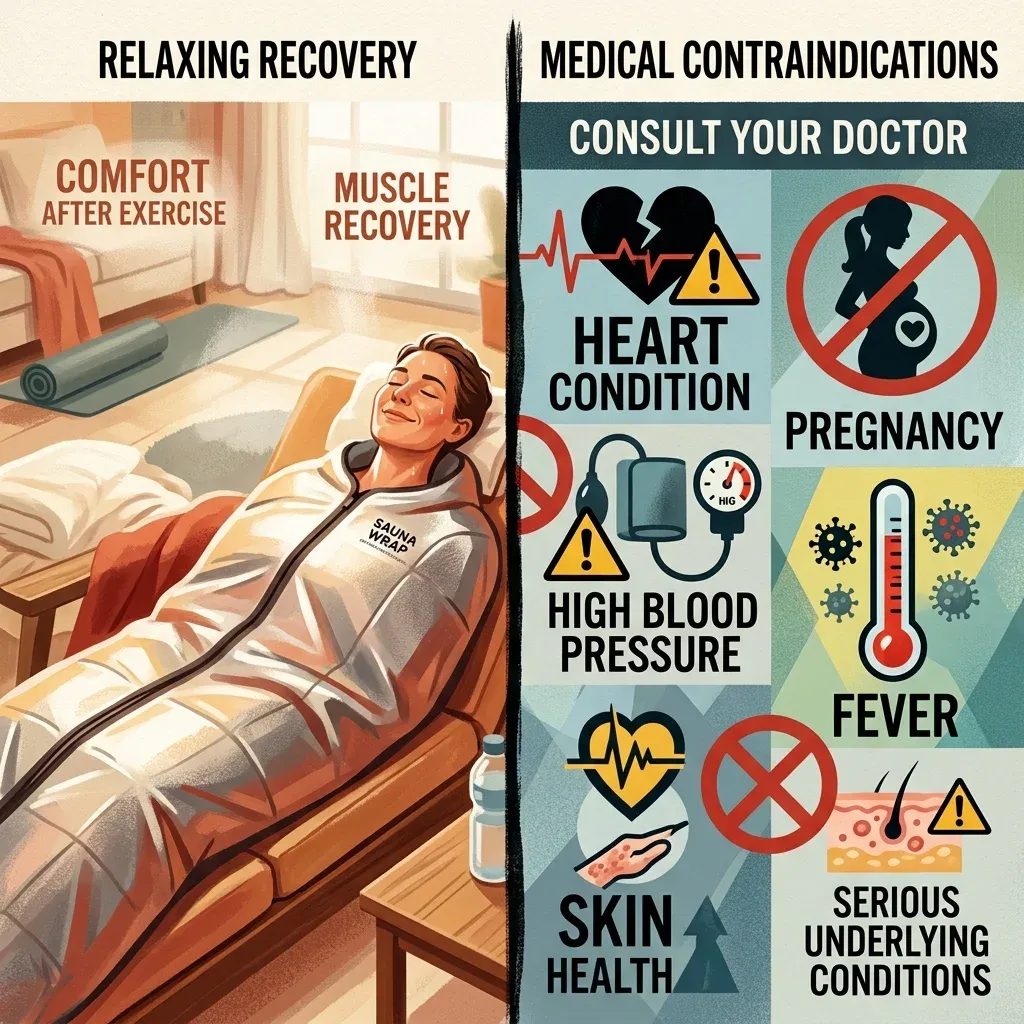
A sauna blanket makes sense if you want regular infrared heat exposure, live in an apartment or rental where installing a sauna isn't possible, and you're willing to accept what the research supports rather than what the marketing promises. The consistent evidence points to relaxation, improved circulation, reduced muscle soreness after exercise, and modest blood pressure benefits.
It's the wrong purchase if you're expecting deep detoxification, significant calorie burn, or immune system activation. The 2025 comparative data from Atencio et al. showed that FIR sauna was "the least impactful on raising body core temperature and the resulting cardiovascular and immune responses" compared to both traditional sauna and hot water immersion. Sonners told Forbes Vetted it's "still too early to say whether sauna blankets can provide the same cardiovascular benefits as traditional saunas."
Dr. Holliday-Bell identified overheating as the main safety concern and recommends checking with your doctor if you have conditions affecting circulation, heart health, or heat sensitivity. Across Beever's review of nine clinical studies, no adverse events were reported, but those studies used controlled 15-minute sessions with medical supervision — not unsupervised 60-minute home sessions.
Skip the sauna blanket if you:
- Are pregnant (FIR-specific safety during pregnancy is unstudied in blanket format)
- Have cardiovascular conditions without your doctor's clearance
- Are dehydrated, feeling unwell, or have consumed alcohol or sedatives
- Have conditions affecting heat sensitivity or circulation
Every sauna blanket carries the FDA disclaimer: "These statements have not been evaluated by the FDA. This product is not intended to diagnose, treat, cure, or prevent any disease." That's not a technicality — it means the health claims haven't been verified by regulatory authorities. Treat these as wellness devices, not medical equipment.
Frequently Asked Questions
Do sauna blankets actually raise your body temperature?
They raise skin and superficial muscle temperature substantially — up to +3.0°C at the skin surface and +6.2°C for mean skin temperature. But two 2025 studies independently confirmed that core body temperature doesn't change during a FIR session. You'll sweat heavily and feel warm, but your internal thermostat stays steady.
How much do sauna blankets cost to run?
Most blankets draw 350–420 watts. A 45-minute session at 400 watts uses about 0.3 kWh. At the US average electricity rate, that's roughly 5 cents per session. Using one three times a week costs about $7–8 per year in electricity.
Can I use a sauna blanket every day?
The clinical studies that showed benefits used daily sessions for 2–4 week treatment periods. For ongoing home use, manufacturers recommend 2–3 sessions per week. Daily use isn't inherently dangerous but increases dehydration risk and wear on the blanket. The research showing benefits used 15-minute sessions — if you're going longer, less frequent sessions with proper hydration are more sensible.
Are sauna blankets safe for people with metal implants?
Far-infrared radiation heats tissue through direct energy absorption, not magnetic fields. Metal implants don't interact with FIR wavelengths the way they would with an MRI. However, metal near the skin surface could conduct heat differently, so consult your doctor before use. The EMF output is a separate consideration from the infrared wavelengths.
Is a sauna blanket better than a hot bath?
Depends what you're optimizing for. The 2025 comparison study showed hot water immersion produced greater core temperature increase (+1.1°C vs +0.0°C), higher cardiac output, and the only measurable immune response of the three modalities tested. A hot bath is more physiologically intense. A sauna blanket is more convenient, requires less water, dries faster, and lets you control the temperature precisely. If you have a bathtub and time, a hot bath is the more evidence-backed option for cardiovascular and immune effects.
Medical Disclaimer
This article is for informational and educational purposes only and is not medical advice, diagnosis, or treatment. Always consult a licensed physician or qualified healthcare professional regarding any medical concerns. Never ignore professional medical advice or delay seeking care because of something you read on this site. If you think you have a medical emergency, call 911 immediately.