How to Lose Weight Fast | The Science Behind a Healthy Weight Loss
Maintaining a healthy weight can be pretty tough, and losing excess kilos - even tougher, especially in our eat-and-run and massive-portion-sized culture of the present times.
If you have tried to lose weight and you did not succeed, you might start to think that diets don’t work in your case and you are probably right. They don’t work for everyone because our bodies respond differently.
But don’t worry, because even if there isn’t an easy way to losing weight, we guarantee you that there are plenty of steps you can take in order to achieve a healthy and lasting weight-loss success.
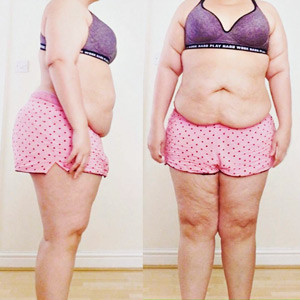 An underactive thyroid involves the fact that the thyroid gland isn’t producing enough thyroid hormones which play an essential role in regulating the metabolism. Although an underactive thyroid can develop at any age, it is most frequent in older women.
Without enough thyroid hormones, the metabolism slows down, and this will lead to weight gain. This condition is usually treated with a daily tablet of hormone-replacement. Hypothyroidism symptoms include the following:
[custom_list type="dot"]
An underactive thyroid involves the fact that the thyroid gland isn’t producing enough thyroid hormones which play an essential role in regulating the metabolism. Although an underactive thyroid can develop at any age, it is most frequent in older women.
Without enough thyroid hormones, the metabolism slows down, and this will lead to weight gain. This condition is usually treated with a daily tablet of hormone-replacement. Hypothyroidism symptoms include the following:
[custom_list type="dot"]
 Try writing down everything that you eat for one week, and you will see that you’ll lose some weight. Research has shown that people who keep food diaries end up eating 15% less food than those who don’t. You should also watch out for weekends because a study from the University of North Carolina found that we tend to consume 115 extra calories per weekend day. These come from alcohol and fat. You should also cut down calories from dressings, spreads, condiments, sauces, drinks and snacks and you’ll see the difference. A great android app that could help track your weight loss journey is the Calorie Counter MyFitnessPal.((https://play.google.com/store/apps/details?id=com.myfitnesspal.android))
 Also, try hooking on a step tracker and aim for an extra 1000 steps per day. Sedentary people take only 2000-3000 steps every day and adding 2000 more will stop you from gaining weight. Adding more will lead to weight loss.
Why Do We Gain Weight?
First of all, it’s important that we acknowledge the main reasons for which we gain weight, especially if this happens fast and unintentionally. Unintentional weight gain occurs when you put on weight without increasing the consumption of liquids or foods, and it can be caused by some health conditions. Unintentional weight gain can be periodic, continuous or rapid. Continuous unintentional weight gain can be the result of pregnancy, periodic unintentional weight gain includes regular fluctuations of weight but rapid weight gain will usually indicate a serious medical condition, or it can be caused by some medication and its side effects. The symptoms of unintentional weight gain include the following: abdominal pain and discomfort, bloating, flatulence, constipation, visible swelling in the abdomen or other areas of the body, swollen extremities. There are various ways to treat unintentional weight gain, and the best method is the treatment of the condition that caused it.Medical/Health Conditions as Possible Causes for Putting on Weight
Most people are putting on excess weight because they eat and also drink more calories than they consume through body functions and everyday movement. But there are also cases in which weight gain may be due to various underlying health conditions. Here are the most frequent health issues that can cause excess kilos and that should raise awareness:-
Hypothyroidism – Underactive Thyroid
- Being sensitive to cold
- Tiredness
- Depression
- Constipation
- Weight gain
- Slow thinking and movements
- Muscle cramps, aches, and weakness
- Dry and scaly skin
- Brittle nails and hair
- Loss of libido
- Memory problems
- Irregular or heavy periods
- Numbness, pain and a tingling sensation in the fingers and hands (carpal tunnel syndrome)
-
Diabetes
-
Aging and Less Muscle Mass
-
Steroid Treatments for Asthma and Arthritis
-
Cushing’s Syndrome
-
Low Mood and Stress
-
Tiredness
-
Retention of Fluids
-
PCOS (Polycystic Ovary Syndrome)
-
Slow Gut
-
Nutrient Deficiency
-
Plantar Fasciitis
-
Wrong Medication
Reasons that Lead to Unintentional Weight Gain
-
Overeating Healthy Foods
-
Being Dehydrated
-
Being Obsessed with Working Out
-
Staying Up Too Late
-
Ignoring Sodium
-
Not Eating Enough Protein
35 Tips for a Healthy Weight Loss
- Limit the Calorie Intake
- Write Down What You Eat
- Add 10% to the Amount of the Daily Calories You Think You’re Eating
- Stick to Water, After Breakfast
- Cut Your Portions
- Watch An Hour Less of TV
- Wait Until Your Stomach Rumbles Before You Eat
- If You’re Feeling Hungry, Sniff a Banana, an Apple or Peppermint
- Stare at the Color Blue
- Eat in Front of a Mirror
- Walk Up and Down the Stairs
- Walk 45 Minutes a Day, Instead of 30
- Avoid Processed Food
- Put Your Spoon/Fork Down Between Bites
- Close the Kitchen for 12 Hours
- Take a Walk Before Dinner
- Get a Step Tracker
- Eat 90% of Your Meals at Home
- Avoid Eating With Large Groups of People
- Choose Foods Rich in Water
- Add More Veggies to Your Meals
- Avoid White Foods
- Try Cereal for Breakfast
- Eat Salsa, Hot Sauce, and Cajun Seasonings
- Snack on Nuts
- Get Most of You Calories Before Noon
- Brush Your Teeth After Every Meal
- Focus on High-Intensity Workouts
- Make Sleep a Priority
- Eat the Yolk
- Don’t Avoid the Cold
- Sleep With the TV Off
- Use Coconut Oil Instead of Cooking Oils
- Eat Dark Chocolate for Dessert
- Don’t Skip Evening Workouts
The Most Frequent Unhealthy Ways to Lose Weight
There are several ways to lose weight which are unhealthy and hazardous to your mental and your physical well being. Here are the most common which you should always avoid:- No-Calorie Diets
- Medication and Drugs
- Skipping Meals
- Purging
- Using Laxatives
- Smoking
- Over Exercising