5 Ways Turmeric Can Beautify Your Skin
Herbs have a long history of being integrated into home remedies and even medical treatments, and have been used extensively in cosmetics thanks to their anti-oxidant properties. People have put to good use plants with strong pigments in particular due to their valuable active ingredients. Turmeric is one of them. You might be more familiar with its powdered form, as it is an essential ingredient in many dishes, mainly the Indian ones. Still, how much do you know about its health benefits, or benefits when used on the skin? Basic research indicates its antibacterial and anti-inflammatory properties, but more detailed studies show it might even be superior to medical treatments for diabetes or arthritis. In addition, there is evidence that turmeric’s compounds are more powerful than many chemical substances incorporated in popular drugs.
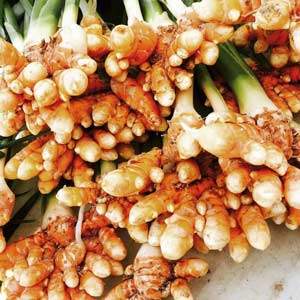 Turmeric, also known as Curcuma longa, is a rhizomatous perennial herb, part of the Zingiberaceae family. The plant is native to regions of Southern Asia where it thrives, due to the area’s high temperatures and frequent rains. It contains cylindrical, aromatic rhizomes(root-like subterranean stems that develop roots and shoots) whose colors range from yellow to orange. The leaves are alternate, divided into two rows, with an oblong shape which gradually narrows towards the tip and a length of 76 to 115 centimeters. Its yellow-white flowers that are gathered in spikes are rather sterile, with only the median stamen of the inner circle producing pollen. The rhizomes are the plant’s primary constituent. They are either used while fresh or grounded into a bright orange powder which is then integrated into dishes, hair dyes or cosmetics.
The Indian people mix turmeric powder with camphor to obtain Sindoor, an orange-red product worn by India women as a sign of their marriage.
Turmeric, also known as Curcuma longa, is a rhizomatous perennial herb, part of the Zingiberaceae family. The plant is native to regions of Southern Asia where it thrives, due to the area’s high temperatures and frequent rains. It contains cylindrical, aromatic rhizomes(root-like subterranean stems that develop roots and shoots) whose colors range from yellow to orange. The leaves are alternate, divided into two rows, with an oblong shape which gradually narrows towards the tip and a length of 76 to 115 centimeters. Its yellow-white flowers that are gathered in spikes are rather sterile, with only the median stamen of the inner circle producing pollen. The rhizomes are the plant’s primary constituent. They are either used while fresh or grounded into a bright orange powder which is then integrated into dishes, hair dyes or cosmetics.
The Indian people mix turmeric powder with camphor to obtain Sindoor, an orange-red product worn by India women as a sign of their marriage.
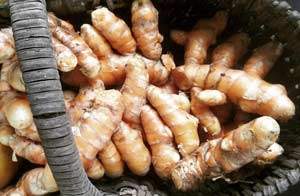 Turmeric is equally well-regarded by specialists in medicine and regular people, although from different reasons. If some prefer its powdered form as to spice up the dishes, others are more interested in its properties and how the body might be helped after using it. Here are some of the turmeric’s benefits that might make you want to integrate it in your daily meals:
What is Turmeric?
What Does it Contain?
Currently, more and more researchers promote turmeric as a truly miraculous plant, due to its numerous properties and multiple health benefits. But they are not the only ones to appreciate it. Unspecialized people or those who show no interest in scientific terms might find a plethora of positive reviews on turmeric’s properties over the internet. Moreover, research indicates that the active compounds found in turmeric’s composition have the potential to reverse certain medical conditions even more efficiently than most drugs designed for them. In addition, turmeric is possibly one of the few plants with little to no side effects, unless taken in huge doses.- Curcumin is turmeric’s most important and praised constituent. Its strong flavor goes hand in hand with its many benefits, so it is no wonder that not only Indians but people from all over the world have decided to integrate it into their daily lives. Although present in a small percentage(about three per cent), it is a critical antioxidant. It is less likely for people to take full advantage of it by consuming it as a food source. However, numerous research projects have linked curcumin extract to a decreased risk of cancer and diabetes and symptom alleviation in many other medical conditions that include neurological diseases, liver diseases, autoimmune diseases, chronic disorders and cardiovascular diseases. How does it do that? By modulating multiple signaling molecules such as enzymes, protein kinases, growth factors, chemokines or DNA. One report published in the Journal of Nutritional Biochemistry showed that curcumin was able to decrease the size of one particular brain tumor by no less than eighty-one per cent. Furthermore, scientists have conducted another study on a number of twenty-one patients with either brain tumors or neck cancer. The result might have been surprising but definitely not unexpected: the curcumin tablets(each enriched with 1.000 milligrams) stopped the spread of cancer-inducing cells and substantially improved the patients’ health status.
- Turmeric essential oil
- Cineol
- D-a-phellandrene
- D-sabinene
- D-borneol
- P-polymethyl
- Sesquiterpene alcohol and other sesquiterpene hydrocarbons
- Turmerone
- Valeric acid
- Zingiberene
- Polyphenols and terpenoids
- Carotenes, carotenoids and xanthophylls
- Vitamins: A, B1, B2, B3 and C
- Minerals: calcium, chromium, iron, manganese, potassium, selenium, zinc
- Phytochemicals: azulene, beta carotene, cinnamic acid, caffeic acid
- COX-2 (natural painkillers)
- Proteins, starch and resin
Health Benefits of Turmeric
-
Fights inflammation
-
Helps Against Cancer
-
Decreases the Risk of Cardiovascular Disease
- It reduces muscle and joint pain as well as the risk for arthritis
- It enhances the liver function and sustains its function
- Provides relief from irritable bowel syndrome-like symptoms such as bloating or indigestion
- It is efficient when used in patients with external inflammation as it can kill germs and harmful bacteria
- It hastens the healing process
- It purifies the blood and sustains the production of new blood cells; it might be beneficial for women who recently gave birth or those during their period
- Studies suggest it might be efficient when used in patients with diabetes as it decreases the blood sugar levels and neuropathic pain
- In might improve the condition of patients with Alzheimer’s disease and dementia by blocking the action of amyloid beta which are peptides of certain amino acids involved in the diseases’ development
- It is used in massage therapy sessions to help one physically and mentally relax
Skin Benefits of Turmeric?
While research studies indicate its miraculous properties in patients suffering from severe diseases, turmeric can as well help your body’s largest organ- the skin. Below you can find some of the ways the active substances found in turmeric’s composition can beautify your skin and make it look young and healthy for longer.-
Cures acne
-
Protects the Skin from UV rays
-
Prevents Skin Cancer
-
Reduces Facial Hair
-
Lightens Stretch Marks
- support the healing process of bruises and wounds
- correct oily skin
- help treat psoriasis
- delay wrinkles appearance when used in topic creams
- heal cracked heels by moisturizing them
- might treat chronic skin conditions thanks to its anti-inflammatory properties
- can even out the skin tone
- help rejuvenate scalp health and controls dandruff