Gut health advice can get noisy fast. One headline says fermented foods fix everything. Another says alcohol harms your microbiome and should be avoided completely. If you are trying to make practical decisions, especially around wine and yogurt, those mixed messages are frustrating.
This guide gives you a grounded answer: yogurt has stronger day-to-day evidence for most people, while red wine is a nuanced case where potential polyphenol benefits need to be weighed against alcohol risks. You will not see miracle claims here. You will get a clear framework, evidence-linked context, and a realistic plan you can apply this week.
If you want a deeper primer on probiotic basics before reading on, start with our evidence review on health benefits of probiotics. For this article, we will focus specifically on the wine and yogurt question and what it means for your gut, metabolic health, and long-term habits.
Quick take: For most adults, plain yogurt and other fermented dairy can be part of a gut-supportive routine. Red wine may offer some polyphenol-related microbiome effects in small amounts, but it is not required for gut health and should never be treated as a prescription.
Can wine and yogurt really help your gut?
Short answer: they can influence your gut environment, but not in equal ways and not with equal certainty. Yogurt delivers live cultures and nutrients directly, and there is a larger practical body of evidence supporting fermented dairy in daily eating patterns. Wine is different. Some studies suggest red wine polyphenols may shift gut microbial composition in favorable directions, but the alcohol component introduces risk and limits how confidently we can recommend it as a health strategy.
The strongest framing is to treat yogurt as a food choice and wine as a risk-managed optional exposure. If you already drink wine, moderation matters. If you do not drink, gut health is not a reason to start. You can get polyphenols from grapes, berries, cocoa, tea, and many plant foods without alcohol.
In other words, this is not a "wine versus yogurt" contest where one wins and the other loses. It is a question of where each food fits into a full dietary pattern that includes fiber, sleep, stress management, and movement. Those fundamentals still drive the biggest microbiome shifts.
| Food or factor | Main gut mechanism | Evidence confidence for routine use | Practical note |
|---|---|---|---|
| Plain yogurt with live cultures | Adds live microbes and fermentation byproducts | Moderate to high for selected outcomes | Best when low in added sugar and eaten consistently |
| Red wine | Polyphenols may modulate microbial balance | Low to moderate due to alcohol-related confounding | Optional only, not required for gut health |
| High-fiber plant foods | Feeds commensal microbes and short-chain fatty acid production | High | Most reliable daily lever for microbiome support |
| Sleep and stress regulation | Gut-brain axis and inflammatory signaling effects | Moderate | Food alone cannot offset chronic sleep loss |
If you are currently working on bloating, stool irregularity, or food-trigger symptoms, pair this guide with our practical walkthrough on the low-FODMAP diet for IBS so your gut plan is symptom-aware, not just trend-driven.
The microbiome basics most people miss
Your gut microbiome is not a single "good bacteria" score. It is a dynamic ecosystem that changes with diet, medication use, infection history, sleep, and stress. The biggest mistake people make is looking for one hero food instead of a stable pattern.
A widely cited controlled-feeding study showed that dietary pattern changes can shift microbiome composition quickly, sometimes within days, in measurable ways (David et al., PubMed). A newer randomized trial comparing a high-fiber diet and a fermented-food-rich diet also found measurable immune and microbiome differences (Wastyk et al., PubMed). That does not mean every person will have the same response, but it does tell us two useful truths:
- Consistency beats intensity. A sustainable pattern works better than short bursts of "perfect" eating.
- Food diversity matters. Different fibers and fermented foods support different microbial functions.
A useful mental model is to think in layers. The first layer is broad dietary quality: fiber-rich plants, adequate protein, and fewer ultra-processed defaults. The second layer is fermented-food fit, where yogurt may help if you tolerate it. The third layer is optional fine-tuning, such as whether occasional red wine affects your symptoms positively, negatively, or not at all. Most people try to start at layer three and end up confused. Starting with the basics keeps your decision-making clear.
Where does yogurt fit? Yogurt can be one repeatable fermented food anchor. Where does wine fit? At most, it is a conditional add-on for adults who already drink and can keep intake truly moderate.
Many readers ask whether testing is needed before making changes. In most cases, no. Start with sleep, fiber quality, fermented foods you tolerate, and symptom tracking. If you are curious about precision approaches, our guide on gut health personalization and microbiome testing explains when testing adds value and when it mostly adds cost.
What the red wine evidence actually shows
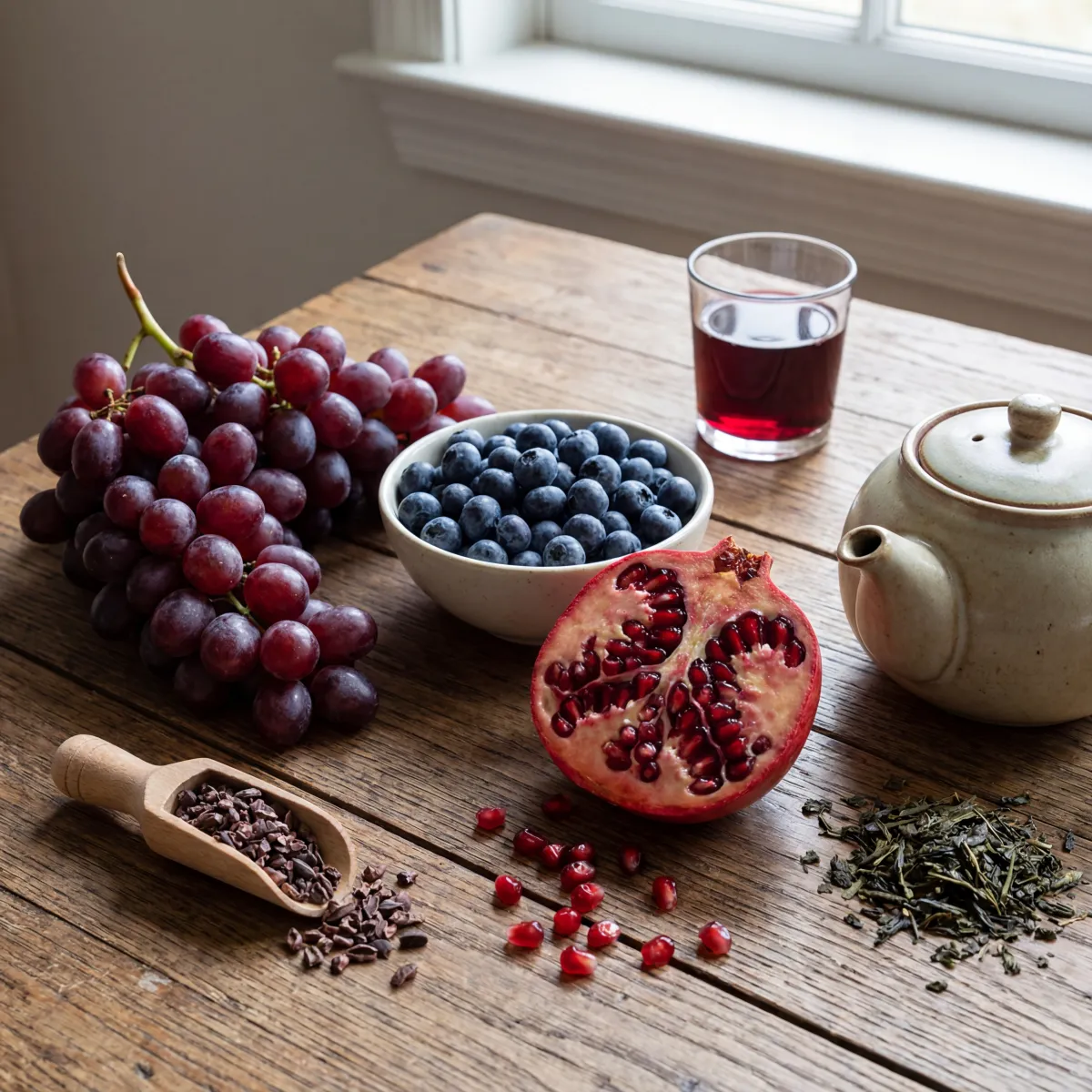
The red wine conversation usually starts with polyphenols. These compounds, especially in red grape skins, may act as substrates for gut microbes and produce metabolites that influence inflammation and vascular signaling. In a controlled study, red wine polyphenols were associated with microbiome and biomarker changes (Queipo-Ortuno et al., PubMed). That is interesting and biologically plausible.
But plausibility is not a blank check. Alcohol itself can negatively affect gut barrier function and liver health at higher exposures. Public health organizations continue to warn that alcohol carries risk and that less is generally safer (WHO alcohol fact sheet; CDC moderate alcohol use; NIAAA alcohol effects on the body).
This is why the practical recommendation has to be narrow. If an adult already drinks and has no contraindications, small amounts of red wine with meals may fit within their overall plan. But framing wine as a gut-health treatment goes too far beyond the evidence.
| Red wine claim | What evidence supports | Where caution is needed |
|---|---|---|
| "Wine feeds beneficial microbes" | Some studies show polyphenol-linked microbiome shifts | Magnitude and clinical relevance vary by person |
| "Wine is a probiotic" | Not supported in the same sense as cultured foods | Alcohol exposure changes risk-benefit equation |
| "A daily glass is always healthy" | Not a universal conclusion | Medication interactions, liver history, and cancer risk matter |
| "Non-drinkers should start" | No major guideline supports this for gut health | Polyphenols are available from nonalcoholic foods |
A better way to use this information is simple: if you already include red wine occasionally, keep portions moderate, prioritize food quality first, and do not rely on wine to compensate for a low-fiber, low-diversity diet.
Why yogurt has stronger evidence for daily use

Yogurt is usually the more practical and evidence-supported daily choice. It is nutrient-dense, widely available, and easy to standardize. Depending on the product, it can provide live cultures, protein, calcium, and a food matrix that supports adherence in real life.
The NCCIH overview on probiotics and the NIH ODS probiotics fact sheet both summarize an important point: probiotic effects are strain-specific and outcome-specific. That means yogurt is not magic, but it can be useful when used consistently and selected carefully.
One thing worth remembering is that "yogurt" is a broad category. A plain unsweetened yogurt with live cultures is very different from a dessert-style yogurt with high added sugar and little protein. If your goal is gut support and appetite stability, those differences matter more than marketing labels.
Yogurt can also help some people with lactose discomfort depending on product type and tolerance patterns. A systematic review on prebiotic and probiotic support for lactase deficiency and lactose intolerance suggests potential benefits in selected contexts (Szilagyi et al., PubMed).
There is also longer-term epidemiologic interest in fermented dairy and metabolic outcomes. A dose-response meta-analysis reported associations between fermented dairy intake and diabetes risk metrics (Sarkar et al., PubMed). Association is not causation, but this is another reason yogurt often sits on firmer practical ground than wine for regular use.
| Yogurt choice | Gut-health upside | Potential downside | Better default |
|---|---|---|---|
| Plain unsweetened yogurt with live cultures | Cultures plus protein and minerals | Taste may feel too tart initially | Add fruit, nuts, or oats instead of flavored syrups |
| High-protein Greek yogurt | Satiety support and meal balance | Can be low in fiber if eaten alone | Pair with berries and seeds |
| Sweetened flavored yogurt | Convenient entry point for beginners | Added sugar can be high | Transition to plain varieties gradually |
| Plant-based cultured yogurt alternatives | Useful for dairy-free patterns | Culture content and protein vary by brand | Check label for live cultures and protein adequacy |
If you want food-first ways to expand fermented variety beyond yogurt, our guide to immune-boosting probiotic foods can help you build a rotation that includes kefir, fermented vegetables, and other options you tolerate well.
Myth vs fact: wine, yogurt, and gut health
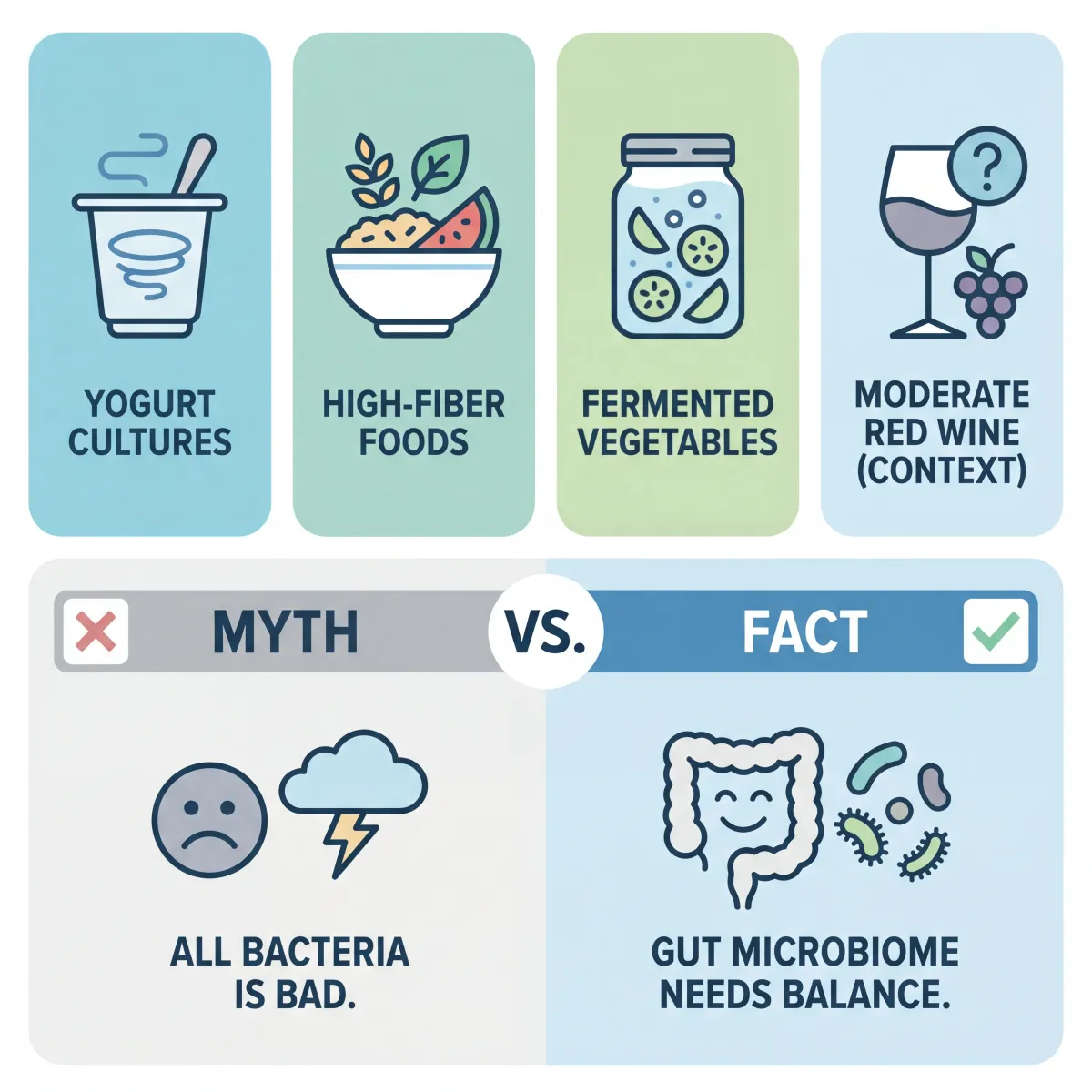
| Myth | Fact | Practical move |
|---|---|---|
| Any fermented product will fix gut symptoms quickly. | Response is individual and often gradual. | Introduce one change at a time and track tolerance for 2 to 4 weeks. |
| Red wine is required for a healthy microbiome. | No, many nonalcoholic foods provide similar polyphenol exposure. | Build your base with berries, legumes, vegetables, and whole grains first. |
| More probiotic foods is always better. | High volume can worsen symptoms in some people with active GI sensitivity. | Start with small portions and increase only if tolerated. |
| Flavored yogurt is the same as plain yogurt for gut goals. | Added sugar and low protein can reduce overall diet quality. | Use plain yogurt and add your own fruit and fiber. |
| If a food is "natural," it is automatically safe with medications. | Alcohol and certain fermented products can interact with medications or conditions. | Check with your clinician when you have liver disease, diabetes, or complex prescriptions. |
This table is intentionally simple. Most gut-health confusion disappears when you separate mechanism from marketing and ask one practical question: does this choice help me sustain a better weekly pattern without adding risk?
How to build a gut-friendly week without overdoing alcohol
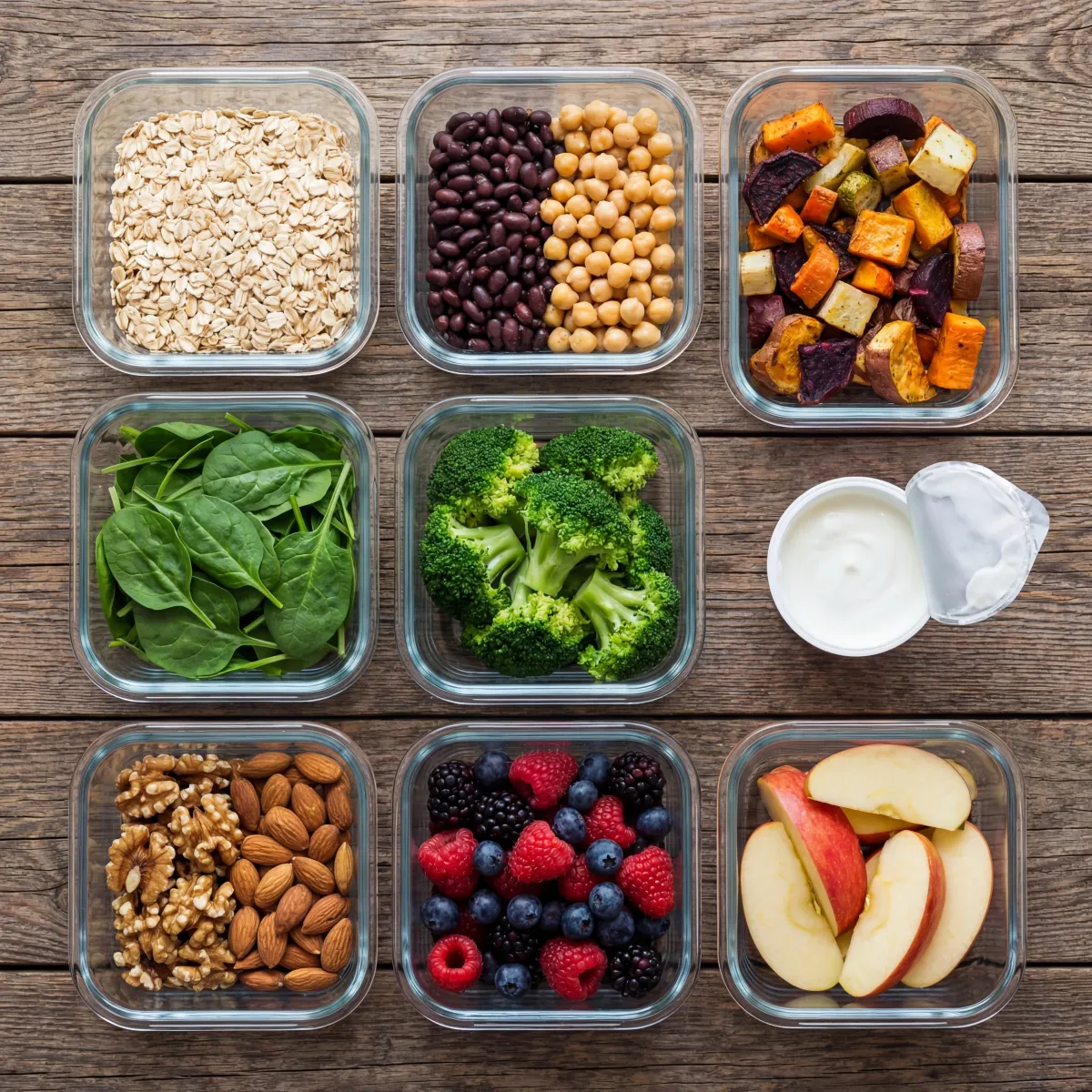
The easiest way to use everything in this guide is to stop thinking in single foods and start thinking in weekly structure. A gut-supportive week usually includes repeated exposure to fiber diversity, fermented foods you tolerate, and steady meal timing. Wine, if present at all, is a small optional piece.
For dietary pattern context, this aligns with broader anti-inflammatory eating approaches centered on plants, whole foods, and lower ultra-processed intake. If you want side-by-side pattern ideas, see our comparison of Mediterranean, DASH, and plant-based eating patterns.
| Day-to-day lever | Minimum target | Better target | Why it helps |
|---|---|---|---|
| Fiber diversity | 2 plant groups per meal | 3 to 4 plant groups per meal | Supports broader microbial substrate availability |
| Fermented foods | 3 servings per week | 1 serving daily if tolerated | Adds microbial and fermentation-derived compounds |
| Protein balance | Include protein at 2 meals | Include protein at all main meals | Improves satiety and glycemic stability |
| Alcohol exposure | Non-daily use | Minimal or none | Lower exposure reduces cumulative risk |
| Sleep rhythm | Consistent bedtime most nights | 7 to 9 hours with regular schedule | Supports gut-brain signaling and appetite regulation |
Here is a practical weekly pattern many readers find sustainable:
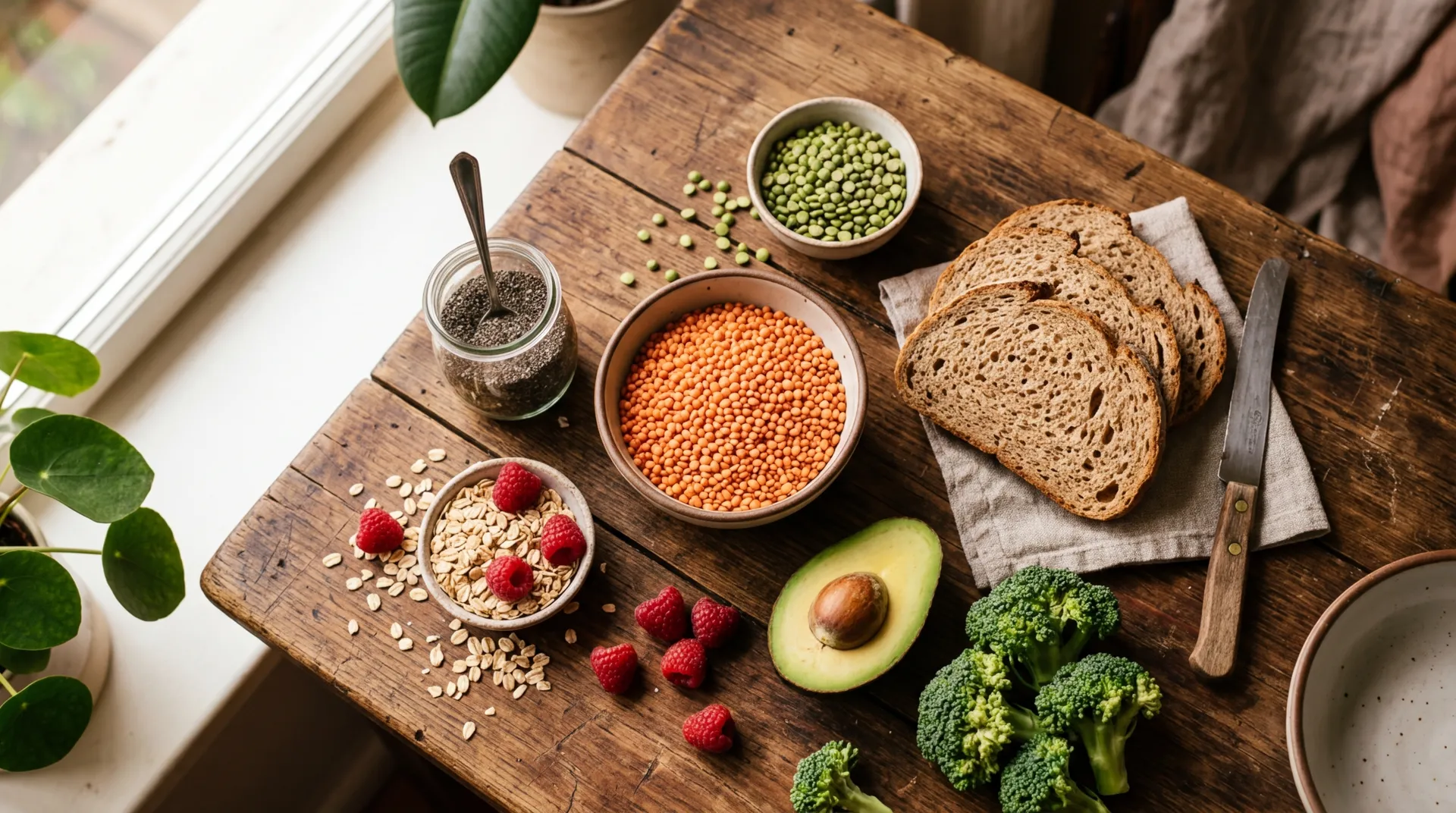
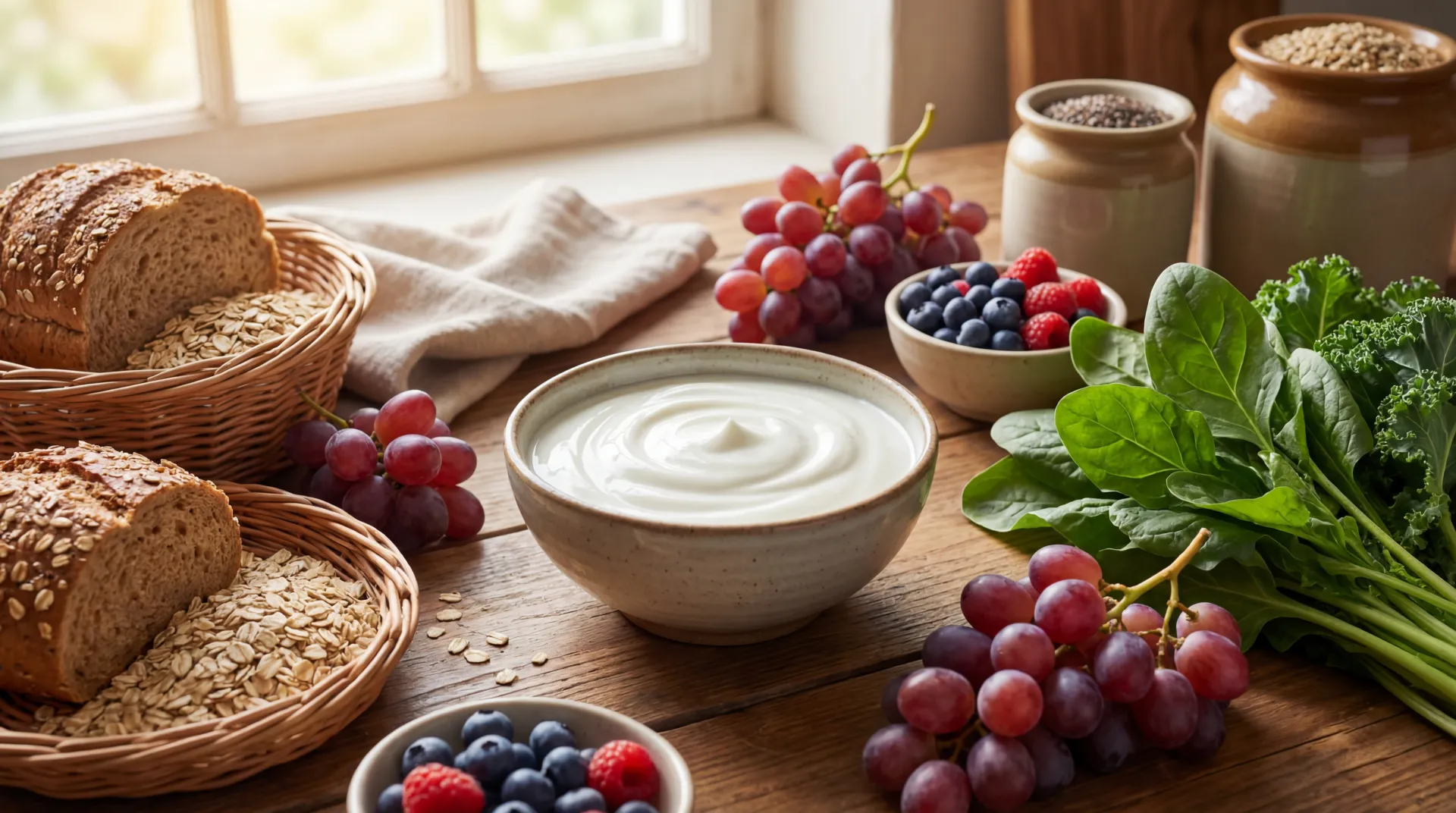
- Breakfast anchor: plain yogurt or cultured dairy alternative with berries, oats, and nuts.
- Lunch anchor: legumes plus vegetables plus whole grain.
- Dinner anchor: high-fiber plate first, fermented side second, optional wine only on selected occasions.
- Symptom tracking: note bloating, stool changes, and energy for two weeks before making major adjustments.
This approach avoids the trap of forcing one food to do the work of a whole lifestyle. It is less dramatic, but it is usually more effective.
Who should limit or skip wine even if gut health is the goal
There are clear situations where wine should not be used as part of a gut strategy. This includes pregnancy, history of alcohol use disorder, active liver disease, pancreatitis, medication interactions, and conditions where alcohol worsens symptom control. For these groups, any potential polyphenol upside is outweighed by known risk.
Even outside those groups, alcohol is not a neutral input. If your goal is gut recovery after antibiotic use, inflammatory GI symptoms, or metabolic instability, a nonalcoholic strategy is often cleaner and easier to monitor. You can still target polyphenol intake through berries, pomegranate, cocoa, and tea, while keeping fermented foods in place.
For readers managing recurrent digestive symptoms, it often helps to build from low-risk basics first: regular meals, hydration, fiber progression, and simple fermented foods. Only after that baseline is stable should you evaluate whether occasional wine is helping, neutral, or clearly worsening symptoms.
This conservative sequence is not fear-based. It is just good troubleshooting logic. Remove unnecessary noise, then test one variable at a time.
Frequently Asked Questions
Is red wine better than white wine for gut health?
Red wine is usually discussed more often because it generally contains higher polyphenol levels than white wine. That said, alcohol risk still applies, and the difference is not a reason to drink if you currently abstain.
How much yogurt should I eat for gut benefits?
Many people do well with one daily serving of plain yogurt or a similar cultured product, but tolerance and nutritional needs vary. Choose options with live cultures, keep added sugar low, and pair yogurt with fiber-rich foods for better overall effect.
Can I get similar benefits without any alcohol?
Yes. You can build a strong gut-supportive plan with fermented dairy or non-dairy cultured foods, diverse plant fibers, and polyphenol-rich foods like berries, grapes, tea, and cocoa. Alcohol is not required for microbiome support.
What if yogurt causes bloating?
Try smaller portions, lower-lactose options such as Greek yogurt, or lactose-free cultured products. If symptoms persist, review your broader trigger pattern and consider a structured approach like low-FODMAP guidance with clinician support when needed.
Related Articles
- Health Benefits of Probiotics: An Evidence-Based Ultimate Guide - A full deep dive into probiotic strains, mechanisms, and realistic use cases.
- Gut Health Personalization and Microbiome Testing Guide - Learn when microbiome testing is useful and how to avoid overpaying for low-value reports.
- Low-FODMAP Diet for IBS: A Practical Step-by-Step Guide - A structured plan for identifying digestive triggers while protecting food variety.
- Immune-Boosting Probiotic Foods - Practical food ideas to expand your fermented-food rotation beyond yogurt.
- Comparing Anti-Inflammatory Eating Patterns - Side-by-side guidance for choosing a sustainable pattern that supports gut and metabolic health.
Medical Disclaimer
This article is for informational and educational purposes only and is not medical advice, diagnosis, or treatment. Always consult a licensed physician or qualified healthcare professional regarding any medical concerns. Never ignore professional medical advice or delay seeking care because of something you read on this site. If you think you have a medical emergency, call 911 immediately.