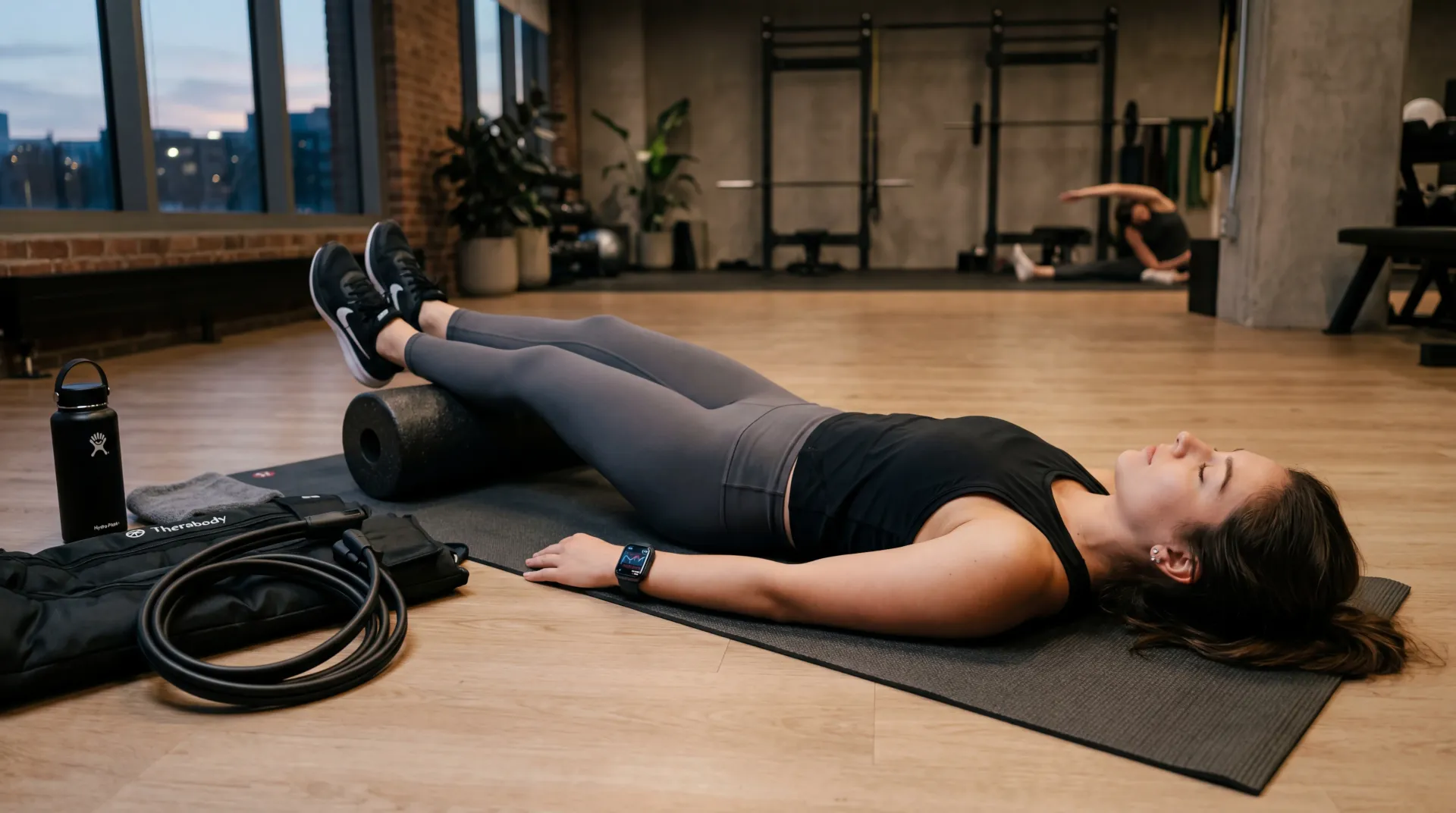
The ACSM Trend Report That Put Recovery on the Map
For two decades, the American College of Sports Medicine has surveyed fitness professionals to identify where the industry is headed. The 2026 edition polled 2,000 clinicians, researchers, and exercise professionals, and while wearable technology claimed the top spot for the fourth consecutive year, the real story sat deeper in the rankings. Data-Driven Technology landed at number eight, with the ACSM noting that more than 70% of wearable users now apply their device data to inform exercise or recovery strategies.
That statistic deserves a second look. Seven out of ten people wearing a fitness tracker are not just counting steps anymore. They are checking recovery scores, sleep quality, and heart rate variability before deciding whether to train hard or pull back. The shift from "how much can I do" to "how ready am I" represents a genuine change in how people think about fitness.
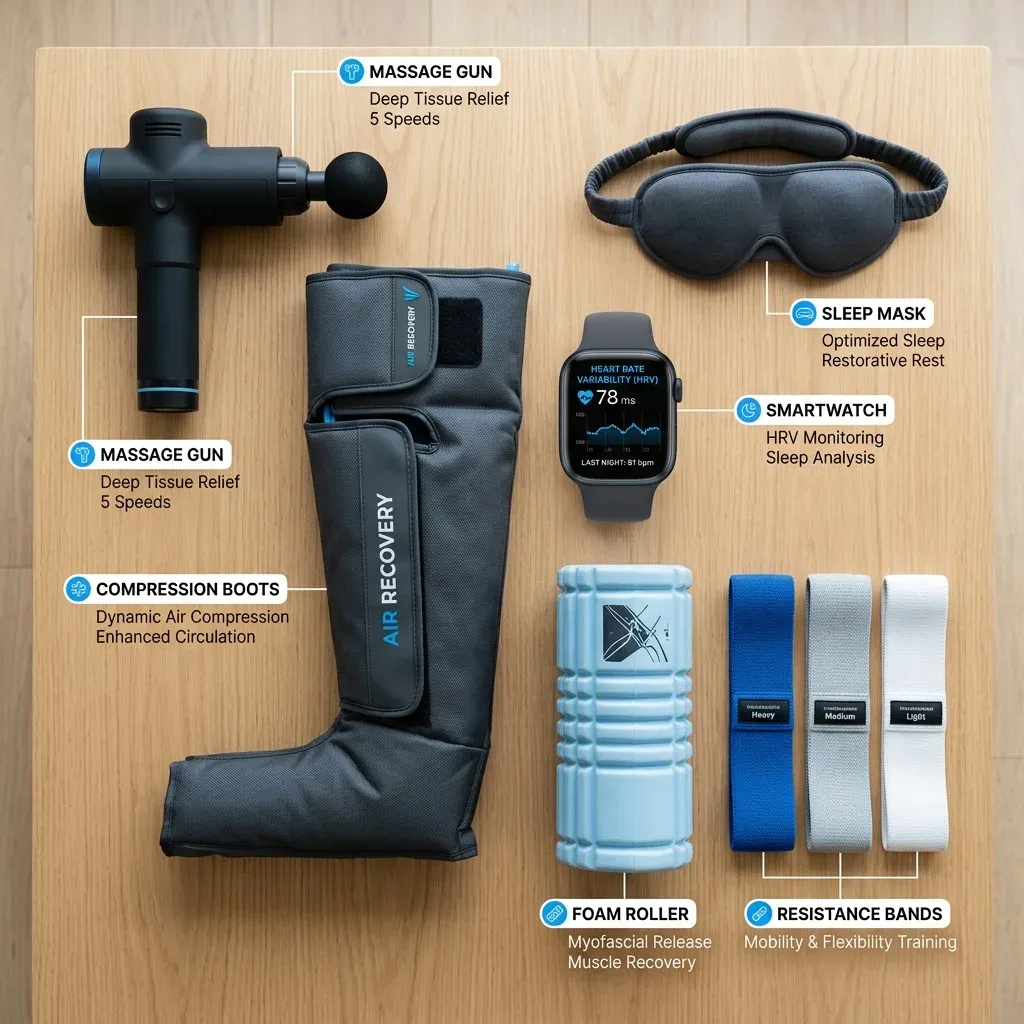
The fitness industry has noticed. As Forbes reported in April 2026, "most gyms, from the ultra-luxe to the bare-bones, have some sort of recovery offering." Planet Fitness launched recovery-focused campaigns timed to March Madness. Nike gave athletes at the Milan Cortina 2026 Winter Olympics a Hyperboot, a $799 shoe combining heat and dynamic air compression developed with recovery device leader Hyperice. Four Seasons, Westin, and Hilton hotels are stocking gyms with massage guns and compression sleeves. When hotel chains start competing on recovery amenities, a trend has crossed over from athletic niche to mainstream consumer demand.
The ACSM report also flagged something less obvious but more telling. 78% of exercisers now cite mental or emotional well-being as their top reason for working out, ahead of physical fitness or appearance goals. When people train primarily for how they feel rather than how they look, recovery becomes the mechanism that connects effort to outcome. You cannot feel rested, focused, and energized if you are chronically overtrained.
What makes the current moment different from past recovery fads is the evidence base behind it. The ACSM specifically cited research showing that athletes who used heart rate variability-guided training improved performance and reduced injury rates compared to those using fixed programming. Recovery is no longer advice that trainers give and clients ignore. It is becoming a measurable, data-driven component of training itself.
What Happens Inside Your Body During Recovery
When you finish a hard workout, the visible part is over. The invisible part, the part that actually makes you stronger, is just beginning. A 2024 narrative review published in the Journal of Human Kinetics by Colby Sousa and colleagues at Florida Atlantic University describes recovery as a two-stage process: first, reducing the fatigue your training session created, and second, adapting to the demands you imposed on your body. Skip either stage and you are training without collecting the payoff.
Think of it like cooking a stew. The workout is when you chop vegetables and throw everything in the pot. Recovery is the hours of slow simmering that actually produces the meal. Pull it off the stove too early and you get raw ingredients floating in warm water.
The physiology backs this up in specific, measurable ways. During intense exercise, your sympathetic nervous system is running the show, flooding your body with stress hormones, directing blood to working muscles, and suppressing non-essential functions like digestion and tissue repair. When you stop exercising, your parasympathetic nervous system takes over. As a 2025 Frontiers in Sports and Active Living editorial explains, this parasympathetic reactivation, driven primarily by the vagus nerve, is what enables the body to shift from breakdown mode to rebuild mode.
The Sousa et al. review found that inadequate recovery leads to temporary reductions in force production, decreased performance, and an increased risk of injury. The review analyzed 24 studies and identified several factors that influence how long recovery takes. Training to failure lengthens recovery periods. Higher training volumes compound that effect. Lower-body, multi-joint movements like squats and deadlifts require longer recovery windows than isolation exercises because they recruit more muscle mass and generate greater systemic fatigue.
The mechanisms behind active recovery include reductions in muscle edema, enhanced muscle fiber regeneration, and a decreased inflammatory response from high-demand exercise sessions.
One finding from the review that challenges common gym wisdom: active recovery, defined as light exercise performed between demanding sessions, proved more effective than complete rest. Training opposing muscle groups on consecutive days, performing light aerobic work, or doing low-volume power-type sessions all enhanced recovery compared to doing nothing. The researchers noted that these approaches improved microvascular blood flow and created a more favorable hormonal environment for adaptation. Your rest day does not need to mean the couch. But it does need to mean something deliberately easier than your training days.
HRV-Guided Training: Letting Your Nervous System Call the Shots
Heart rate variability measures the time variation between consecutive heartbeats. Counter to what the name suggests, more variation is generally better. High HRV indicates your parasympathetic nervous system (the recovery branch) is active and your body is managing stress well. Low HRV suggests your sympathetic nervous system is dominant, meaning your body is still dealing with accumulated stress, whether from training, poor sleep, work pressure, or illness.
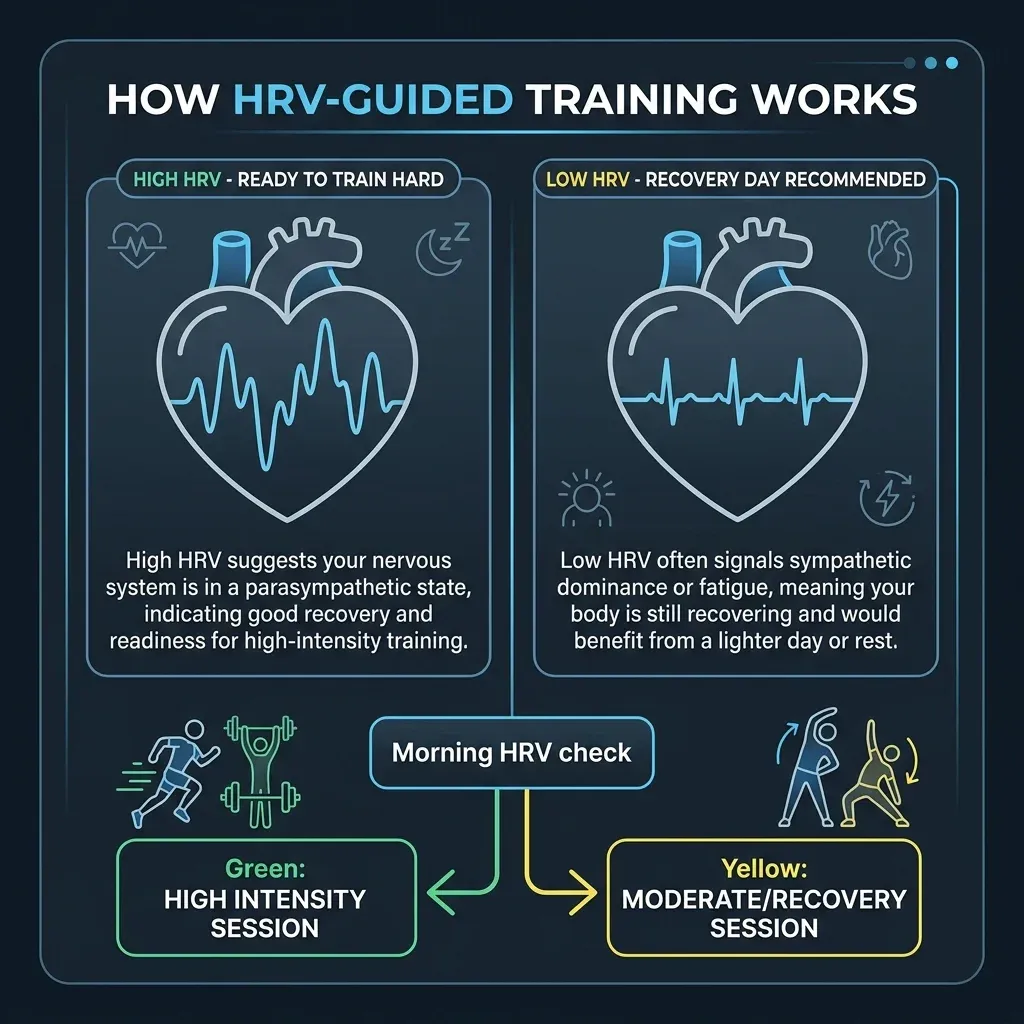
The practical application is straightforward: measure your HRV each morning, and let the reading guide your training intensity for the day. A 2025 study published in Nature Scientific Reports tested this approach with 28 experienced male cyclists over 40 days. The researchers divided participants into three groups: one guided only by HRV, a second guided by HRV plus subjective well-being scores (fatigue, stress, soreness, sleep quality), and a third using HRV, well-being scores, and resting heart rate together.
All three groups improved. But the third group, the one using the most comprehensive monitoring, showed the largest gains. Their 5-minute power output increased from 310.5 to 337.9 watts, roughly a 9% improvement. Their 20-minute power climbed from 260.9 to 284.5 watts, also around 9%. In competitive cycling, those margins separate middle-of-the-pack from podium contenders.
The protocol worked because high-intensity sessions were only performed when both HRV and well-being scores were at or above baseline. When either metric dipped, the athletes switched to low-intensity or rest days. The study's lead author noted that increases in HRV can indicate both optimal training adaptations and the onset of fatigue or overreaching, which is why adding subjective measures helps distinguish between the two.
Earlier research supports the broader principle. As the Nature study noted, Kiviniemi and colleagues found that HRV-guided training significantly improved maximal running velocity in endurance runners. A 2025 Frontiers editorial reviewing the field concluded that reduced resting RMSSD, the most commonly used HRV metric, is consistently associated with fatigue, overtraining, and reduced performance.
There is a catch, though. The Frontiers editorial also cautioned that HRV as a recovery index "challenges the notion that more increase is better without context." A very high HRV reading in someone who usually runs moderate can sometimes signal the early stages of overreaching, not optimal readiness. This is why the cycling study found that combining HRV with subjective self-assessment produced the best results. The numbers need a human to interpret them. For most recreational exercisers, a consumer-grade wrist sensor paired with an app like HRV4Training or the WHOOP platform provides a practical starting point, even if the readings are less precise than lab-grade equipment.
Sleep as a Performance Tool, Not a Luxury
Dr. Kenneth Vitale and colleagues at UC San Diego put it bluntly in their 2019 review in the International Journal of Sports Physiology and Performance: sleep is "arguably the single most important factor in exercise recovery." They framed health as resting on three pillars, diet, exercise, and sleep, arguing that neglecting any one undermines the other two.
The numbers behind that claim are striking. A 2021 study led by Dr. Severine Lamon at Deakin University found that a single night of total sleep deprivation reduced muscle protein synthesis by 18% in 13 healthy young adults. The same night of missed sleep increased plasma cortisol by 21% and decreased plasma testosterone by 24%. One night. Not a week of bad sleep. Not chronic insomnia. One night of zero sleep was enough to shift the body into a catabolic state where it breaks down tissue faster than it builds it.
The Lamon study was the first to demonstrate that acute sleep deprivation blunts muscle protein synthesis directly. The mechanism they identified, anabolic resistance, means that even when you eat protein after a bad night of sleep, your muscles respond less effectively to it. You can have the perfect post-workout meal and still lose the recovery benefit if you slept poorly.
Performance suffers across the board. The Vitale review cataloged the damage: a 1994 study by Reilly and Piercy found that three hours of sleep per night over three nights significantly decreased submaximal lifts in bench press, leg press, and deadlift. Research on male team-sport athletes showed that 30 hours of sleep deprivation decreased sprint times, reduced muscle glycogen, and lowered peak force. Even decision-making and reaction time erode, which matters in any sport where reading a situation quickly determines the outcome.
The good news is that the same sensitivity works in reverse. Sleep extension, getting more sleep than your habitual amount, produces measurable performance gains. A 2023 systematic review in Sports Medicine - Open analyzed 25 intervention studies and found that extending sleep duration was the single most effective sleep intervention for improving both physical and cognitive performance. The researchers recommended that athletes habitually sleeping around 7 hours extend by 46 to 113 minutes per night. They also found that daytime naps of 20 to 90 minutes can restore performance decrements to baseline levels after a rough night.
| Sleep Condition | Effect on Performance | Source |
|---|---|---|
| One night total deprivation | Muscle protein synthesis -18%, cortisol +21%, testosterone -24% | Lamon et al. 2021 |
| 3h/night for 3 nights | Significant decrease in submaximal lifts (bench, squat, deadlift) | Reilly & Piercy 1994 |
| 30h deprivation | Decreased sprint times, muscle glycogen, peak force | Skein et al. 2011 |
| Sleep extension (+46-113 min) | Improved physical and cognitive performance | Sports Medicine - Open 2023 |
| 20-90 min nap | Restores performance after partial sleep restriction | Sports Medicine - Open 2023 |
There is a disconnect between what athletes know they need and what they actually get. The same systematic review found that elite athletes report needing approximately 8 hours of sleep per night to feel rested, but often sleep less than 7 hours due to early morning training, travel, competition schedules, and the cognitive arousal that comes before events. For non-elite exercisers, the gap is probably similar but driven by work schedules, screens, and the stubborn cultural belief that sleeping less signals discipline rather than impaired recovery.
Percussive Therapy, Compression, and the Recovery Tech Arms Race
The first commercial massage gun hit the market in 2008. By 2026, Hyperice released the Hypervolt 3 Pro at $349 with six percussion levels, and a $160,000 Ammortal recovery chamber combining red light, near-infrared, electromagnetic, and vibroacoustic therapy was showing up at US Open tennis tournaments. The recovery tech market spans three orders of magnitude in price, which raises an obvious question: what does the evidence actually support?
A 2023 systematic review by Lorna Sams and colleagues at The Open University analyzed 13 studies on percussive therapy delivered by massage guns. They found a significant relationship between a single application of percussive therapy and acute increases in muscle strength, explosive muscle strength, and flexibility. Multiple treatments reduced delayed-onset muscle soreness, with the strongest pain-reduction effect appearing at the 48-hour mark.
But timing matters enormously. A 2024 study by Alana Leabeater and colleagues tested 65 active young adults and found that applying a massage gun for five minutes immediately after strenuous calf exercise produced no significant improvement in any physical or perceptual measure. The massage gun group actually reported a small increase in perceived muscle soreness at the immediate and four-hour marks compared to the control group. The researchers recommended caution when using massage guns right after intense exercise.
| Recovery Tool | Evidence Strength | Best Use Case | Limitations |
|---|---|---|---|
| Massage guns | Moderate (13-study review) | Pre-workout warm-up, between sessions (not immediately post-exercise) | No consistent dosage protocol; may increase soreness if used right after training |
| Compression boots | Modest (17-study meta-analysis) | Post-exercise soreness reduction, especially at 48h | No clear advantage over active recovery or rest; possible placebo effect |
| Foam rolling | Moderate | DOMS reduction, flexibility maintenance | Benefits comparable to static stretching |
| Red light therapy | Promising (672-participant analysis) | Pre-exercise application for soreness prevention | Less portable, more expensive, fewer studies |
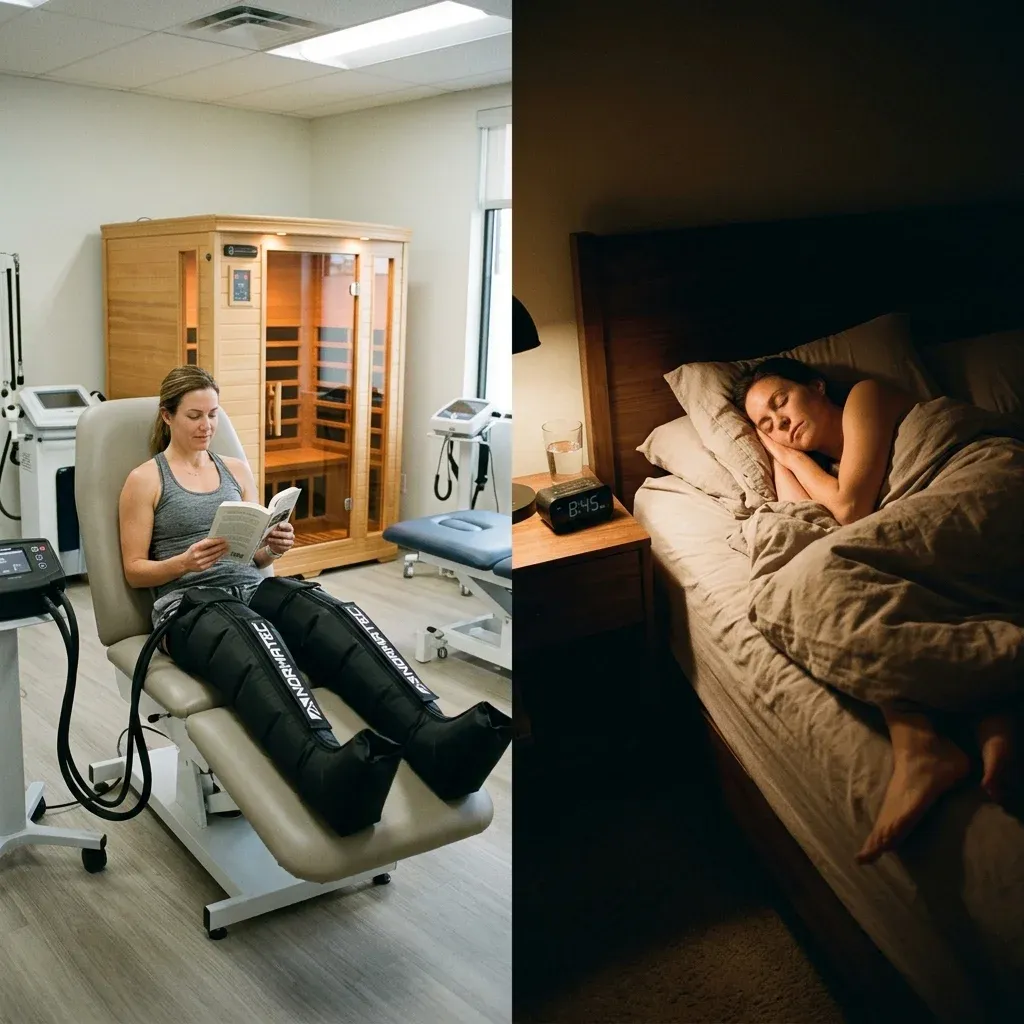
Compression boots tell a similar story of modest benefits. A synthesis of three recent research reviews including a 2024 meta-analysis of 17 studies involving 319 athletes found that compression boots provided a small but significant reduction in muscle soreness at 48 hours, but did not reliably improve muscle function or reduce markers of muscle damage. When compared directly to active recovery, massage, stretching, or even plain rest, compression boots showed no clear advantage.
A 2025 analysis of 672 participants comparing three high-tech recovery methods found that red light therapy outperformed both compression boots and neuromuscular electrical stimulation, particularly when applied before exercise. The compression boots reviews also noted that perceived benefits were consistently stronger than changes in objective markers, suggesting a significant placebo component. Few studies included proper placebo controls.
None of this means these tools are worthless. If spending 20 minutes in compression boots after a run makes you feel recovered and motivates you to train consistently, that psychological benefit is real and performance-relevant. But spending $1,500 on Normatec sleeves while sleeping six hours a night is optimizing the wrong variable. As physiotherapist Maryke Louw summarized in her evidence review: "the most effective post-exercise recovery still relies on the basics: sleep, nutrition, and appropriate training loads."
Building a Structured Rest Protocol That Actually Works
Knowing that recovery matters is one thing. Programming it with the same intentionality you bring to your training is another. The research points to a framework built on three tiers: daily recovery habits, weekly rest architecture, and periodic deload phases.
Start with what happens between sessions on training days. Research from the National Academy of Sports Medicine identifies three windows for active recovery: between exercise sets (light movement rather than sitting on your phone), immediately after a session (6 to 10 minutes of low-intensity cardio), and on dedicated recovery days. A study from the High Altitude Exercise Physiology Program at Western State Colorado University found that active recovery increased the length of time athletes could perform without reporting fatigue and helped sustain power output compared to passive recovery.
For weekly structure, the resistance training recovery review by Sousa et al. offers concrete guidance. Their analysis found that exercises targeting the lower body, involving multiple joints, emphasizing eccentric contractions, or working muscles at longer lengths require 48 to 72 hours of recovery, while upper-body isolation work may only need 24 to 48 hours. The practical implication: do not schedule heavy squats on Monday and heavy deadlifts on Tuesday.
| Exercise Type | Recovery Window | Programming Implication |
|---|---|---|
| Lower body compound (squats, deadlifts) | 48-72 hours | Minimum 2 days between heavy lower sessions |
| Upper body compound (bench, rows) | 48 hours | Can train with one day between sessions |
| Isolation exercises | 24-48 hours | Can train more frequently at moderate loads |
| Training to failure | Extended (variable) | Reserve for strategic phases; avoid combining with high volume |
The review also found that daily undulating periodization, where you alternate between heavy, moderate, and light sessions throughout the week, may maximize performance on priority days while maintaining productive easy days. The key insight is that your lighter days are not wasted days. They serve as active recovery that prepares your body for the next hard effort. After a demanding hypertrophy session, scheduling a low-volume power-type session the following day improved subsequent performance compared to full rest.
For those using recovery technology, the evidence suggests keeping expectations grounded. If you use a massage gun, the research supports using it before workouts or between training days rather than immediately after intense exercise. If you own compression boots, sessions of 20 to 30 minutes at 60 to 100 mmHg align with what studies have tested. Foam rolling remains a simple and effective option for reducing DOMS, with research confirming its ability to reduce soreness onset.
After intense training blocks, the evidence supports brief deload periods. Raeder et al. found that three days of training cessation was sufficient to return most performance metrics to baseline after a six-day intensive strength training block. This does not mean you need three days off every week, but it does mean that programming a lighter week every four to six weeks is not weakness. It is the mechanism through which your body converts accumulated training stress into actual fitness gains.
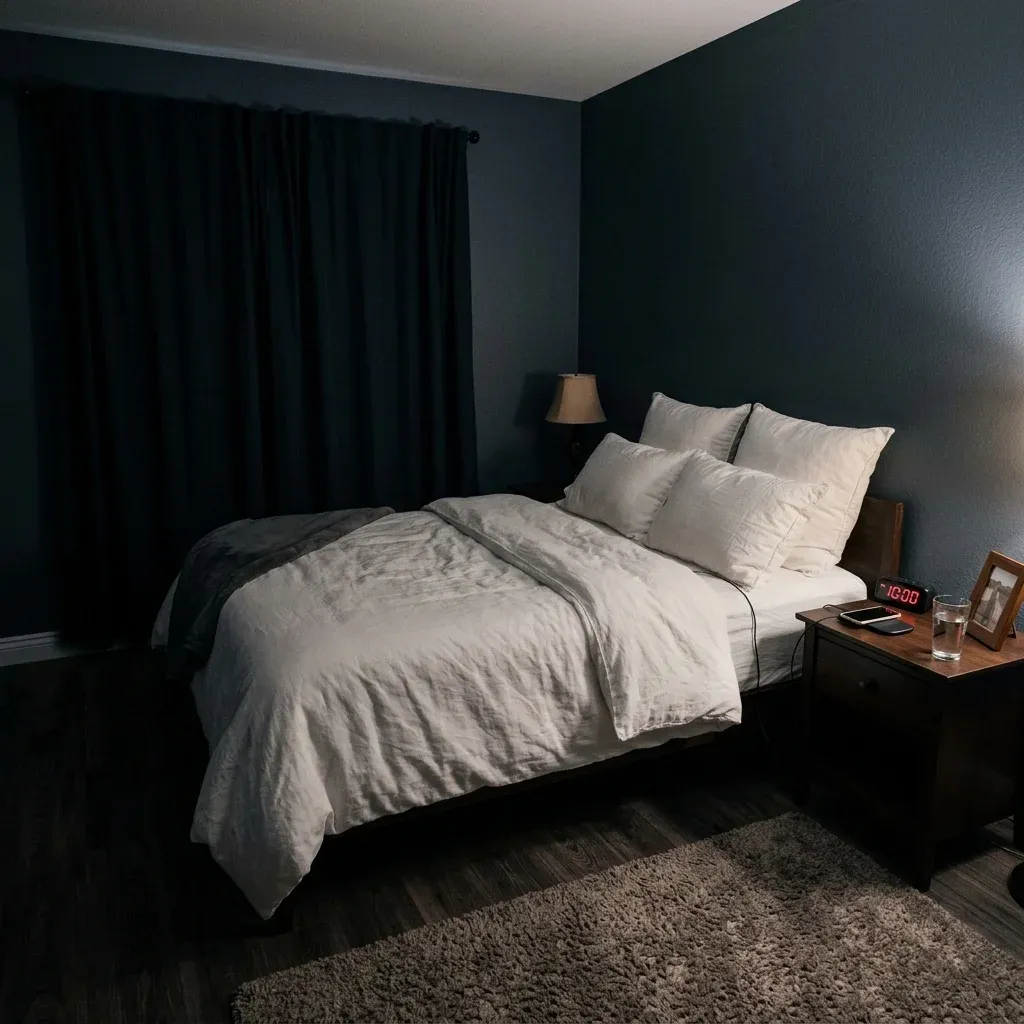
The biggest recovery intervention, though, remains the one that costs nothing and requires only discipline: sleep. Prioritize 7 to 9 hours per night, with the understanding that extending sleep by even 46 minutes per night produces measurable performance improvements in athletes. If that means putting your phone in another room at 9:30 PM, you have identified the single highest-leverage change available to you.
Frequently Asked Questions
How many rest days per week do I actually need?
The answer depends on your training intensity and what counts as "rest." For most people training 4 to 5 days per week with moderate to high intensity, 2 to 3 recovery days is a reasonable starting point. But recovery days do not have to mean complete inactivity. Light walking, mobility work, yoga, or easy cycling all qualify as active recovery and can actually speed up the recovery process compared to doing nothing. The key variable is the recovery window for specific muscle groups: lower-body compound exercises need 48 to 72 hours before you hit them hard again.
Is a massage gun worth buying for recovery?
The evidence is mixed but leans positive for specific uses. Systematic reviews show that percussive therapy can improve acute flexibility and reduce delayed-onset muscle soreness, particularly when used between training sessions rather than immediately after intense exercise. Using a massage gun right after a hard workout may actually increase perceived soreness in the short term. If you already sleep well and eat adequately, a massage gun in the $100 to $350 range is a reasonable addition. If your sleep is under 7 hours most nights, fix that first.
Can HRV tracking help recreational exercisers, or is it only for athletes?
Consumer wrist sensors are less precise than lab-grade equipment, but they are accurate enough to track trends over time. The value is not in any single morning reading but in observing your personal baseline and noticing when readings drop consistently. A sustained dip in HRV paired with feeling run-down is a reliable signal to take an easy day. You do not need to be an elite cyclist to benefit from that information. The research suggests that combining HRV data with subjective self-assessment (how did you sleep, how sore are you, how stressed do you feel) produces better training decisions than either metric alone.
Does sleeping more actually make you stronger?
Not directly, but it removes a significant barrier to getting stronger. A single night of total sleep deprivation reduces muscle protein synthesis by 18% and shifts your hormonal profile toward tissue breakdown rather than tissue building. Sleep extension has been shown to improve reaction times, sprint speeds, and sport-specific accuracy in multiple studies. The practical floor is 7 hours per night, with research suggesting that athletes benefit from 8 or more. If you are training hard and sleeping 6 hours, you are likely leaving measurable gains on the table.
Medical Disclaimer
This article is for informational and educational purposes only and is not medical advice, diagnosis, or treatment. Always consult a licensed physician or qualified healthcare professional regarding any medical concerns. Never ignore professional medical advice or delay seeking care because of something you read on this site. If you think you have a medical emergency, call 911 immediately.