A TikTok workout that actually has science behind it now
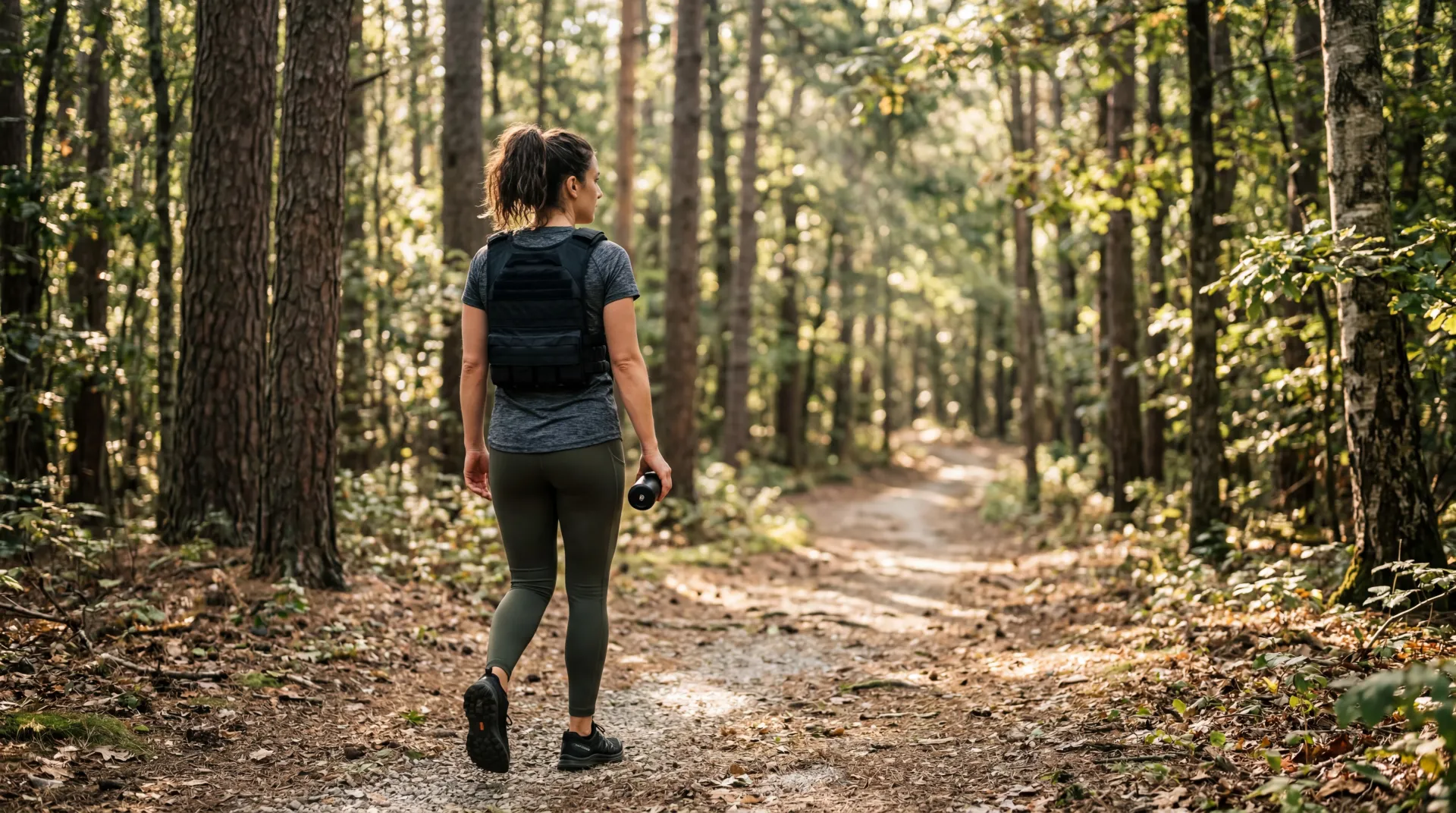
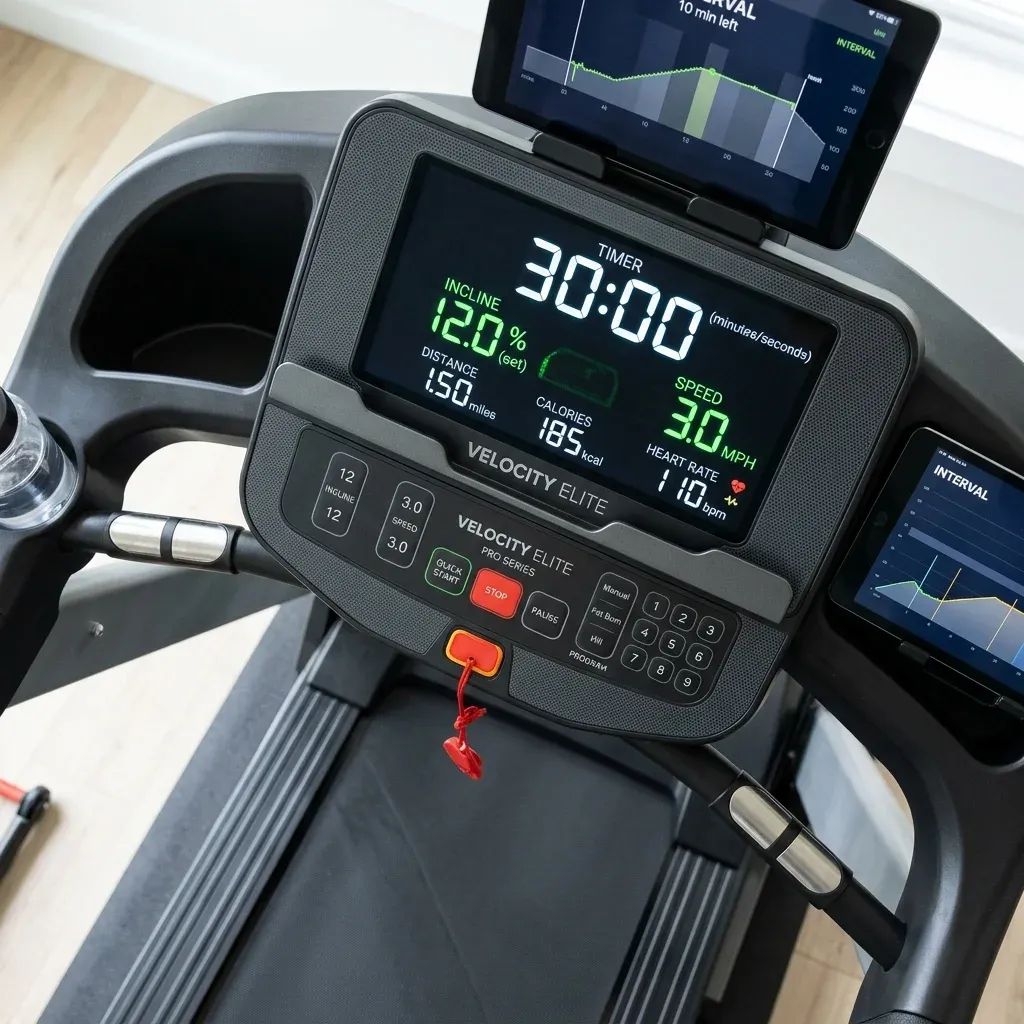
Three numbers. One treadmill. Set the incline to 12%, the speed to 3 miles per hour, walk for 30 minutes. That's the entire 12-3-30 workout, and its stripped-down simplicity is exactly why it spread across social media faster than most fitness trends ever do.
Health and beauty influencer Lauren Giraldo posted the routine on YouTube in November 2019, then reshared it on TikTok a year later. She claimed the workout helped her lose 30 pounds without dieting or calorie counting. The numbers she picked weren't based on exercise science. Twelve was the highest incline her gym's treadmill offered. Three miles per hour felt like a comfortable walking pace. And her grandmother always told her to exercise at least 30 minutes each day.
What started as one woman's gym routine became one of the most-watched fitness posts on the internet. The original videos racked up over 1.6 million YouTube views and 14 million on TikTok, spawning countless before-and-after testimonials. Giraldo herself admitted she couldn't make it through the full 30 minutes at first, stopping to rest after 10 or 15 minutes before building up her endurance.
For years, the workout existed in a strange limbo: wildly popular, anecdotally effective, and completely unstudied. That changed in 2025, when two separate research teams finally put 12-3-30 under laboratory conditions. Neither side of the debate got it entirely right.
Your muscles and metabolism respond to that 12% grade differently than you'd expect
Walking on a flat treadmill and walking at 12% incline are not variations of the same exercise. They are metabolically different activities. Think of it this way: flat walking is coasting downhill on a bicycle. Incline walking is pedaling uphill. Same motion, completely different demands on the engine.
The numbers bear this out. Research by Silder, Besier, and Delp found that walking at a 10% grade (close to the 12% used in 12-3-30) has a 113% greater metabolic cost than flat walking at a similar speed. That's not a modest bump. Your body burns more than double the energy to cover the same distance when it's fighting gravity on every step.
The calorie escalation follows a surprisingly steep curve. Each 1% increase in treadmill incline burns roughly 12% more calories than walking the same distance on flat ground. At 5%, calorie burn jumps by about 52%. By the time you reach 10%, you're burning approximately twice the calories of flat walking.
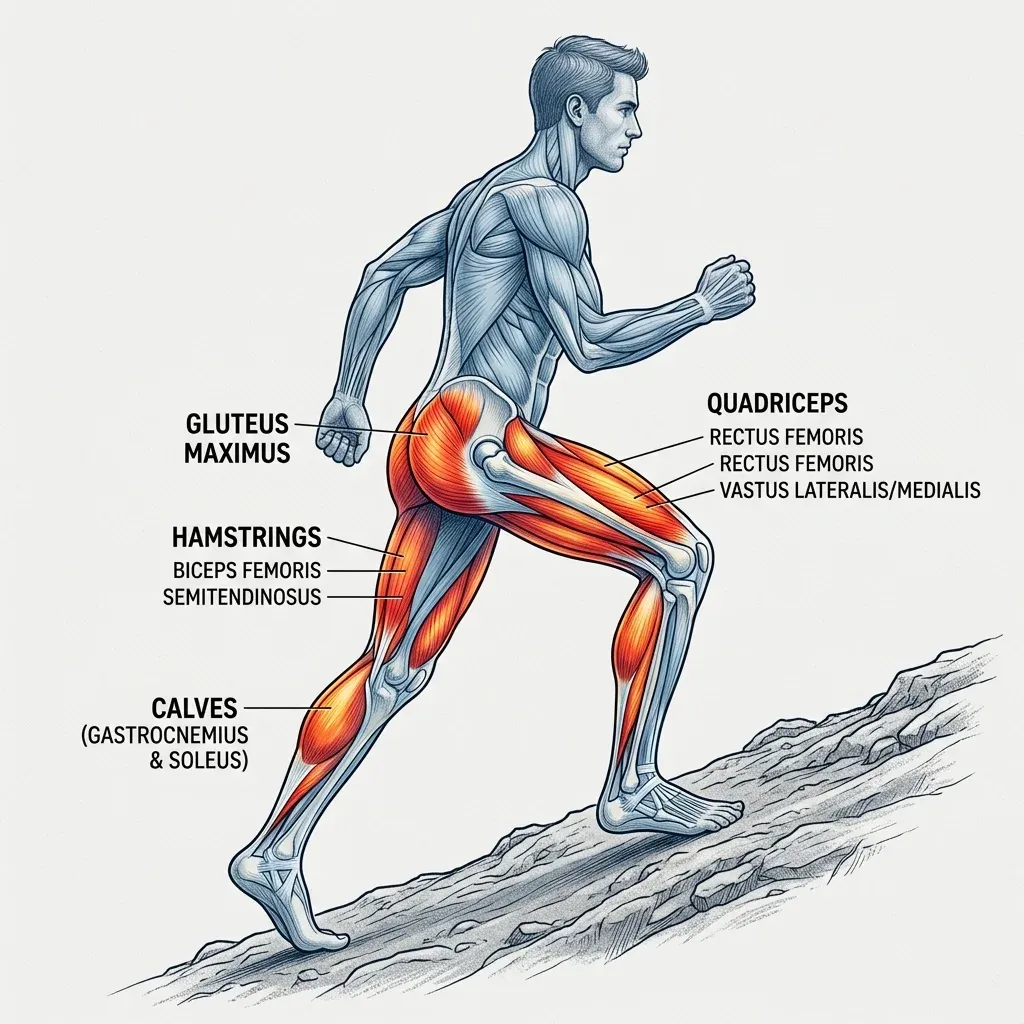
The muscle recruitment pattern shifts too. Franz and Kram's research found significantly greater activation in lower-limb extensor muscles during incline walking compared to flat. Your glutes, quadriceps, hamstrings, and calf muscles all work harder, along with your hip, knee, and ankle extensors. Stephanie Mansour, a TODAY fitness contributor, explains that this increased engagement is what makes incline walking "a more intense workout for your glutes, hamstrings and quads, while also increasing your heart rate."
That heart rate increase matters practically. Walking on an incline between 2-7% can push your heart rate up to 10% higher than flat walking. At 12%, the cardiovascular demand is high enough that the ACE-funded study classified it as moderate-intensity exercise. If you dislike running but still want a workout that taxes your heart and lungs, the difference between flat and incline walking is worth paying attention to.
Two studies, two different angles, one consistent finding
Until 2025, the fitness world was arguing about 12-3-30 with exactly zero peer-reviewed evidence. Two studies changed that.
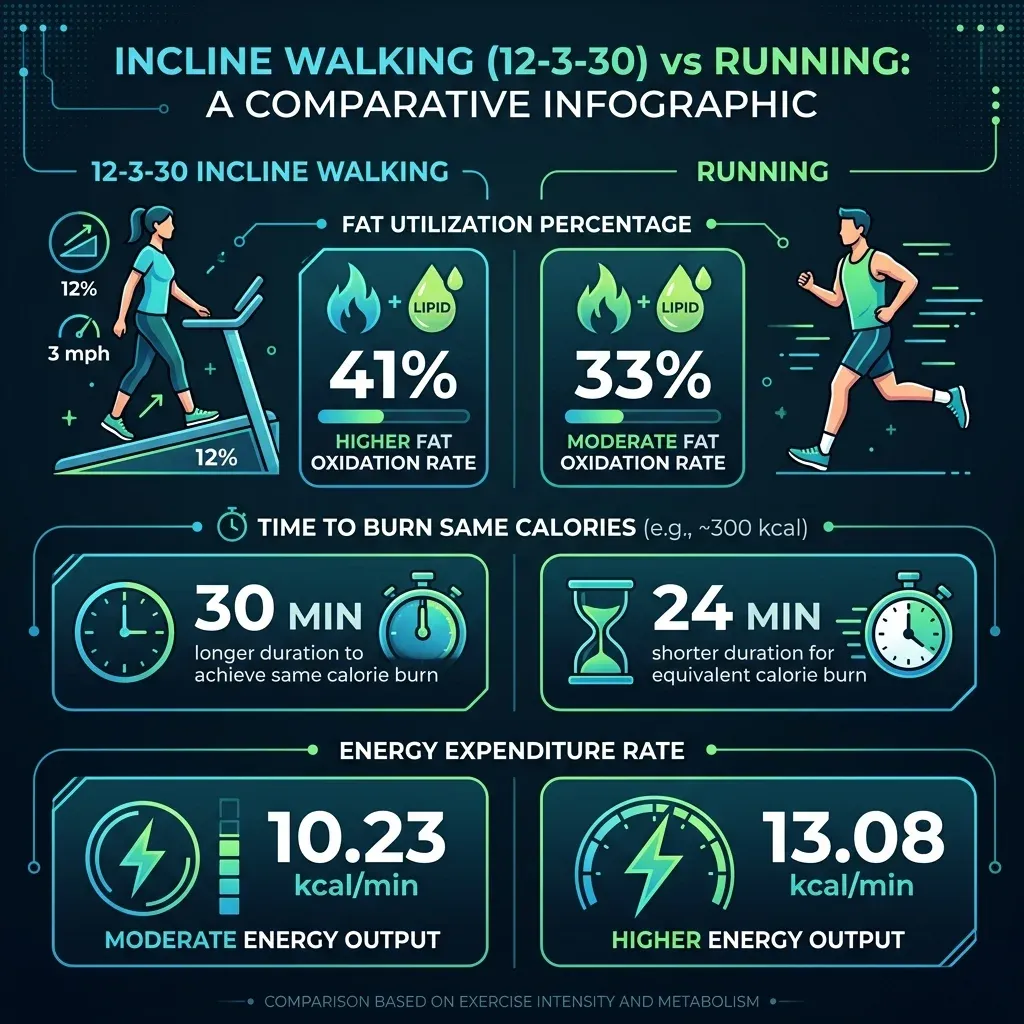
The first came from Michael Wong and colleagues at the University of Nevada, Las Vegas. Published in the International Journal of Exercise Science, their study recruited 16 participants and had each person complete both a 12-3-30 session and a self-paced treadmill run, with total calorie burn matched between the two. The question wasn't which burns more calories overall. It was: given the same energy expenditure, what does each workout do differently?
The headline finding: 12-3-30 burned a higher percentage of its calories from fat, about 41% versus 33% for running. That 7.48 percentage-point difference means your body draws more heavily on fat stores during incline walking than during a run of equivalent calorie cost. The trade-off was time. Running burned the same number of calories (approximately 308 kcal) in about 24 minutes. The 12-3-30 took the full 30. The energy expenditure rate told the same story: 10.23 kcal/min for 12-3-30 versus 13.08 kcal/min for running.
The second study, funded by the American Council on Exercise and conducted by Dr. Lance Dalleck's team at Western Colorado University, took a different approach. Rather than comparing 12-3-30 to running, they measured what the workout does on its own. Their 17 participants averaged 220.8 calories burned per 30-minute session, with a range of 5.1 to 10.7 kcal per minute depending on the individual.
For context, a 150-pound person walking on a flat surface for 30 minutes burns roughly 125 calories. The 12-3-30 nearly doubles that, which aligns with the metabolic cost data showing incline walking at steep grades demands twice the energy of flat walking. The ACE study also confirmed that this calorie expenditure sits within the 150-400 kcal/day range recommended for chronic disease prevention.
A word of caution on the fat-burning data. Drawing more energy from fat during a single workout doesn't automatically mean you lose more body fat over time. Your body constantly stores and burns fat throughout the day, and total calorie balance still determines whether you gain or lose weight. The UNLV researchers themselves noted that "increasing energy expenditure in support of achieving negative energy balance is the main determinant for weight loss". Higher fat utilization during exercise is a metabolic observation, not a weight-loss guarantee.
The real payoff might not be measured on a scale
Weight loss dominates the conversation around 12-3-30, but the cardiovascular data from the ACE study tells a more compelling story about long-term health.
During the workout, participants averaged a heart rate of 124.2 beats per minute, representing 47.4% of heart-rate reserve and 44.0% of oxygen uptake reserve. That places 12-3-30 squarely in the moderate-intensity zone, which is exactly where exercise guidelines say most health benefits accumulate. The average metabolic output hit 5.5 METs. For comparison, brisk flat walking registers around 3.5 METs. Jogging starts at about 7.
Dr. Lance Dalleck summarized the clinical relevance: "If done repeatedly, this workout will improve and maintain cardiorespiratory fitness, which we know is so important to overall health and longevity and the prevention of many chronic diseases."
Broader research on uphill walking supports benefits that go well beyond the heart. A study by Dr. Marc Philippe and colleagues at the University of Innsbruck put pre-diabetic men through nine sessions of uphill walking at a 10.2% grade (almost identical to the 12-3-30 incline) over three weeks. The results were striking: glucose tolerance improved significantly (oral glucose tolerance test area-under-curve dropped by 43.25 mg/dl, p=0.05, with a large effect size of 0.81). Triglycerides fell by 48.75 mg/dl (p=0.036), HDL cholesterol (the protective kind) increased by 7.86 mg/dl, and the total cholesterol-to-HDL ratio improved. These are the metabolic markers that cardiologists actually track to gauge cardiovascular disease risk.
The CDC notes that walking in general can lower the risk of heart disease, stroke, and type 2 diabetes. Incline walking appears to amplify those effects by demanding more from the cardiovascular system at every step, without the joint impact that comes with running. Separate research has found that incline and decline walking can help prevent bone loss, which is particularly relevant for post-menopausal women and anyone at elevated risk for osteoporosis.
12% is steeper than most people realize
Most people have no frame of reference for what 12% actually feels like underfoot. Consider that riding lawnmowers aren't typically recommended for 15% slopes. You're walking at a grade just three percentage points below that limit, for half an hour, every session.
Dr. Dennis Cardone, chief of primary care sports medicine at NYU Langone Health, has seen what happens when people underestimate treadmill inclines. "The problem is people don't think that walking is a stressor," he told Today.com. Walking at 12% can stress the lower back, hamstrings, Achilles tendon, knees, and plantar fascia. "These are the areas where we see some significant injury related to inclining a treadmill," he said.
Certified trainer Chris Higgins flags a less obvious risk. Walking at a steep incline "rapidly shortens the chest and pectoral muscles while lengthening the upper back and scapular muscles," he explains, which can worsen posture and breathing mechanics, particularly for anyone already struggling with either. Maintaining proper form (shoulders back, core engaged, no hunching) at 12% requires deliberate attention.
Who should avoid 12-3-30 or start with significant modifications: People who are new to exercise and haven't built a base of flat walking, anyone with active knee or lower back problems, individuals with Achilles tendon issues or plantar fasciitis, and those who are significantly overweight and haven't been cleared for moderate-intensity exercise.
Danny King, a master trainer at Life Time, adds that the biggest practical risk is simply starting too aggressively. "For some people, 12-3-30 is a good recommendation, but for others it's way too intense. Starting with that much incline if you aren't ready for it could put a ton of stress on the calves and low back."
Certified trainer Morgan Rees puts it more bluntly: "Most people cannot just jump on the treadmill and maintain 3 miles per hour for 30 minutes at a 12 percent incline." The viral format of the workout, where the full protocol is the only version people see, hides the fact that progressive buildup is not optional.
The smart way to add incline walking to your week
Every expert consulted across the research agreed on one point: do not attempt the full 12-3-30 protocol on day one. The workout should be treated as a goal you progress toward, not a starting line.
Exercise physiologist Katie Lawton at the Cleveland Clinic suggests beginning with flat walking for 30 minutes to establish a baseline, then gradually adding incline. "Maybe start by walking at a flat incline for 30 minutes to see if that's obtainable. Or put the incline at 5% to see how you do," she advises. Dr. Cardone recommends a more structured approach: increase in 4-degree intervals over three weeks to reach the full 12%.
| Week | Incline | Speed | Duration | Frequency |
|---|---|---|---|---|
| 1-2 | 4% | 2.5-3.0 mph | 20-25 min | 2-3x/week |
| 3-4 | 6-8% | 3.0 mph | 25-30 min | 3x/week |
| 5-6 | 10% | 3.0 mph | 30 min | 3-4x/week |
| 7+ | 12% | 3.0 mph | 30 min | 3-5x/week |
Frequency matters as much as intensity. Trainer Cat Kom suggests starting with one or two sessions per week, not on consecutive days, then building to four or five weekly. Dr. Cardone is more cautious: "Almost whatever the routine is, there should be a recovery day or at least alternating with some other activity in order to try to avoid overuse injuries."
The math works out neatly for hitting exercise guidelines. The U.S. Department of Health and Human Services recommends 150 to 300 minutes of moderate-intensity aerobic exercise per week. Five sessions of 12-3-30 gives you exactly 150 minutes. If weight loss is the goal, the American College of Sports Medicine recommends 200 to 300 minutes weekly, which means supplementing 12-3-30 with other activity.
On the days you're not doing 12-3-30, strength training fills the gap that incline walking can't. Once your body adapts to the incline, the workout becomes cardio. It will not build muscle the way resistance training does. Dr. Cardone recommends core-strengthening exercises and stretching the calves, hamstrings, Achilles tendon, and lower back specifically to reduce injury risk from the sustained incline walking.
Running burns faster, incline walking burns fatter
The comparison that most people want is straightforward, and the UNLV study provides a direct answer. When both exercises are matched for total calorie expenditure, running does it about 6 minutes faster (24 versus 30 minutes). Running's energy expenditure rate of 13.08 kcal/min versus 10.23 for 12-3-30 makes it the more time-efficient option for anyone trying to burn calories on a tight schedule.
But time efficiency isn't the only consideration. The 12-3-30 drew more of its energy from fat stores (41% versus 33%), which makes sense physiologically. Lower-intensity aerobic exercise stays in the zone where fat is the primary fuel source. As intensity rises toward anaerobic thresholds, the body shifts to carbohydrates. Runner's World noted that this aligns with what heart-rate zone training has taught for years: zone 2 effort, which incline walking targets, relies on fat as the dominant energy substrate.
| Metric | 12-3-30 | Self-paced Running |
|---|---|---|
| Total calories (matched) | ~308 kcal | ~310 kcal |
| Time to completion | 30.08 min | 23.89 min |
| Energy rate | 10.23 kcal/min | 13.08 kcal/min |
| Fat utilization | ~41% | ~33% |
| Carbohydrate utilization | ~59% | ~67% |
| Joint impact | Low | High |
The joint impact difference is real but harder to quantify. Running generates ground reaction forces of 2-3 times body weight per stride. Walking, even uphill, keeps those forces well below that threshold. For anyone with knee problems, recovering from injury, or carrying significant extra weight, incline walking gives you a hard cardiovascular workout without the repetitive impact stress.
What 12-3-30 cannot replace is resistance training. Every expert in the research made this point explicitly. Morgan Rees told Healthline that "resistance training should always be included in one's regimen" for a full-body fitness effect. The 12-3-30 strengthens leg muscles and builds cardiovascular endurance. It doesn't load the upper body, and after adaptation, it stops challenging muscles the way progressive resistance training does.
12-3-30 does what a moderate-intensity cardio workout should do, and two peer-reviewed studies now confirm that. It won't replace a full fitness program. But as accessible, low-impact cardiovascular exercise that burns real calories and keeps people showing up, the data backs up the hype.
Frequently Asked Questions
How many calories does the 12-3-30 workout burn?
The ACE-funded study at Western Colorado University found participants burned an average of 220.8 calories per 30-minute session, though individual results ranged from about 153 to 321 calories depending on body weight and fitness level. That's nearly double the roughly 125 calories a 150-pound person would burn walking on a flat surface for the same duration.
Is the 12-3-30 workout safe for beginners?
Not at full intensity. Multiple experts recommend starting at a lower incline (4-5%), slower speed, and shorter duration, then progressing over several weeks. Dr. Dennis Cardone at NYU Langone suggests increasing the incline in 4-degree intervals over a 3-week period to allow muscles and connective tissues to adapt. The steepness is frequently underestimated, and going straight to 12% without preparation puts strain on the calves, lower back, and Achilles tendon.
Can I do the 12-3-30 workout every day?
Most trainers advise against daily sessions. Dr. Cardone recommends alternating with other activities and taking recovery days to avoid overuse injuries. Three to five sessions per week, combined with at least two days of strength training, aligns with both the research and standard exercise guidelines.
Does 12-3-30 burn more fat than running?
During the workout itself, yes. The UNLV study found 12-3-30 derived about 41% of its calories from fat versus 33% during running at equal total calorie expenditure. However, higher fat utilization during a single session doesn't automatically translate to greater fat loss over time. Total energy balance, not exercise substrate use, determines long-term body composition changes.
Do I need to hold the handrails during 12-3-30?
Cleveland Clinic exercise physiologist Katie Lawton advises against it. "If you feel like you need to hang on, you probably should consider changing the incline or speed," she says. Holding the rails reduces calorie burn and the balance challenge that makes the workout effective. The UNLV study prohibited handrail use during their research protocol. Giraldo has said she alternates between holding and not holding, roughly 30% on and 70% off.
Medical Disclaimer
This article is for informational and educational purposes only and is not medical advice, diagnosis, or treatment. Always consult a licensed physician or qualified healthcare professional regarding any medical concerns. Never ignore professional medical advice or delay seeking care because of something you read on this site. If you think you have a medical emergency, call 911 immediately.