A $200 treadmill with the guardrails ripped off
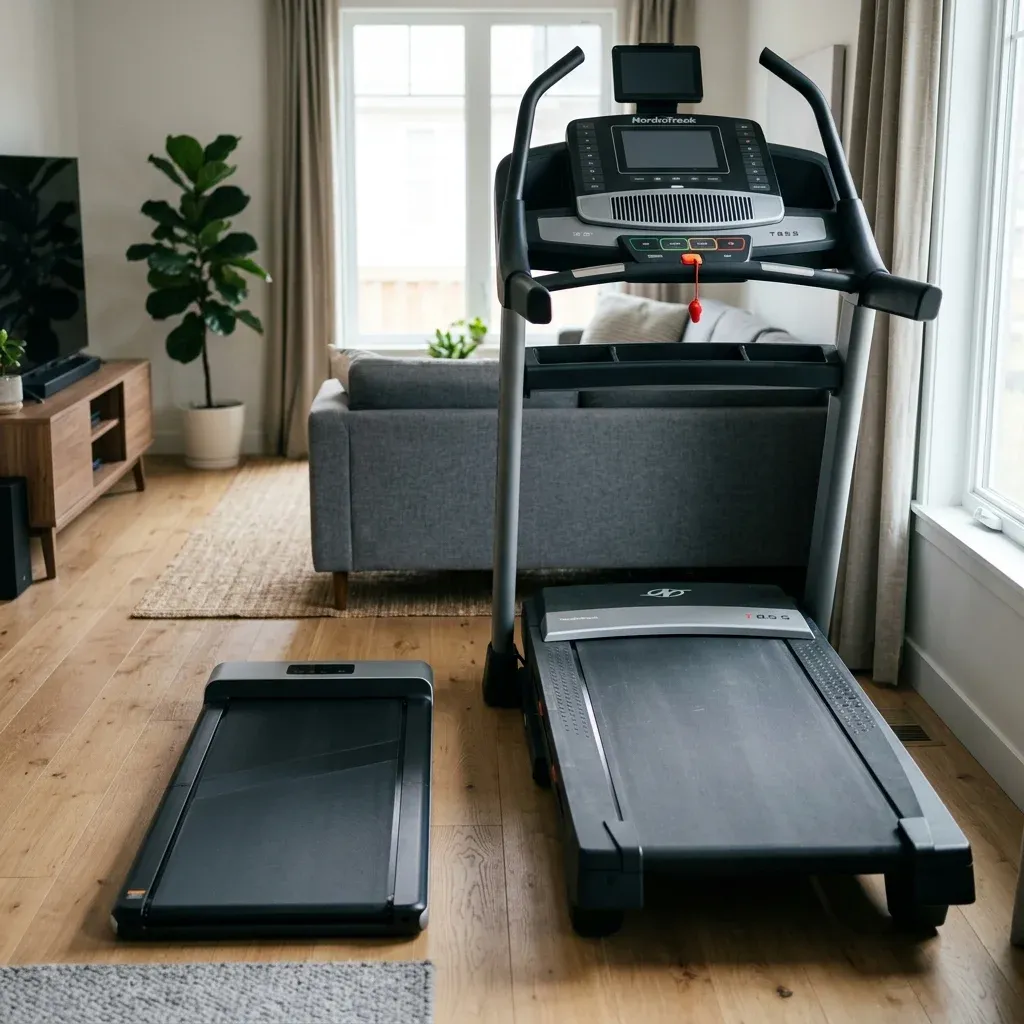
A walking pad is a treadmill belt on rollers, minus the handrails, the dashboard screen, and the ability to run at any meaningful speed. Most top out at around 5 mph, compared to a full treadmill's 15 mph ceiling. They weigh 30 to 50 pounds, fold up, and slide under a couch or desk. The whole point is that you can pull one out, walk at a glacial pace while answering emails, and shove it away before anyone notices.
That simplicity is the draw and the limitation. No incline on most models. No handrails to grab if you lose your balance. No heart-rate monitor. Just a belt and a motor.
According to Bureau of Labor Statistics data from 2025, American workers spend 44.9% of their workday sitting. For software developers, that number hits 97.1%. Marketing managers sit through 93.2% of their day. The people buying walking pads aren't fitness enthusiasts looking for a workout upgrade. They're desk workers trying to undo some of the damage from eight-plus hours of sitting.
And the damage is real. One in four American adults sits more than eight hours daily, and four in ten get no regular physical activity at all. A walking pad, then, isn't competing with a gym membership. It's competing with doing nothing.
Quick take: Walking pads are stripped-down treadmills built for slow walking (0.7-3 mph) during desk work. They won't replace a real workout, but that's not what they're for.
Your brain barely notices, but your body does
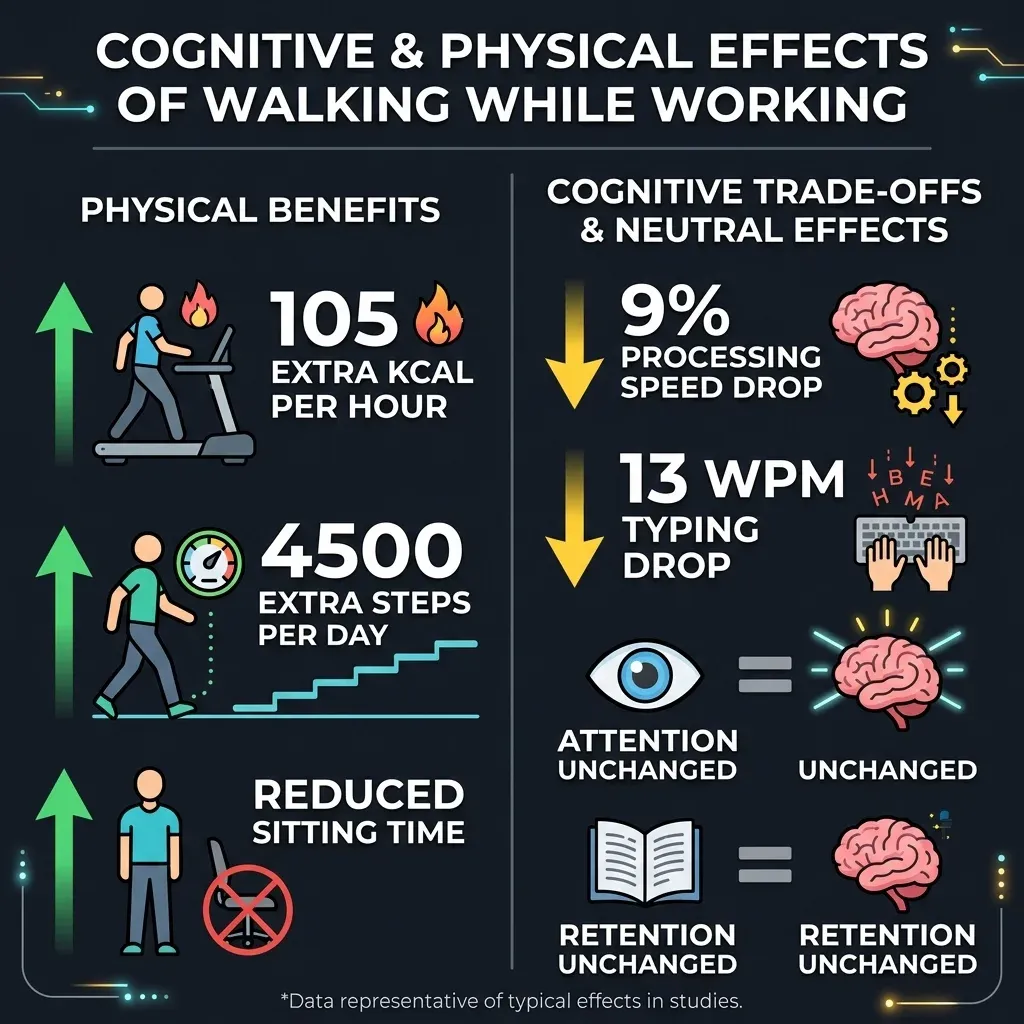
The most useful piece of walking-pad research is a 2021 meta-analysis that pooled data from 13 studies and 351 participants. The headline finding: treadmill desk users burn an extra 105 calories per hour compared to sitting. The metabolic rate increase was 5.0 mL/kg/min, and treadmill desk users reduced their sitting time by 1.73 minutes per hour across a 24-hour period. That sounds tiny in isolation, but those minutes compound. Over an eight-hour workday, that's roughly 14 fewer minutes sitting.
The calorie burn aligns with what exercise physiologist Chris Dempers at the Cleveland Clinic puts in simpler terms: 30 minutes of walking on a pad burns 100 to 260 calories, depending on your weight and speed. At a typical desk-walking pace of 1-2 mph, you're at the lower end. But over three or four hours of walking across a workday, that adds up to 400-800 extra calories burned without changing your schedule.
What about your actual work? A study from John et al. tested 20 adults on seated versus walking conditions and found a 6-11% decrease in fine motor skills and math problem solving while walking. But selective attention, processing speed, and reading comprehension were unaffected. Your fingers get a little clumsy. Your analytical thinking stays sharp.
BYU researchers James LeCheminant and Michael Larson confirmed this pattern with 75 adults. Walking at 1.5 mph produced a 9% drop in cognitive processing speed and a 13-word-per-minute typing drop. But the researchers found something that often gets buried in the headlines: walkers retained information just as well as sitters. "They're not going to get it as fast, but in the long run they're going to get it," Larson said. The learning sticks. It just takes slightly longer to absorb.
A Mayo Clinic randomized clinical trial with 44 participants, published in the Journal of the American Heart Association, went a step further. When participants used active workstations (walking, standing, or stepping), their reasoning scores actually improved compared to sitting. Typing speed dipped slightly, but typing accuracy held steady. Dr. Francisco Lopez-Jimenez, the preventive cardiologist leading the study, concluded that active workstations may improve cognitive performance while maintaining job productivity.
Think of it like driving with the radio on. You're slightly slower to react to a surprise, but your overall ability to navigate stays intact. The trade-off is tiny, and the body benefits are measurable.
Office workers who used walking pads walked an average of 4,500 more steps per day. Given that recent evidence converges on 7,000 steps as a daily target for disease prevention, a walking pad can close more than half that gap without adding any time to your day.
The sedentary, the restless, and the time-starved
Walking pads aren't equally useful for everyone, and exercise physiologist Dempers at the Cleveland Clinic is direct about this: "Walking pads are probably more beneficial to beginning exercisers than for people who are more active and more regimented with their workouts." If you already run four times a week, a walking pad adds marginal benefit. If your most vigorous daily movement is walking to the kitchen for coffee, the calculus is different.
The pandemic sharpened this divide. A 2023 study by Jenna Scisco and colleagues found that 65% of home treadmill desk users purchased their device in 2020 or 2021. The shift to remote work stripped away the incidental movement of commuting, walking to meetings, and grabbing lunch outside. Walking pads filled that gap. Participants in the study reported using them during meetings, phone calls, emailing, and even watching TV. One participant with four kids and a full-time job put it bluntly: without the treadmill desk, there was "no way" to reach 10,000 steps in a day.
There's also a less-discussed group that benefits: people with ADHD. Psychology Today describes walking pads as a top ADHD management strategy, noting that the constant low-grade movement satisfies the urge to fidget, provides a healthy outlet for physical restlessness, and supports kinesthetic learning. The evidence here is more clinical observation than controlled trial, but the logic tracks: ADHD brains often perform better with motor engagement.
The research also shows that body composition matters. In a yearlong study of 36 adults, people with obesity benefited more from treadmill desk weight loss than coworkers who were not obese. This makes physiological sense: at higher body weights, walking burns proportionally more calories, so the same 30 minutes of desk walking produces a bigger metabolic response.
Who should probably skip them? Anyone with balance issues or who uses assistive walking devices. Cleveland Clinic's Dempers notes walking pads are well tolerated by most able-bodied people with good balance, but the lack of handrails makes them risky for anyone unsteady on their feet. People with joint problems in their knees or ankles should also proceed carefully, since some users in the Scisco study reported knee and foot pain during the first few weeks of use.
Standing desks fix your posture; walking pads fix your metabolism
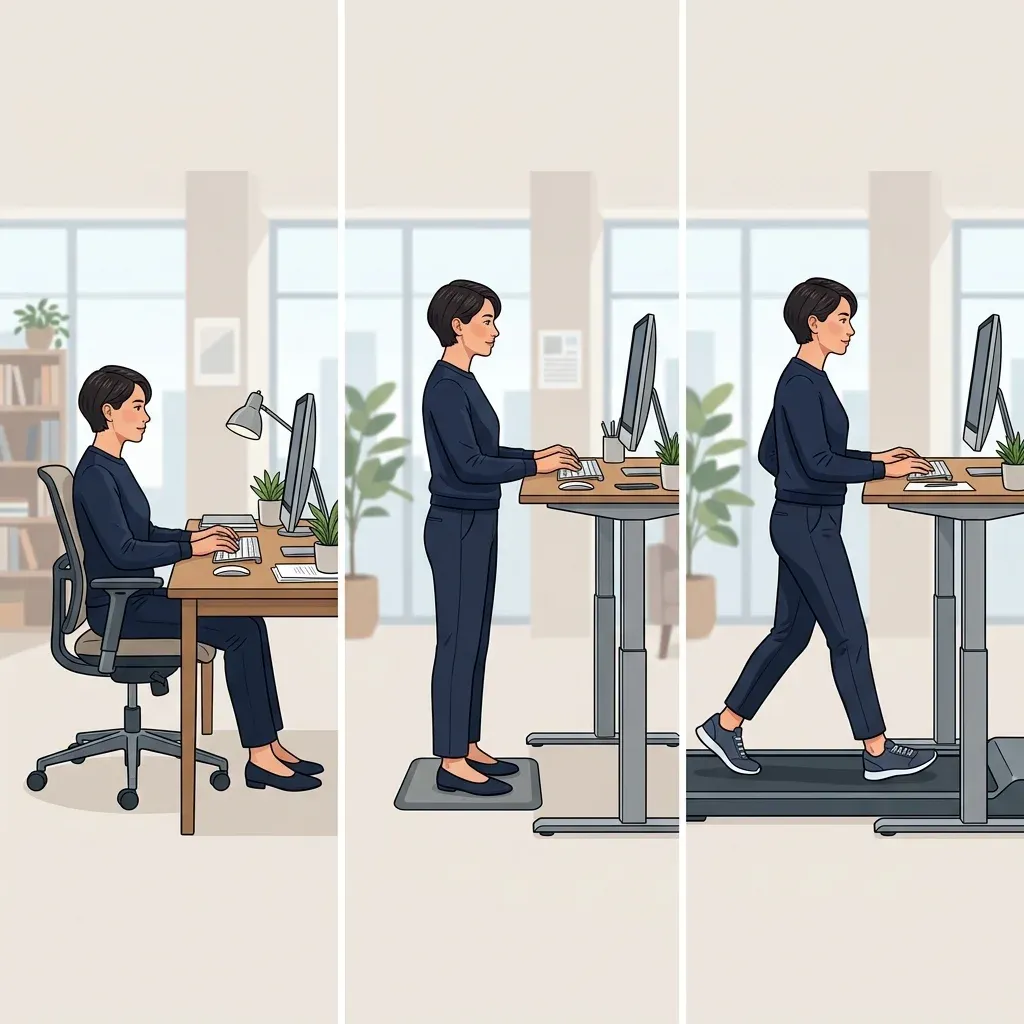
Standing desks and walking pads both address the same problem -- too much sitting -- but they solve different parts of it. A 2015 systematic review by MacEwen and colleagues looked at both and found a clear hierarchy: treadmill desks led to the greatest improvement in physiological outcomes, including postprandial glucose, HDL cholesterol, and anthropometric measures. Standing desks? They were "associated with few physiological changes."
That gap is bigger than most people expect. The systematic review found standing produced "few physiological changes" -- the metabolic boost from standing is marginal at best. Walking at 1-2 mph, on the other hand, burns over 100 extra calories per hour. The difference between standing and walking is the difference between having your car idling and actually driving somewhere.
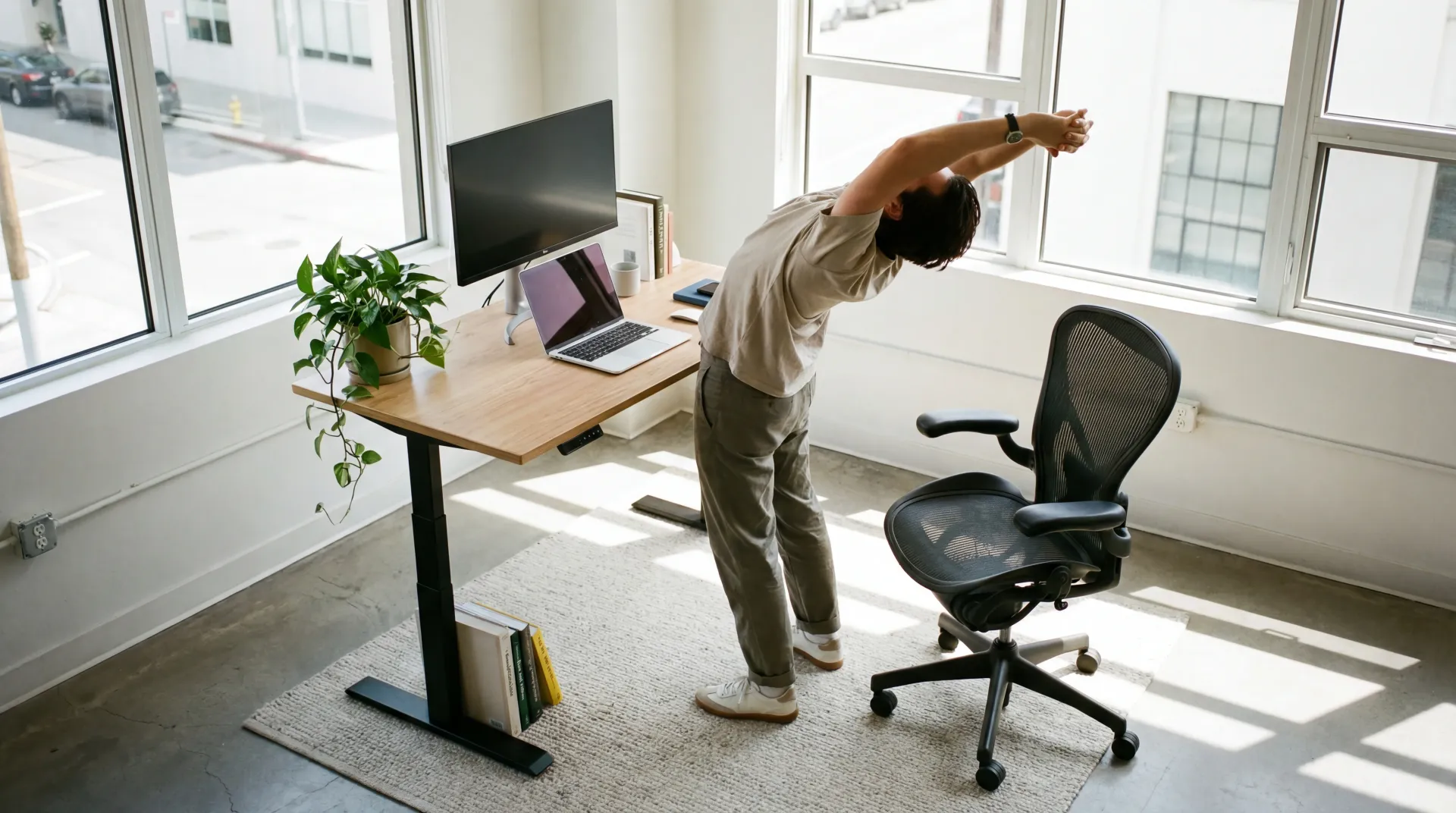
Standing desks do have real benefits, though. They encourage better spinal alignment, reduce the static loading on your lower back that comes from sitting, and require zero coordination. You don't need to practice standing. You won't type slower because you're standing. For tasks requiring precision -- design work, detailed coding, intricate spreadsheets -- standing desks let you stay alert without introducing motor interference.
| Factor | Sitting | Standing desk | Walking pad |
|---|---|---|---|
| Extra calories burned per hour | Baseline | Marginal | ~100-105 |
| Typing speed impact | None | None | -13 WPM |
| Cognitive reasoning | Baseline | Improved | Improved |
| Fine motor skills | Baseline | Unchanged | -6 to 11% |
| HDL cholesterol improvement | None | Minimal | Significant |
| Cost | $0 | $100-$600 | $100-$400 + desk |
| Space needed | Standard desk | Standard desk | Desk + floor space |
| Learning curve | None | None | 1-2 weeks |
The practical implication: the best setup is probably both. Walk during low-focus tasks (emails, calls, webinars). Stand or sit for precision work. The research doesn't support picking one and committing to it for eight hours straight. Your body responds best to variation.
The problems that product pages won't tell you about
Consumer Reports tested nine under-desk treadmills and recommended exactly one. That's a brutal pass rate -- and the failures weren't cosmetic. The main issue: most walking pad belts are 14 to 16.5 inches wide. For reference, Consumer Reports considers 16 inches "very narrow" in their standard treadmill scoring. The one model they did recommend had a 19.5-inch belt. On the narrow ones, it's disturbingly easy to stray off the edge, especially when you're focused on a screen instead of your feet.
The safety picture gets worse. Many pads lack handrails entirely. Some include emergency safety keys, but pulling them causes the belt to slam to a sudden stop, which could throw you off balance -- the opposite of what a safety feature should do. Some machines ran at speeds that didn't match their displayed speed. And the companies making these products are often fly-by-night: seven of nine machines CR tested came from companies with little or no treadmill manufacturing experience. One machine arrived with a different brand name printed on the device than the brand listed on the Amazon page.
Noise is another friction point that gets underplayed. In the Scisco study on home treadmill desk use, noise was identified as a barrier to adoption, specifically because it disrupted communication during calls and meetings. Ergonomist James Rethaber told TIME that some walking pads "sound like jet engines" and recommended checking decibel ratings before buying and placing a rubber mat underneath to absorb sound.
Then there's the typing problem. This isn't a deal-breaker, but it's real. Research confirms that walking impairs mouse precision specifically, making pixel-level work (design, photo editing, detailed spreadsheet navigation) frustrating while walking. The cognitive trade-off is small, but the motor trade-off for mouse-intensive work is noticeable enough that most experienced walking-pad users step off for precision tasks.
The physical adaptation curve catches people off guard too. Users in the Scisco study reported knee and foot pain during the first weeks of use. Starting at low speeds and short durations helps, but some people quit during this break-in period and never come back. The walking pad then becomes the most expensive coat rack in the house.
| Drawback | How common | Workaround |
|---|---|---|
| Narrow belt (fall risk) | Most models under $300 | Buy 19+ inch belt width |
| Noise on calls | Varies by model | Check decibel rating; add rubber mat |
| Typing speed drop | Nearly universal | Walk during non-typing tasks |
| Mouse precision loss | Moderate | Stop walking for design/editing work |
| Foot/knee pain early on | First 1-3 weeks | Start slow (1 mph, 10 min); wear athletic shoes |
| Questionable manufacturers | Most budget models | Research brand; check warranty length |
Six things that separate a good walking pad from an expensive doorstop
Belt width matters more than anything else. Consumer Reports found that belt width was the single biggest differentiator between walking pads that felt safe and ones that didn't. Aim for at least 18 inches. The industry standard for a comfortable treadmill is 18-22 inches, and anything below 16 is a falling hazard during distracted walking.
Weight capacity needs a margin. Standard walking pads handle about 220 pounds, but some models support 300+ pounds. Rethaber, the certified professional ergonomist interviewed by TIME, notes that higher weight capacity correlates with heavier-duty construction, which means better stability and longevity even for lighter users.
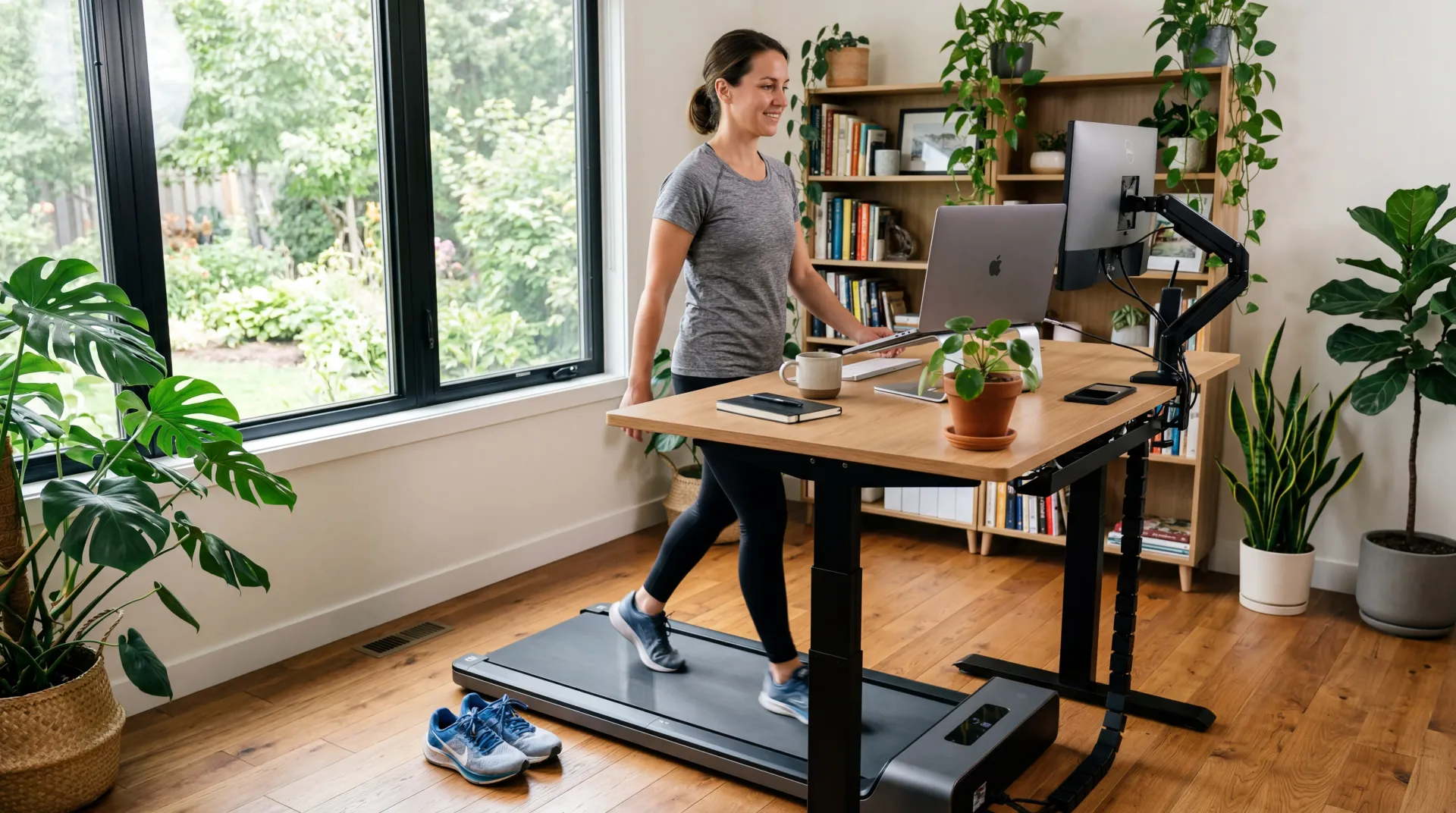
Your desk setup needs to change. This is where people waste money. They buy a walking pad and slide it under their existing desk without adjusting anything. Rethaber recommends building your workstation around the walking pad rather than squeezing it in: keyboard at a height that puts elbows at slightly below 90 degrees, frequently used items within reach, top third of the monitor at eye level. An adjustable-height desk is nearly mandatory.
Noise ratings are not optional information. If you work in a shared space or take video calls, check the decibel rating before you buy and consider a sound-absorbing rubber mat underneath. Some models are near-silent. Others broadcast your walking to every person on the call.
Shoes are non-negotiable. Cleveland Clinic's Dempers warns that barefoot walking pad use risks overuse injuries for anyone not already accustomed to long barefoot distances. Rethaber echoes this: exercise shoes with proper cushioning are the way to go. Slippers, flip-flops, and office shoes aren't built for it.
Start lower than you think you need to. The research and expert advice converge here: begin at 1 mph for 5-10 minutes and increase gradually over weeks. Rethaber advises that if you feel you need handrails, you're either walking too fast or doing a task that demands too much focus -- slow down or sit down.
The typical price range is $100 for a basic model up to $400 for more features, plus whatever you spend on a standing desk if you don't already have one. Some employers will cover the cost as an ergonomic workplace accommodation -- worth asking about before you pay out of pocket.
Frequently Asked Questions
Can you actually lose weight with a walking pad?
You can, but expectations need calibrating. At desk-walking speeds of 1-2 mph, you burn roughly 100-260 extra calories per 30 minutes depending on body weight. Over a full workday with 2-3 hours of walking, that's 400-800 extra calories burned. Research shows people with obesity see more weight loss benefit from treadmill desks than people who are already lean. A walking pad alone won't produce dramatic results, but as part of an overall strategy that includes diet, it can help meaningfully.
Will walking on a pad make me worse at my job?
For most tasks, no. A Mayo Clinic trial found reasoning actually improved while walking, and typing accuracy was unaffected. You will type about 13 words per minute slower and your mouse precision drops, so pixel-level design work and intensive mousing aren't great walking tasks. The approach most experienced users take: walk during calls, emails, and reading. Sit for tasks needing precision. Your total productivity across the day stays comparable.
How long should I walk on a walking pad per day?
There's no single right answer, but research participants in the Scisco study reported using theirs anywhere from 45 minutes to 10 hours per day (with breaks). Experts recommend starting with 5-10 minutes at 1 mph and building up over weeks. The WHO's updated guidance says "every move counts" regardless of duration, so even short 10-minute sessions interspersed throughout the day provide benefit.
Are walking pads safe?
With the right model and precautions, yes. Consumer Reports found serious safety concerns with 8 of 9 models tested, primarily around narrow belts and absent handrails. To stay safe: choose a model with a belt width of at least 18 inches, wear proper athletic shoes, start at slow speeds, and step off for tasks requiring intense focus. If you feel you need to grab something for balance, that's a sign to slow down or stop.
Is a walking pad better than just taking walks outside?
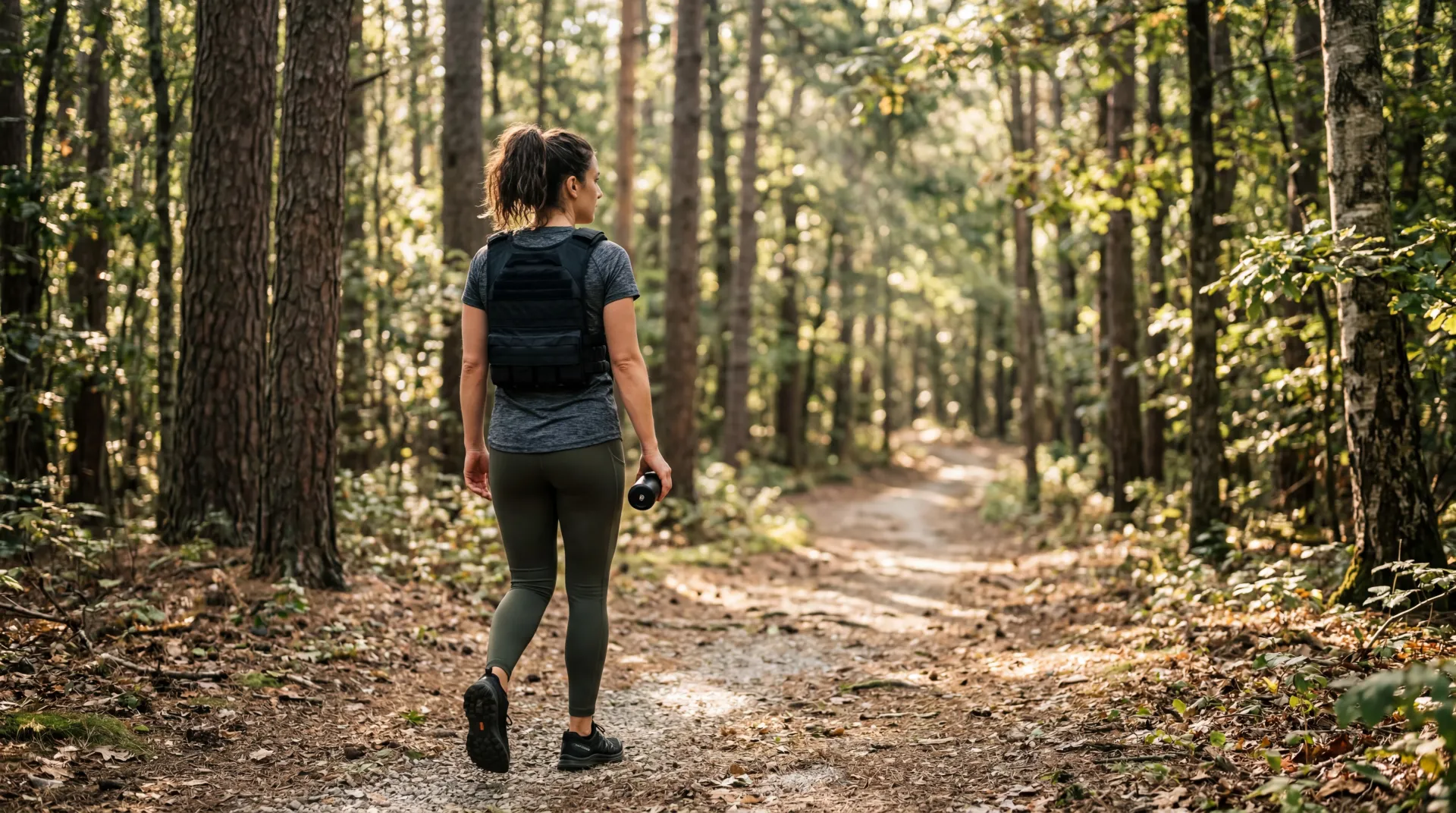
Walking outside provides benefits that a walking pad can't match -- fresh air, sunlight exposure, terrain variation, and mental health benefits from nature. But walking outside requires carving out separate time. The walking pad's advantage is that it runs simultaneously with your work hours, adding steps without adding time to your day. The two aren't competing strategies. As one walking pad user put it, the device was "a gateway drug to going to the gym and going for walks outside."
Medical Disclaimer
This article is for informational and educational purposes only and is not medical advice, diagnosis, or treatment. Always consult a licensed physician or qualified healthcare professional regarding any medical concerns. Never ignore professional medical advice or delay seeking care because of something you read on this site. If you think you have a medical emergency, call 911 immediately.