Plant Peptides Are Not Collagen, and That Difference Matters
A vegan shopper looking for peptides has to separate three things that supplement labels often blur together: intact dietary protein, short bioactive peptides, and collagen. They overlap in the same way flour, dough, and bread overlap. They are related, but they are not interchangeable.
Bioactive peptides are short protein fragments that can be released by digestion, fermentation, or enzymatic hydrolysis, and a plant-and-microalgae review describes many as short chains that can influence signaling, inflammation, blood pressure, oxidation, and other biological pathways. Collagen is different. A cosmeceutical review describes collagen protein as unusually rich in about 35% glycine, about 10% hydroxyproline, and about 12% proline. That amino-acid fingerprint is why collagen peptides are not the same thing as pea, soy, rice, or seed peptides.
The practical point is simple: vegan foods do not contain collagen. They can supply amino acids, vitamin C, minerals, antioxidants, and plant peptides that may support the body's own connective-tissue maintenance, but they are not animal collagen peptides in disguise.
Think of collagen support like repairing a brick wall. Animal collagen peptides bring fragments from a similar wall. Vegan nutrition brings the bricks, mortar ingredients, and workers' lunch. Useful, yes. The same material, no.
The strongest vegan collagen-builder signal I found came from a PubMed-indexed study by Samrat Warma and colleagues, where a product called VEGCOL was tested at 2.5 g, 5 g, and 10 g doses and was reported to improve wrinkles, fine lines, joint pain, muscle strength, and hair growth. That is interesting, but it is one product-specific study, not proof that every powder labeled vegan collagen works.
What Soy, Legume, Grain, and Seed Peptides Actually Do
Soy is the most mature plant-peptide story because it has both protein density and a long research trail. One soybean peptide review notes that soybeans contain about 40% protein, which is why soy can be more than a generic "plant protein" in this conversation.
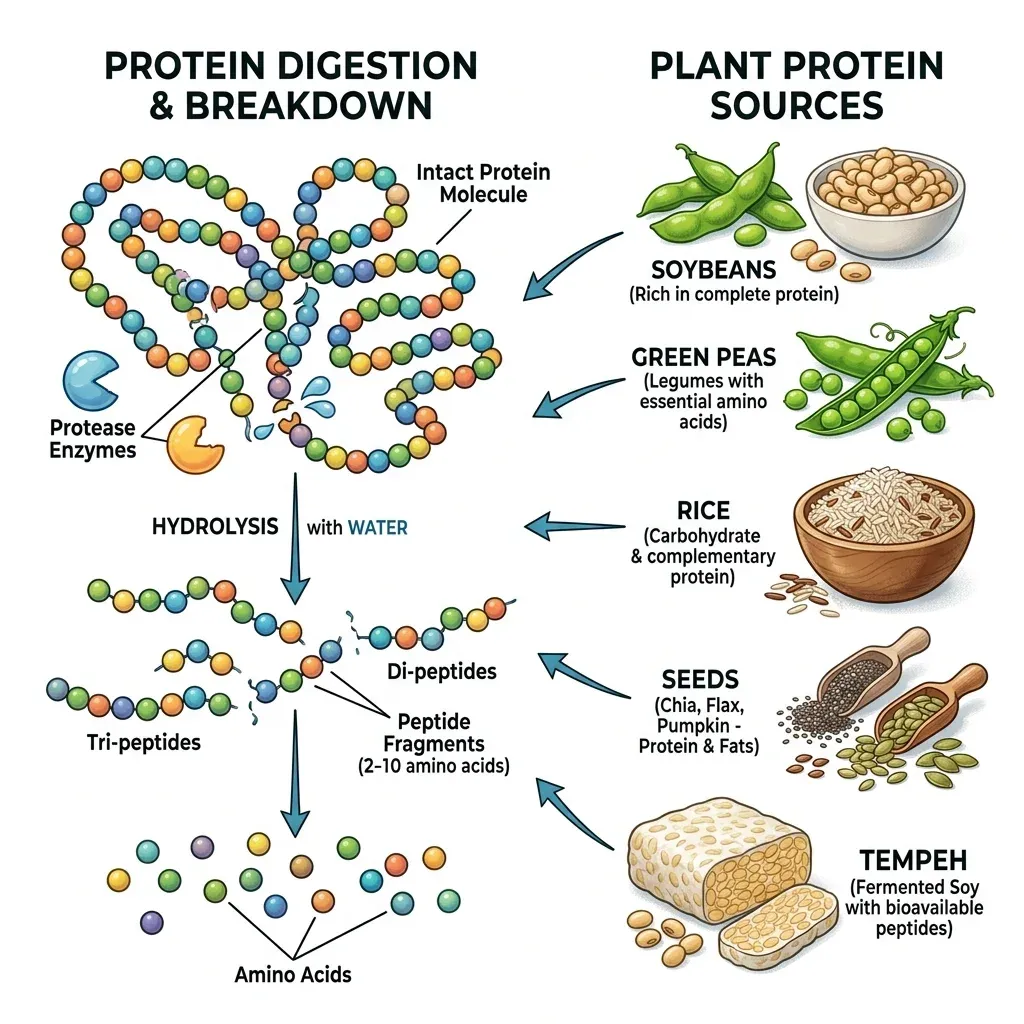
During fermentation, food processing, enzymatic hydrolysis, and normal digestion, soybean proteins can release smaller peptides. The same review describes soybean-derived peptides as 2-20 amino acid fragments with reported ACE-inhibitory, antioxidant, antimicrobial, immunoregulatory, opiate-like, hypocholesterolemic, and antihypertensive activities. That does not mean a bowl of miso treats hypertension. It means fermented and digested soy contains biologically active fragments worth studying.
Fermented soy foods are the real-world bridge. The review specifically names miso, soy sauce, and natto as foods that contain soybean peptides in trace amounts, while tofu and soy milk can still generate peptides during digestion. Fermentation is like pre-chopping a pile of firewood. Your body still has work to do, but some of the splitting has already started.
Other plants matter too. A recent review of fermented plant-based foods covers peptides from cereals, vegetables, soy foods such as miso and natto, chickpeas, fermented rice, and other plant substrates. An edible-seed peptide review adds that seed-derived peptides are being studied for antioxidant, anti-inflammatory, antihypertensive, hypoglycemic, anti-cancer, and mineral-binding activity, although much of that evidence remains cell, animal, or in vitro work.
| Plant lane | What it contributes | Best use |
|---|---|---|
| Soy foods | High-protein base plus peptides from digestion or fermentation | Everyday protein, fermented-food rotation |
| Pea, rice, canola blends | Complementary amino-acid profiles | Post-training recovery powder |
| Seeds and nuts | Protein, minerals, phytochemicals, and possible peptide precursors | Skin, sleep, and metabolic support pattern |
| Fermented legumes and grains | Microbial proteases that may liberate peptides | Food-first peptide exposure |
For the reader, this means the best vegan peptide strategy is boring in the best way: soy if you tolerate it, legumes and grains together, seeds daily, and fermented foods often enough that they are part of the diet rather than a novelty.
The Recovery Question Comes Down to Amino Acid Coverage
Recovery is where vegan peptide marketing gets overconfident. Muscles are not impressed by ideology. They respond to training stress, total protein, essential amino acids, leucine, energy intake, and time.
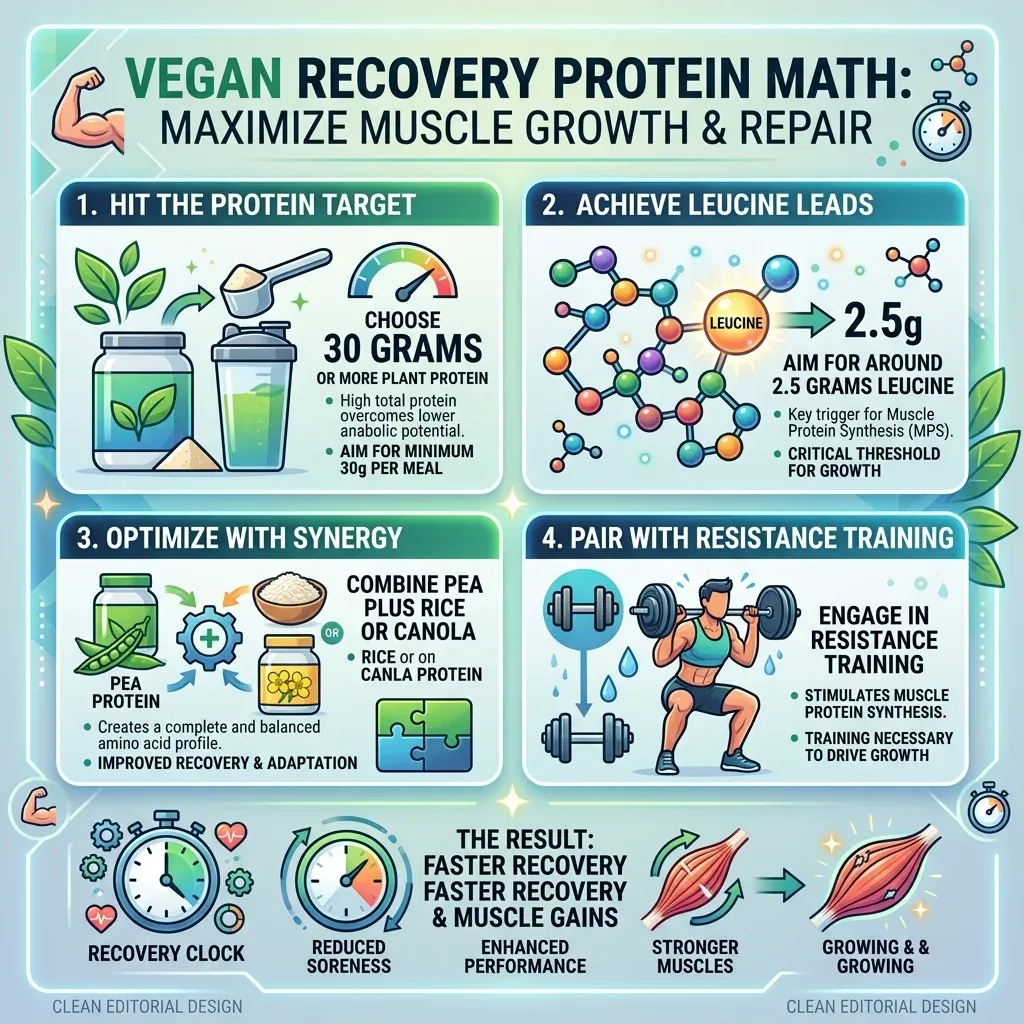
A systematic review on plant proteins and resistance-exercise recovery identified 24 eligible studies, including 22 randomized controlled trials. The interventions included soy, pea, rice, hemp, potato, and blended plant proteins at doses from 15 g to 50 g. Its most useful conclusion was not "plant protein is weak" or "plant protein wins." It was more precise: single-source plant proteins are often less impressive than whey in acute settings, but well-formulated plant blends can work when the dose and leucine are high enough.
The review states that well-formulated blends can stimulate muscle protein synthesis at levels comparable to whey when consumed at at least 30 g with about 2.5 g leucine. That is the shopping rule hiding inside the science. A scoop that looks vegan-friendly but gives you a tiny serving and weak leucine coverage is not a recovery product. It is flavored dust.
Individual trials make the same point from different angles. Nicolas Babault's pea protein trial enrolled 161 men for 12 weeks of resistance training, and the weakest participants had biceps thickness increases of 20.2% with pea protein, 15.6% with whey, and 8.6% with placebo. Jordan Joy's rice protein study used 48 g rice or whey protein after training for 8 weeks in 24 resistance-trained men and found both groups improved body composition and performance without differences between groups. Ino van der Heijden's crossover trial gave 10 resistance-trained adults 32 g whey or a plant blend made from 39.5% pea, 39.5% brown rice, and 21.0% canola; the plant blend stimulated post-exercise myofibrillar protein synthesis equivalently to whey.
Vegan recovery starts with hitting a complete protein target repeatedly, then adding peptide nuance on top. If a product uses pea alone, it may still work. If it blends pea with rice, canola, soy, or another complementary source, it has a better chance of solving the amino-acid puzzle.
Better Skin Without Animal Collagen Is Possible, but the Evidence Is Uneven
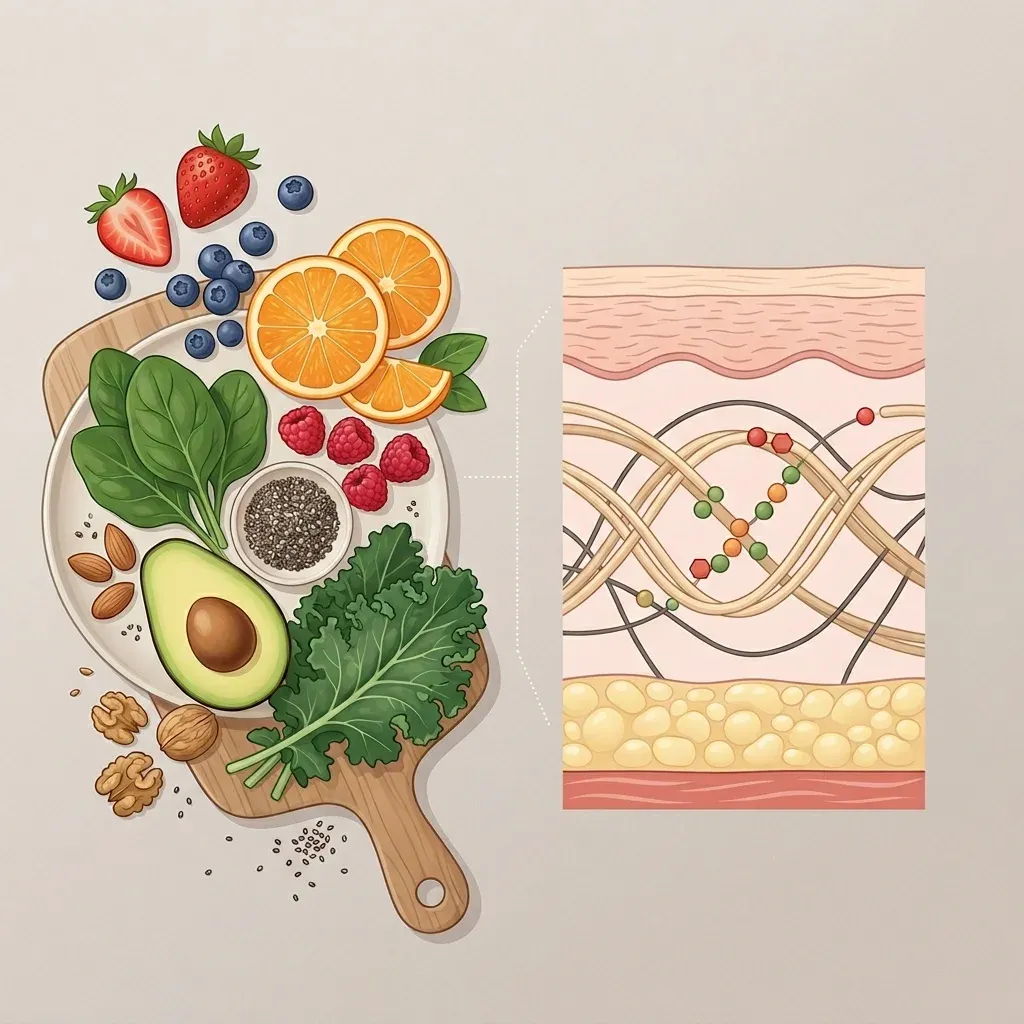
Skin is where the distinction between support and substitution matters most. Collagen peptides have a clearer history in skin trials than plant peptides do. Vegan readers do not need to pretend otherwise.
A cosmeceutical review states that bioactive peptides in skincare may stimulate collagen synthesis, improve skin elasticity, reduce wrinkles, provide antioxidant effects, reinforce the skin barrier, and support wound-healing pathways. The same review warns that the available peptide evidence relies heavily on in vitro, animal, and in silico approaches, with a concerning shortage of human clinical trials. That is the honest middle: plausible biology, useful topical ingredients, uneven proof.
Plant and microalgae peptides have a reason to be in the conversation. A review on plant and microalgae-derived peptides notes that consumer safety concerns, vegan preference, and sustainability have pushed cosmetic ingredient producers toward plant-derived alternatives to animal-derived peptide materials. The appeal is ethical and biological. Some peptides can behave like messages to skin cells, telling fibroblasts to build more of the matrix that keeps skin firm.
The catch is that a supplement can be vegan, peptide-rich, and still under-proven. For skin, I would put vegan collagen-builder powders in the "possible but product-specific" category. I would put adequate protein, vitamin C-rich foods, legumes, seeds, sleep, and sun protection in the "foundation" category.
| Claim on label | Better interpretation | What to check |
|---|---|---|
| Vegan collagen | Collagen-support nutrients or engineered collagen-like ingredients | Does it contain actual animal collagen? |
| Plant peptides for skin | Short fragments with possible signaling, antioxidant, or barrier effects | Human data or only cell studies? |
| Collagen builder | Amino acids, vitamin C, minerals, or patented blends | Which dose was tested? |
The Vegan Sleep Angle Is Glycine, Tryptophan, and Minerals, Not Magic Peptides
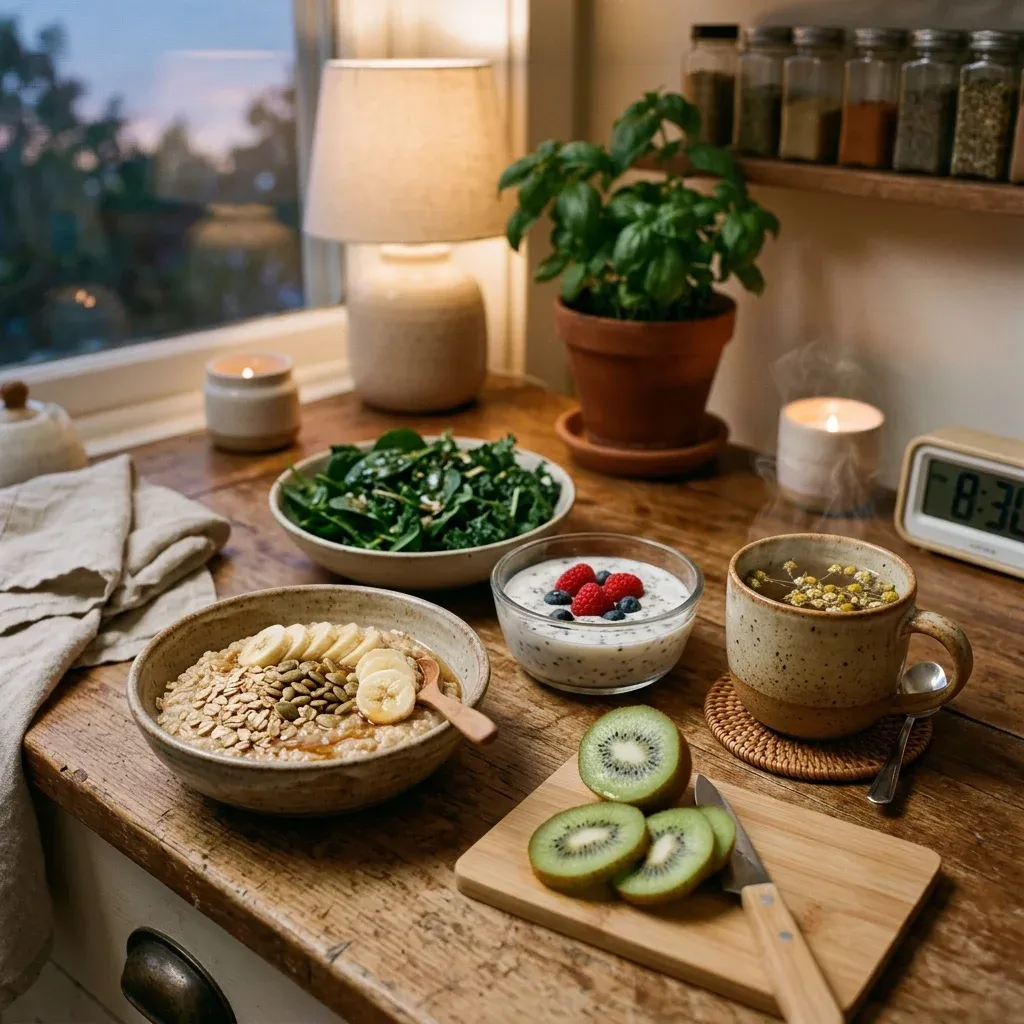
Sleep is the easiest place for peptide marketing to get silly. A powder cannot make up for late caffeine, erratic meals, bright screens, or stress. Still, vegan nutrition can support the chemistry that makes sleep easier.
Tryptophan matters because it is a dietary precursor for serotonin and melatonin, and a nutrition-and-sleep review describes tryptophan, magnesium, omega-3 fatty acids, dietary patterns, chrononutrition, and gut-brain interactions as sleep-relevant nutrition targets. Magnesium is also more than a wellness buzzword. A magnesium sleep review says magnesium participates in more than 300 biochemical reactions and helps regulate neuronal excitability, muscle relaxation, circadian rhythms, and sleep-related pathways.
The vegan angle is not that plant foods contain a secret sleep peptide. It is that plant-based patterns often deliver the cofactors sleep chemistry uses. A review focused on plant-based nutrition and sleep says plant-based diets are typically rich in fruits, vegetables, nuts, seeds, whole grains, and fiber and are associated with less fragmented sleep and improved sleep duration.
The most directly relevant amino-acid study was cross-sectional, not a supplement trial. In Singapore, researchers studied 104 healthy adults aged 50-75 and found that dietary tryptophan-to-large-neutral-amino-acid ratio, plant tryptophan, and plant tryptophan-to-LNAA ratio were positively associated with sleep duration; the same study found no significant associations for sleep latency or sleep efficiency. That is useful, but it is not a promise that pumpkin seeds will fix insomnia tonight.
| Sleep-support target | Vegan food route | Why it matters |
|---|---|---|
| Tryptophan | Soy foods, legumes, seeds, nuts, oats | Precursor for serotonin and melatonin |
| Magnesium | Pumpkin seeds, nuts, legumes, whole grains, greens | Nervous-system and muscle relaxation support |
| Fiber and polyphenols | Beans, berries, vegetables, whole grains | Gut-brain and inflammation pathways |
If sleep is the goal, buy food before buying a peptide-branded sleep blend. A dinner with legumes, grains, vegetables, and seeds is not glamorous, but it gives the body more of the sleep-relevant inputs than a mystery capsule with a glossy label.
What Vegan Readers Should Actually Buy, Eat, and Skip
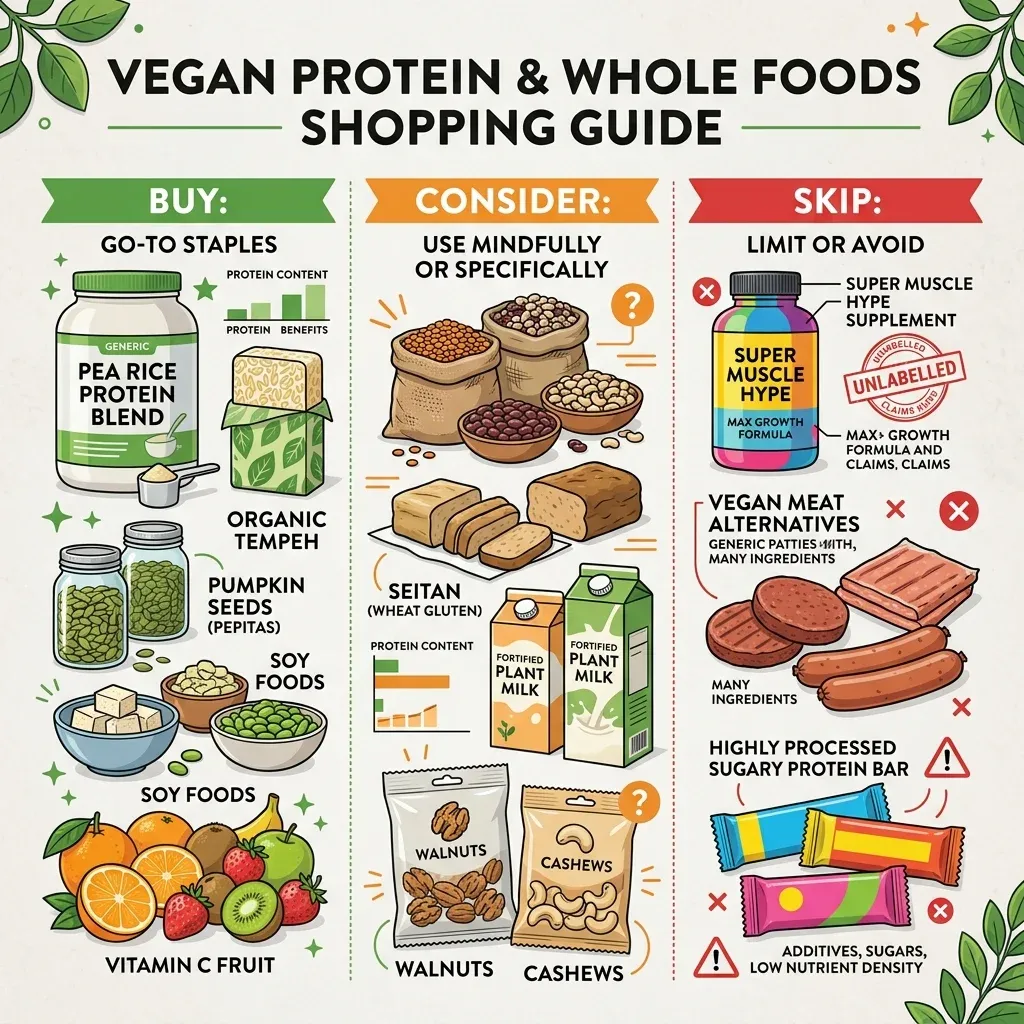
The clean buying rule is to choose products that solve a specific problem. Do not buy the word peptide. Buy adequate protein, complementary amino acids, a tested ingredient, or a food you will eat consistently.
For recovery, choose a plant protein that provides enough total protein per serving and uses complementary sources. The broad bioactive-protein review notes that legumes contain 20-38% protein, while lysine or methionine limitations can be managed by combining diverse plant sources, increasing intake, or fortifying products. For a training powder, that usually means pea plus rice, pea plus canola, soy isolate, or a blend with a clear amino-acid panel.
For skin, skip any product implying that ordinary plants naturally contain collagen. If a vegan collagen-builder is interesting to you, look for the exact ingredient, tested dose, and study population. A claim tied to one branded blend cannot be generalized to every gummies-and-glow powder on the shelf.
For sleep, treat peptide claims as optional. The stronger food-first play is protein sufficiency earlier in the day, a tryptophan-friendly dinner, magnesium-rich seeds and legumes, enough calories, and consistent meal timing. Your nervous system likes routine more than novelty.
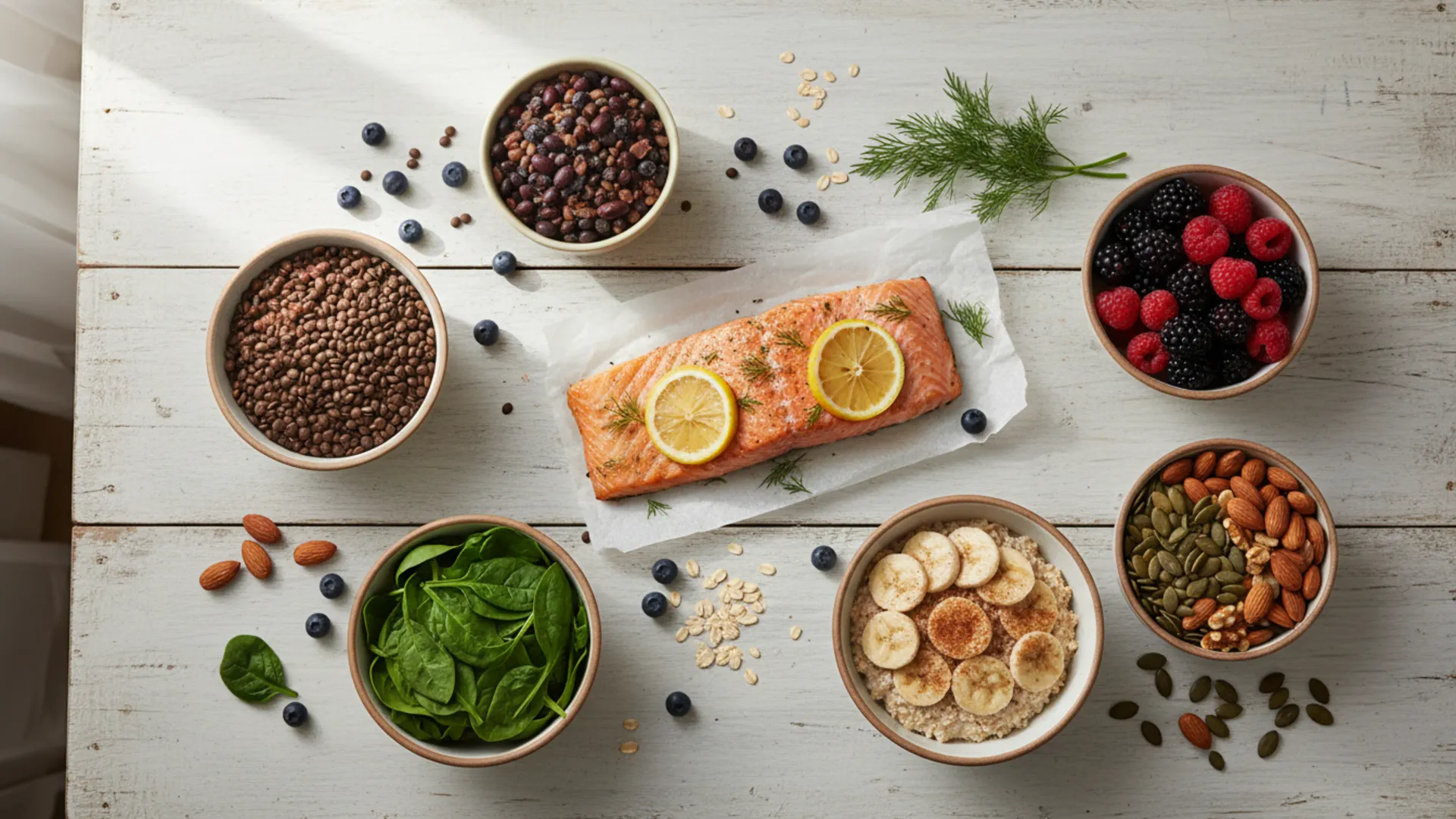
A practical day might look like this. Breakfast is oats with soy milk, walnuts, berries, and ground flax. Lunch is tofu or tempeh with rice, greens, peppers, and pumpkin seeds. Dinner is lentils or chickpeas with quinoa, vegetables, olive oil, and a vitamin C-rich fruit. If you train hard, add a post-workout pea-rice blend with a disclosed amino-acid panel instead of hoping dinner alone fills the gap.
The supplement shelf becomes easier to read once you know what each lane is supposed to do. A recovery powder should make its protein dose and amino-acid profile obvious. A collagen-support product should say support, not collagen, unless it plainly explains what ingredient it uses. A sleep formula should tell you whether it is built around nutrients such as magnesium and tryptophan or around a proprietary peptide name that cannot be checked.
Fermented foods deserve a quieter kind of respect. They are not guaranteed peptide medicine, but fermentation can liberate bioactive fragments and change digestibility, and reviews describe this process across plant substrates including soy, cereals, chickpeas, fermented rice, vegetables, and other plant-based foods. That is why tempeh, miso, natto, sourdough, fermented legumes, and cultured soy foods fit this article better than a random capsule promising "cellular youth."
Use powders for convenience, not identity. If you are traveling, training hard, under-eating, or struggling to hit protein targets, a good vegan protein blend is useful. If you already eat enough legumes, soy, grains, seeds, vegetables, and fruit, the marginal benefit of another peptide-branded product may be small.
- Buy: soy foods, pea/rice/canola protein blends, tempeh, natto, miso, lentils, chickpeas, pumpkin seeds, hemp seeds, walnuts, oats, quinoa, leafy greens, and vitamin C-rich fruit.
- Consider: a vegan collagen-builder only if it lists a real tested formula and dose.
- Skip: labels that imply vegan foods contain collagen, hide the amino-acid panel, or lean entirely on before-and-after photos.
Plant peptides are real. Vegan collagen, as a natural food category, is not. The best vegan path is not to imitate animal collagen perfectly. It is to build a diet that covers the raw materials, uses fermentation intelligently, supports training recovery with enough complete protein, and keeps sleep chemistry supplied without pretending a single peptide is doing all the work.
Frequently Asked Questions
Do vegan foods contain collagen?
No. Vegan foods can support collagen production by supplying amino acids, vitamin C, minerals, and antioxidants, but they do not naturally contain animal collagen peptides.
Are plant peptides useful for workout recovery?
They can be, especially when the product solves the amino-acid problem. The strongest practical evidence favors adequate doses of complete or complementary plant proteins rather than tiny servings marketed only as peptides.
Is soy the best vegan peptide food?
Soy has one of the stronger research bases because it is protein-rich and can generate bioactive peptides through fermentation, processing, and digestion. It is not mandatory, but it is useful if you tolerate it.
Can plant peptides improve sleep?
The food-first evidence is stronger than the peptide-supplement evidence. Tryptophan, magnesium, fiber-rich plant patterns, and meal timing are better-supported targets than a generic sleep peptide blend.
What should I look for in a vegan collagen-builder?
Look for a tested formula, a disclosed dose, an amino-acid panel, vitamin C or relevant cofactors, and clear language that says collagen support rather than true collagen.
Medical Disclaimer
This article is for informational and educational purposes only and is not medical advice, diagnosis, or treatment. Always consult a licensed physician or qualified healthcare professional regarding any medical concerns. Never ignore professional medical advice or delay seeking care because of something you read on this site. If you think you have a medical emergency, call 911 immediately.