Food Can Nudge the Same Signals. It Cannot Replace Therapy
The phrase """peptide diet""" sounds more powerful than it really is. Food does not turn lunch into a prescription peptide protocol. It gives your body amino acids, fermentation products, fatty acids, polyphenols, and gut signals that can touch some of the same upstream pathways people talk about in anti-aging clinics.
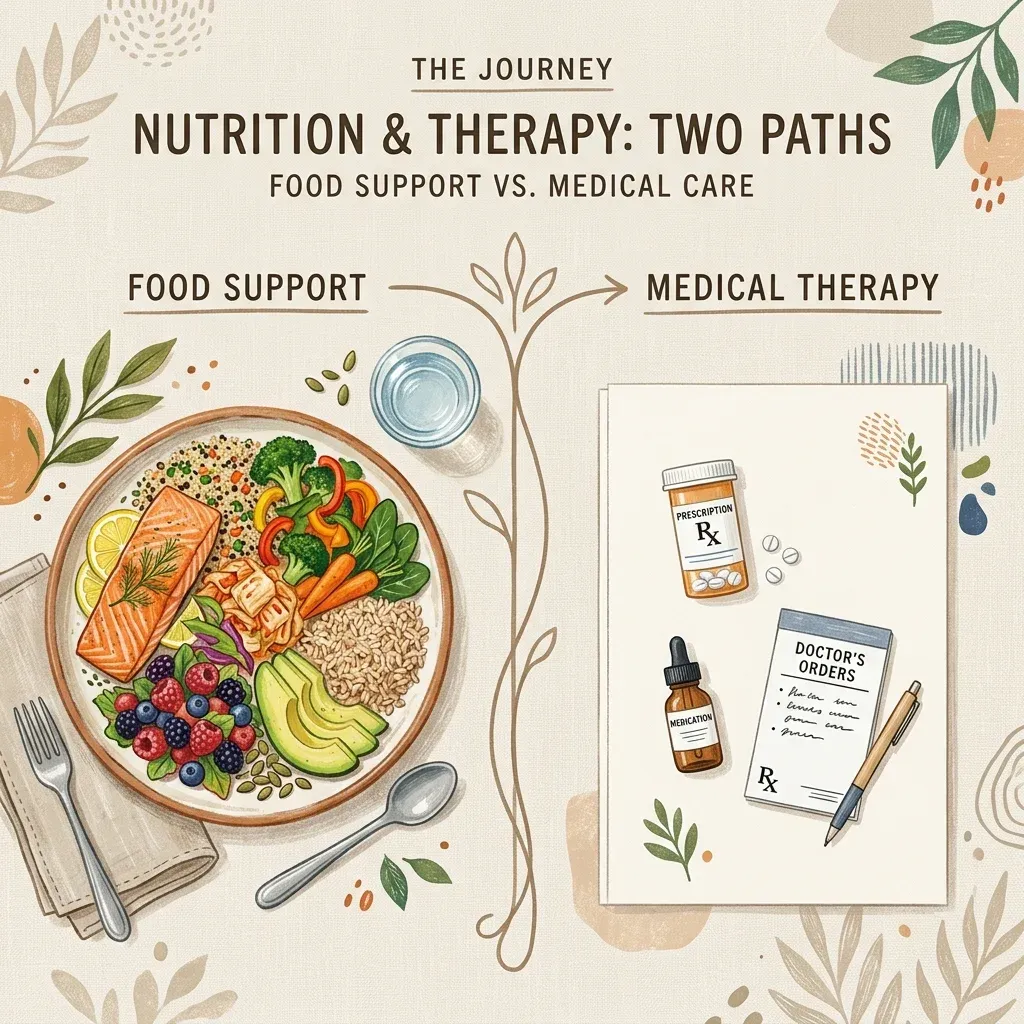
That distinction matters. The FDA says unapproved GLP-1 drug versions do not undergo its review for safety, effectiveness, or quality before marketing, and it has warned about dosing errors and misleading marketing around compounded products. Food belongs in a different category. Beans, fish, yogurt, tea, and collagen foods can support physiology. They cannot produce the same drug exposure as a carefully dosed injectable medication.
A useful """peptide diet""" is not a replacement plan. It is a signal-support plan: enough protein to preserve tissue, enough fiber to feed gut hormone pathways, enough micronutrient-rich plants to keep repair systems supplied, and enough honesty to avoid pretending dinner is pharmacology.
Think of therapy as a direct text message to one receptor. Diet is more like improving the cell phone tower, the battery, and the room where the message is received. That can matter. It is just not the same message.
Practically, this means the right question is not """What food replaces peptide therapy?""" The better question is """What dietary pattern makes the body more responsive to repair, appetite, muscle, collagen, and inflammation signals?"""
The First Lever Is Protein Distribution, Not More Powder
Muscle is the most practical anti-aging tissue most people can influence. It stores glucose, protects mobility, supports metabolism, and gives the body somewhere useful to send amino acids. The problem is that older muscle becomes less eager to respond. Michele Barone, Palmina Baccaro, and Alessio Molfino describe sarcopenia as progressive loss of skeletal muscle mass and strength, with muscle loss of around 8% per decade until age 70 and 15% per decade afterward.
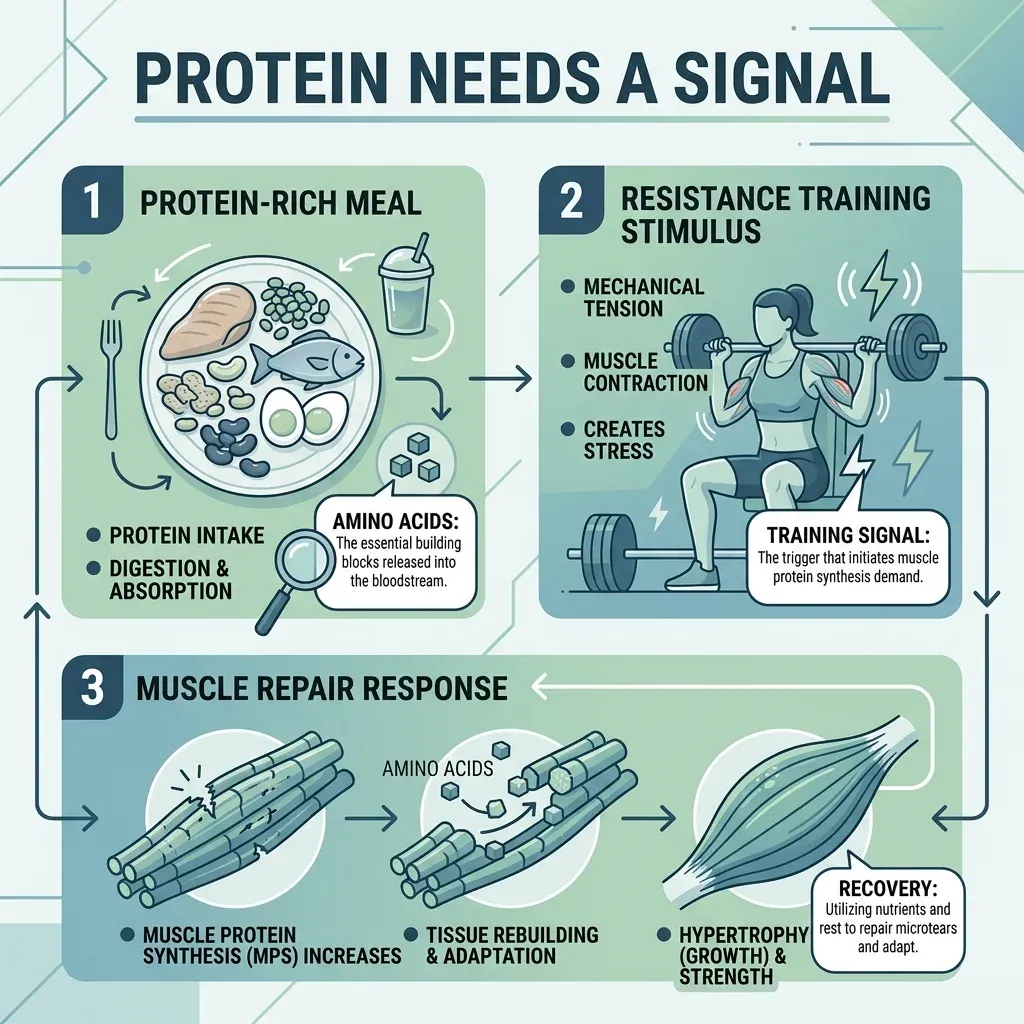
Protein helps, but the timing story is less tidy than internet meal plans suggest. Caoileann H. Murphy, Stuart M. Phillips, and colleagues tested 20 overweight or obese older men during energy restriction. One group spread protein evenly, with 25% of daily protein at each of 4 meals. The other group ate a skewed pattern, roughly 7:17:72:4% across meals.
The result is a good reality check. Protein distribution did not change bulk myofibrillar protein synthesis, but resistance training made synthesis about 26% higher during energy restriction plus training than during energy restriction alone. The same study found synthesis rates of 175 of 190 skeletal muscle proteins were higher during the training period.
That does not mean meal timing is useless. It means the plate needs a stimulus. Protein without training is like delivering lumber to a quiet construction site. Resistance training tells the crew to build.
| Diet lever | What it supports | Evidence-based caution |
|---|---|---|
| Protein at meals | Amino acid availability for muscle and connective tissue | Distribution alone did not raise MyoPS in Murphy's older-men trial |
| Resistance training | Muscle protein synthesis signal | Works best when recovery and protein are adequate |
| Energy balance | Preservation of lean tissue during fat loss | Older adults need extra care during dieting |
The practical move is plain: anchor each meal with a real protein source, then make two or three weekly training sessions non-negotiable. Powder can help fill gaps, but it is not the main event.
Where Glycine and Collagen Foods Fit
Collagen foods are not magic either, but they have a clearer job than most peptide-adjacent products. They supply glycine, proline, hydroxyproline, and small collagen-derived peptides that are relevant to skin and connective tissue. In one double-blind placebo-controlled trial, 69 women aged 35-55 took either 2.5 g or 5.0 g of collagen hydrolysate daily for 8 weeks. Both collagen groups improved skin elasticity compared with placebo.
Another trial by Steffen Oesser and colleagues gave 114 women aged 45-65 a daily 2.5 g dose of specific bioactive collagen peptides or placebo for 8 weeks. Eye wrinkle volume fell by 20% after 8 weeks, and the treated group had higher procollagen type I and elastin after the same period.
A third collagen peptide paper reported that oral collagen peptides increased skin hydration after 8 weeks, while dermal collagen density improved and collagen fragmentation decreased after 4 weeks. That is not the same as reversing aging. It is more modest and more believable: a dietary input that appears to improve some skin physiology markers over weeks.
Food-wise, this means collagen powder, gelatin, skin-on fish, slow-cooked connective tissue, and glycine-rich cuts can have a place. If you dislike collagen powder, use it as a tool, not a personality. Mix it into yogurt, coffee, soup, or oatmeal. Pair it with vitamin-C-rich foods such as citrus, kiwi, berries, peppers, or broccoli, because collagen formation is not a one-ingredient process.
The takeaway is not to chase collagen at the expense of total protein. Collagen is weak in some essential amino acids. Use it as connective-tissue support on top of a diet that still contains complete proteins.
Fermented Proteins Make Tiny Peptides Before You Eat Them
Fermentation is where the """dietary peptides""" idea becomes more literal. Microbes and enzymes partly break proteins down before you eat them, creating smaller fragments and other bioactive compounds. A review of fermented fruits, vegetables, and legumes describes fermented foods as sources of dietary fiber, vitamins, bioactive compounds, and probiotic bacteria.
Fermented legumes deserve special attention because they are not just """gut health""" foods. The same review says fermented legumes are a source of bioactive peptides and isoflavone aglycones. Natto is a useful example: it contains gamma-polyglutamic acid and nattokinase, and the review describes nattokinase as an angiotensin-converting enzyme inhibitor.
The analogy is bread dough. Flour and water become more interesting after time, microbes, and enzymes have worked on them. Protein foods can behave the same way. Yogurt, kefir, tempeh, miso, fermented soybeans, and aged cheeses have already gone through some biochemical preprocessing before they reach your plate.
| Fermented food | Main pattern | How to use it |
|---|---|---|
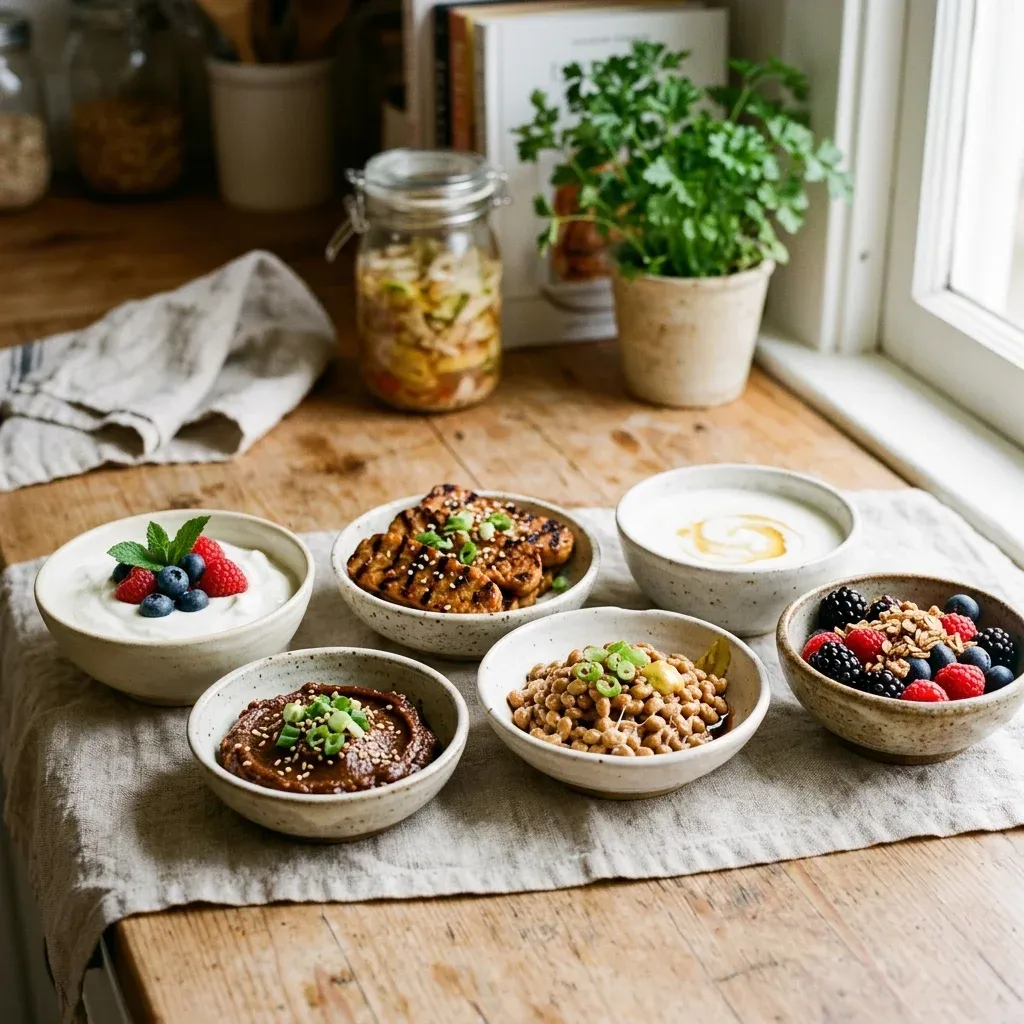
| Greek yogurt or kefir | Fermented dairy protein | Breakfast bowl with berries, seeds, and oats |
| Tempeh or miso | Fermented soy protein | Lunch bowl with vegetables and rice |
| Natto | Fermented soybean product | Small serving with rice, eggs, or vegetables if tolerated |
If fermented foods bother your digestion, start with tiny servings. The goal is not to win a kimchi contest. It is to give the diet more biologically active protein and plant compounds without relying on capsules.
Fiber Helps Your Gut Make Its Own Appetite Signals
The most overlooked peptide angle may not be protein at all. It may be fiber. A review on dietary fiber explains that some fiber is digested by gut microbes into short-chain fatty acids, including butyrate, acetate, and propionate. Those compounds are small, but they change the metabolic conversation.
A separate review on GLP-1 and gut microbiota describes GLP-1 as produced mainly by intestinal L cells and notes that gut microbiota metabolites can stimulate GLP-1 secretion. The same paper explains that fermented dietary fibers produce SCFAs that bind receptors on L cells and promote GLP-1 and PYY production. PYY and GLP-1 are gut hormones involved in appetite control and reduced food intake, according to a review focused on PYY and GLP-1 as therapeutic targets.
Picture fiber as compost for the gut garden. You are not eating GLP-1. You are feeding microbes that make metabolites, and those metabolites tap on gut hormone cells. That is a slower, smaller signal than a GLP-1 receptor agonist, but it is a real upstream pathway.
The fiber gap is huge. The National Academy of Medicine target cited in the fiber review is 14 grams per 1,000 kilocalories, roughly 30-38 g/day for most men and 21-25 g/day for most women. NHANES data in the same review found average intakes of 18.1 g/day for men and 15.2 g/day for women, with only 6% of Americans meeting daily fiber requirements.
Build this lever with beans, lentils, oats, barley, chia, berries, apples, vegetables, nuts, seeds, and cooled potatoes or rice for resistant starch. Increase gradually. A gut that has been underfed for years does not always enjoy a heroic fiber jump overnight.
Fish, Polyphenols, and the Aging Pathways Diet Can Touch
Omega-3 foods and polyphenol-rich plants are the """background music""" of this plan. They do not shout like protein or fiber, but they shape inflammation, nutrient sensing, mitochondrial stress, and cellular cleanup.
For muscle, a narrative review on omega-3 fatty acids and sarcopenia says n-3 PUFA may benefit muscle mass and volume, with more evident effects at doses above 2 g/day. The authors also note possible benefits for handgrip and quadriceps strength, walking speed, and muscle protein synthesis response to anabolic stimuli. They are careful, though: interpretation is limited by small participant numbers, heterogeneous supplementation regimens, and different measurement protocols.
Mechanistically, the same review lists proposed omega-3 effects including anti-inflammatory properties, mTORC1 pathway expression, reduced protein breakdown, mitochondrial function, amino acid transport, and neuromuscular junction modulation. In plate terms, making fatty fish a regular protein is a more sensible first move than jumping straight to high-dose capsules.
Polyphenols belong in the plan for a different reason. A review of dietary polyphenols and aging describes them as targeting hallmarks such as disabled macroautophagy, deregulated nutrient sensing, mitochondrial dysfunction, chronic inflammation, and dysbiosis. Another review describes polyphenols such as resveratrol as compounds that can affect autophagy, mitochondrial function, oxidative stress, and protein aggregation.
Autophagy is the cell's recycling crew. A cardiovascular aging review explains that autophagy degrades and removes long-lived or damaged organelles and proteins, and that aging is associated with impaired autophagy and mitophagy. The same review notes that mTOR is sensitive to amino acids, fatty acids, insulin, and IGF-1, and regulates cell growth and metabolism.
| Pathway | Diet input | Reasonable food examples |
|---|---|---|
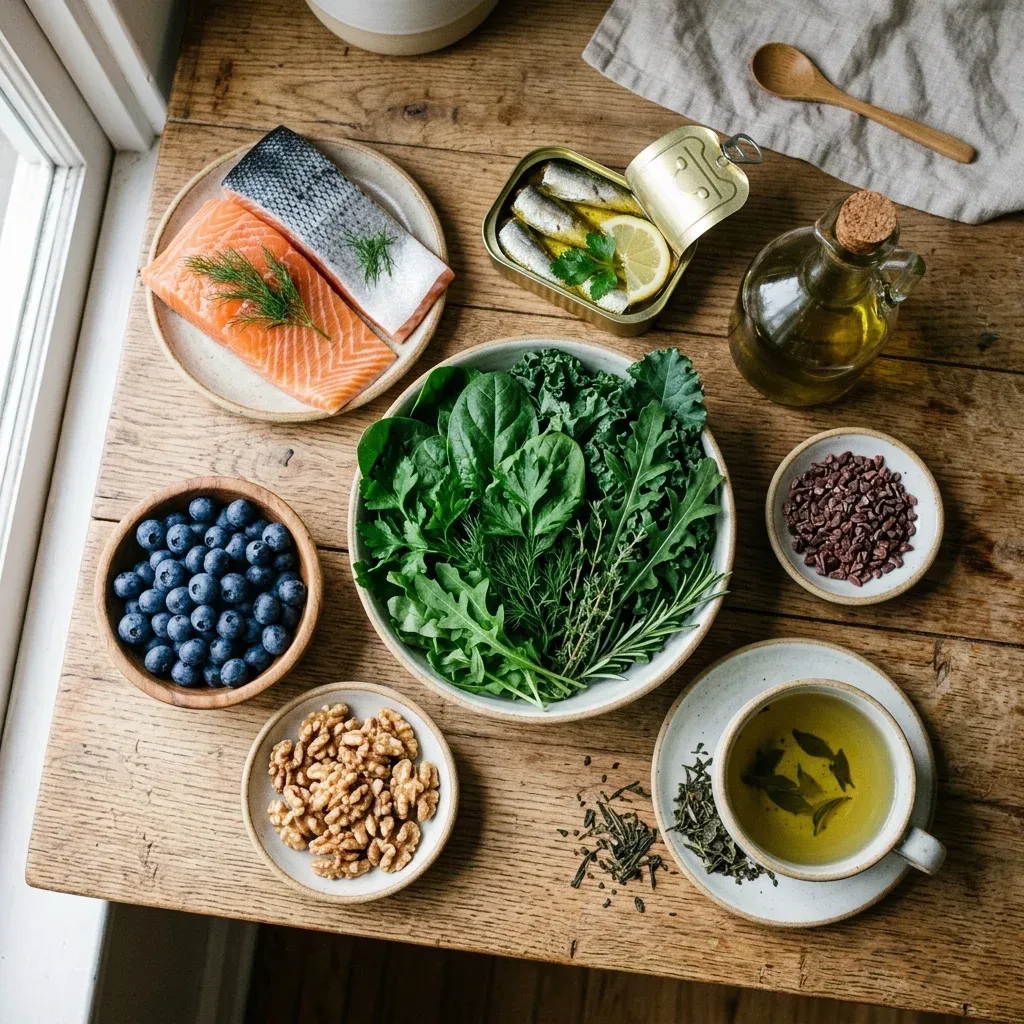
| Muscle and inflammation | Omega-3 fats | Salmon, sardines, trout, anchovies |
| Autophagy and oxidative stress | Polyphenols | Berries, cocoa, tea, coffee, herbs, extra-virgin olive oil |
| Nutrient sensing | Protein moderation plus plant diversity | Protein-rich meals with vegetables, legumes, and fruit |
The practical point is restraint. Eat enough protein to maintain muscle, but do not turn every meal into a maximal anabolic challenge. Add colorful plants daily. Use fish as a regular protein source. Let the pattern do steady work.
How to Build a Peptide-Inspired Plate Without Overpromising
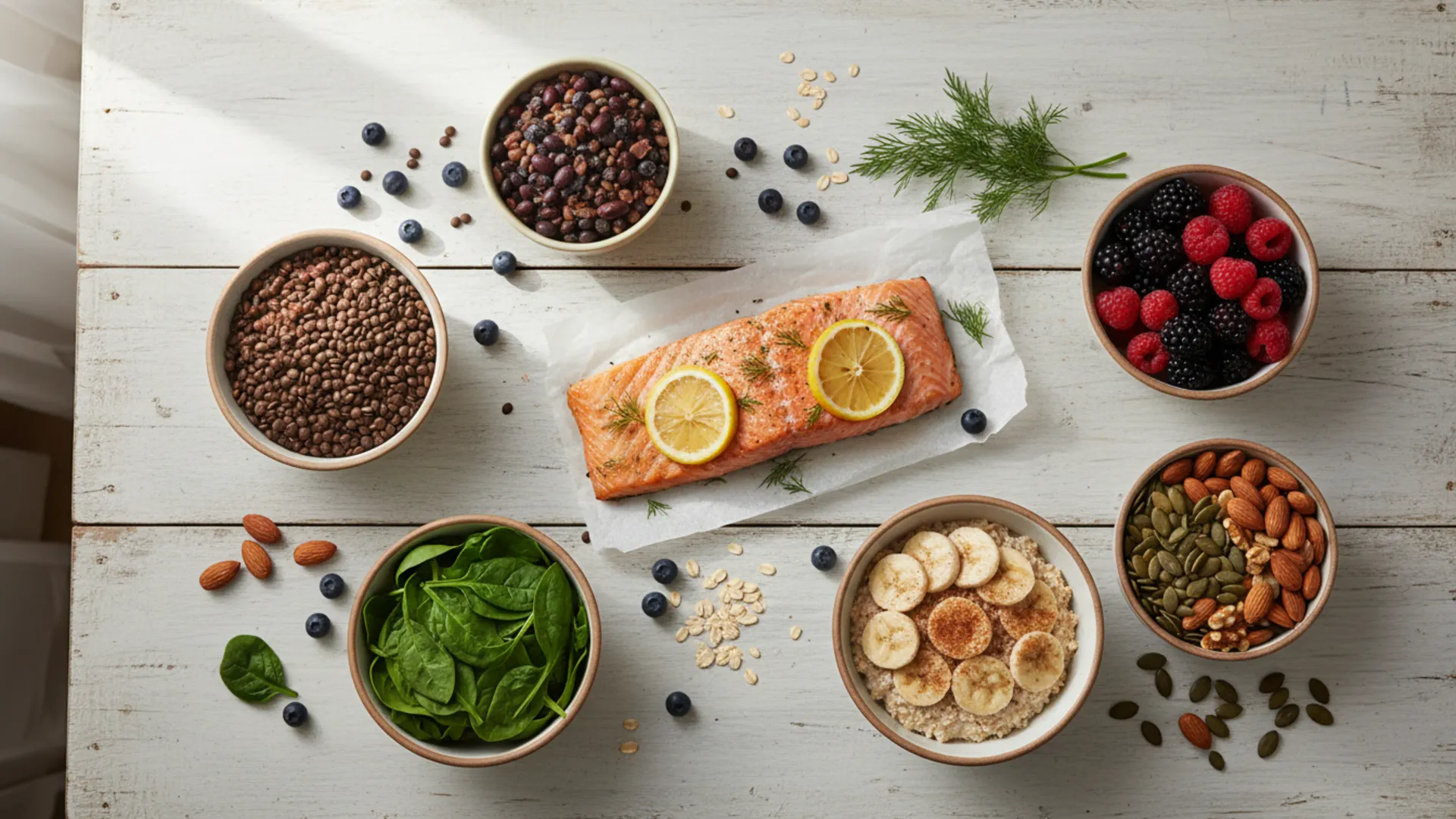
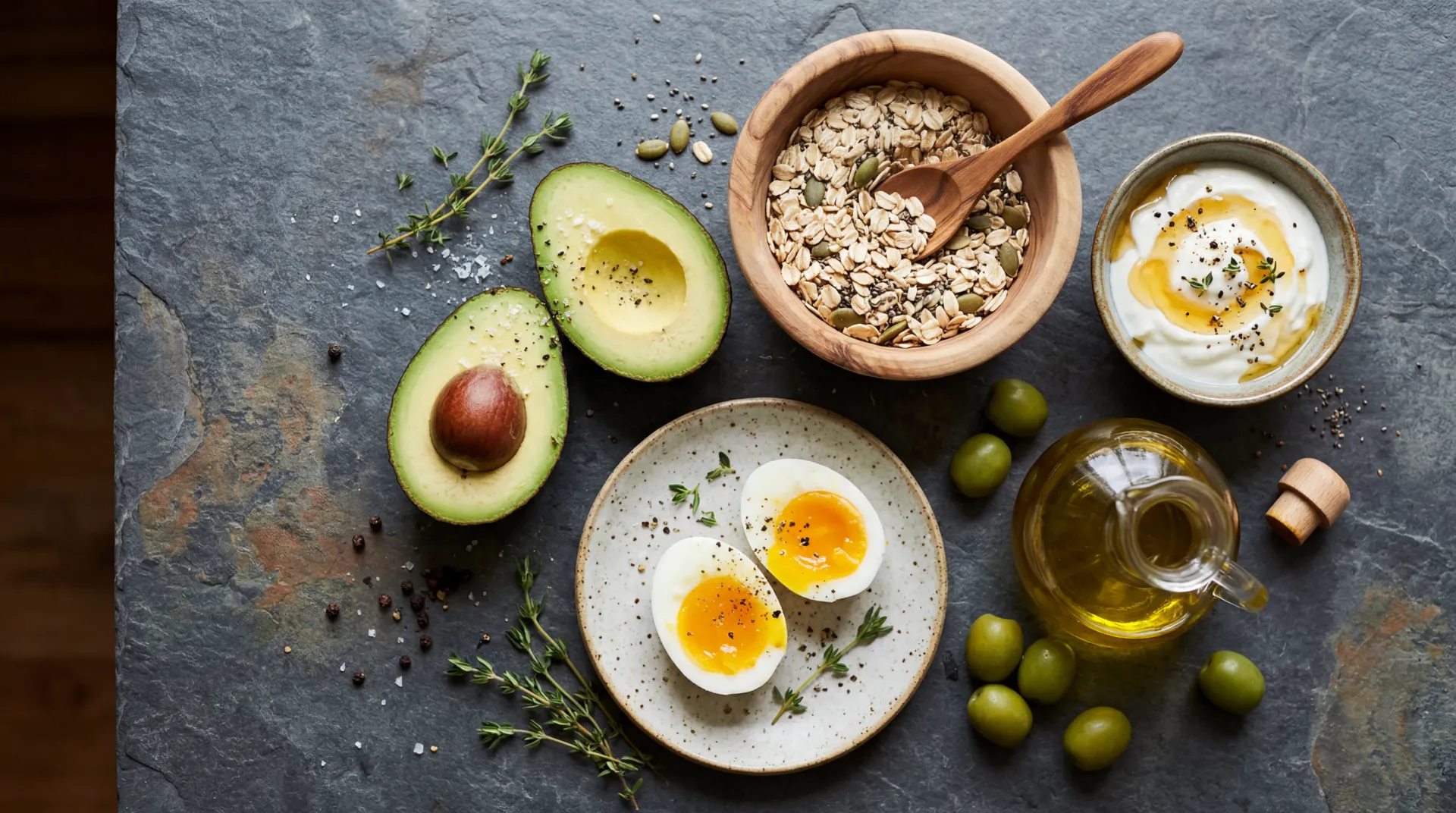
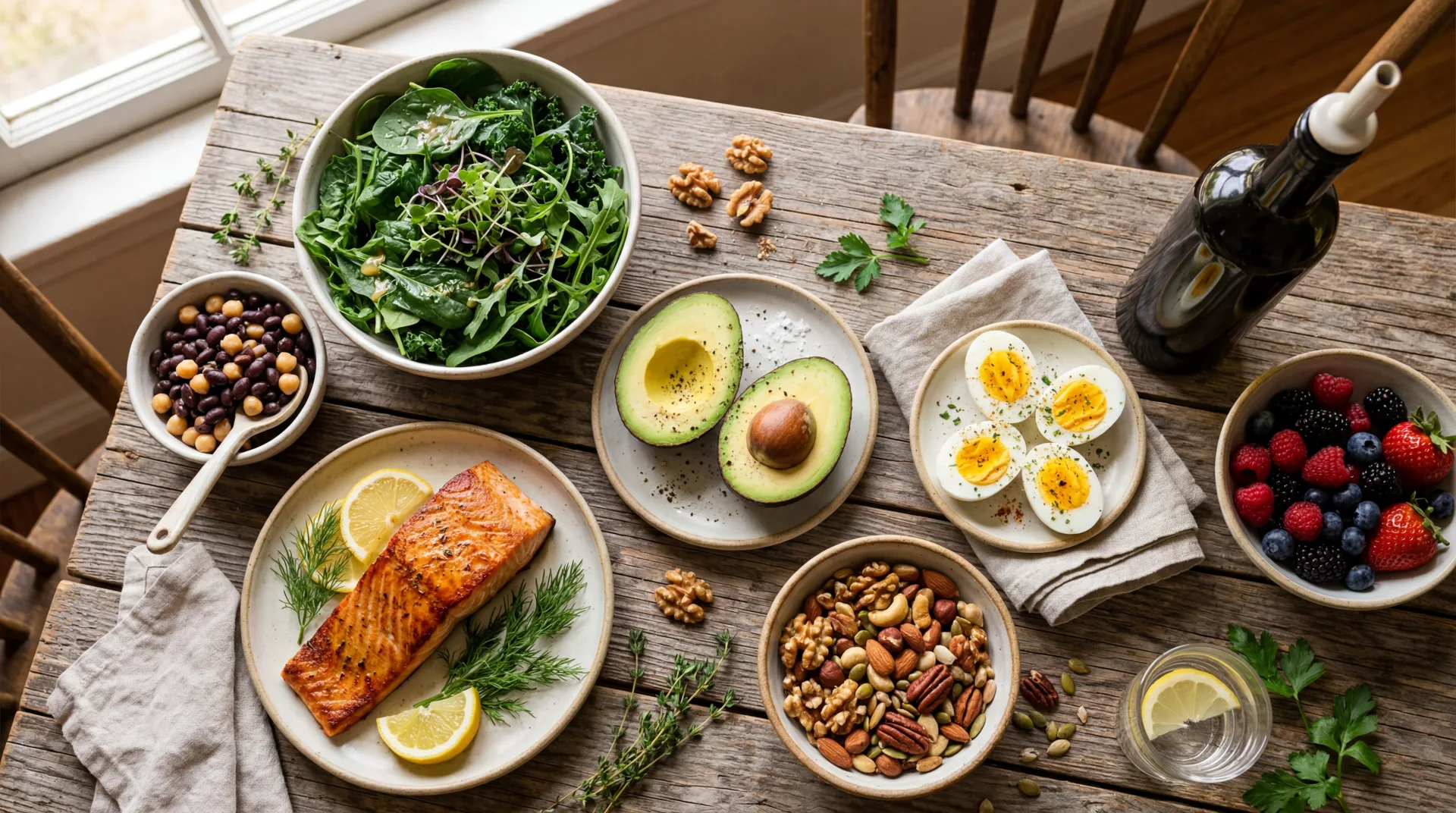
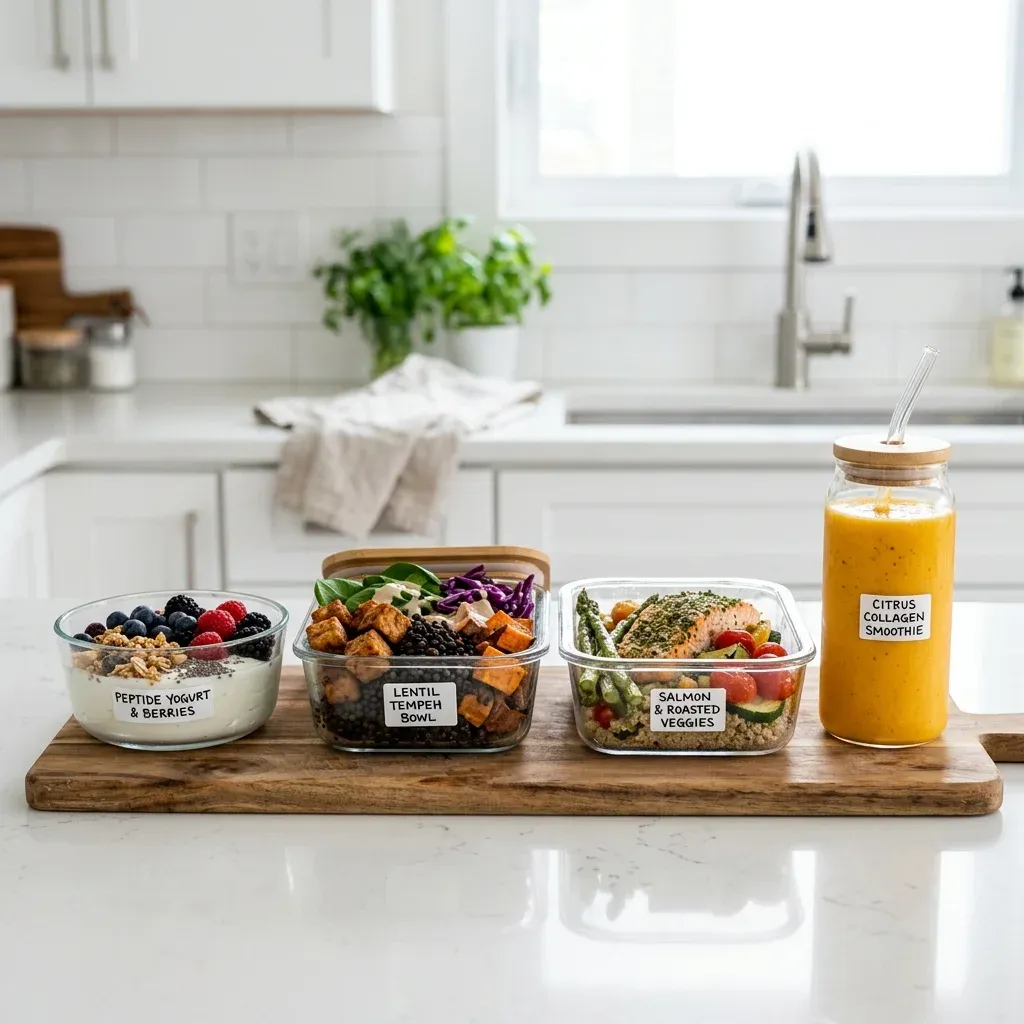
A peptide-inspired diet is easiest to use when it looks boringly normal. Each meal gets a protein anchor, a fiber anchor, and a color anchor. Some meals get fermented foods. Some get collagen or gelatin. Several meals per week get fatty fish. Most days get tea, coffee, berries, herbs, cocoa, or olive oil.
That pattern avoids the trap of duplicating a """top foods""" list. Eggs are fine. Greek yogurt is fine. Lentils are fine. Salmon is fine. None of them is a secret anti-aging therapy. The value is in stacking signals that are individually modest but biologically coherent.
A simple weekly rhythm works better than a perfect day followed by a crash. Choose protein you will actually cook, fiber staples you tolerate, a fermented food, and a polyphenol habit you enjoy. Repeat those until they feel automatic, then add variety.
- Breakfast: Greek yogurt or eggs, oats or berries, ground flax or chia, and tea or coffee.
- Lunch: Lentils, tempeh, fish, poultry, or tofu over greens and grains, with fermented vegetables if tolerated.
- Dinner: Salmon, sardines, beans, or lean meat with vegetables, olive oil, herbs, and a resistant-starch carbohydrate if it suits your glucose response.
- Optional support: Collagen peptides or gelatin with vitamin-C-rich foods, especially if skin or connective tissue is a target.
The medical caveat stays on the plate too. If you use GLP-1 medication, compounded products, or any injectable peptide, treat diet as support and talk with your clinician about dosing, side effects, and sourcing. The FDA has received reports of adverse events with compounded semaglutide dosing errors, including cases requiring hospitalization, and warns that compounded drugs are not FDA-approved.
The best version of this diet is not extreme. It is repeatable. It supports muscle with training, connective tissue with amino acids, gut hormones with fiber, inflammation balance with fish and plants, and cellular cleanup with polyphenols. That is plenty without pretending a grocery list is a prescription.
Frequently Asked Questions
Can a peptide diet replace GLP-1 medication or anti-aging peptide injections?
No. Food can support gut hormone, muscle, collagen, inflammation, and cellular maintenance pathways, but it cannot match the magnitude, duration, or dosing control of prescription peptide drugs. Use diet as a foundation, not a substitute for medical care.
How much protein should I eat at each meal?
The research here does not prove one perfect per-meal target. It does show that protein timing is less important than pairing adequate protein with resistance training. A practical approach is to include a meaningful protein serving at each meal and train consistently.
Are collagen peptides better than bone broth?
Collagen peptide trials use measured doses, such as 2.5 g or 5.0 g daily in skin studies. Bone broth can be part of a diet, but its collagen content varies. For repeatable dosing, collagen peptides are easier to measure.
Which foods best support natural GLP-1 and PYY signals?
Fiber-rich foods are the most practical starting point: beans, lentils, oats, barley, berries, vegetables, nuts, seeds, and resistant starches. Gut microbes ferment some fibers into short-chain fatty acids that interact with GLP-1 and PYY pathways.
Should I take omega-3 or polyphenol supplements?
Start with food unless a clinician recommends supplementation. Fatty fish, berries, tea, coffee, cocoa, herbs, and olive oil build the pattern without turning every pathway into a pill.
Medical Disclaimer
This article is for informational and educational purposes only and is not medical advice, diagnosis, or treatment. Always consult a licensed physician or qualified healthcare professional regarding any medical concerns. Never ignore professional medical advice or delay seeking care because of something you read on this site. If you think you have a medical emergency, call 911 immediately.