What Makes Fucoxanthin Different from Other Supplements
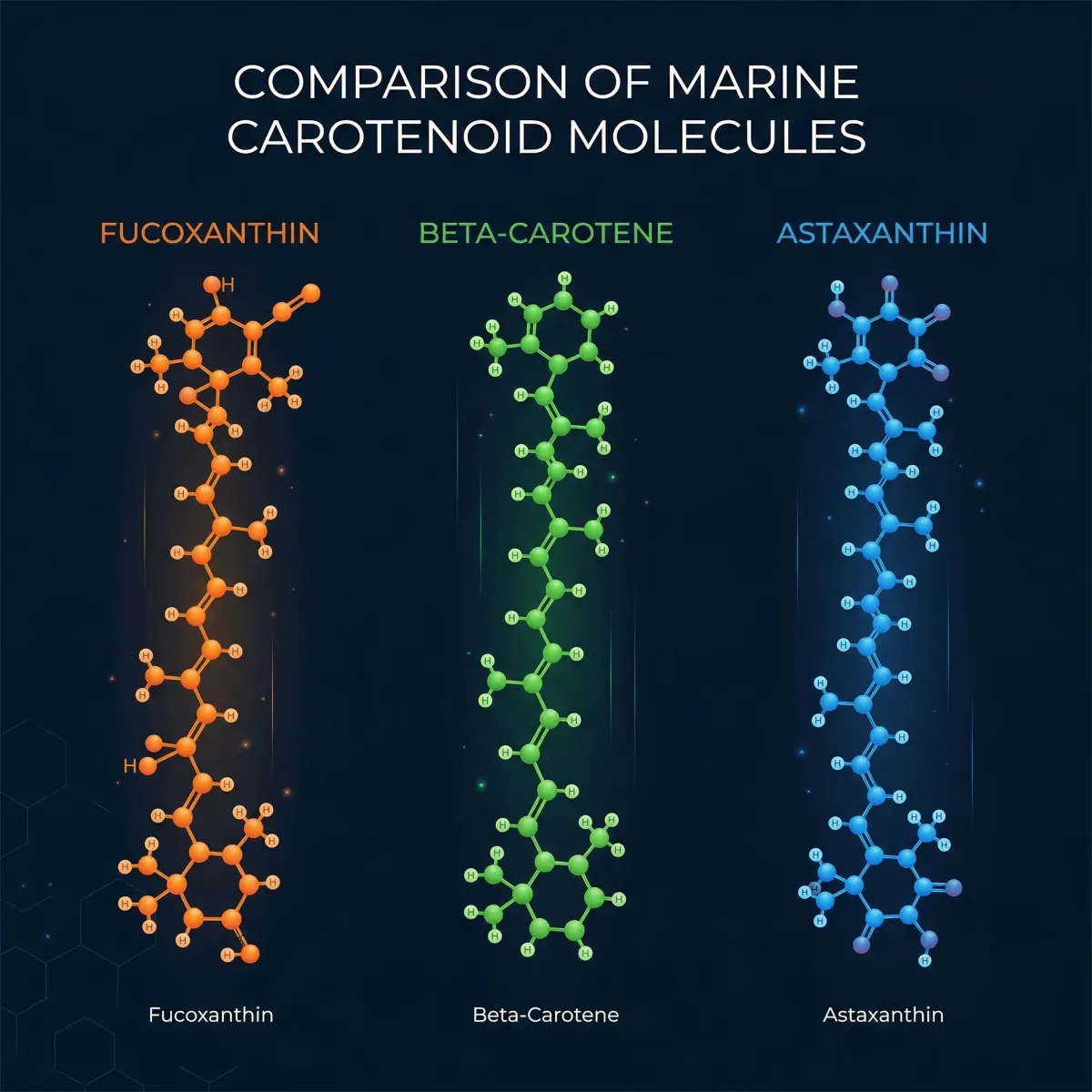
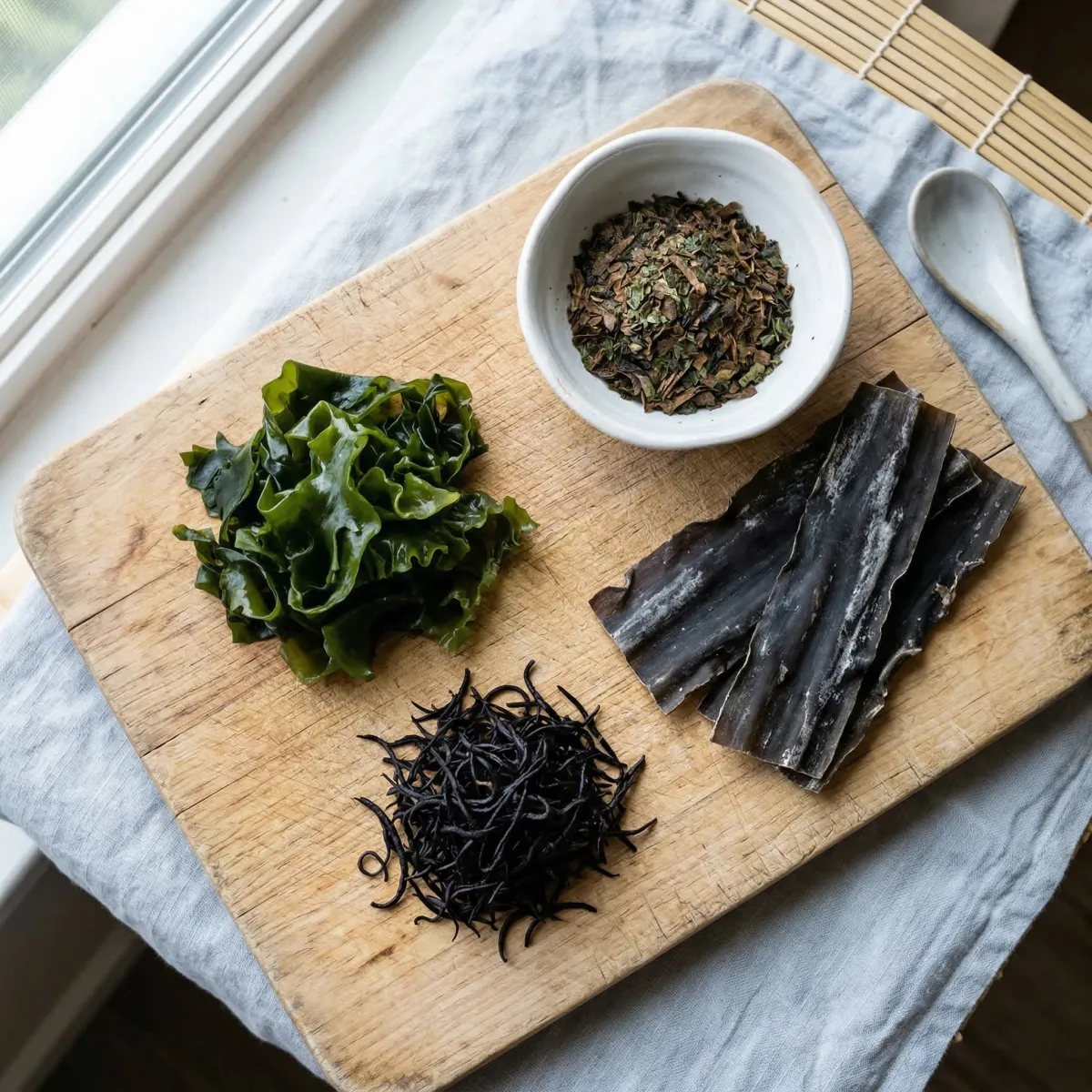
Fucoxanthin is a xanthophyll carotenoid found primarily in brown seaweed varieties like wakame, hijiki, and kombu. Unlike the carotenoids you might already know about — beta-carotene in carrots or lycopene in tomatoes — fucoxanthin has a molecular quirk that sets it apart. Its chemical structure includes an unusual allenic bond, a 5,6-monoepoxide, and nine conjugated double bonds that give it distinctive biological activity not seen in plant-based carotenoids.
That molecular structure matters because it determines how the compound behaves inside your body. Fucoxanthin accounts for roughly 10% of all naturally occurring carotenoids in nature, yet it remained relatively obscure until research accelerated dramatically after 2017. A bibliometric analysis published in Marine Drugs documented over 2,080 scientific publications on fucoxanthin through 2021, with more than 100 new studies published annually in recent years.
The compound is primarily concentrated in brown macroalgae, though marine microalgae and diatoms also produce it. Certain microalgae species contain concentrations up to 100 times higher than kelp on a per-gram basis, with Synurophyceae reaching 26.6 mg per gram of dry weight. For supplementation, however, brown seaweed extracts remain the primary commercial source, appearing in products like Xanthigen (containing 0.4% fucoxanthin combined with pomegranate seed oil) and FucoVital (3% fucoxanthin from microalgae), the latter having received FDA approval.
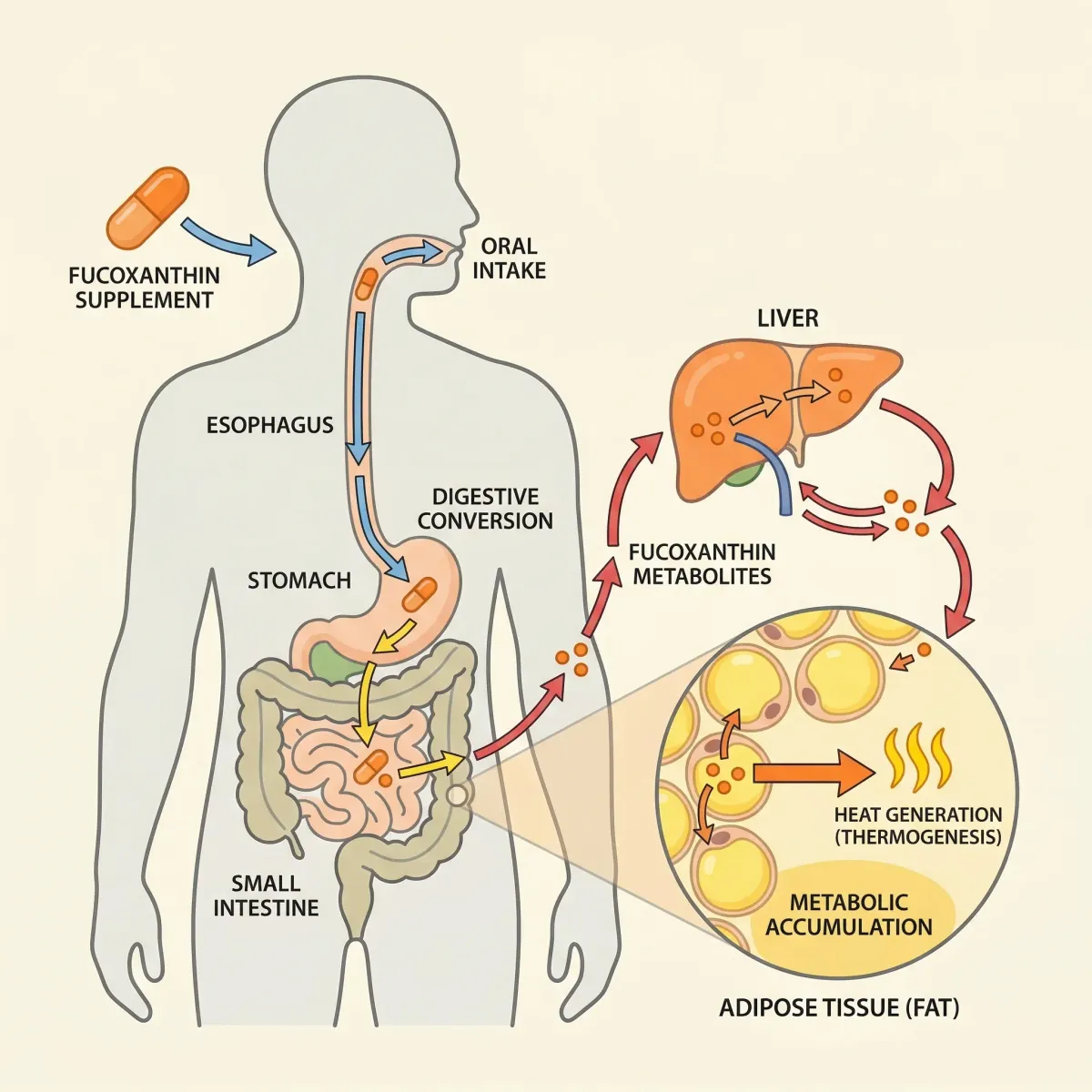
What happens after you swallow a fucoxanthin supplement is equally distinctive. Your body rapidly converts it — within about two hours — into a metabolite called fucoxanthinol through the action of digestive enzymes in your gut. The liver then transforms fucoxanthinol into a second metabolite called amarouciaxanthin A. Both metabolites are biologically active, and some research suggests fucoxanthinol may actually have stronger effects than the parent compound in certain contexts, particularly regarding cancer cell apoptosis.
Here's the part worth paying attention to: fucoxanthin and its metabolites collect in your fat tissue, not just your blood. The distribution in adipose tissue breaks down to about 13% fucoxanthin, 32% fucoxanthinol, and 55% amarouciaxanthin A. And the half-life there exceeds 41 days, compared to just 1.16 days in plasma. So the compound parks itself right where the fat-burning action would need to happen.
The Real Science Behind Fucoxanthin and Fat Metabolism
The anti-obesity research is where fucoxanthin gets the most attention, and the mechanism deserves a closer look. Unlike stimulant-based weight loss supplements that rev up your central nervous system, fucoxanthin works through a different pathway. It doesn't speed you up. Instead, it changes how your fat cells behave.
The primary mechanism involves a protein called uncoupling protein 1 (UCP1). Under normal circumstances, UCP1 is found mainly in brown adipose tissue (BAT), the metabolically active "good" fat that generates heat. White adipose tissue (WAT) — the storage fat most people want to lose — typically doesn't express much UCP1. Fucoxanthin changes this equation. Research in animal models has shown that dietary fucoxanthin at 0.2% of the diet significantly attenuated weight gain in mice by stimulating UCP1 expression in white adipose tissue, essentially nudging those storage fat cells toward a more metabolically active state.
Beyond UCP1, fucoxanthin influences several genes involved in lipid metabolism. It downregulates enzymes responsible for fat synthesis — particularly acetyl-CoA carboxylase (ACC) and fatty acid synthase (FAS) — while upregulating carnitine palmitoyl-transferase (CPT1), an enzyme that helps transport fatty acids into mitochondria for burning. The net effect is reduced fat production coupled with increased fat oxidation.
Key finding: A 16-week supplementation trial with 4.0 mg of fucoxanthin daily showed a significant increase in resting energy expenditure, with stronger effects observed at the 8 mg dose level. Importantly, this metabolic boost occurred without stimulating the central nervous system.
The most cited human trial involved 151 premenopausal women with obesity and non-alcoholic fatty liver disease (NAFLD). Participants received a seaweed extract providing 2.4 mg of fucoxanthin daily combined with pomegranate seed oil for 16 weeks. The treatment group showed improvements in body weight, body fat, liver fat, waist circumference, triglycerides, and inflammatory markers compared to placebo. While the results were statistically significant, the combination formulation makes it difficult to isolate fucoxanthin's independent contribution.
A more recent double-blind, placebo-controlled study used 1 or 3 mg of fucoxanthin daily for 4 weeks and reported reductions in body weight, BMI, and visceral fat area. Animal studies consistently show stronger effects — body weight reduction, decreased hepatic lipid content, improved lipid profiles — but the translation to human dosing remains an active question.
Fucoxanthin also affects leptin, the hormone that signals satiety. In obese mouse models, supplementation lowered plasma leptin concentrations in step with reduced body weight. If you've ever tried losing weight and felt like your body was actively sabotaging you, that's partly leptin resistance at work, and fucoxanthin may help reset that signal.
Bottom line on the weight evidence: animal data is solid. Human data exists but comes from a handful of small trials with short durations. Expect 5 to 16 weeks before seeing anything, and don't expect it to work on its own without dietary changes and movement. If you want a natural compound with more clinical backing for metabolic benefits, berberine has a longer track record in human trials.
Blood Sugar Regulation and Diabetes Prevention
The connection between fucoxanthin and blood sugar control operates through several overlapping pathways, and some of the animal data is striking. In one notable study using a streptozotocin-induced type 2 diabetes model, both free and encapsulated fucoxanthin decreased fasting blood glucose and increased plasma insulin levels comparable to metformin — the standard first-line diabetes medication. The fucoxanthin-treated mice also showed regeneration of damaged pancreatic beta cells, the insulin-producing cells that deteriorate in diabetes.
The mechanisms behind this glucose-lowering effect include enhanced fatty acid oxidation through AMPK pathway activation, reduced inflammatory signaling from adipose tissue (lower TNF-α, IL-6, and MCP-1), and increased expression of glucose transporters that help cells absorb sugar from the bloodstream. Fucoxanthin also improves the ratio of hepatic glucokinase to glucose-6-phosphatase, shifting liver metabolism toward glucose utilization rather than glucose production.
| Metabolic Marker | Effect of Fucoxanthin | Evidence Level |
|---|---|---|
| Fasting blood glucose | Decreased | Animal studies (strong) |
| HbA1c | Reduced at 0.05-0.2% supplementation | Animal studies |
| Plasma insulin | Increased sensitivity | Animal + limited human |
| Triglycerides | Decreased | Animal + human clinical |
| LDL cholesterol | Decreased | Animal studies |
| Total cholesterol | Decreased | Animal studies |
At dietary concentrations of 0.05-0.2%, fucoxanthin reduced blood HbA1c levels — the long-term marker of blood sugar control — in animal models. It also decreased plasma insulin concentration while simultaneously improving insulin sensitivity, a combination that suggests the body is using insulin more efficiently rather than just producing more of it.
The anti-inflammatory component of this effect is worth noting. Type 2 diabetes involves chronic low-grade inflammation in fat tissue, which directly impairs insulin signaling. By suppressing inflammatory cytokines like TNF-α in white adipose tissue, fucoxanthin may address one of the upstream causes of insulin resistance rather than just managing the downstream symptom of high blood sugar. For more on how anti-inflammatory compounds like turmeric work through similar pathways, that guide provides additional context.
The caveat remains consistent across all fucoxanthin research: these are primarily animal findings. The diabetes-specific human clinical data is extremely sparse. No large-scale randomized controlled trial has specifically tested fucoxanthin as a standalone intervention for diabetes prevention or management in humans.
How Fucoxanthin Protects Your Liver
The liver research on fucoxanthin is actually some of the more clinically developed, with three human trials specifically examining its effects on non-alcoholic fatty liver disease. NAFLD affects approximately 25% of the global population and is closely tied to obesity and metabolic syndrome, making it a natural target for a compound that influences fat metabolism.
A 2023 systematic review in Nutrients analyzed the available clinical evidence and found three human studies with promising results:
| Study | Participants | Duration | Key Outcomes |
|---|---|---|---|
| Shih et al. (2021) | 42 NAFLD patients | 24 weeks | Reduced hepatic steatosis and fibrosis, lowered IL-6 and IFN-γ |
| Cheng et al. (2019) | 42 NAFLD patients | 12 weeks | Reduced serum ALT (liver injury marker) |
| Abidov et al. (2010) | 151 participants | 16 weeks | Reduced body weight, liver fat, ALT/AST/GGT enzymes |
These results are encouraging but far from definitive. The sample sizes are small, observation periods are relatively short, and the formulations varied across studies. The Abidov study — the largest — used a combination product (fucoxanthin plus pomegranate seed oil), making it impossible to attribute the benefits solely to fucoxanthin.
In animal models, the evidence is more clear-cut. Fucoxanthin increases hepatic fatty acid oxidation while decreasing lipid accumulation, reduces serum liver enzymes (AST and ALT) that indicate damage, and protects against alcohol-induced liver injury. The compound also increases DHA levels in liver tissue, contributing to anti-inflammatory and insulin-sensitizing effects within the organ. It operates through AMPK pathway activation, Nrf2 antioxidant signaling, and suppression of SREBP-1c — the master regulator of lipid synthesis in the liver.
One finding with practical implications: fucoxanthin also reduced fibrogenic markers (TGF-β1, collagen type I α1, α-SMA) in animal models of liver fibrosis. Fibrosis is the scarring process that progresses NAFLD toward more serious conditions like cirrhosis, so a compound that addresses both fat accumulation and fibrotic progression has obvious therapeutic interest.
Why the antioxidant claims aren't just marketing
Most supplement labels throw around the word "antioxidant" loosely. In fucoxanthin's case, the lab numbers actually back it up. Research published in the International Journal of Molecular Sciences demonstrated that fucoxanthin's hydroxyl radical scavenging activity is 13.5 times higher than that of alpha-tocopherol (vitamin E). It also possesses a unique trait among carotenoids: it functions as an effective antioxidant under anaerobic (low-oxygen) conditions, whereas beta-carotene and lutein do not.
That anaerobic ability matters more than you'd think. Plenty of tissues inside your body exist in low-oxygen environments, and most antioxidants don't perform as well there. Fucoxanthin's allenic bond, epoxide group, and hydroxyl groups work together to neutralize free radicals through several chemical mechanisms at once. It also switches on the Nrf2/antioxidant-response element pathway, which ramps up production of protective enzymes: heme oxygenase-1, superoxide dismutase (SOD), catalase, and glutathione peroxidase (GSH-Px).
The anti-inflammatory angle is just as strong. Fucoxanthin dials down the NF-κB and MAPK signaling pathways, which are two of the body's main inflammation switches. The result: lower levels of TNF-α, IL-1β, IL-6, nitric oxide, prostaglandin E2, and the enzymes iNOS and COX-2. How strong is the effect? A review in Frontiers in Pharmacology found that fucoxanthin's anti-inflammatory potency is comparable to EGCG, the green tea compound that's often used as a benchmark for natural anti-inflammatory agents.
One lesser-known effect: fucoxanthin inhibits mast cell degranulation, the process behind allergic reactions, by suppressing IgE receptor aggregation. Most dietary antioxidants don't do this, which makes fucoxanthin potentially interesting for people dealing with histamine-related issues.
If you want to understand the Nrf2 pathway better, glutathione uses some of the same cellular machinery that fucoxanthin activates.
Fucoxanthin Claims: What the Evidence Actually Supports
Walk into any supplement store and you'll find fucoxanthin bottles making claims that range from reasonable to absurd. Here's where each major claim actually stands when you look at the research.
| Claim | Evidence Reality | Verdict |
|---|---|---|
| "Burns belly fat fast" | Animal studies show abdominal fat reduction. Human trials show modest effects over 4-16 weeks. | Overstated. Results are gradual, not rapid. |
| "Natural diabetes cure" | Improved blood sugar markers in animal models, matched metformin in one mouse study. Almost no human diabetes trials. | Premature. Promising preclinical data, unvalidated in humans. |
| "Prevents cancer" | Cell culture and animal studies show anticancer effects across multiple cancer types. Zero human cancer clinical trials. | Speculative for humans. Lab evidence only. |
| "No side effects" | No adverse effects documented in current research. But human safety data is limited. | Likely accurate at studied doses. Absence of evidence ≠ evidence of absence. |
| "Powerful antioxidant" | 13.5x stronger than vitamin E for hydroxyl radical scavenging. Works under anaerobic conditions. | Well-supported by laboratory data. |
| "Protects the liver" | Three small human clinical trials plus strong animal data supporting NAFLD reduction. | Moderately supported. Best human evidence among all claims. |
The core problem with fucoxanthin research isn't that the science is bad. It's that almost none of it has been tested in humans. A 2022 systematic review covering January 2017 through February 2022 found that only one new human clinical study on obesity was published during the entire five-year period. Plenty of lab evidence. Almost no human follow-through.
There's also early-stage research (all animal or cell studies, no human trials) on neuroprotection, where 50-200 mg/kg improved memory in Alzheimer's mouse models. Bone health shows up too, with increased bone mineral density in osteoporosis models. Eye protection is particularly interesting because fucoxanthin absorbs light at 350-550nm and outperformed both lutein and zeaxanthin for retinal protection in one study. And in gut microbiome research, it increased Bifidobacterium and Lactobacillus while reducing harmful bacteria in high-fat-diet conditions.
A note on the cancer claims specifically. Fucoxanthin and its metabolite fucoxanthinol have shown activity against cancer cell lines in the lab: lung, liver, gastric, breast, colon, prostate, bladder, cervical, and blood cancers. The mechanisms are well understood at a cellular level (cell cycle arrest, apoptosis through caspase pathways, suppression of STAT3 and PI3K/AKT signaling). But every bit of this is cell culture and animal work. No human cancer trial has been conducted. Marketing fucoxanthin as an "anti-cancer supplement" based on this evidence is getting way ahead of the science.
Dosage, Bioavailability, and Getting the Most from Supplements
Even if fucoxanthin does everything the lab research suggests, there's a practical problem: getting enough of it into your bloodstream is hard. The compound barely dissolves in water (0.00057 grams per liter) and breaks down when exposed to heat, light, oxygen, or acidic conditions. Your stomach, at pH 1.2, is about the worst possible environment for it. It stays most stable around pH 7.4.
Once absorbed, fucoxanthin reaches peak plasma concentrations at 4-11 hours post-ingestion. The metabolite fucoxanthinol has a plasma half-life of about 4.5 hours, and amarouciaxanthin A about 6.7 hours. However, as noted earlier, the compound accumulates in adipose tissue with a much longer half-life exceeding 41 days, which explains why therapeutic effects in studies typically emerge over weeks rather than days.
| Dosage Context | Amount | Source |
|---|---|---|
| FDA-approved daily intake | 3 mg/day indefinitely, or 5 mg/day up to 90 days | FucoVital product approval |
| Human obesity trial (Abidov) | 2.4 mg/day (via seaweed extract) | 16-week clinical trial |
| Human weight/BMI study | 1-3 mg/day | 4-week double-blind trial |
| Enhanced effect dose | 4-8 mg/day | Resting energy expenditure study |
The bioavailability problem has driven significant research into delivery methods. Absorption improves substantially when fucoxanthin is taken with dietary fats — specifically fish oil and medium-chain triacylglycerols (MCT). This is because fucoxanthin is fat-soluble, and the presence of lipids in the gut triggers the bile acid and enzyme systems that help absorb it. Some supplement formulations address this by combining fucoxanthin with pomegranate seed oil or other lipid carriers.
Encapsulation technologies are also being developed to protect fucoxanthin from stomach acid degradation and improve intestinal absorption. Research has tested maltodextrin, gum arabic, whey protein isolate, and porous starch as encapsulation materials, with varying degrees of success. The encapsulated forms generally show improved stability and enhanced bioavailability compared to free fucoxanthin in laboratory settings.
For practical supplementation, the current evidence suggests 1-5 mg daily taken with a fat-containing meal. Higher doses up to 8 mg/day have been used in research without adverse effects, but the marginal benefit of going beyond 5 mg is not well established. Whole food sources like wakame and hijiki seaweed contain fucoxanthin naturally, but the concentrations are low enough that supplementation is more practical for therapeutic purposes. Marine-sourced supplements also share some nutritional overlap with other sea-based superfoods like sea moss, which provides different mineral-based benefits.
Side Effects and Safety Considerations
The good news on safety: nothing alarming has turned up so far. The caveat: not many people have been studied. The available data consistently shows the compound is well-tolerated at studied doses, with no documented adverse effects in either animal or human trials. Acute toxicity testing in rats showed no mortality or abnormalities at a single oral dose of 2,000 mg per kilogram of body weight per day — an extremely high dose relative to any supplementation amount.
Worth noting: fucoxanthin doesn't stimulate the central nervous system. That separates it from stimulant-based weight loss compounds like ephedrine or high-dose caffeine, which come with cardiovascular risks. Its metabolic effects happen in peripheral tissues (UCP1 in fat cells, AMPK in the liver), not by cranking up your heart rate or making you jittery.
No drug interactions have been formally reported for fucoxanthin. But that's because barely anyone has looked, not because it's been cleared. Given its effects on lipid metabolism, blood glucose, and insulin sensitivity, theoretical interactions exist with diabetes medications, blood thinners, and cholesterol-lowering drugs. Anyone taking prescription medications should consult with their healthcare provider before adding fucoxanthin.
There are practical safety concerns to consider beyond the supplement itself. Eating large amounts of whole seaweed as a fucoxanthin source carries iodine risks. Brown seaweed is naturally rich in iodine, and excessive consumption can cause iodine poisoning or interfere with thyroid function. This is especially relevant for people with thyroid conditions, iodine sensitivity, or those already taking thyroid medications. If you're managing thyroid issues, our guide on diet and thyroid health covers this in more detail. Standardized fucoxanthin supplements extracted from seaweed typically contain controlled amounts of iodine, reducing this risk compared to whole seaweed consumption.
Pregnant and breastfeeding women should avoid fucoxanthin supplements due to the absence of safety data in these populations. Similarly, no safety studies have been conducted in children.
Safety summary: No known side effects at studied doses (1-8 mg/day). No reported drug interactions, though interaction studies are limited. Avoid excessive whole seaweed consumption due to iodine content. Take with a fat-containing meal for optimal absorption. Consult a healthcare provider if you take medications for diabetes, thyroid, or cardiovascular conditions.
Frequently Asked Questions
How long does fucoxanthin take to show weight loss results?
Clinical trials have observed measurable effects on body weight, body fat, and metabolic markers over periods ranging from 4 to 16 weeks. The compound accumulates slowly in adipose tissue with a half-life exceeding 41 days, so it builds up over time rather than producing immediate effects. Most researchers note that results are modest and gradual — this is not a rapid fat-burning supplement, and combining it with dietary changes and exercise produces better outcomes than supplementation alone.
Can I get enough fucoxanthin from eating seaweed?
Technically yes, but practically it is difficult. Edible brown seaweeds like wakame and hijiki contain fucoxanthin naturally, but the concentrations are relatively low compared to standardized supplements. You would need to consume substantial quantities of seaweed regularly to approach the 1-5 mg daily range used in clinical research. Additionally, eating large amounts of seaweed introduces high iodine levels that can disrupt thyroid function. Supplements provide a more controlled and concentrated dose without the iodine risk.
Is fucoxanthin safe to take with diabetes medication?
No formal interaction studies between fucoxanthin and diabetes medications have been published. Since fucoxanthin has demonstrated effects on blood glucose levels and insulin sensitivity in animal studies, there is a theoretical risk of additive blood sugar lowering when combined with medications like metformin or sulfonylureas. Anyone taking diabetes medication should discuss fucoxanthin supplementation with their physician before starting, and blood glucose should be monitored closely if supplementation is approved.
What is the difference between fucoxanthin and other seaweed supplements?
Fucoxanthin is a specific carotenoid compound extracted from brown seaweed, not a general seaweed supplement. General seaweed products provide iodine, minerals, and fiber but may contain minimal fucoxanthin. Standardized fucoxanthin supplements are processed to concentrate this specific compound while controlling for other seaweed components like iodine. The effects attributed to fucoxanthin — UCP1 activation, fat metabolism modulation, antioxidant activity — are specific to this molecule, not to seaweed in general.
Does the form of fucoxanthin supplement matter?
Yes. Fucoxanthin is fat-soluble with very low water solubility (0.00057 g/L), and it degrades when exposed to heat, light, and stomach acid. Supplements formulated with lipid carriers (pomegranate seed oil, fish oil, MCT oil) show improved absorption compared to powdered forms taken without fat. Encapsulated versions designed to survive stomach acid may also offer better bioavailability. Always take fucoxanthin with a meal that includes dietary fat to maximize absorption.
Related Articles
- Berberine: Nature's Metformin for Blood Sugar and Weight — Another natural compound with metabolic benefits backed by stronger clinical evidence.
- Sea Moss Benefits, Risks, and What the Science Actually Says — A different marine-sourced supplement with its own unique mineral profile.
- Health Benefits of Turmeric: The Complete Evidence-Based Guide — One of the most studied natural anti-inflammatory compounds.
- Glutathione: The Master Antioxidant Your Body Makes — Understanding the Nrf2 pathway that fucoxanthin activates.
- Spinach Health Benefits and Nutritional Facts — Plant-based carotenoids and their role in nutrition.
Medical Disclaimer
This article is for informational and educational purposes only and is not medical advice, diagnosis, or treatment. Always consult a licensed physician or qualified healthcare professional regarding any medical concerns. Never ignore professional medical advice or delay seeking care because of something you read on this site. If you think you have a medical emergency, call 911 immediately.