What Is Alpha-GPC?
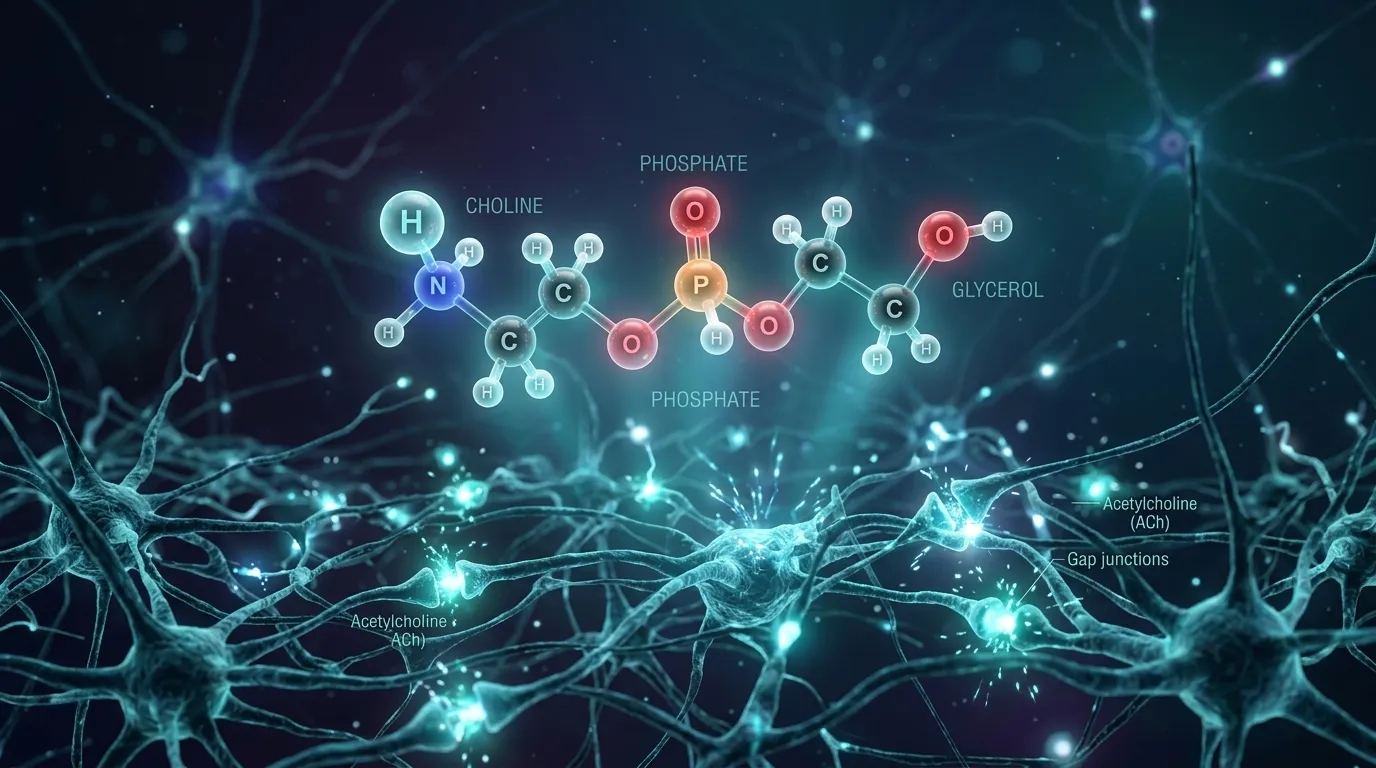
Alpha-GPC (L-alpha-glycerylphosphorylcholine) is a choline-containing phospholipid that your body uses to make acetylcholine, the neurotransmitter responsible for memory, learning, and muscle contraction. It also feeds into phosphatidylcholine synthesis, the phospholipid that forms the structural backbone of cell membranes throughout the nervous system.
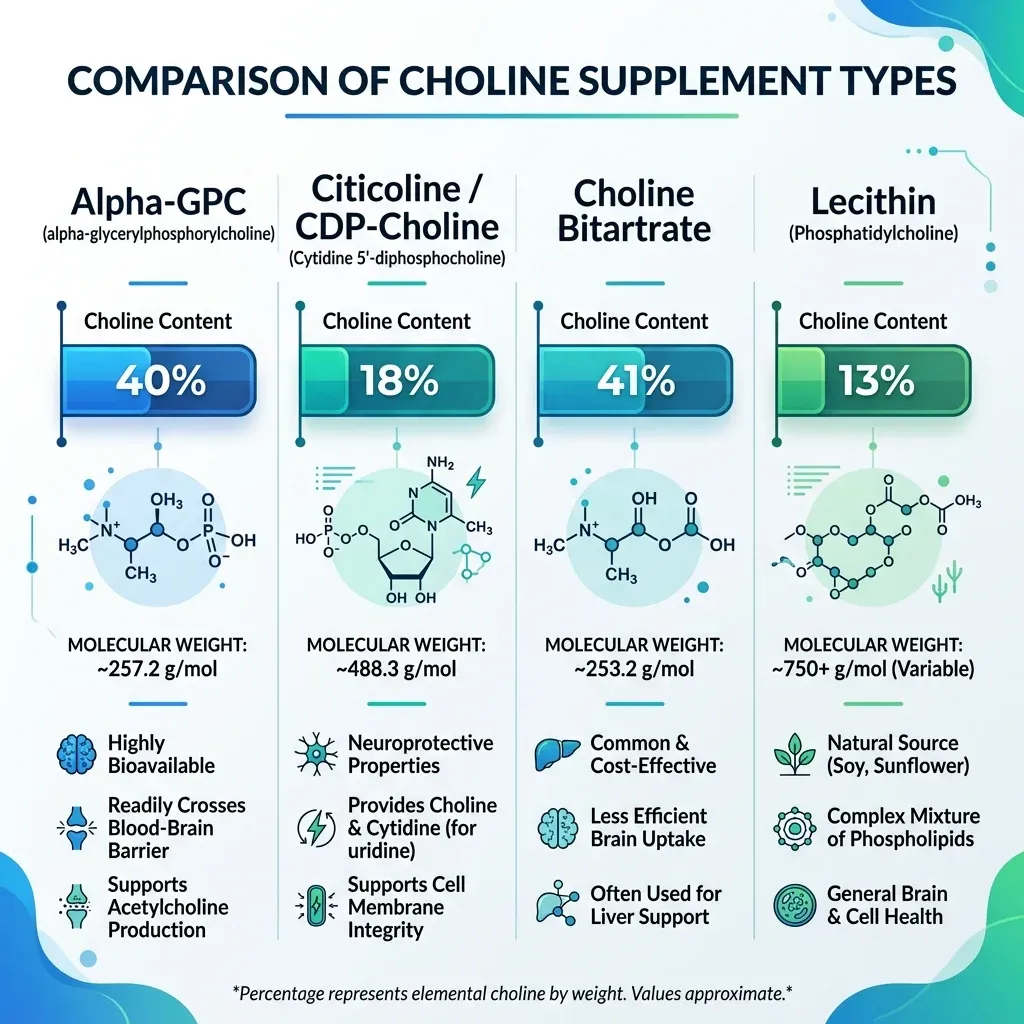
Structurally, alpha-GPC is a lecithin molecule stripped of its two fatty acid chains. That simplicity is actually an advantage: the compound is 40% choline by weight, making it the most concentrated choline source available in supplement form. For comparison, choline bitartrate delivers roughly 41% choline but reaches the brain less efficiently, and citicoline (CDP-choline) contains only about 18% choline by molecular weight.
Your body produces small amounts of alpha-GPC naturally during the metabolism of lecithin in cell membranes, but supplemental doses deliver far more than what internal turnover provides. In several European countries, alpha-GPC has been prescribed as a pharmaceutical (under names like Gliatilin and Delecit) for cognitive decline since the 1990s. In the United States and most other markets, it is sold as a dietary supplement.
Quick fact: Alpha-GPC is found naturally in small amounts in beef liver (77.9 mg per 100g), Atlantic cod (30 mg per 100g), and oat bran (33.3 mg per 100g), but these food-level doses are far below what clinical studies use.
How Alpha-GPC Works in the Brain
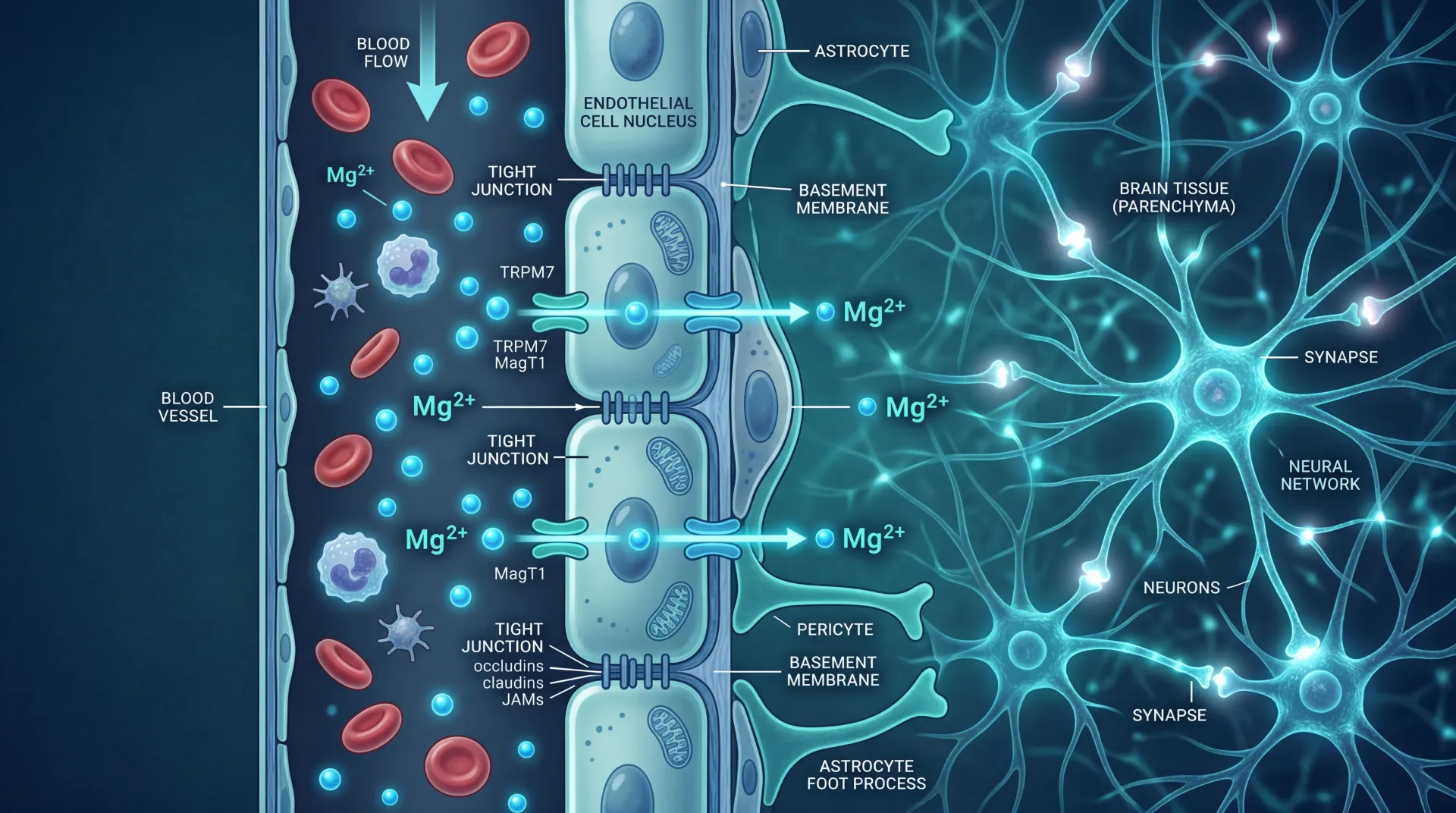
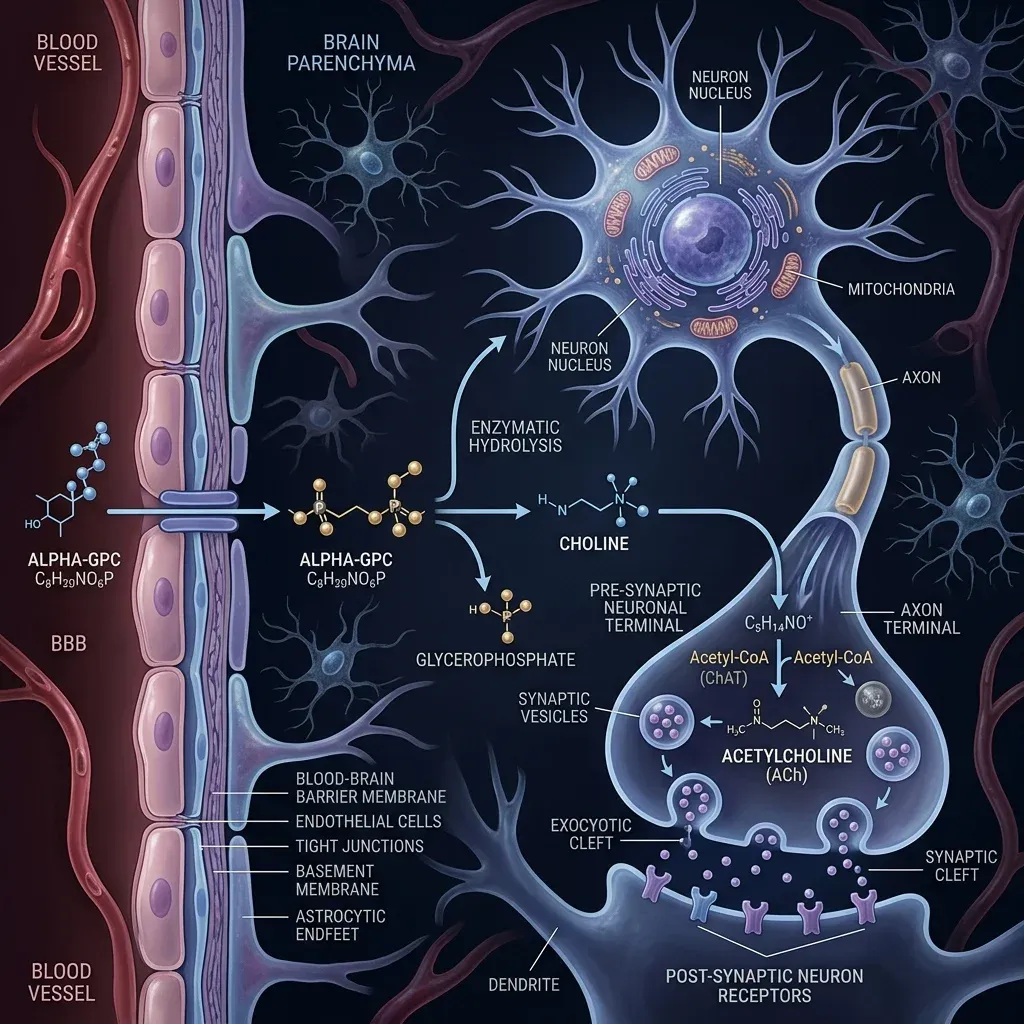
After you swallow an alpha-GPC capsule, the compound is broken down in the gut into free choline and glycerophosphate. Both pieces cross the blood-brain barrier, though alpha-GPC itself can also cross intact before being metabolized inside neural tissue. A study in healthy young men found that 1,000 mg of alpha-GPC raised plasma choline from 8.1 to 12.1 mcmol/L within 60 minutes, a 49% jump that stayed elevated at 120 minutes.
Once inside the brain, the choline feeds two parallel pathways:
- Acetylcholine production: Choline acetyltransferase converts free choline into acetylcholine, the neurotransmitter that governs attention, memory encoding, and the signaling between neurons in the hippocampus and cortex.
- Phospholipid repair: Glycerophosphate recombines with fatty acids to rebuild phosphatidylcholine in neuronal membranes. In Alzheimer's and age-related cognitive decline, membrane phospholipids break down at an accelerated rate as the brain cannibalizes its own cell structures to meet rising choline demands. Alpha-GPC's glycerophosphate component may help reverse that deficit.
Animal research has shown that alpha-GPC increases the expression of the vesicular acetylcholine transporter across multiple brain regions, not just the cortex. It also appears to boost dopamine and serotonin concentrations in the frontal cortex and cerebellum, effects not seen with equivalent doses of CDP-choline. Alpha-GPC, then, is not merely a choline delivery truck. It seems to influence dopamine and serotonin systems through membrane interactions that researchers have not yet fully characterized.
Peak brain activity from a single dose appears to occur between 1 and 3 hours after ingestion, with radiolabeled studies in animals showing continued choline incorporation into acetylcholine for up to 24 hours. This pharmacokinetic window explains why most cognitive studies have participants take alpha-GPC 30-60 minutes before testing.
Brain Health Benefits Backed by Research
The evidence for alpha-GPC falls into two categories: clinical populations with cognitive decline, and healthy adults looking for a cognitive edge. The quality of evidence is stronger in the first group.
Cognitive Decline and Dementia
A 2023 systematic review and meta-analysis pooled data from seven randomized controlled trials and one prospective cohort study covering 861 participants with adult-onset dementia disorders. The findings were consistent across multiple measurement tools:
| Outcome | Comparison | Mean Difference | 95% CI |
|---|---|---|---|
| Cognition (MMSE) | Alpha-GPC vs. placebo/other drugs | 3.50 points improvement | 0.36 to 6.63 |
| Cognition (MMSE) | Alpha-GPC + donepezil vs. donepezil alone | 1.72 points improvement | 0.20 to 3.25 |
| Cognition (ADAS-Cog) | Alpha-GPC + donepezil vs. donepezil alone | -5.76 (improvement) | -8.07 to -3.46 |
| Behavioral symptoms (NPI) | Alpha-GPC + donepezil vs. donepezil alone | -7.61 (improvement) | -10.31 to -4.91 |
The largest single trial within this analysis (Moreno, 2003) gave 261 patients with mild to moderate Alzheimer's disease either 1,200 mg alpha-GPC daily or placebo for 180 days. The alpha-GPC group showed a decrease in ADAS-Cog scores (cognitive improvement) while the placebo group mildly worsened. Benefits were apparent at 90 days and continued building through the full six months.
A separate 2025 meta-analysis compared alpha-GPC head-to-head against citicoline (another popular choline precursor) across three RCTs with 358 dementia patients. Alpha-GPC was significantly more effective than citicoline on the Sandoz Clinical Assessment for Geriatric Patients scale, with particular advantages in cognitive function, interpersonal relationships, and somatic functioning.
Healthy Adults and Acute Cognition
Research in people without cognitive impairment is thinner but growing. A 2024 randomized controlled trial gave 20 resistance-trained men either placebo, 315 mg, or 630 mg of alpha-GPC in a crossover design. One hour after ingestion, the high-dose group improved their Stroop test total score by 13.0 points versus 5.2 in the placebo group (p = 0.013, effect size d = 0.61). They also completed the test faster. Even the low dose showed significant improvement over placebo (10.8 vs. 5.2, p = 0.046).
The Stroop test measures your ability to suppress competing information and stay focused, the kind of executive function that matters when you are making rapid decisions under pressure. Until this study, most alpha-GPC cognition data came from elderly patients with dementia. Showing a measurable effect in healthy 31-year-olds opens the door to applications in athletics, military operations, and other high-stakes cognitive environments.
An earlier pilot study (Parker et al., 2015) found that 200 mg of alpha-GPC produced serial subtraction test scores that were 18.1% faster than caffeine and 10.5% faster than placebo, though the results did not reach statistical significance due to high individual variability. A 2021 study by Tamura and colleagues found that 400 mg daily for 14 days significantly improved motivation levels in healthy volunteers.
Where does this leave you if you are cognitively healthy? The dementia literature has multiple large trials and meta-analyses behind it. The healthy-population data is smaller and shorter. Suggestive, not settled. If you have no cognitive complaints, the case for alpha-GPC rests on a handful of encouraging pilot studies rather than a locked-down evidence base.
Physical Performance and Growth Hormone Effects
Alpha-GPC has picked up a following in sports nutrition circles, mainly around two claims: it increases power output, and it spikes growth hormone.
Power and Strength
A pilot study found that 600 mg of alpha-GPC taken 45 minutes before exercise improved peak bench press power by 14% compared to placebo. Bellar et al. (2015) had 13 young men supplement with 600 mg daily for six days and reported significant improvements in lower-body isometric force production. Another study using 250 mg daily for seven days found increases in maximum velocity and maximum mechanical power during countermovement jumps.
Parker et al. (2015) also measured vertical jump peak power and found that 200 mg alpha-GPC produced an 8.5% increase, 400 mg produced a 7.5% increase, and caffeine only a 2.0% increase relative to placebo. None of these reached statistical significance, but the consistent direction across doses was noteworthy.
| Study | Dose | Duration | Performance Finding |
|---|---|---|---|
| Ziegenfuss et al. | 600 mg | Single dose | 14% higher peak bench press power |
| Bellar et al. 2015 | 600 mg/day | 6 days | Significant increase in isometric force |
| Marcus et al. 2017 | 250 mg/day | 7 days | Increased max velocity and max power |
| Parker et al. 2015 | 200-400 mg | Single dose | +7.5-8.5% vertical jump power (non-significant) |
Growth Hormone
Kawamura et al. (2012) gave eight healthy males 1,000 mg alpha-GPC and measured growth hormone at intervals. At 60 minutes, GH levels spiked from 1.4 to 4.5 ng/mL, a 221% increase that normalized by 120 minutes. Ziegenfuss et al. reported that 600 mg amplified the exercise-induced GH spike from 5.0 ng/mL (placebo) to 8.4 ng/mL, significantly higher at the immediate and 15-minute post-exercise marks.
The catch: these GH spikes are short-lived. They normalize within two hours. The broader research on whether acute GH pulses from supplements actually drive muscle growth or fat loss is, at best, mixed. For now, the GH effect is pharmacologically interesting but not something to build a training program around.
Dosage Guidelines
Alpha-GPC dosing splits along two lines depending on what you are trying to accomplish:
| Goal | Dose | Timing | Evidence Basis |
|---|---|---|---|
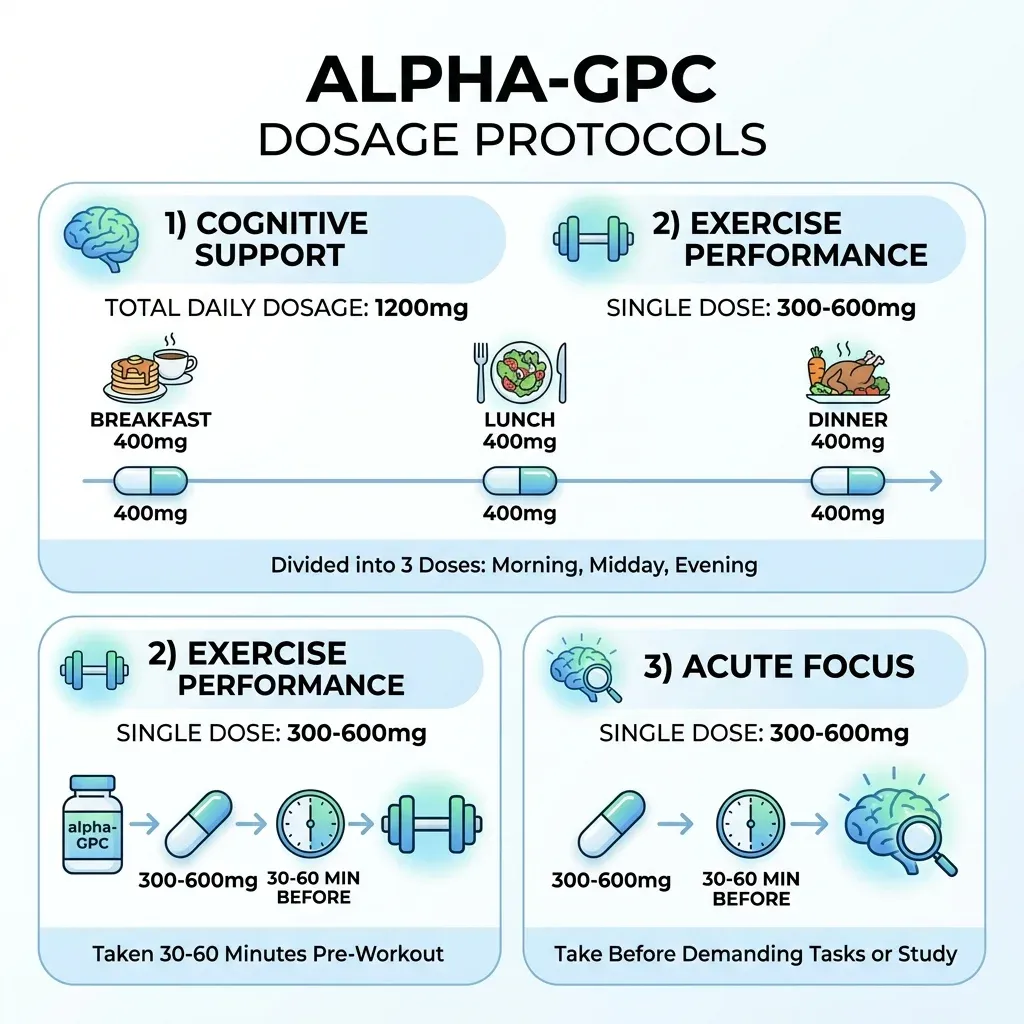
| Cognitive decline / dementia support | 1,200 mg/day (400 mg x 3) | Divided across meals | Multiple RCTs, 90-720 days |
| Acute cognitive enhancement | 300-630 mg | 30-60 minutes before task | Smaller RCTs in healthy adults |
| Exercise performance | 300-600 mg | 30-60 minutes before training | Small studies, mixed significance |
| Growth hormone support | 600-1,000 mg | Before exercise or fasting | 2-3 small studies |
Most clinical trials for cognitive decline used the 1,200 mg/day protocol, divided into three 400 mg doses taken with meals. This dosage was used for periods ranging from 90 days to two years with no serious adverse effects reported. For context, the NIH sets Adequate Intake for choline at 550 mg/day for adult males and 425 mg/day for adult females. A 1,200 mg alpha-GPC dose delivers roughly 480 mg of choline, putting you close to the full daily adequate intake from the supplement alone.
If you are taking alpha-GPC for general nootropic purposes or before workouts, the 300-600 mg range is where most exercise and acute cognition studies have operated. Start at the lower end to assess tolerance before increasing.
Side Effects and Safety Considerations
Alpha-GPC has a clean safety record in clinical trials. Doses of 1,200 mg daily for up to six months produced no serious adverse effects. The side effects that do appear tend to be mild:
- Heartburn or gastrointestinal discomfort
- Headache
- Restlessness or mild agitation
- Dizziness (less common)
- Skin rash (rare)
Animal toxicology data suggests alpha-GPC has a wide safety margin. Most people taking standard doses experience no side effects at all.
The TMAO and Cardiovascular Concern
Pay attention here. Alpha-GPC, like other choline compounds, can serve as a substrate for gut bacteria that produce trimethylamine (TMA), which the liver converts to trimethylamine-N-oxide (TMAO). Elevated TMAO has been associated with increased cardiovascular disease risk in population-level studies.
One large retrospective observational study (Lee et al., 2021) involving over 12 million participants in a Korean health database found that people with a history of alpha-GPC use had an adjusted hazard ratio of 1.43 for total stroke over 10 years, with a dose-response effect linked to duration of use. The study attracted attention, though several researchers have questioned its statistical methodology and the difficulty of controlling for confounders in such a design (people prescribed alpha-GPC may already have higher baseline cardiovascular risk).
A mouse study confirmed that alpha-GPC can shift gut microbiome composition, increasing bacteria associated with TMAO production while decreasing protective species like Akkermansia and Lactobacillus. If you are interested in supporting gut microbiome diversity while supplementing, you might explore approaches covered in our guide to Akkermansia and metabolic health.
Bottom line on TMAO: The association exists and warrants monitoring, but the causative link between supplemental alpha-GPC, TMAO levels, and cardiovascular events has not been established. If you have existing cardiovascular risk factors, discuss alpha-GPC use with your doctor.
Drug Interactions
Alpha-GPC may counteract the effects of anticholinergic medications (such as scopolamine, certain antihistamines, and bladder medications) by increasing acetylcholine levels. This interaction has been documented in animal studies using doses that exceed typical human use. If you take anticholinergic drugs, consult a healthcare provider before adding alpha-GPC.
Pregnancy and Lactation
Alpha-GPC has not been specifically studied in pregnant or lactating women. Because it is primarily metabolized to choline in the gut, and choline is an essential nutrient during pregnancy, oral alpha-GPC is likely safe. Still, the absence of direct safety data means caution is appropriate. Pregnant women can meet their elevated choline needs (450 mg/day AI during pregnancy) through food sources and conventional choline supplements that have a longer track record.
Alpha-GPC vs. Other Choline Supplements
Choline supplements are not interchangeable. The four main options differ in how much choline they deliver and how well they reach the brain:
| Supplement | Choline by Weight | Crosses BBB? | Best For | Drawback |
|---|---|---|---|---|
| Alpha-GPC | 40% | Yes | Brain choline delivery, cognitive support | TMAO concern at high doses |
| Citicoline (CDP-Choline) | ~18% | Yes | Neuroprotection, phospholipid synthesis | Lower choline per gram, more expensive |
| Choline Bitartrate | ~41% | Poorly | Liver health, meeting daily choline AI | Minimal brain penetration |
| Lecithin (Phosphatidylcholine) | ~13% | Partially | General membrane support | Very low choline yield, requires large doses |
A crossover study that directly compared plasma choline levels after equivalent choline doses from alpha-GPC, choline chloride, egg phosphatidylcholine, and choline bitartrate found no significant difference in total choline area-under-curve. Where alpha-GPC separates itself is in brain-specific delivery. Because it requires a lower total dose to deliver the same amount of choline (46% the dose of CDP-choline), and because it crosses the blood-brain barrier more readily, alpha-GPC is generally considered the strongest cholinergic supplement for cognitive applications.
Citicoline has its own advantages, though. It provides uridine, which independently supports phospholipid synthesis, and several studies show neuroprotective benefits after stroke that do not overlap with alpha-GPC's profile. The two are better thought of as complementary tools rather than direct competitors. For more on brain-supporting supplements, see our article on phosphatidylserine for memory and cortisol management.
People who stack nootropics often pair alpha-GPC with racetams, which increase acetylcholine demand at synapses. The theory is that providing extra choline substrate prevents the "choline headache" some users report when taking acetylcholine-depleting nootropics without a choline source. While this practice is widespread in nootropic communities, formal clinical trials on the combination are limited. If you are exploring other compounds that support brain health, our methylene blue guide covers another molecule with neuroprotective research behind it.
Frequently Asked Questions
How long does it take for alpha-GPC to work?
Single-dose studies show measurable effects on cognition within 60 minutes. For clinical cognitive decline, most trials found significant improvements beginning around 90 days, with continued gains through 180 days or longer. The acute and chronic timelines reflect different mechanisms: the immediate effects come from increased acetylcholine availability, while longer-term benefits likely involve membrane phospholipid repair and neurotransmitter system adaptation.
Can I take alpha-GPC every day?
Clinical trials have used daily doses of 1,200 mg for up to six months (and the ASCOMALVA trial ran for two years) without serious adverse effects. Daily use appears safe for most adults. The main caveat is the TMAO association with long-term use. If you plan to take alpha-GPC continuously for months, periodic cardiovascular health check-ups are reasonable, especially if you have existing risk factors.
Should I take alpha-GPC with food or on an empty stomach?
The clinical trials used alpha-GPC with meals when divided into three daily doses. For acute cognitive or exercise performance effects, most studies administered it 30-60 minutes before the task without requiring food. Taking it with a small amount of fat may improve absorption of this phospholipid compound, but no studies have formally compared fed versus fasted absorption.
Is alpha-GPC safe to combine with other nootropics?
Alpha-GPC is commonly stacked with racetams, N-acetyl cysteine (NAC), and caffeine in nootropic communities. The combination of alpha-GPC with donepezil (an acetylcholinesterase inhibitor) has been studied in multiple clinical trials and showed additive benefits. However, combining multiple cholinergic compounds could theoretically lead to excess acetylcholine activity. Start conservatively and adjust based on your response.
Does alpha-GPC show up on drug tests?
No. Alpha-GPC is not prohibited by the World Anti-Doping Agency (WADA) as of the current prohibited substances list, and it will not trigger positive results on standard drug screenings. It is legal for use in competitive sports.
Related Articles
- Phosphatidylserine for Memory, Cortisol, and Brain Health — Another phospholipid supplement with research backing its role in cognitive function and stress hormone management.
- Methylene Blue for Brain Health — A different approach to neuroprotection with emerging research on mitochondrial function in neurons.
- The Gut-Brain Axis: How Your Microbiome Affects Mood and Cognition — Relevant context for understanding the TMAO concern and how gut bacteria influence brain health outcomes.
- NAD+ and NMN Supplements for Aging and Cellular Repair — Covers another class of supplements targeting age-related cognitive and cellular decline.
Medical Disclaimer
This article is for informational and educational purposes only and is not medical advice, diagnosis, or treatment. Always consult a licensed physician or qualified healthcare professional regarding any medical concerns. Never ignore professional medical advice or delay seeking care because of something you read on this site. If you think you have a medical emergency, call 911 immediately.