Not another supplement mushroom
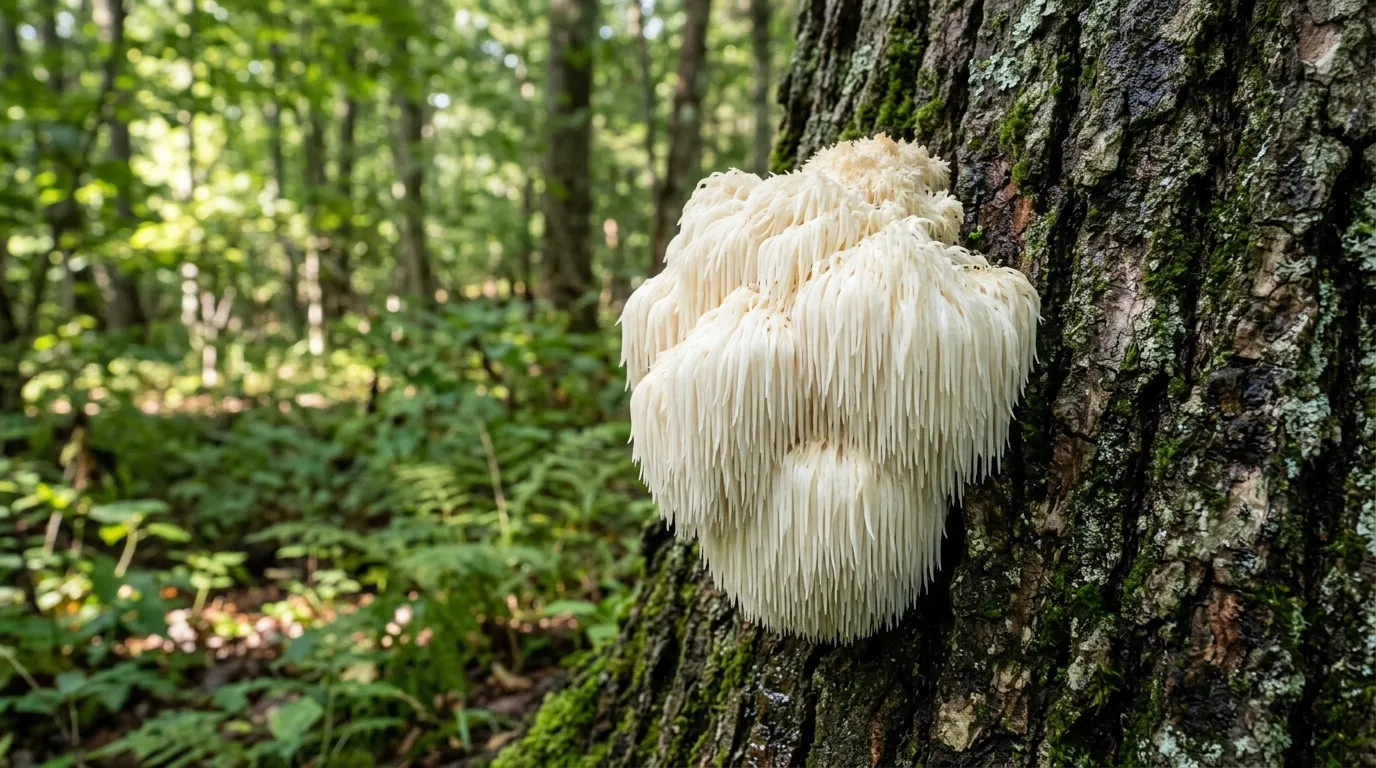
Lion's mane (Hericium erinaceus) is an odd-looking fungus. It grows on dead or dying hardwood trees in North America, Europe, and East Asia, and instead of the cap-and-stem shape most people expect from mushrooms, it produces a mass of long, dangling white spines that resemble a shaggy mane. In traditional Chinese and Japanese medicine, practitioners have used it for centuries to treat stomach ailments, support general vitality, and more recently, to address cognitive concerns.
Most "brain mushrooms" on supplement shelves have thin evidence behind them. Lion's mane has a more specific story: it contains compounds that stimulate your body to produce more nerve growth factor (NGF) and brain-derived neurotrophic factor (BDNF), two proteins your nervous system uses to maintain, repair, and grow neurons. A handful of clinical trials have tested this in humans, and the results are neither miraculous nor empty. They are worth looking at carefully.
Nerve growth factor: the protein behind the hype
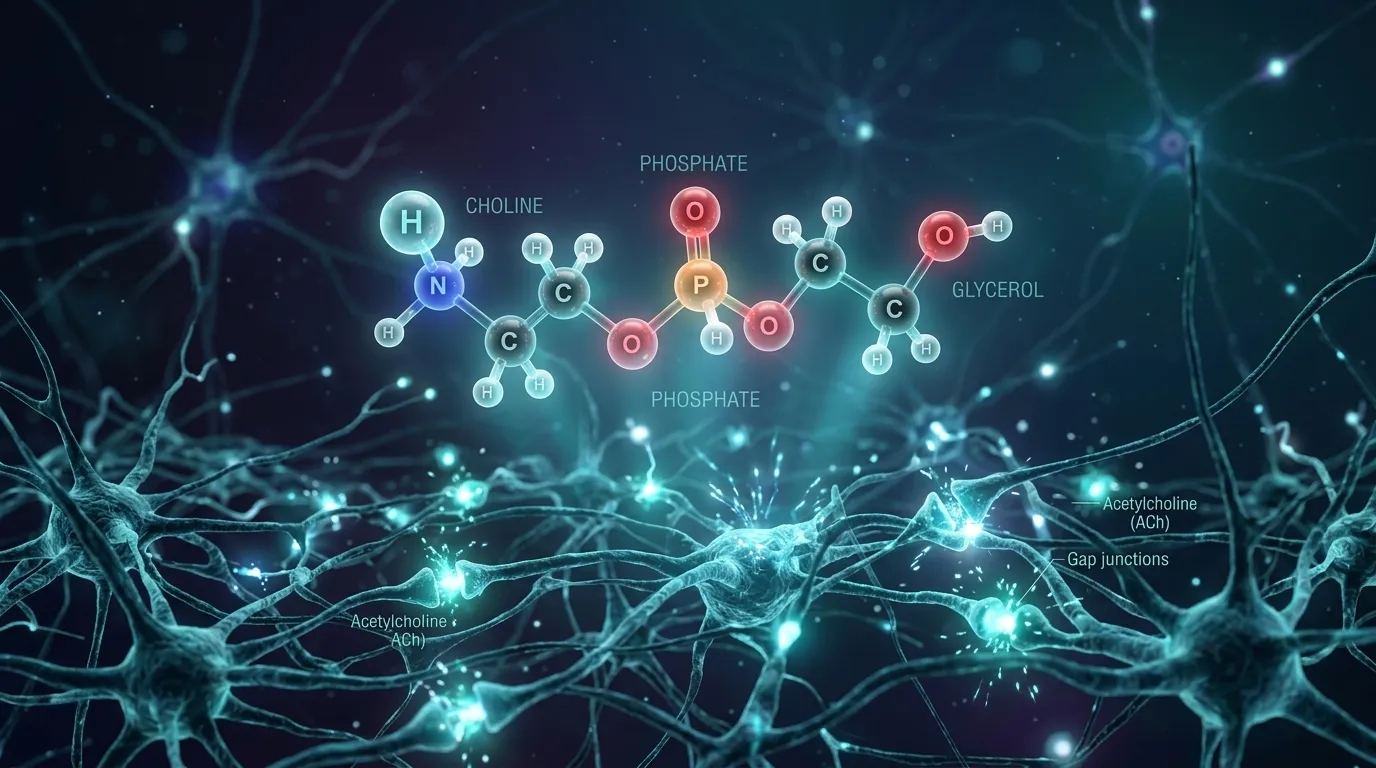
Nerve growth factor is a protein your body produces to maintain the health, survival, and plasticity of cholinergic neurons, the nerve cells most affected in Alzheimer's disease and age-related cognitive decline. NGF is concentrated in the basal forebrain, hippocampus, cerebral cortex, and olfactory bulb (the same brain regions targeted by phosphatidylserine supplements). When NGF levels drop, neurons lose their maintenance signal. Research has found reduced NGF levels in the basal forebrain of Alzheimer's patients, and even in people without dementia symptoms who have amyloid plaques, frontal cortex NGF levels run lower than normal.
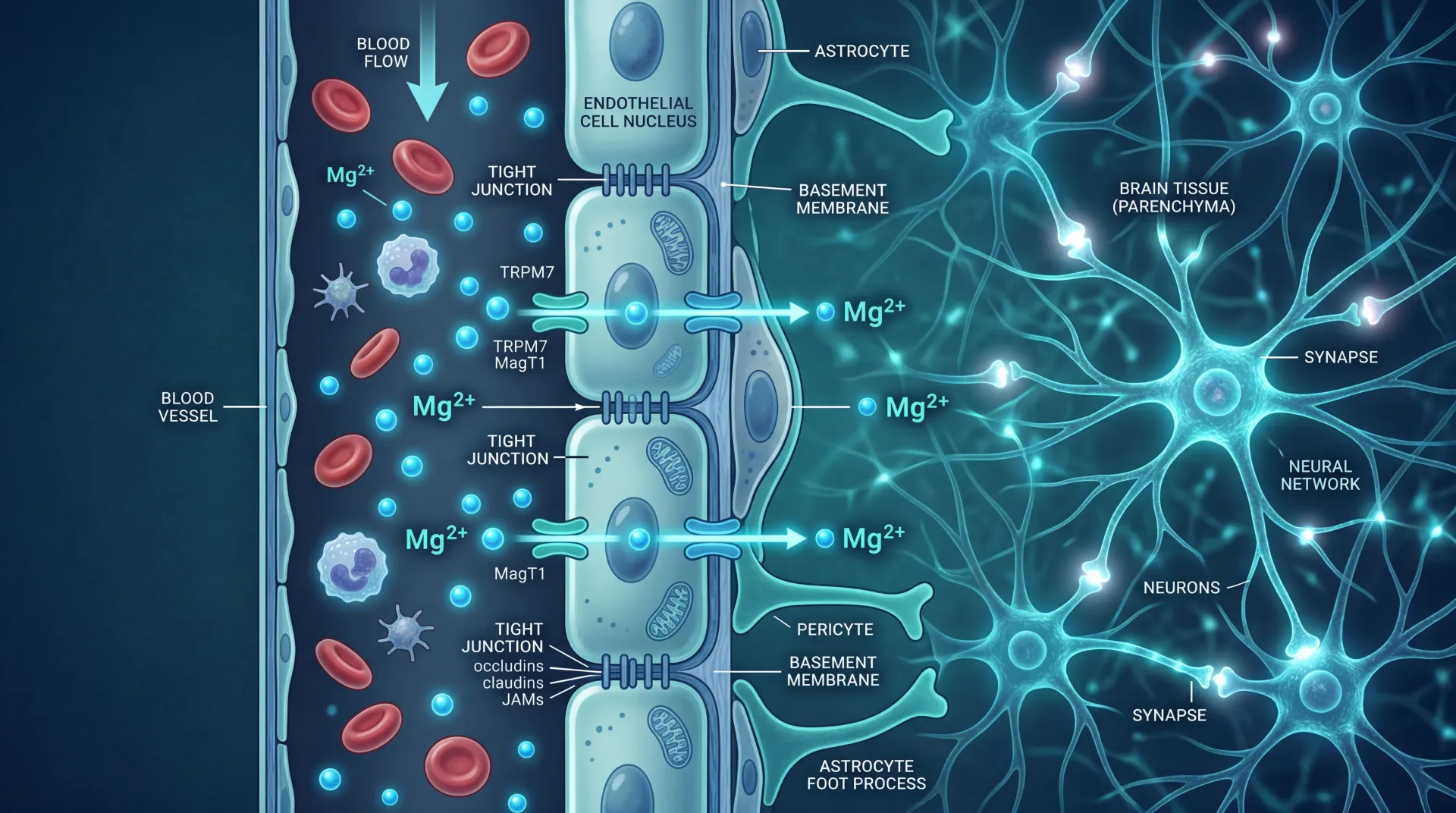
The problem is that NGF cannot cross the blood-brain barrier when administered as a drug, and it gets broken down quickly by peptidases. That's why researchers have focused on finding compounds that stimulate your body to produce its own NGF inside the brain rather than trying to inject it from outside.
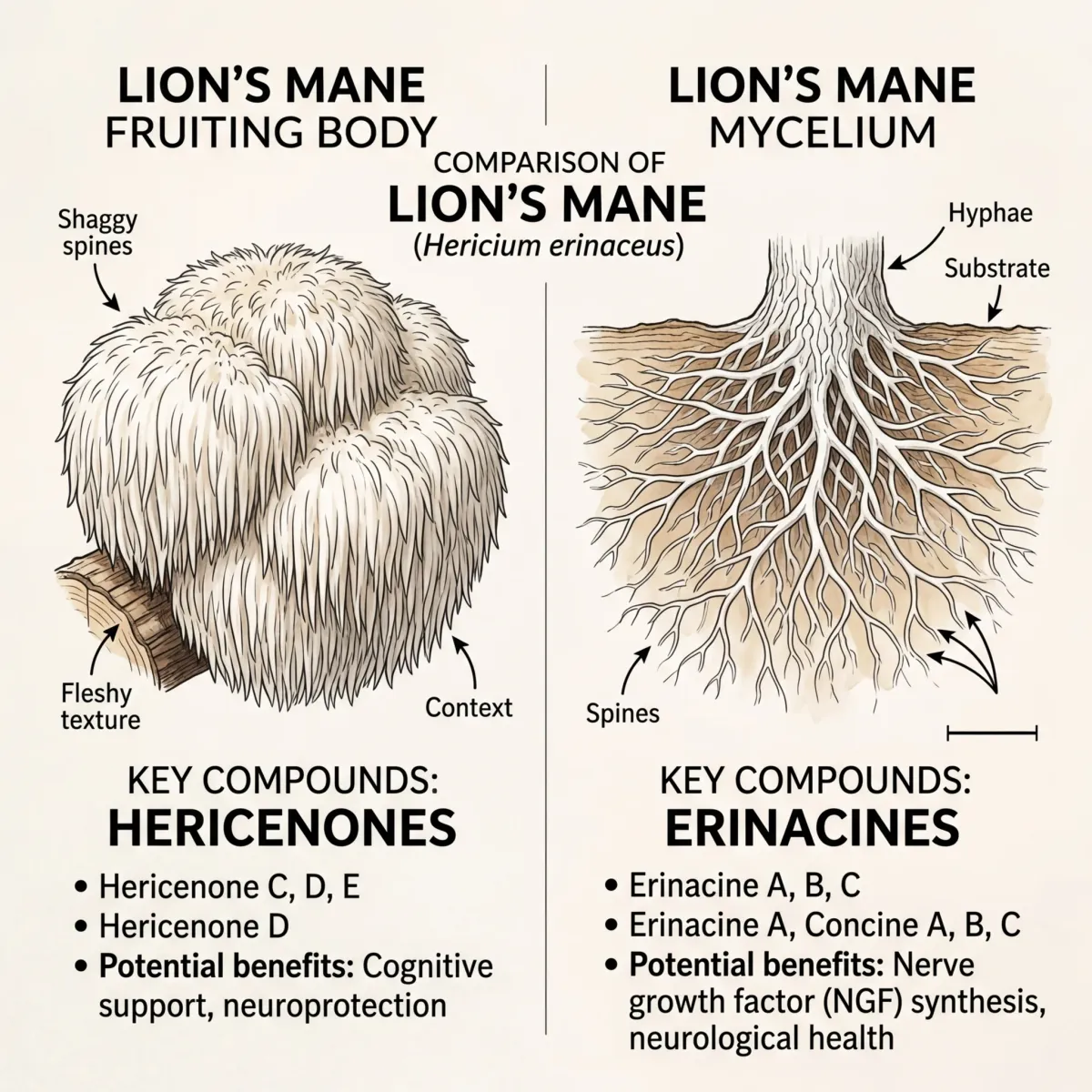
Lion's mane contains two families of compounds that do exactly this. Hericenones (found in the fruiting body, the part you eat) and erinacines (found in the mycelia, the root-like structure) both stimulate NGF synthesis in cell studies. Among the erinacines, erinacine A is the most studied, inducing 250.1 pg/ml of NGF in vitro and increasing both NGF and catecholamine content in the hippocampus and locus coeruleus of rats when administered at 8 mg/kg body weight. Erinacine C has shown even stronger NGF-stimulating activity at 299.1 pg/ml in the same laboratory conditions.
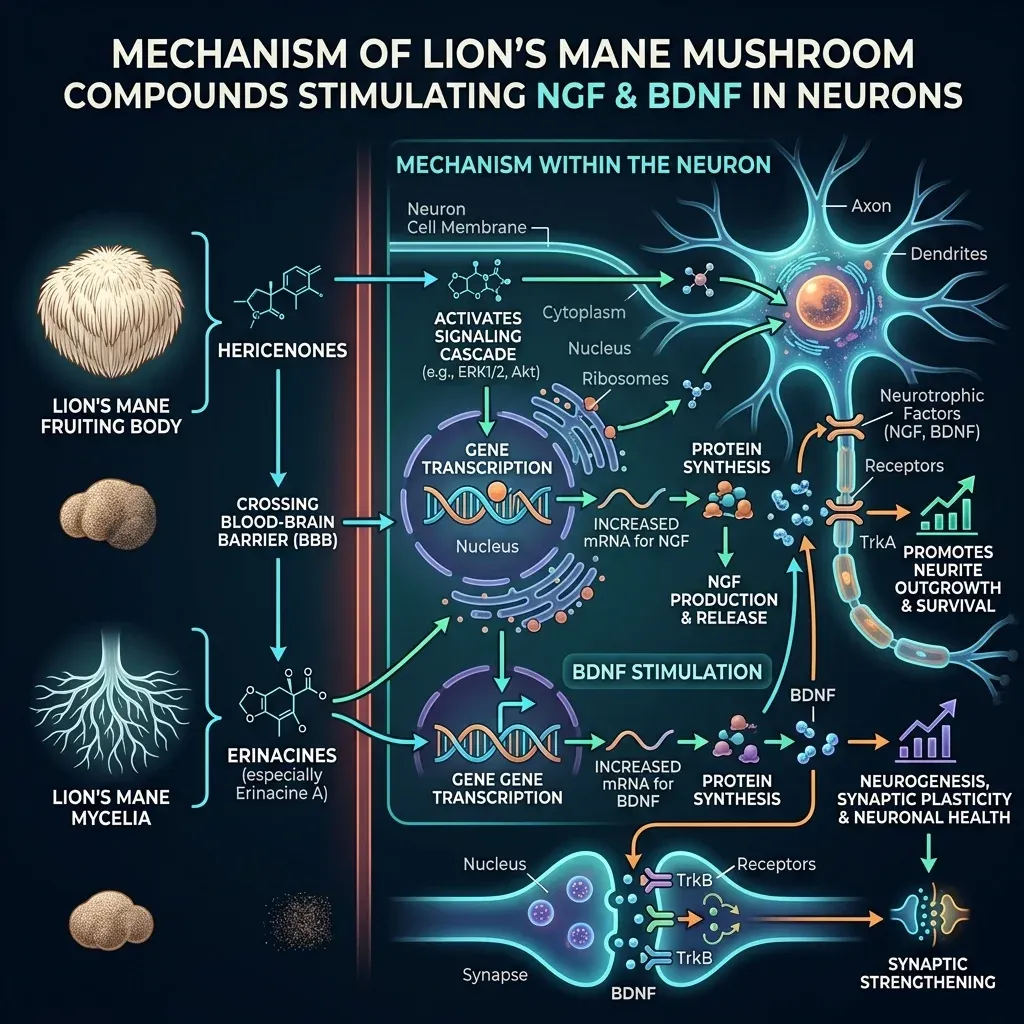
The two compound families are not equivalent. Erinacines appear to cross the blood-brain barrier more readily than hericenones. In a rat pharmacokinetics study, erinacine S reached peak plasma concentration at 270 minutes after oral administration. Hericenones, by contrast, failed to stimulate NGF gene expression in human astrocytoma cells, suggesting they may not be the primary compounds responsible for the neuroprotective effects seen in studies. This matters for choosing supplements (more on that in the dosage section below).
Beyond NGF, lion's mane also influences BDNF, a second neurotrophic factor that regulates synaptic plasticity and is considered central to learning and memory. A 2019 study in overweight adults found that 8 weeks of H. erinaceus extract supplementation increased circulating pro-BDNF alongside improvements in mood and sleep quality. Compounds isolated from the fruiting bodies, including a newly identified substance called isohericerinol A, have been shown to increase both NGF and BDNF protein expression in glioma cells while also boosting synaptophysin, a marker of healthy synaptic connections.
What clinical trials actually found
Cell and animal studies tell you whether something is plausible. Clinical trials tell you whether it works in people. The trial literature on lion's mane is small, and every study has caveats, but several have produced interesting data.
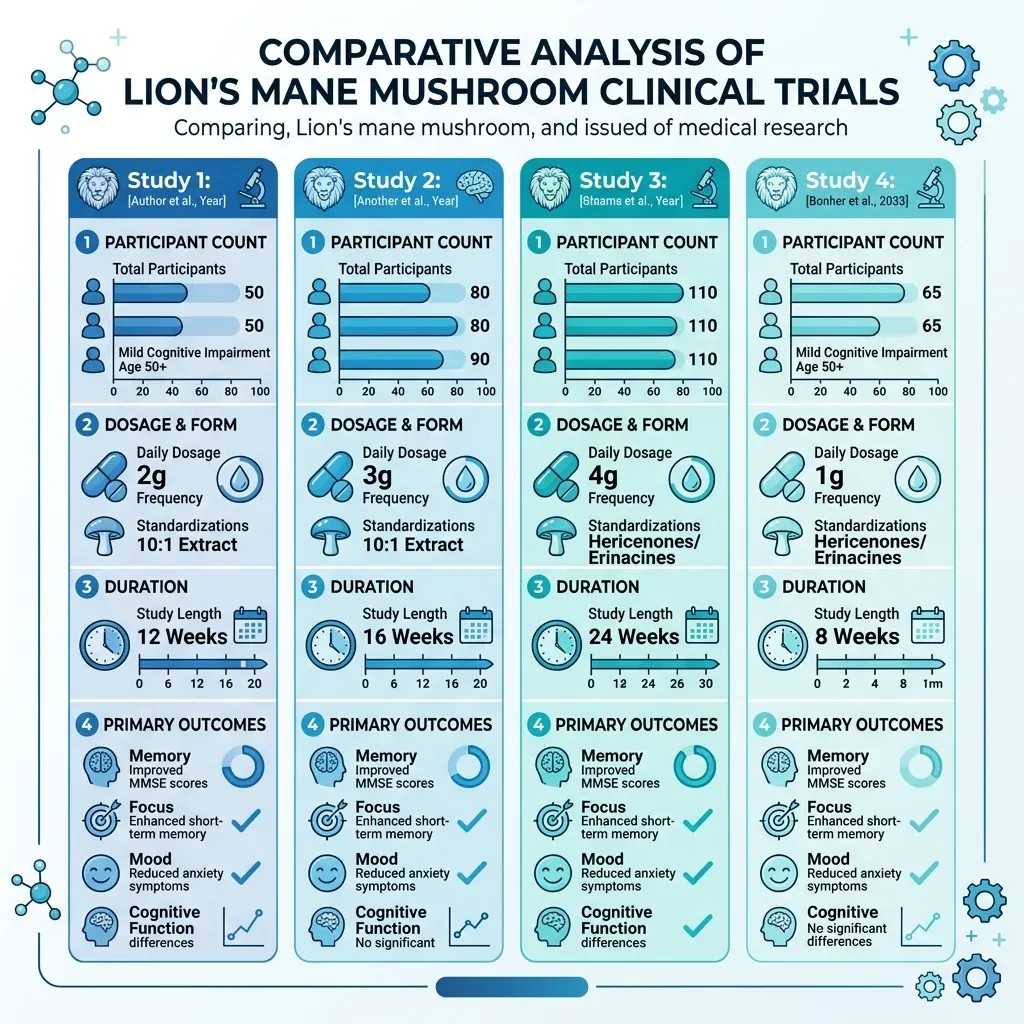
Quick summary: Across the existing trials, lion's mane supplementation shows consistent positive trends in cognitive function, with the most convincing results in older adults with mild cognitive impairment. Effects in young, healthy adults are more subtle and less certain.
| Study | Participants | Dose & duration | Outcome |
|---|---|---|---|
| Mori et al. 2009 | 30 adults, age 50-80, mild cognitive impairment | 3 g/day for 16 weeks | 71.4% judged "notably improved"; scores declined after stopping |
| Li et al. 2020 | Mild Alzheimer's patients | Erinacine A-enriched mycelia (3 x 350 mg capsules, 5 mg/g erinacine A) for 49 weeks | Improved MMSE scores; better daily living independence scores at week 49 |
| Docherty et al. 2023 | 41 healthy adults, age 18-45 | 1.8 g/day for 28 days | Faster Stroop task performance after single dose (p = 0.005); trend toward reduced stress (p = 0.051) |
| Saitsu et al. 2019 | Adults age 50+ | 3.2 g powdered fruiting body for 12 weeks | Improved MMSE scores; no additional cognitive effects detected |
The Mori 2009 trial remains the most widely cited. In that double-blind, placebo-controlled study, 50- to 80-year-olds with mild cognitive impairment took 250 mg lion's mane tablets three times daily for 16 weeks. The lion's mane group scored progressively higher on cognitive tests at weeks 8, 12, and 16 compared to placebo. But scores dropped back down four weeks after participants stopped taking the supplement, which suggests the effect requires ongoing intake to maintain.
The Li 2020 trial pushed further by studying patients with mild Alzheimer's disease over 49 weeks. Participants received erinacine A-enriched mycelia capsules. By week 49, the treatment group showed improved scores on the Mini-Mental State Examination and better Instrumental Activities of Daily Living scores, meaning they maintained greater independence in tasks like shopping and self-care. A 2025 narrative review published in Nutrition Research Reviews analyzed this trial alongside others and concluded that the evidence, while still limited, suggests HE intake "may be an appropriate and relevant future therapeutic treatment for the prevention and delayed progression of Alzheimer's disease."
The Docherty 2023 trial broke new ground by studying healthy young adults (ages 18-45) rather than elderly or cognitively impaired participants. After a single 1.8 g dose, participants performed significantly faster on the Stroop task, a standard measure of processing speed and executive function. Over 28 days, a trend toward reduced subjective stress emerged. But this trial also found that lion's mane participants recalled fewer words on an immediate recall test after the acute dose, a result the researchers could not explain. With only 41 participants, the study was probably underpowered to detect the kind of modest effects you would expect in people already at peak cognitive ability.
The pattern across trials: lion's mane appears most beneficial for people already experiencing cognitive decline. Effect sizes are larger and more consistent in that group. For healthy young adults at peak cognitive ability, the effects are subtler and harder to detect with the small sample sizes used so far.
Beyond cognition: inflammation, gut, and mood
Brain health dominates the lion's mane conversation, but the mushroom does more than one thing in the body.
Inflammation and oxidative stress. Lion's mane polysaccharides (particularly beta-glucans) and terpenoids demonstrate antioxidant effects in lab studies by scavenging reactive oxygen species and activating the body's own antioxidant enzyme systems. A 2025 narrative review in Nutrients detailed how these compounds reduce inflammatory markers including IL-6, TNF-alpha, and NF-kB. In a rat model of stroke, erinacine A-enriched mycelia reduced total infarct volume by 22% at 50 mg/kg and 44% at 300 mg/kg over five days of pretreatment, while also reducing pro-inflammatory cytokines in brain tissue.
Gut health. The Cleveland Clinic notes that lion's mane contains compounds supporting gut microbiome health, including prebiotic fibers that promote beneficial bacteria growth. Lab studies show activity against H. pylori, the bacterium responsible for most stomach ulcers. A 2019 animal study suggested potential for treating ulcerative colitis. These are all animal and lab findings so far. Still, gut inflammation and brain inflammation are increasingly recognized as linked, so these results connect to the cognitive story in ways researchers are still mapping.
Mood and depression. A 2010 study by Nagano and colleagues found that menopausal women who consumed lion's mane-containing cookies (2 g powdered fruiting body daily) for four weeks showed reduced depression and anxiety scores compared to placebo. The mechanism likely involves multiple pathways: NGF stimulation (serum NGF levels are lower in people with major depressive disorder), modulation of monoamine neurotransmitters (dopamine, serotonin, norepinephrine), and anti-inflammatory effects that may reduce neuroinflammation linked to mood disorders.
If you are interested in other compounds with overlapping anti-inflammatory and neuroprotective effects, several are worth exploring alongside lion's mane for a broader approach to brain health support.
Myths vs. facts about lion's mane
| Myth | Fact |
|---|---|
| Lion's mane works immediately for memory | The Mori 2009 trial showed improvements building over 8-16 weeks. A single dose improved processing speed in one study, but memory effects require sustained use. |
| Any lion's mane supplement works the same | Mycelium extracts contain erinacines (the compounds with the strongest NGF evidence), while fruiting body products contain hericenones. The two are not interchangeable for brain health purposes. |
| Lion's mane cures Alzheimer's disease | No supplement cures Alzheimer's. The evidence suggests potential to slow progression and improve some cognitive markers, but all clinical trials have been small. |
| It is a new discovery | H. erinaceus has been used in traditional Chinese medicine for centuries. Scientific research on its NGF-stimulating properties began in the 1990s with Kawagishi's discovery of erinacines. |
| Higher doses are always better | Clinical studies have used 1-3 g daily with positive results. No dose-response studies have established that more is better, and no optimal dose has been confirmed. |
Dosage, forms, and what to look for
Clinical trials have used daily doses ranging from 1,050 mg to 3,000 mg, typically divided into three doses throughout the day. The 2009 Mori trial used 3 g/day (as 250 mg tablets taken three times), and the 2023 Docherty trial used 1.8 g/day (as three 600 mg capsules). No study has established a minimum effective dose or an optimal dose, so most supplement recommendations fall somewhere in that 1-3 g range.
| Form | Advantages | Considerations |
|---|---|---|
| Mycelium extract (capsules) | Contains erinacines; used in most clinical trials with positive results | Quality varies widely; look for standardized erinacine content (3+ mg/g) |
| Fruiting body extract (capsules/powder) | Contains hericenones and polysaccharides; traditional preparation | Hericenones may not cross the blood-brain barrier as effectively |
| Whole mushroom (fresh or dried) | Food-grade; mild seafood-like flavor; edible raw or cooked | Bioactive compound concentrations lower than extracts |
| Dual extract (fruiting body + mycelium) | Broader range of compounds | Standardization harder to verify; marketing often exceeds evidence |
The distinction between mycelium and fruiting body matters more for lion's mane than for most other medicinal mushrooms. Erinacine A, the compound with the strongest neuroprotective evidence in animal and human studies, is found exclusively in the mycelia, not the fruiting body. The fruiting body does not contain erinacines. If your primary goal is cognitive support, a mycelium-based product with verified erinacine content gives you the best chance of getting the compounds studied in clinical research.
For quality assurance, look for products that specify erinacine concentration (ideally 3 mg/g or higher, matching the research standard), come from manufacturers who provide third-party testing certificates, and avoid products grown on grain substrates without separation, as the final product may contain mostly grain starch rather than fungal material.
Like many natural compounds studied for longevity and neuroprotection, lion's mane has a favorable safety profile in trials. In the Docherty 2023 study, compliance was 96% and no serious adverse events were reported. The Cleveland Clinic notes that lion's mane appears safe unless you have a mushroom allergy. As with any supplement, talk to a healthcare provider before starting, particularly if you take medications or have existing health conditions. Lion's mane is not FDA-approved for any medical condition.
If you are exploring nootropics more broadly, lion's mane fits into the category of compounds that work through neurotrophin support rather than direct neurotransmitter stimulation, which gives it a different risk-benefit profile from stimulant-type cognitive enhancers.
Frequently Asked Questions
How long does it take for lion's mane to affect cognitive function?
Based on the clinical trial evidence, cognitive improvements in people with mild impairment become measurable around 8 weeks and continue building through 16 weeks. A single dose may improve processing speed within 60 minutes, based on the Docherty 2023 study, but sustained cognitive benefits require consistent daily intake over several weeks. Cognitive scores declined within 4 weeks of stopping in the Mori 2009 trial.
Is lion's mane safe to take every day?
Clinical trials lasting up to 49 weeks reported no serious adverse events. The longest published trial (Li 2020) ran for nearly a year without safety concerns. The most common issue reported is mild digestive discomfort in some users. People with mushroom allergies should avoid lion's mane entirely. Consult your doctor if you take blood thinners or immunosuppressants, as limited interaction data exists.
Should I choose fruiting body or mycelium supplements?
For cognitive support specifically, mycelium-based extracts contain erinacines, the compounds with the strongest evidence for stimulating nerve growth factor in the brain. Fruiting body extracts contain hericenones, which have weaker evidence for crossing the blood-brain barrier. For general antioxidant and gut health benefits, fruiting body polysaccharides may be sufficient. Some products combine both.
Can lion's mane replace Alzheimer's medication?
No. Lion's mane is a dietary supplement, not an approved treatment for any disease. The clinical evidence is promising but comes from small trials. Anyone with Alzheimer's or dementia should work with their physician. Lion's mane could be explored as a complementary approach alongside standard medical treatment, never as a replacement.
Does cooking lion's mane destroy the beneficial compounds?
Some bioactive compounds are heat-stable, but cooking may reduce concentrations of certain terpenoids. Hot water extraction is actually the traditional preparation method and is used to make lion's mane tea. For maximum potency of specific compounds like erinacines, standardized extracts in capsule form provide more reliable dosing than eating the mushroom as food, though culinary lion's mane still offers nutritional value including protein, fiber, and minerals.
Related Articles
- A beginner's guide to nootropics and brain upgrades -- An overview of cognitive-enhancing compounds and where lion's mane fits among them.
- Turn your mind on with nootropics for a mental edge -- Practical approaches to using nootropics for focus and mental performance.
- N-acetyl cysteine (NAC): detox, lung, and mental health -- Another compound with neuroprotective and anti-inflammatory properties that pairs well with lion's mane for brain health support.
- Phosphatidylserine: memory, cortisol, and brain health -- A phospholipid that supports cognitive function through a different mechanism than lion's mane.
- Spermidine: the longevity compound in wheat germ and autophagy -- Explores another natural compound linked to cellular renewal and neuroprotection.
Medical Disclaimer
This article is for informational and educational purposes only and is not medical advice, diagnosis, or treatment. Always consult a licensed physician or qualified healthcare professional regarding any medical concerns. Never ignore professional medical advice or delay seeking care because of something you read on this site. If you think you have a medical emergency, call 911 immediately.