Why food cravings feel so intense
Most people blame cravings on weak willpower. That is understandable, but it is also incomplete. A craving is usually a stack of signals happening at once: biology, habit, context, and emotion. You might be low on sleep, running behind at work, and walking past a familiar bakery on autopilot. By the time you notice what is happening, your body and brain have already voted.
Sleep is one of the biggest hidden drivers. In a classic controlled sleep-curtailment study, healthy young men had hormonal shifts tied to increased hunger and appetite after short sleep, including lower leptin and higher ghrelin (Spiegel et al.). Newer free-living randomized crossover data also show that sleep restriction can increase food intake outside a lab (McHill et al.). That helps explain why even highly motivated people can feel "bottomless" after poor sleep.
Food environment matters just as much. In a tightly controlled inpatient randomized trial, participants ate more calories and gained weight on an ultra-processed diet compared with an unprocessed diet, even when meals were matched for many nutrients (Hall et al.). Translation: if your everyday options are engineered for overconsumption, cravings are not just a personal failure story. They are a systems problem.
This is why useful craving work is not about being perfect. It is about changing the odds. You reduce friction for better choices, add small routines that interrupt automatic snacking, and stabilize your energy across the day so cravings do not hit with the same intensity.
Quick reality check: cravings are normal human physiology meeting modern food exposure. Your job is not to eliminate cravings forever. Your job is to shrink their power.
If your goal includes lowering added sugar specifically, this guide on building a sugar-free lifestyle is a good companion read because it covers practical substitution and habit loops in everyday language.
Map your craving pattern before you fix it
People often try random tactics first: gum, coffee, supplements, strict rules, then guilt. That usually fails because the trigger pattern is unclear. Start with a seven-day craving log. Keep it simple. For each episode, note time, place, food wanted, hunger level (0 to 10), stress level (0 to 10), sleep from the previous night, and what happened after you ate or delayed.
You are looking for repeat patterns, not perfect data. Maybe your cravings are mostly at 3:30 p.m. when lunch was light. Maybe they appear at 10:30 p.m. on high-stress days. Maybe weekends are easier because you sleep longer. Once patterns appear, your strategy gets specific and faster.
| Common craving trigger | How it usually feels | High-yield first fix |
|---|---|---|
| Long gap between meals | Sudden urgency, irritability, low concentration | Pre-plan a protein + fiber snack 60 to 90 minutes before your danger window |
| Short sleep | More appetite all day, stronger pull to sweet or salty foods | Protect bedtime plus use a more structured breakfast |
| Stress spike | "I need something now" feeling, mindless reach behavior | 10-minute pause protocol before deciding |
| Visual food cues | Craving appears even when not physically hungry | Remove cue foods from immediate view and create default alternatives |
| Restriction backlash | All-or-nothing mindset, evening overeating | Planned portions instead of absolute bans |
Stress deserves special attention. A systematic review and meta-analysis found a clear relationship between stress and less favorable eating behaviors in healthy adults (Bublitz et al.). That does not mean stress "causes" every craving, but it does mean stress management is part of nutrition strategy, not a separate project.
The point of tracking is not to become obsessive. It is to shift from "I always cave" to "my predictable weak spots are 4 p.m. and late-night TV." Once that is clear, interventions become practical.
Build meals that quiet cravings
Most anti-craving plans fail because meals are too light in protein and too low in fiber, then people try to compensate with discipline. A better approach is mechanical: assemble meals that increase fullness, smooth energy swings, and reduce reward-seeking later in the day.
A randomized crossover pilot in overweight/obese breakfast-skipping late-adolescent girls found that a higher-protein breakfast improved daily appetite control and reduced food cravings versus a normal-protein breakfast (Leidy et al.). The exact food choices can vary, but the pattern is useful: more protein early, less chaos later.
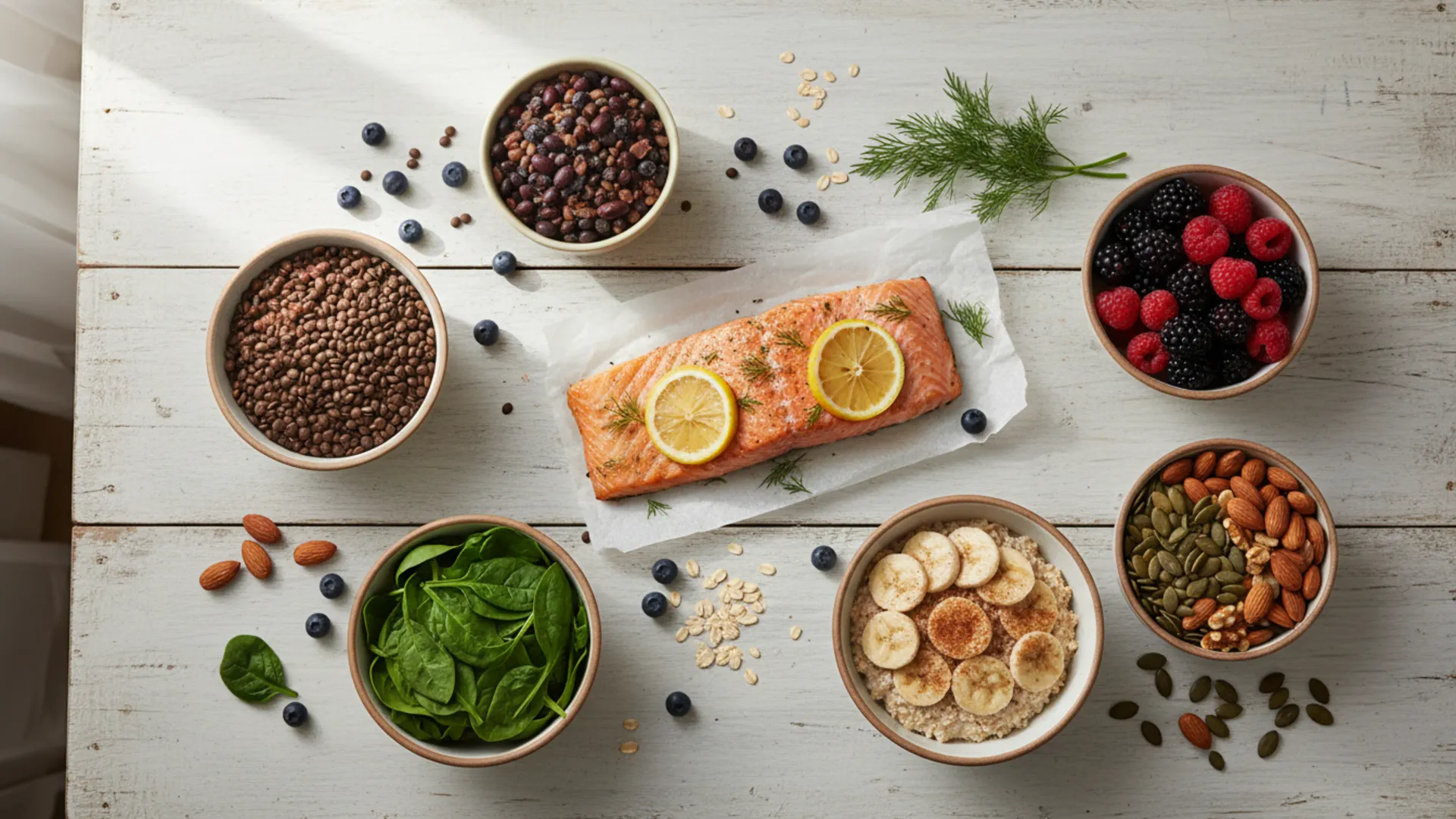
Fiber also matters. A systematic review found that dietary fiber generally supports satiety and can reduce subsequent intake in many contexts (Clark and Slavin). This does not require exotic foods. Oats, legumes, vegetables, fruit, nuts, and seeds can do the job when portions are realistic.
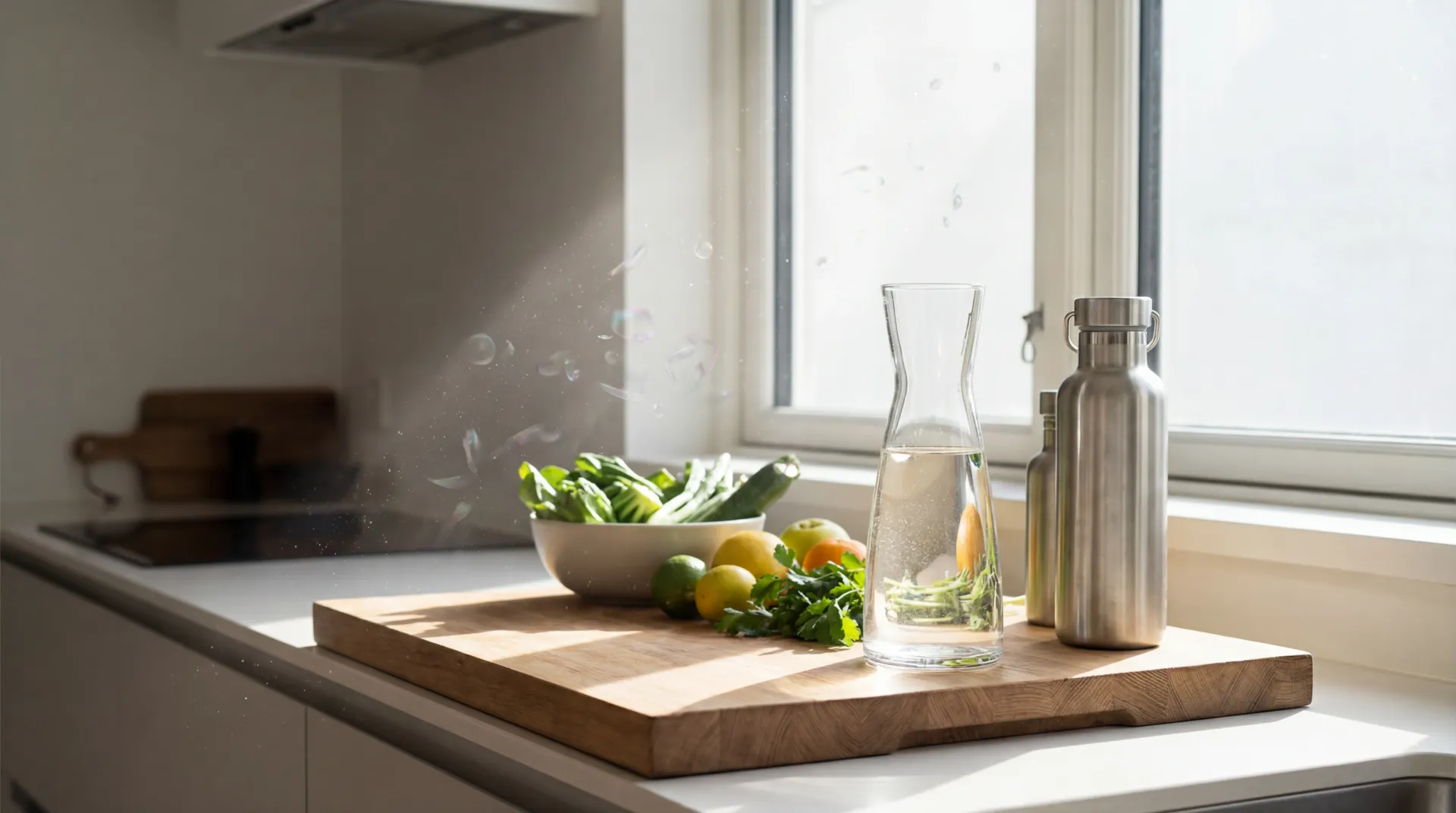
Hydration is often ignored. Two randomized trials suggest water preloading before meals may support weight loss in specific populations (Dennis et al.; Parretti et al.). Water is not a fat-loss miracle, but it is a low-cost lever that often improves decision quality when used consistently.
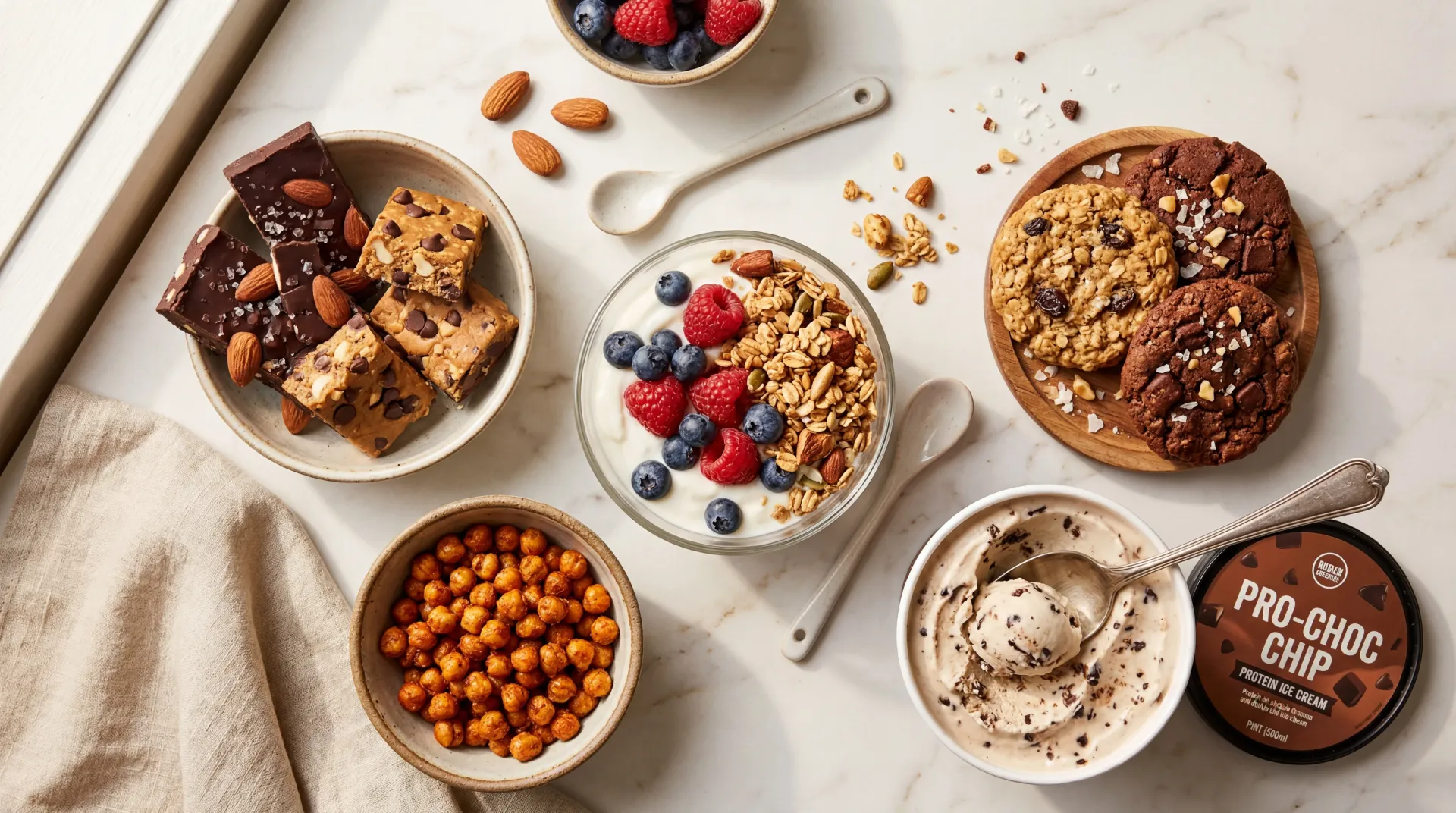
If you want snack ideas that do not spiral into overeating, this list of weight-loss-friendly snacks can help you pre-build options that are satisfying instead of purely hyper-palatable.
| Meal component | Practical target | What it helps with |
|---|---|---|
| Protein | Include a clear protein source each meal | Improves fullness and reduces late rebound hunger |
| Fiber-rich carbohydrate | Base meals on minimally processed carbs | Slower digestion and steadier energy |
| Volume foods | Add vegetables or fruit to main meals/snacks | Higher satiety per calorie |
| Hydration | Water before and between meals | Reduces "thirst mistaken as hunger" moments |
| Planned flexibility | Small intentional treats, not random grazing | Prevents restriction-rebound cycles |
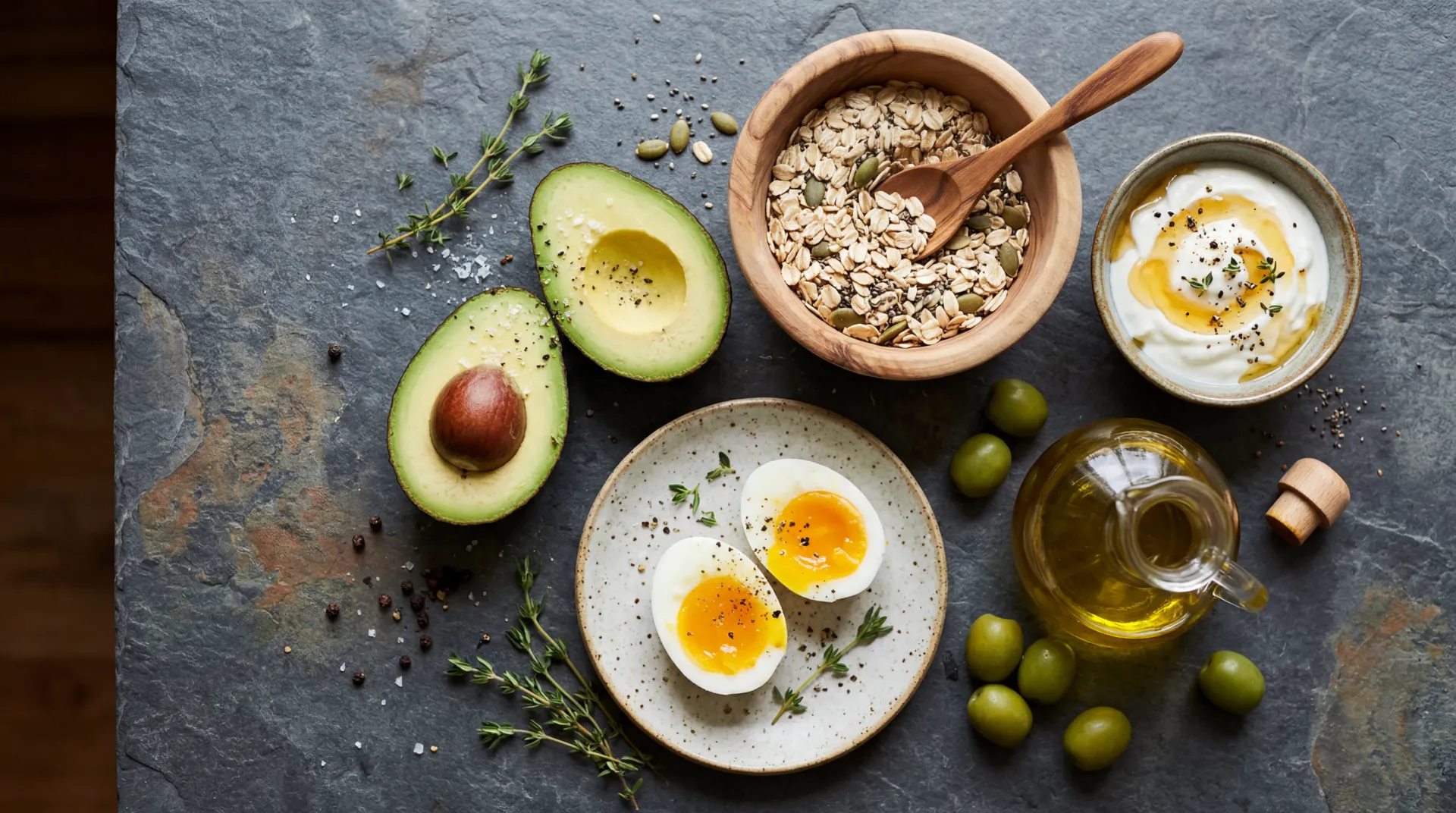
A simple plate rule works for most people: half vegetables or fruit, one-quarter protein, one-quarter fiber-rich starch, plus a small fat source. If your first meal of the day is coffee and a pastry, cravings later are not surprising. If your first meal has protein and fiber, the day usually feels calmer.
Sleep, stress, and cravings: the hidden triangle
Cravings feel like a food problem, but many are recovery problems. Short sleep and chronic stress change appetite, attention, and impulse control at the same time. You do not need to be in a clinical disorder range to notice this. One rough week can do it.
When people sleep less, they often report stronger pull toward rewarding foods. This is consistent with both hormonal and behavioral findings from controlled and free-living research (Spiegel et al.; McHill et al.). Add stress, and the effect compounds. Under pressure, humans lean toward fast comfort, not delayed outcomes.
Mindfulness is not a cure-all, but it can be useful here. A recent systematic review and meta-analysis found mindfulness-based interventions can improve obesogenic eating behaviors in several settings (Aghaie et al.). In practice, this usually means creating a pause between urge and action, not trying to suppress thoughts by force.
The best routine is boring and repeatable. Protect a steady sleep window. Reduce late-evening caffeine. Decide your nighttime snack policy in advance. Keep one short decompression ritual for stressful days: hot shower, walk, breathing drill, or short journal entry. You are not chasing perfection. You are lowering vulnerability.
If sleep is currently unstable, pair this article with daily metabolism-support habits, since that guide also covers sleep timing, movement, and meal regularity as a combined strategy.
Redesign your food environment so willpower is backup, not plan A
Willpower is useful, but it is an unreliable first line of defense when you are tired, rushed, or emotionally drained. Environment design works better because it removes repeated decisions. This is one reason the ultra-processed feeding trial by Hall and colleagues is so important (Hall et al.): people did not need bad intentions to overeat. The structure of available food did most of the work.
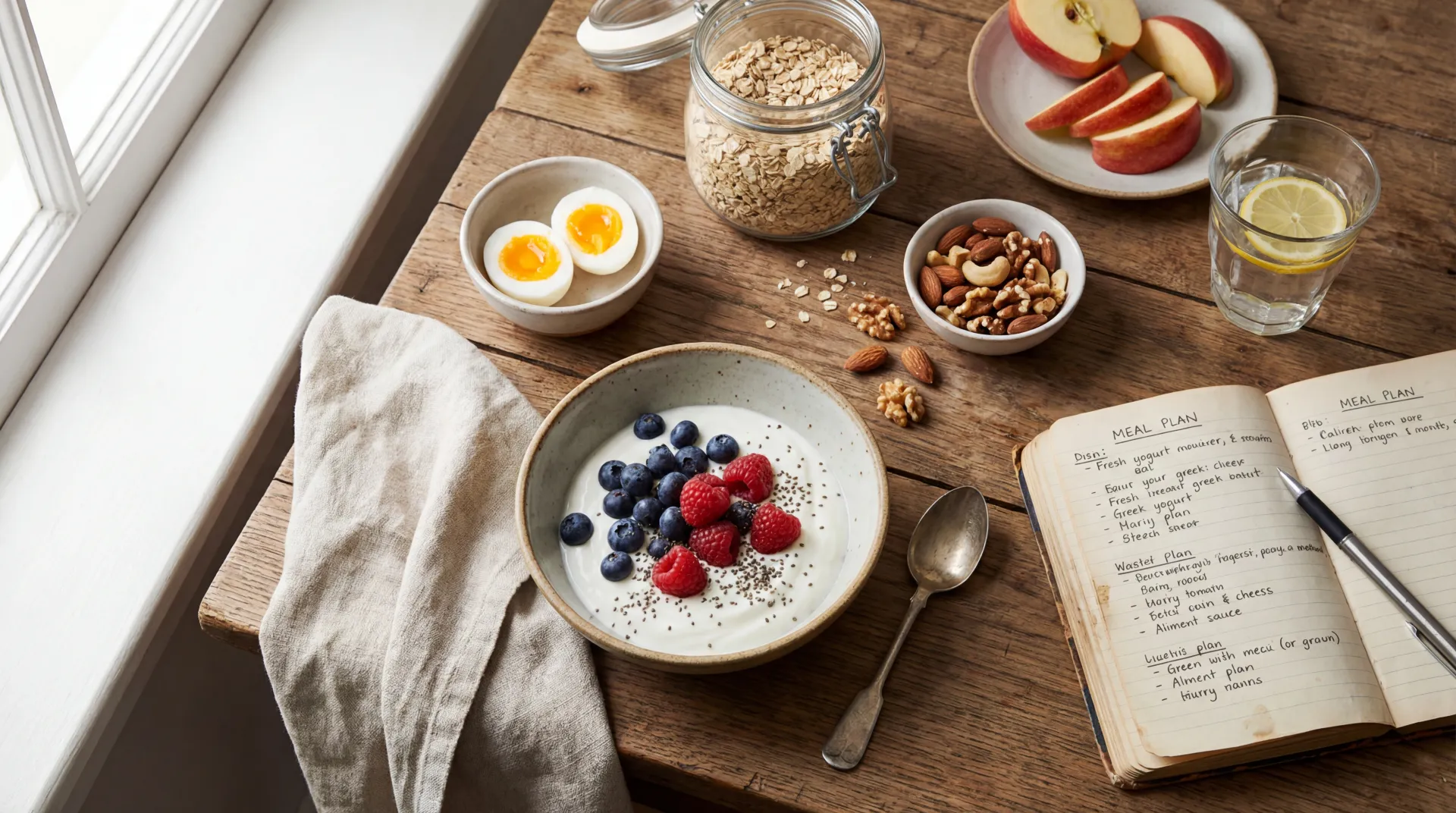
Start with visibility. Put easy proteins, fruit, chopped vegetables, and high-fiber options at eye level. Move highly tempting items out of immediate sight or into single-serve portions. Keep a default snack pair ready (for example, yogurt + fruit, or nuts + apple) so "nothing to eat" is no longer true at 4 p.m.
Then fix friction points in advance. If delivery apps are a late-night trigger, remove saved payment details. If workdays are chaotic, pack your fallback snack before bed. If evenings are hardest, build a scripted after-dinner routine that physically closes the kitchen window.
This is also where kitchen organization can drive real behavior change. If you want concrete setup ideas, see how to reorganize your fridge for weight control. It is easier to choose well when the better option is the fastest option.
Use a 10-minute urge-surfing protocol
Many cravings peak fast and fade faster than people expect. A short structured delay can prevent impulsive eating without relying on harsh restriction. The key is to decide your protocol before cravings start, then run it exactly the same way each time.
Try this four-step sequence:
- Pause for 90 seconds and label the urge: "I am having a strong craving right now."
- Drink water, then take 10 slow breaths while standing away from the kitchen.
- If still hungry, choose a pre-planned protein + fiber snack, not random grazing.
- Set a 10-minute timer and do a low-friction movement break (walk, stairs, light chores).
After the timer, reassess hunger from 0 to 10. If it is still high, eat intentionally and portion the food. If it dropped, move on without framing the episode as a moral win or fail. You are training pattern interruption, not chasing perfection.
This approach can feel awkward for a few days. That is normal. Most behavior tools are clumsy at first because they interrupt autopilot. Stay with it for two weeks before judging whether it works for you.
Myth vs fact about food cravings
Cravings attract extreme advice. Some claims sound motivating but make long-term adherence worse. Clearing these up helps you avoid wasted effort.
| Myth | Evidence-based fact | What to do instead |
|---|---|---|
| "If I crave sugar, my body must need sugar immediately." | Cravings can be triggered by cues, stress, and habit loops, not only energy deficit. | Use the 10-minute protocol first, then decide intentionally. |
| "Strong people can white-knuckle cravings every time." | Sleep loss and stress reduce impulse control and increase reward-driven eating. | Prioritize sleep, meal structure, and environment design. |
| "Skipping breakfast helps me eat less overall." | For many people, especially those prone to cravings, under-fueling early backfires later. | Test a protein-forward breakfast for 2 weeks and track evening cravings. |
| "I need to ban all treats permanently." | Rigid restriction often increases rebound overeating in real-life settings. | Use planned portions and predictable timing instead of all-or-nothing rules. |
| "Supplements alone will fix appetite control." | No supplement replaces sleep, meal quality, stress regulation, and food environment. | Use supplements only as optional add-ons after core habits are stable. |
A practical 14-day anti-craving reset
You do not need a dramatic detox. You need a short, repeatable test period with clear rules. The goal of this 14-day reset is to reduce craving intensity and frequency, not to eliminate pleasure foods forever.
| Phase | Days | Primary action | Success marker |
|---|---|---|---|
| Stabilize | 1-4 | Eat at regular intervals; add protein + fiber at each meal | Fewer emergency hunger episodes |
| Hydrate and prep | 5-7 | Water before meals; prep two fallback snacks daily | Reduced afternoon impulse snacking |
| Environment reset | 8-10 | Reorganize pantry/fridge; portion trigger foods | Less mindless cue-driven eating |
| Stress and sleep focus | 11-12 | Protect bedtime and run a nightly decompression ritual | Lower evening craving intensity |
| Consolidate | 13-14 | Review log, keep what worked, remove what did not | Simple long-term plan you can maintain |
If you are considering appetite-focused products, start with fundamentals first and then review options critically. This evidence-first guide to natural appetite suppressants can help you separate realistic support tools from hype.
Daily implementation questions can be brutally simple:
- Did I eat enough protein and fiber earlier in the day?
- Was I hydrated before my craving window?
- Did I sleep enough to make good choices easier?
- Was the trigger food visible and convenient?
- Did I run my 10-minute protocol before deciding?
Even partial consistency with these five questions often outperforms complicated plans that look impressive but collapse after a week.
When to seek extra support
If cravings come with frequent binge episodes, intense guilt, loss of control, or major distress, it is worth discussing with a qualified clinician or registered dietitian. You are not failing; you may need a more targeted plan. Persistent overeating can overlap with sleep disorders, depression, anxiety, trauma history, medication effects, or other medical issues that deserve proper assessment.
Use reputable clinical resources for baseline guidance, including the NIDDK overview on adult overweight and obesity and the NHLBI framework on healthy weight and calorie balance. If needed, combine structured nutrition work with mental health support. For many people, that combination is the turning point.
The bottom line is practical: you do not need perfect discipline to reduce cravings. You need better defaults, steadier recovery, and a plan that still works on stressful Wednesdays.
Frequently Asked Questions
How long does it take to notice fewer food cravings?
Many people feel a difference within 7 to 14 days once meal structure, hydration, and sleep are more consistent. Bigger changes usually appear over several weeks as routines become automatic.
Should I completely avoid sugar to control cravings?
Not always. For many people, strict bans backfire. Planned portions and predictable timing are often more sustainable than all-or-nothing rules.
What is the best snack when a craving hits hard?
A protein + fiber combination works well for most people, such as plain yogurt with berries, apple with nuts, or hummus with vegetables. The key is having it pre-planned before cravings start.
Do cravings mean I am deficient in a specific nutrient?
Usually not. Cravings are often driven by stress, sleep loss, cues, and habit loops. True deficiencies can happen, but they are not the default explanation for everyday sweet or salty cravings.
Can mindfulness actually reduce emotional eating?
Evidence suggests mindfulness-based approaches can improve obesogenic eating behaviors for many people, especially when used as a practical pause-and-choose tool rather than as a perfection exercise.
Related Articles
- 2016 Tips and Tricks for a Sugar Free Lifestyle - Practical ways to reduce sugar exposure without falling into all-or-nothing dieting.
- Natural Appetite Suppressants That Actually Work - A realistic look at appetite-support tools and where evidence is stronger or weaker.
- Healthy Snacks for Weight Loss Guide - Ready-to-use snack ideas that are easier to portion and less likely to trigger overeating.
- Changes Fridge Lose Weight Fast - Simple kitchen setup changes that reduce cue-driven eating and improve default choices.
- Boost Metabolism Naturally: Daily Evidence Guide - Daily routines for sleep, movement, and meal timing that also help lower craving volatility.
Medical Disclaimer
This article is for informational and educational purposes only and is not medical advice, diagnosis, or treatment. Always consult a licensed physician or qualified healthcare professional regarding any medical concerns. Never ignore professional medical advice or delay seeking care because of something you read on this site. If you think you have a medical emergency, call 911 immediately.