The Muscle Loss Problem Nobody Warns You About
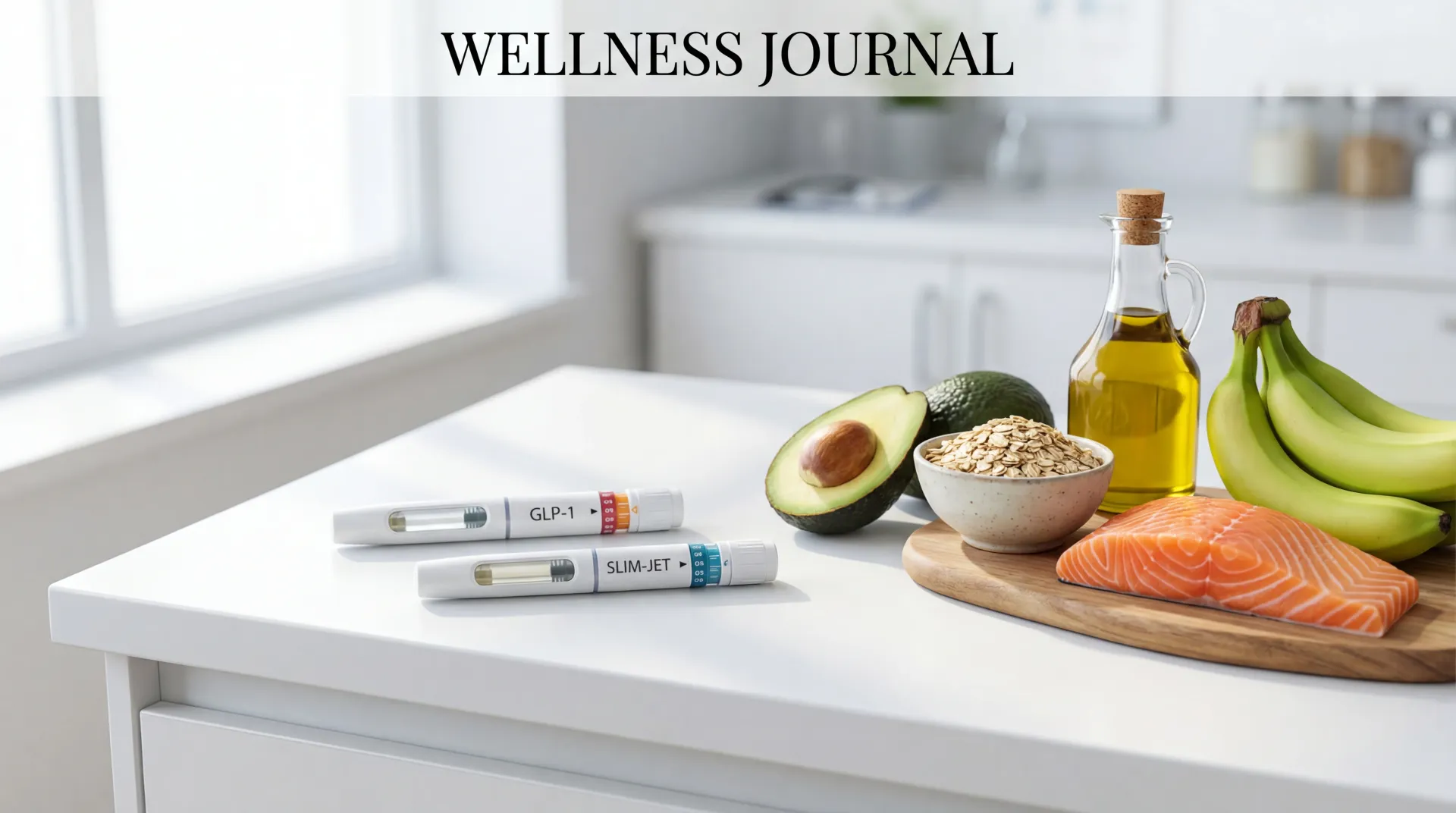
When GLP-1 receptor agonists like semaglutide and tirzepatide went mainstream, the conversation focused almost entirely on scale weight. Fifteen to twenty-two percent of body weight lost in clinical trials — numbers that hadn't appeared outside bariatric surgery. What most prescribers didn't lead with is what else you're losing along the way.
The STEP-1 trial found that roughly 40 percent of total weight lost on semaglutide was lean mass, not fat. Participants shed nearly 7 kilograms of lean tissue over 68 weeks. Researchers at the Endocrine Society's 2025 annual meeting put a sharper point on it: the muscle loss seen in these trials matches the average decline expected across 20 years of normal aging in adults over 30.
That's not an acceptable tradeoff. Skeletal muscle drives resting metabolic rate, governs insulin sensitivity, and determines how well you maintain weight loss once you stop the medication. Losing large amounts of it while losing fat produces results that look impressive on a scale and less impressive six months after stopping treatment.
Muscle loss at those levels isn't inevitable. Clinical evidence points to specific protocols built around protein intake, resistance training, and a handful of evidence-backed supplements that can cut lean mass loss dramatically. Some patients in structured programs gain muscle while losing significant fat. This guide covers what those protocols involve.
Quick take: Up to 40% of weight lost on GLP-1 medications can come from lean muscle, not fat. Structured resistance training combined with adequate protein intake can reduce lean mass loss to under 10% — or eliminate it entirely in well-designed protocols.
Just How Much Muscle Are People Actually Losing?
The numbers differ by drug and trial design, but the direction is consistent across the major studies.
| Drug / Condition | Lean Mass as % of Total Weight Lost | Source |
|---|---|---|
| Semaglutide (STEP-1, no structured exercise) | ~40% | Mechanick et al., Obesity Reviews 2025 |
| Tirzepatide (SURMOUNT-1, no structured exercise) | ~25% | Hidalgo Ramos et al., Cureus 2025 |
| Diet-only calorie restriction (historical comparator) | ~25–30% | Sievenpiper Delphi Consensus, Obesity Pillars 2025 |
| Semaglutide + structured resistance training (case series) | ~8.7% or less; two of three patients gained lean mass | Tinsley & Nadolsky, SAGE Open Medical Case Reports 2025 |
The SURPASS-3 MRI substudy, published in The Lancet Diabetes & Endocrinology, used imaging to track muscle volume changes in people taking tirzepatide for type 2 diabetes. Fat-free muscle volume dropped 6.9% in women and 5.5% in men over 52 weeks. What that data also showed, though, was a reduction in intramuscular fat infiltration across all doses. Fat-infiltrated muscle is functionally impaired muscle, so the remaining tissue may actually perform better even when absolute mass declines.
A 2024 paper in Circulation made a similar argument. The researchers found that improvements in insulin sensitivity and reduced intramuscular fat suggest muscle quality can improve even as volume goes down. This reframes the goal: not zero lean mass loss, but minimizing excess loss while improving what remains.
Tirzepatide does meaningfully better than semaglutide here, with roughly 25% versus 40% of weight loss coming from lean tissue. That said, 25% is still 5 kg of muscle for someone losing 20 kg total. For reference, standard calorie restriction without any GLP-1 medication causes lean mass loss in the 25–30% range, putting unmedicated GLP-1 therapy in roughly the same category as eating very little and hoping for the best.
The Protein Protocol That Changes the Outcome
Protein is the strongest dietary lever for muscle preservation during calorie restriction, and standard intake targets fall well short of what GLP-1 therapy actually requires.
The general population protein guideline is 0.8 g/kg body weight per day. A joint advisory from four major medical organizations — the American College of Lifestyle Medicine, the American Society for Nutrition, the Obesity Medicine Association, and The Obesity Society — puts the target at 1.2 to 1.6 g/kg per day during active weight loss on GLP-1 therapy. A separate international Delphi consensus panel of 15 specialists landed at 1.2 to 1.5 g/kg/day, with a specific note that adults over 65 likely need to exceed 1.5 g/kg/day because aging reduces the muscle protein synthesis response per gram of protein consumed.
| Organization | GLP-1 Population | Protein Recommendation |
|---|---|---|
| ACLM/ASN/OMA/Obesity Society (Joint Advisory) | Active weight loss on GLP-1 | 1.2–1.6 g/kg/day |
| Sievenpiper Delphi Consensus (15 experts) | Active weight loss on GLP-1 | 1.2–1.5 g/kg/day |
| Sievenpiper Delphi Consensus | Adults 65+ on GLP-1 | >1.5 g/kg/day |
| American Council on Exercise | GLP-1 users with resistance training | 1.2–2.0 g/kg/day |
| General population baseline (IOM) | Sedentary healthy adults | 0.8 g/kg/day |
These medications work partly by suppressing appetite, sometimes dramatically, and getting to 1.5 g/kg/day takes real effort when you're not hungry. A 75 kg person needs roughly 112 grams of protein at the lower end of that range — about 4–5 eggs, 170 grams of chicken, a cup of Greek yogurt, and a serving of cottage cheese, every day, even on days when eating feels like a chore.
A few approaches that help:
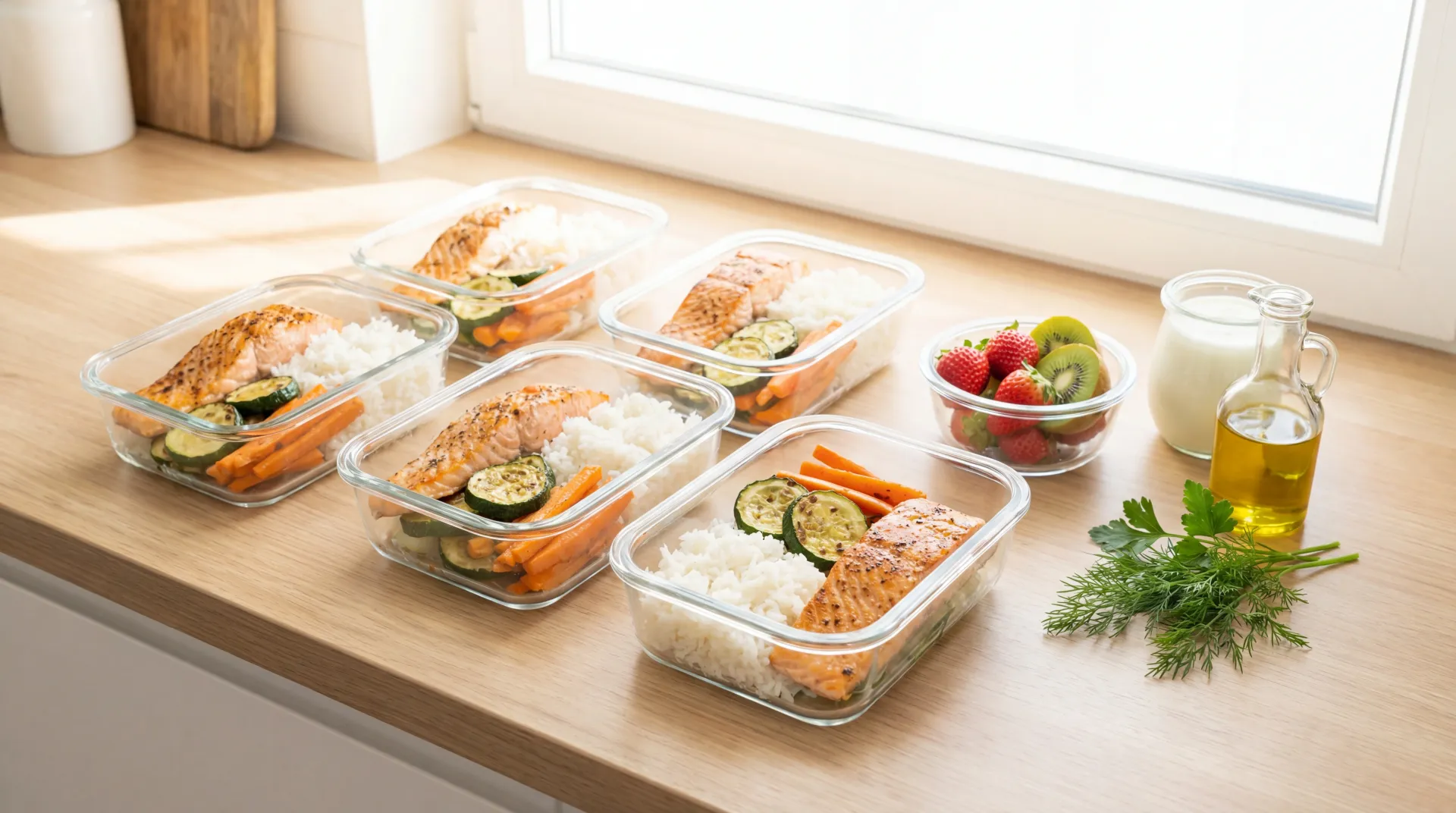
- Eat protein first at every meal. Before vegetables, before starches, before anything else. Once the medication-suppressed appetite kicks in, you may not have room for seconds.
- Lean into high-protein, low-volume foods. Eggs, Greek yogurt (20–25 g protein per cup), cottage cheese, canned salmon, and firm tofu get you to target without requiring large portions.
- Use protein supplements on high-suppression days. A whey or casein shake fills the gap without forcing a full meal. If you're deciding which to use, whey versus casein comes down to timing: whey absorbs faster and works well post-training, casein is slower and better suited as a between-meal supplement.
- Split intake across at least 3–4 meals. The Delphi panel specifically noted that distributed protein intake supports muscle protein synthesis better than large amounts in one or two sittings. Each meal should deliver at least 30–40 g.
The Delphi consensus states plainly that "a high protein intake alone does not increase muscle mass without concurrent resistance training." Protein sets up the conditions; exercise triggers the response. You need both.
Building Your Resistance Training Foundation
Resistance training has the strongest evidence base of any intervention for lean mass preservation during calorie restriction. A meta-analysis published in the World Journal of Diabetes found that resistance training during calorie restriction cuts fat-free mass loss by 50 to 95 percent compared to dieting without exercise, and can actually increase fat-free mass by around 2 kg in men and 1 kg in women over 12 weeks, even in a calorie deficit.
A 2025 case series by Tinsley and Nadolsky looked specifically at GLP-1 patients who trained 3–5 days per week with protein intakes of 1.6–2.3 g/kg/day relative to fat-free mass. Lean soft tissue changes in those patients ran from -6.9% to +5.8%. Two of the three gained lean mass while losing substantial fat. That's a different outcome category than the 26–40% lean mass loss seen in GLP-1 clinical trials with no structured exercise.
The joint medical advisory calls for at least three resistance training sessions per week, plus 150 minutes of moderate aerobic activity. ACSM's 2024 consensus statement on physical activity and excess body weight endorsed the same minimums, and explicitly addressed GLP-1 medications in its guidelines for the first time. The American Council on Exercise recommends prioritizing compound movements — squats, deadlifts, rows, presses — because they recruit more muscle per session than isolation work and generate a stronger anabolic signal.
A starting template for GLP-1 users new to structured lifting:
| Session Type | Frequency | Key Movements | Sets × Reps |
|---|---|---|---|
| Lower body focus | 2× per week | Squat variation, Romanian deadlift, leg press or step-up | 3–4 × 8–12 |
| Upper body push | 1–2× per week | Bench press (flat or incline), dumbbell shoulder press, push-up variation | 3–4 × 8–12 |
| Upper body pull | 1–2× per week | Cable row, barbell or dumbbell row, lat pulldown or assisted pull-up | 3–4 × 8–12 |
The 8–12 rep range targets hypertrophy, which matters here because the goal is retention and synthesis, not one-rep max performance. Apply progressive overload: add weight or reps once you can complete all sets without difficulty across two consecutive sessions. This approach overlaps with general muscle-building protocols, so the same training you use to protect lean mass on GLP-1 also produces real fitness gains.
One practical note on medication side effects: fatigue and nausea are common during dose escalation. Many people feel best in the morning before nausea builds, which makes morning training worth considering. If a high-nausea week hits, cut sets rather than sessions. Frequency drives lean mass preservation more than volume does.
Supplements With Actual Evidence
The supplement industry is not subtle about GLP-1 opportunity. Every week seems to produce another product promising to protect muscle while the medication does the weight work. Three compounds have actual trial data supporting their use in calorie-restricted populations. The rest don't.
Creatine Monohydrate
Creatine is the most-studied ergogenic supplement in exercise science. A 2025 analysis in the Journal of the International Society of Sports Nutrition looked at creatine use in older adults and clinical populations and found that creatine combined with resistance training produces about 1.2 kg more lean mass than resistance training alone, which matters when every kilogram of preserved muscle affects long-term metabolic rate. Standard dose is 3–5 g/day taken continuously. No loading phase needed, and the evidence doesn't require it for long-term outcomes. Creatine is safe and inexpensive, with no serious adverse effects in healthy adults who don't have pre-existing kidney dysfunction.
HMB (Beta-Hydroxy Beta-Methylbutyrate)
HMB is a leucine metabolite that works specifically by reducing muscle protein breakdown during calorie restriction. The ISSN's 2024 Position Stand on HMB found that daily supplementation at roughly 38 mg/kg body weight, paired with exercise, reduced lean mass loss in calorie-restricted athletes and clinical populations. For a 75 kg person that's about 2.85 g/day, which matches the 3 g/day dose used in most trials. HMB targets protein breakdown rather than synthesis, so it works through a different pathway than creatine and can be taken alongside it without issue.
Leucine-Enriched Essential Amino Acids (EAAs)
Leucine is the amino acid that triggers muscle protein synthesis signaling. The Delphi consensus identified leucine-rich protein sources and EAA supplements as tools for amplifying the training response, particularly for older users whose anabolic threshold is higher per gram of protein consumed. A target of 2–3 g leucine per meal, easily met with a serving of whey protein or a standalone leucine/EAA product, supports per-meal muscle synthesis. On days when suppressed appetite makes whole-food protein a challenge, EAA supplements deliver the leucine signal without requiring a full meal.
For a broader comparison of how these compounds fit into a general muscle-support stack, the guide on best supplements for muscle growth covers the full evidence picture. If you're managing weight through multiple approaches alongside GLP-1 therapy, the natural fat burners guide covers compounds with overlapping metabolic mechanisms.
Tracking Your Muscle Health Without a Lab Coat
A scale tells you how much you weigh, not whether you're losing fat, muscle, or both. Without some form of body composition tracking, you could lose substantial lean mass over months and have no idea until the damage is done.
DEXA scanning is the gold standard for body composition outside of research settings. It measures lean mass, fat mass, and bone density separately with high accuracy. Most sports medicine clinics, university fitness labs, and many imaging centers offer it for $50–$150 per scan, without a physician referral in most states. A baseline before starting GLP-1 therapy, then quarterly scans during active weight loss, gives you clear data to evaluate whether your protein and training protocol is actually working.
Bioelectrical impedance (BIA) is built into many consumer smart scales and is less accurate than DEXA, especially during significant weight loss and fluid shifts. That said, consistent measurement conditions — same time of day, morning, fasted, pre-workout, same hydration state — make it useful as a directional indicator. Single readings mean nothing; trends over 4–6 weeks under consistent conditions tell you something real.
Strength tracking is the most accessible proxy available. Log your performance on a few key compound lifts every few weeks. If your squat and row numbers hold steady while the scale drops, you're almost certainly preserving lean mass. A sudden strength drop alongside rapid weight loss is a clear signal to revisit protein intake and training volume before scheduling a scan.
Blood markers can also help fill in the picture. Serum albumin and prealbumin reflect protein nutritional status. Serum creatinine, absent kidney disease, is a rough proxy for total muscle mass and can show meaningful declines before symptoms appear. These markers typically come up in routine bloodwork that most GLP-1 prescribers already order.
A practical monitoring schedule:
- Before starting therapy: Baseline DEXA scan, establish strength benchmarks on 2–3 key compound lifts, serum albumin at first labs
- Every 4–6 weeks: Track strength on key lifts, BIA if available under consistent conditions
- Every 12–16 weeks during active weight loss: DEXA scan to verify lean mass trajectory against fat loss
- At maintenance weight: Annual DEXA, maintain resistance training minimum 3× per week indefinitely
Side effects that interfere with training — nausea, fatigue during escalation — are covered in the GLP-1 weight loss drugs safety guide, along with a detailed breakdown of semaglutide's specific side effect profile.
Frequently Asked Questions
How much protein should I eat per day on a GLP-1 medication?
Current expert consensus recommends 1.2 to 1.6 grams of protein per kilogram of body weight daily during active weight loss on GLP-1 therapy. Adults over 65 likely need more than 1.5 g/kg/day. This is substantially above the general population guideline of 0.8 g/kg/day, and getting there requires planning when you're dealing with significant appetite suppression. Focus on protein-dense low-volume foods like eggs, Greek yogurt, cottage cheese, and salmon, and spread intake across at least 3–4 meals per day.
Is muscle loss on semaglutide or tirzepatide unavoidable?
No. Clinical trial data shows 25–40% of total weight lost comes from lean mass when patients aren't following structured exercise programs. A 2025 case series showed that GLP-1 patients doing resistance training 3–5 days per week with protein intakes above 1.6 g/kg/day experienced lean tissue changes ranging from -6.9% to +5.8%, with two of three actually gaining lean mass during the treatment period. Muscle loss at the levels seen in the major trials is a function of what people aren't doing alongside their medication, not an unavoidable drug effect.
Does creatine supplementation actually help during GLP-1 therapy?
The evidence supports it. In older adults and people in calorie restriction, creatine combined with resistance training produces roughly 1.2 kg more lean mass than resistance training alone. The standard dose is 3–5 g daily, taken continuously — no loading phase required. It's safe and inexpensive, though adults with pre-existing kidney disease should check with a physician before using it.
How often should I do resistance training while on GLP-1 medications?
At minimum three sessions per week, per the joint advisory from ACLM, ASN, OMA, and The Obesity Society. Prioritize compound movements — squats, deadlifts, presses, rows — in the 8–12 rep range with progressive overload, and pair training with 150 minutes of moderate aerobic activity per week per ACSM guidelines. During dose escalation, cut sets rather than sessions when fatigue or nausea is a factor.
When should I get a DEXA scan to check my muscle mass on GLP-1 therapy?
Before starting therapy to establish a baseline, then every 12–16 weeks during active weight loss. If scanning isn't accessible or practical, tracking performance on two or three key compound lifts every 4–6 weeks provides a sensitive real-world proxy. Strength holding steady while weight drops is a reliable sign that lean mass preservation is working.
Related Articles
- GLP-1 Weight Loss Drugs Safety Guide — A comprehensive overview of how GLP-1 medications work, what to expect, and the full risk-benefit picture from current evidence.
- Ozempic Safety: Semaglutide Side Effects — A detailed review of the side effect profile of semaglutide, including gastrointestinal effects, cardiovascular data, and emerging long-term concerns.
- Best Supplements for Muscle Growth — Evidence-based review of supplements with the strongest data for supporting lean mass gains, including creatine, protein, and beyond.
- Natural Fat Burners Weight Loss Guide — A guide to naturally occurring compounds that support fat oxidation during calorie restriction, with evidence assessments and practical dosing.
- Whey vs Casein Protein: Benefits and Disadvantages — How to decide between fast-digesting whey and slow-release casein based on your training schedule and appetite suppression patterns.
Medical Disclaimer
This article is for informational and educational purposes only and is not medical advice, diagnosis, or treatment. Always consult a licensed physician or qualified healthcare professional regarding any medical concerns. Never ignore professional medical advice or delay seeking care because of something you read on this site. If you think you have a medical emergency, call 911 immediately.