What Happens When You Mix Caffeine and Alcohol
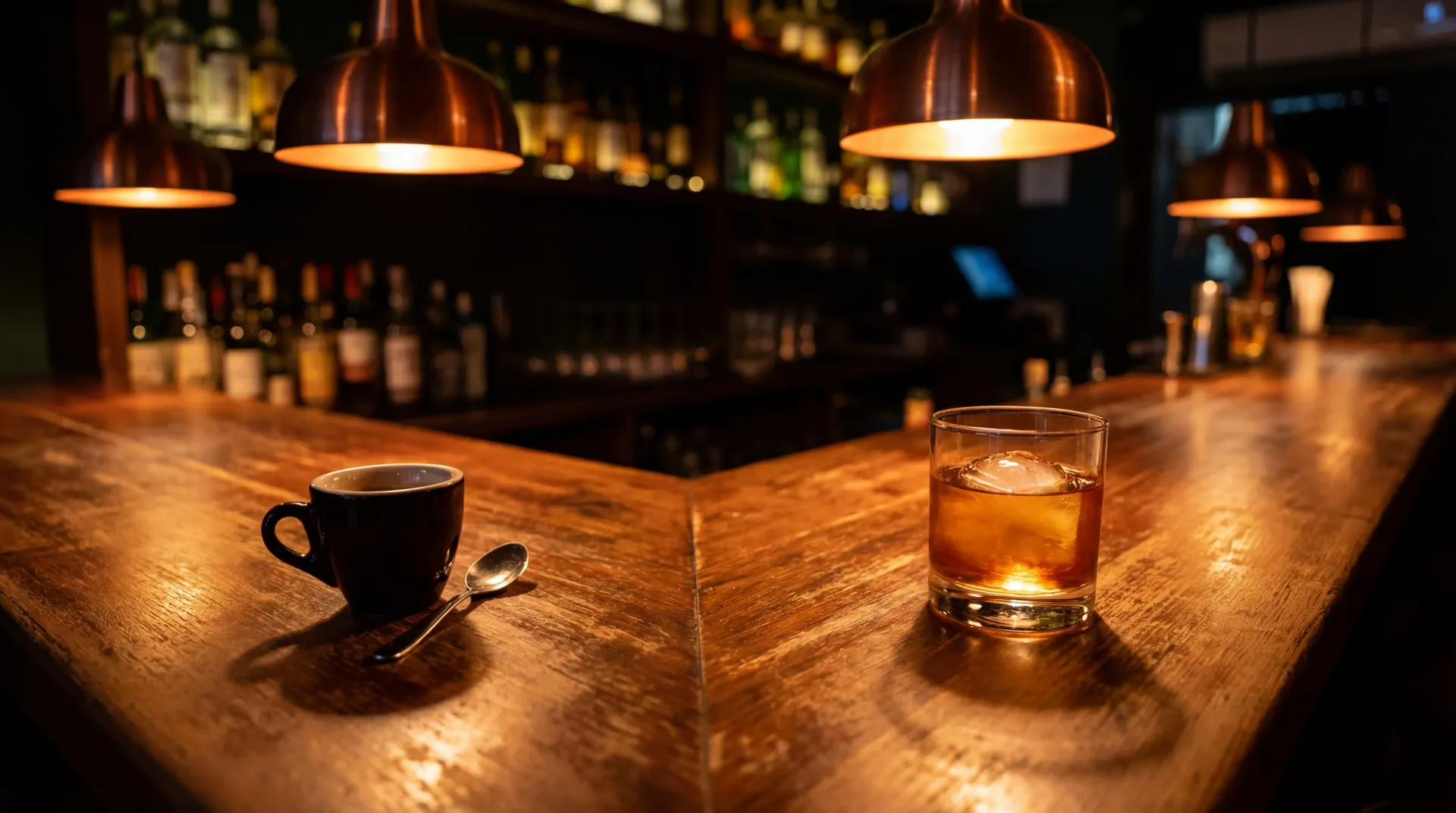
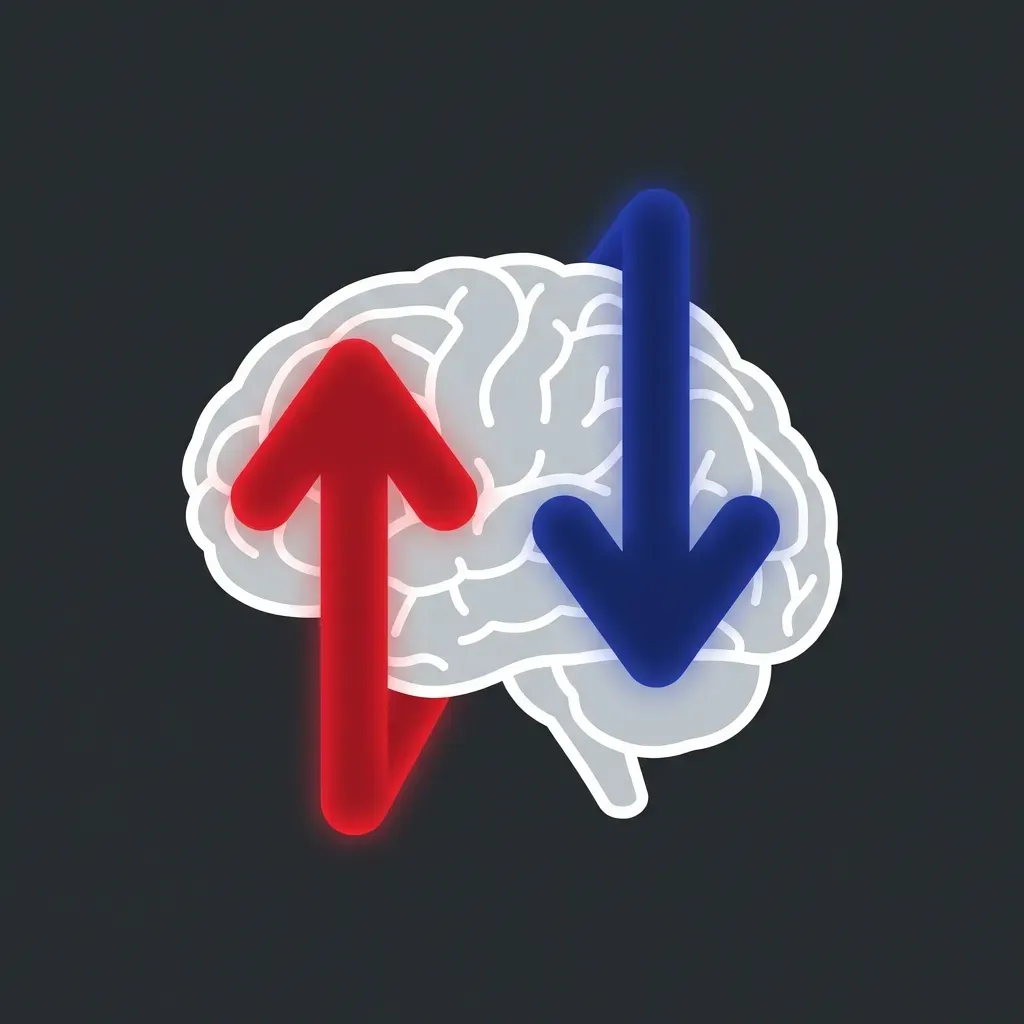
Caffeine speeds up your central nervous system. Alcohol slows it down. Put them together and your brain gets contradictory signals — one chemical saying "you're fine, keep going" while the other quietly impairs your coordination and judgment.
Here is the practical problem: caffeine blocks the sedative cues that normally tell you to stop drinking. A 2013 review in the Journal of Caffeine Research found that students who mixed alcohol with energy drinks drank an average of 8.6 drinks per session, compared to 4.6 on alcohol-only nights. They drank nearly twice as much because they felt more alert than their blood alcohol level warranted.
The CDC reports that people aged 15 to 23 who mix alcohol with energy drinks are four times more likely to binge drink at high intensity than those who do not combine the substances. They also face higher rates of alcohol-related injuries, sexual assault, and riding with impaired drivers. If you have ever experienced the side effects of alcohol withdrawal or detox, this pattern of overconsumption can accelerate dependence.
How Much Caffeine Is Actually Safe?
Several health agencies have set caffeine limits, and the numbers depend on who you are:
| Authority | Population | Daily Limit |
|---|---|---|
| FDA | Healthy adults | 400 mg |
| EFSA | Healthy adults | 400 mg (max 200 mg single dose) |
| EFSA | Pregnant or breastfeeding women | 200 mg |
| WHO | Pregnant women with high intake | Below 300 mg |
| ACOG | Pregnant women | 200 mg |
| AAP | Children under 12 | Avoid entirely |
| AAP | Adolescents 12+ | No more than 100 mg |
| Health Canada | Healthy adults | 400 mg |
The FDA notes that seizures can occur with rapid consumption of about 1,200 mg of caffeine — roughly 12 cups of brewed coffee in a short window. Most healthy adults handle caffeine fine at moderate levels. The problem starts when alcohol gets involved.
Worth noting: The 400 mg limit is for caffeine alone. No health authority has set a "safe" level for caffeine combined with alcohol. The two substances interact in ways that change how your body handles each one.
Caffeine Content Across Common Beverages
Caffeine content varies wildly between products. A regular cup of brewed coffee and a large energy drink can differ by over 200 mg. The table below uses data from the FDA and Mayo Clinic:
| Beverage | Serving Size | Caffeine (mg) |
|---|---|---|
| Brewed coffee | 8 oz | 80–100 |
| Espresso (single shot) | 1.5 oz | 63 |
| Instant coffee | 8 oz | ~60 |
| Black tea | 8 oz | 47–71 |
| Green tea | 8 oz | 28–37 |
| Red Bull | 8.4 oz | 80 |
| Monster Energy | 16 oz | 160 |
| Bang Energy | 16 oz | 300 |
| 5-Hour Energy (shot) | 2 oz | 200 |
| Cola | 12 oz | 23–40 |
| Mountain Dew | 12 oz | 55 |
| Decaf coffee | 8 oz | 2–15 |
The practical issue becomes clear when you consider a typical bar order: a vodka-Red Bull delivers 80 mg of caffeine per can, but a cocktail mixed with Bang Energy could deliver nearly 300 mg in a single drink. Neither product labels will warn you about combining them with alcohol.
The "Wide-Awake Drunk" Effect: Why This Combination Fools Your Body
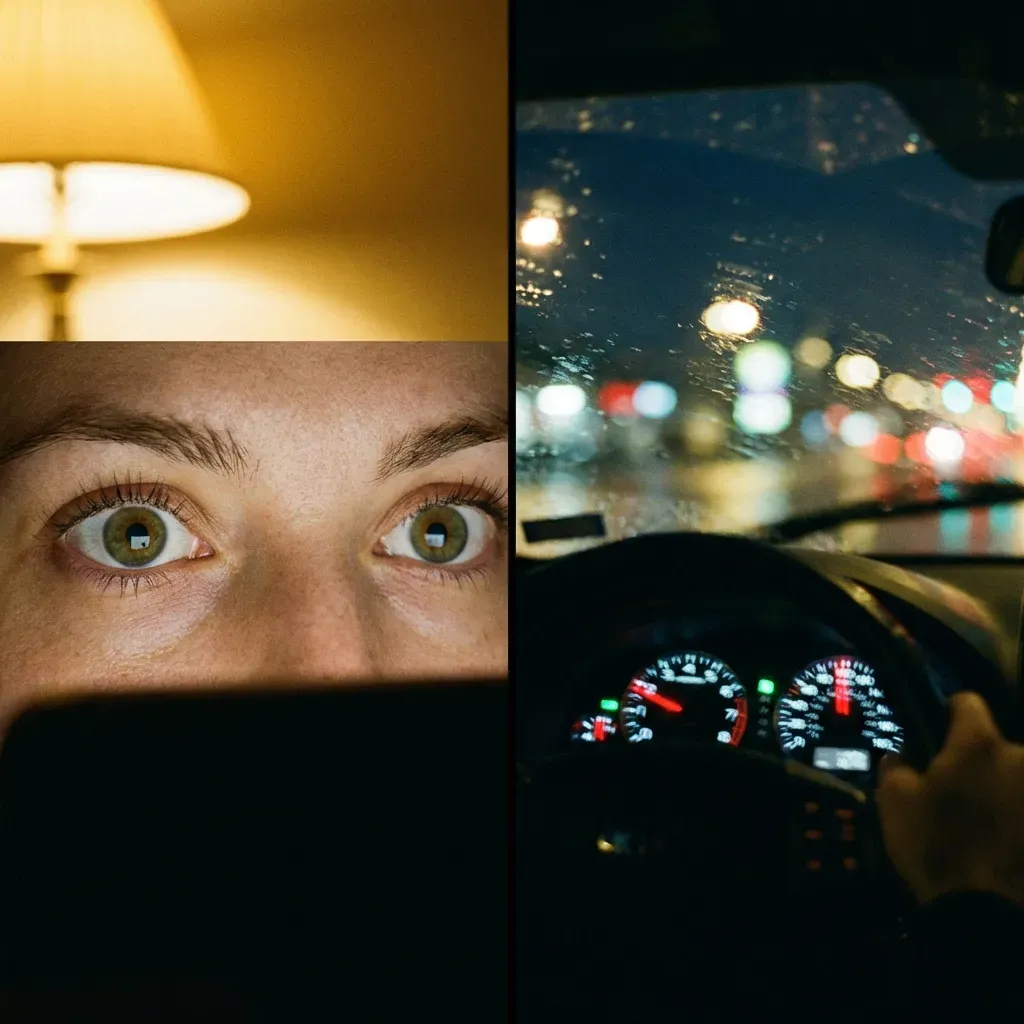
Researchers call it the "wide-awake drunk." Caffeine blocks adenosine A1 receptors in the brain — the same receptors that normally amplify alcohol's sedative effects and tell you to stop drinking. So you feel sharp and in control while your blood alcohol concentration says otherwise.
Lab studies back this up: caffeine reduces how drunk you feel but does nothing to reverse actual impairment in motor coordination or reaction time. A 2022 study in Frontiers in Behavioral Neuroscience called it a "false feeling of sobriety" that directly increases risky behavior.
The numbers tell the story. Among people who mix alcohol with energy drinks:
- Threefold increased risk of reaching legal intoxication levels
- Fourfold increased odds of intending to drive after leaving a bar
- Higher rates of needing medical attention for drinking-related injuries
- Significantly greater likelihood of experiencing or committing sexual assault
Sleep takes a hit from both sides. Caffeine blocks the adenosine buildup your brain needs to feel sleepy. Alcohol suppresses REM sleep. Combine them in an evening and you get a night of fragmented rest followed by a sluggish next day. If this pattern sounds familiar, our guide to improving your sleep covers practical fixes.
Health Risks Linked to Caffeinated Alcoholic Drinks
The damage from mixing these substances shows up across multiple body systems. A 2023 systematic review in Nutrients looked at 86 documented adverse events linked to energy drinks. Nearly half involved the heart:
| System Affected | Cases | Percentage |
|---|---|---|
| Cardiac (arrhythmia, arrest, myocardial injury) | 41 | 47.7% |
| Neurological (seizures, stroke, psychosis) | 22 | 25.7% |
| Gastrointestinal (hepatitis, pancreatitis) | 12 | 13.9% |
| Renal (acute kidney injury, rhabdomyolysis) | 7 | 8.1% |
The heart-related risks are worth a closer look. Azarm and colleagues (2024) reviewed 10 case reports where young adults (ages 16 to 35) consumed energy drinks and alcohol simultaneously. Of those cases, 42% had heart rhythm disturbances, 33% had myocardial dysfunction, and three people died. All three deaths involved ventricular fibrillation or cardiac arrest. Eight out of ten patients were male. Median age: 24.5.
Both substances also act as diuretics, so the combination speeds up fluid loss. Repeated dehydration hits your kidneys, your thinking, and your mood. Our guide to dehydration signs and remedies covers what to watch for.
Myth vs. Fact: Caffeine and Alcohol
| Myth | Fact |
|---|---|
| Coffee sobers you up after drinking | Caffeine may make you feel more alert, but it does not reduce blood alcohol concentration or reverse impairment. Simulated driving studies show no improvement. |
| Energy drinks are safer mixers than hard liquor | Energy drinks mask intoxication cues, leading to higher total alcohol consumption. Students who mix report nearly double the drinks per session. |
| A vodka-Red Bull is basically the same as a rum and Coke | A can of Red Bull contains 80 mg caffeine. A 12 oz cola contains 23–40 mg. The caffeine dose is roughly double, and energy drinks often contain additional stimulants like taurine and guarana. |
| Moderate caffeine with alcohol is completely harmless | No health authority has established a safe caffeine-alcohol combination. The CDC specifically warns against mixing the two substances. |
| Only heavy drinkers face health risks from this combination | Case reports of cardiac events include young, otherwise healthy individuals consuming moderate amounts. Three fatal cases in the Azarm review involved people under 35. |
Who Should Avoid Mixing Caffeine and Alcohol?
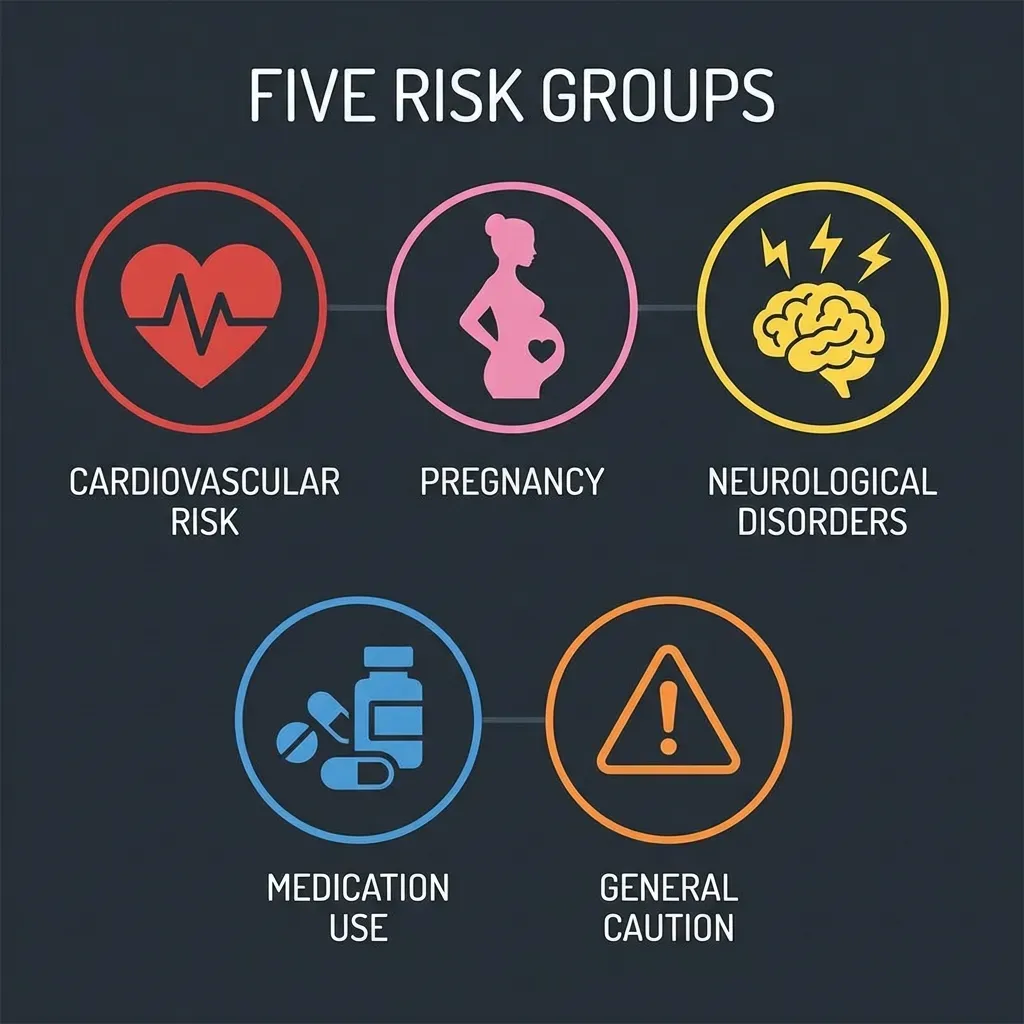
The CDC says nobody should mix caffeine with alcohol. But some groups face higher risk than others:
- Adolescents and young adults: The American Academy of Pediatrics recommends no caffeine for children under 12 and a maximum of 100 mg daily for older teens. Adding alcohol multiplies the danger.
- People with heart conditions: Pre-existing arrhythmias, hypertension, or structural heart disease increase vulnerability to the cardiovascular stress of combined stimulant-depressant use.
- Those with anxiety disorders: Caffeine triggers cortisol and adrenaline release. Alcohol withdrawal also spikes anxiety. Going back and forth between stimulation and sedation makes things worse. Breathing techniques for stress relief are a safer option.
- Pregnant or breastfeeding women: Both substances cross the placenta and enter breast milk. EFSA recommends no more than 200 mg caffeine during pregnancy, and most guidelines advise avoiding alcohol entirely.
- People taking medications: Both caffeine and alcohol interact with liver enzymes (CYP1A2 and CYP2E1 respectively). Medications metabolized through these pathways may have altered effectiveness or increased side effects.
- People with a history of alcohol dependence: High-frequency energy drink users are twice as likely to meet diagnostic criteria for alcohol dependence, according to research published in the Journal of Caffeine Research.
The Regulatory Response: From Four Loko to New Legislation
In November 2010, the FDA declared caffeine an "unsafe food additive" in alcoholic malt beverages. Warning letters went to four manufacturers: Phusion Projects (maker of Four Loko), Charge Beverages, New Century Brewing, and United Brands. The products were pulled from the U.S. market.
Four Loko reformulated within weeks, removing caffeine, taurine, and guarana. It relaunched in January 2011 as a standard alcoholic beverage. The Alcohol and Tobacco Tax and Trade Bureau reinforced the FDA's position, stating that any caffeinated alcoholic product deemed adulterated would be considered mislabeled under federal law.
The ban, however, only covers pre-mixed products. Bars and consumers can still freely combine alcohol with caffeinated mixers. A vodka-Red Bull remains one of the most popular cocktail orders at bars worldwide, falling entirely outside regulatory reach.
More recently, Representative Robert Menendez introduced the Sarah Katz Caffeine Safety Act (H.R. 2511) in March 2025. Named after a 21-year-old who died in 2022 after consuming Panera's highly caffeinated Charged Lemonade, the bill would require restaurants with 20 or more locations to label items containing 150 mg or more caffeine per serving as "high caffeine." It has endorsements from the American Academy of Pediatrics and Consumer Reports.
Elsewhere, approaches differ. The EU requires warning labels on beverages with more than 150 mg caffeine per liter but has not banned caffeinated alcoholic products. The Czech Republic proposed restricting energy drink sales to those under 15 in 2024. The UK government is consulting on banning energy drink sales to under-16s.
Long-Term Effects of Combined Caffeine and Alcohol Use
The short-term risks are well-documented. What happens over years of regular caffeine-alcohol mixing? Honestly, researchers do not know enough yet. But here is what the existing evidence points to.
Liver health: Caffeine by itself may actually protect the liver. Daily intake above 308 mg has been linked to reduced liver fibrosis in population studies. But animal research tells a different story when alcohol is added: combining energy drinks with alcohol disrupts redox reactions and damages liver cells through lipoperoxidation. The two substances use different liver enzyme pathways (CYP1A2 for caffeine, CYP2E1 for alcohol), and nobody has adequately studied what the combined load does over years.
Alcohol dependence: Data from the Monitoring the Future study shows that mixing caffeine and alcohol peaks at ages 21 to 22, when 43.5% of young adults report past-year use. People who drink energy drinks frequently are twice as likely to meet diagnostic criteria for alcohol dependence. Caffeine affects the same dopamine pathways involved in alcohol reinforcement, which may lower the bar for developing a problem.
Cardiovascular wear: Every time you combine the two, your blood pressure goes up, your heart rate increases, and norepinephrine output rises. Do this regularly and you are stressing your cardiovascular system on repeat. A 2024 analysis found that each additional 100 mg of daily caffeine was linked to a 14% increase in cardiovascular disease risk at high doses. Moderate habitual consumption, oddly, showed some protective effects.
Mental health: Going up with caffeine and down with alcohol, over and over, does not leave mood regulation unscathed. Caffeine spikes cortisol and adrenaline. Alcohol withdrawal raises baseline anxiety. Do this enough and you can disrupt the HPA axis, which governs your stress response. If low mood becomes persistent, our resource on dealing with depression covers practical first steps.
Kidney function: Both substances push your kidneys harder by increasing urine output. Seven of the 86 adverse event cases in the 2023 Nutrients review involved acute kidney injury or rhabdomyolysis. Animal studies have found renal tubular damage and vascular congestion from energy drinks alone. Add alcohol and repeat the pattern over months, and you may be accumulating kidney stress without obvious symptoms.
A gap worth knowing about: Caffeine research falls under NIDA. Alcohol research falls under NIAAA. Different agencies, different budgets, limited cross-pollination. That is one reason we still lack good long-term data on what happens when people regularly combine the two.
Frequently Asked Questions
Can drinking coffee actually sober you up after alcohol?
No. Coffee can make you feel less drowsy, but your blood alcohol level stays the same and your motor coordination remains impaired. Lab studies measuring reaction time, driving simulation, and fine motor skills all show that caffeine does not fix alcohol-related deficits. You feel more awake. You are not.
How long should you wait between consuming caffeine and alcohol?
Caffeine has a half-life of about 5 to 6 hours, meaning half the dose is still active in your body that long after you drink it. Waiting at least 6 hours between your last coffee and your first drink gives your body time to clear most of the caffeine. That said, metabolism varies a lot depending on your genetics, liver function, and any medications you take.
Are pre-mixed caffeinated alcoholic beverages still available in the United States?
Not the pre-mixed kind. The FDA banned them in November 2010 by declaring added caffeine an unsafe food additive in malt alcoholic drinks. The original Four Loko was pulled from shelves. But here is the catch: bars and individuals can still combine alcohol with separate caffeinated products. A vodka-Red Bull is legal and unregulated everywhere.
What are the signs of a caffeine-alcohol emergency?
Call emergency services if you or someone who has been mixing the two experiences chest pain, palpitations, severe confusion, seizures, difficulty breathing, loss of consciousness, or persistent vomiting. These are not "sleep it off" situations. Young adults with no prior heart problems have died from cardiac events after drinking energy drinks with alcohol.
Do energy drinks contain more caffeine than coffee?
It depends on the product. An 8 oz cup of brewed coffee contains 80 to 100 mg of caffeine, while an 8.4 oz Red Bull contains about the same (80 mg). However, many energy drinks are sold in 16 oz cans or larger. A 16 oz Monster Energy has 160 mg, and a 16 oz Bang Energy delivers 300 mg, making some energy drinks significantly more caffeinated per container than a standard cup of coffee.
Related Articles
- Alcohol Detox and Rehab Side Effects — What to expect during alcohol withdrawal and how to manage common detoxification symptoms safely.
- 10 Simple Tips to Improve Your Sleep — Practical, evidence-based strategies for better sleep quality, especially relevant if caffeine or alcohol disrupts your rest.
- Unusual Signs of Dehydration: Complete Guide to Diagnosis and Remedies — Both caffeine and alcohol are diuretics; learn to spot dehydration early and address it effectively.
- Dealing with Depression in 5 Simple Steps — The stimulant-depressant cycle from caffeine and alcohol can worsen mood; these steps offer a practical starting point.
- Top 10 Breathing Techniques to Relieve Stress — If anxiety from caffeine or alcohol withdrawal is an issue, these techniques provide immediate, drug-free relief.
Medical Disclaimer
This article is for informational and educational purposes only and is not medical advice, diagnosis, or treatment. Always consult a licensed physician or qualified healthcare professional regarding any medical concerns. Never ignore professional medical advice or delay seeking care because of something you read on this site. If you think you have a medical emergency, call 911 immediately.