What cocoa powder is and is not
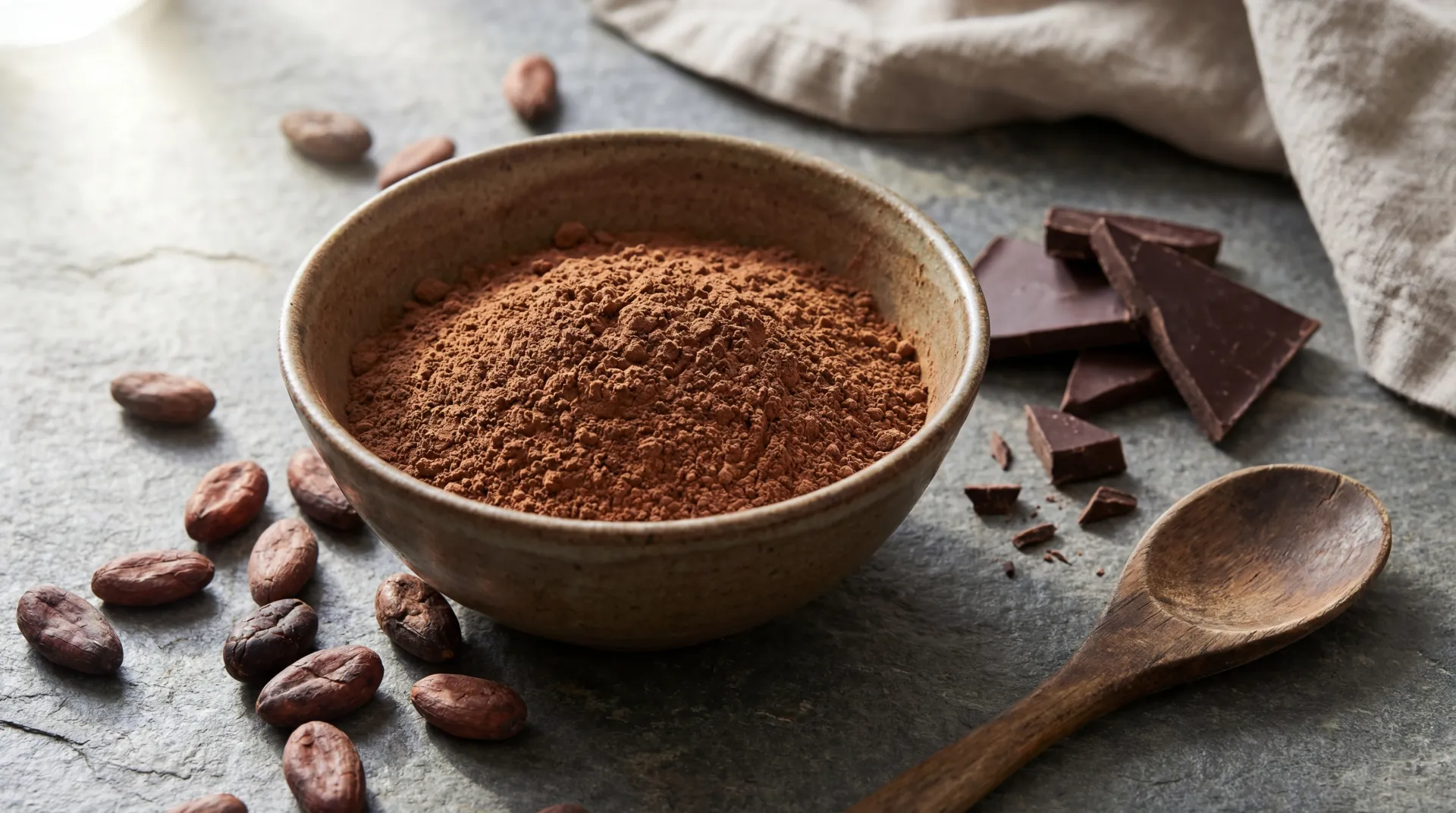
Cocoa powder is the non-fat or low-fat solid fraction left after cacao beans are fermented, roasted, and pressed to separate cocoa butter. That sounds technical, but the practical point is simple: unsweetened cocoa powder is not the same thing as candy chocolate. Most chocolate bars combine cocoa solids with sugar and fat, and many milk chocolates include relatively little cocoa. If you are reading about possible health effects, studies usually focus on cocoa-rich foods or isolated cocoa flavanols, not standard candy portions.
It also helps to separate three products people mix up all the time: cacao nibs, cocoa powder, and cocoa supplements. Nibs are less processed bean fragments. Cocoa powder is a culinary ingredient. Supplements may provide standardized flavanol amounts that can be much higher than what you get in one mug of cocoa. So when you see trial results, always ask whether the intervention resembles your real-world intake.
The evidence base is strongest for cardiometabolic markers, endothelial function, and some cognitive outcomes. A recent systematic review on cocoa intake and microvascular flow found promising but mixed effects depending on dose and population (PubMed). In plain language, cocoa can be useful, but context matters: baseline health, dietary pattern, processing type, and total dose can all change the result.
Bottom line: Cocoa powder can be a useful ingredient in a healthy pattern, but it is not a cure-all and it is not interchangeable with sugary chocolate desserts.
Nutrition profile: what you actually get per serving
Unsweetened cocoa powder is surprisingly dense in minerals and polyphenols for such a small serving. The USDA FoodData Central database lists cocoa powder as a meaningful source of fiber, magnesium, iron, and copper along with bioactive compounds. One tablespoon will not fix a nutrient deficiency by itself, but frequent use can help improve dietary quality, especially when it replaces high-sugar flavoring.
Magnesium and copper matter here because both support energy metabolism and antioxidant enzyme systems. The NIH Office of Dietary Supplements explains magnesium’s role in neuromuscular and cardiovascular function (NIH ODS). Cocoa is not the only source, but it is one of the easiest to incorporate into breakfast bowls, smoothies, and yogurt without relying on supplements.
| Nutrient snapshot | What cocoa powder contributes | Why it matters in practice |
|---|---|---|
| Polyphenols (especially flavanols) | Higher than most common dessert ingredients | Linked with vascular and antioxidant pathways in trials |
| Fiber | Useful addition when used in oats or yogurt | Supports satiety and glycemic stability in mixed meals |
| Magnesium | Moderate contribution per tablespoon | Helpful for overall intake in people with low baseline status |
| Iron and copper | Present in meaningful small amounts | Supports oxygen transport and enzymatic metabolism |
| Caffeine and theobromine | Mild stimulant profile compared with coffee | May improve alertness, but timing still matters for sleep |
One practical advantage of cocoa powder is flavor efficiency. A small amount delivers strong taste, so people often need less added sugar. That is useful for anyone working on weight or glucose goals through food quality changes instead of strict dieting.
Natural vs Dutch-processed cocoa: what changes?
This is one of the most overlooked details in cocoa nutrition. Natural cocoa powder is acidic and typically higher in retained flavanols. Dutch-processed cocoa is treated with alkali to reduce bitterness and deepen color. The flavor difference is real and useful in baking, but alkalization can reduce flavanol content. If your goal is potential vascular or metabolic benefit, processing choice is not trivial.
That does not make Dutch cocoa “bad.” It may be easier to use consistently because people like the taste. Adherence matters. If a slightly lower-flavanol cocoa helps you avoid sugary desserts and stick to home cooking, that still has value. The better rule is to choose intentionally: natural cocoa when you want higher polyphenol retention, Dutch cocoa when recipe quality and consistency are higher priorities.
| Feature | Natural cocoa powder | Dutch-processed cocoa powder |
|---|---|---|
| pH profile | More acidic | Less acidic (alkalized) |
| Taste | Sharper, more bitter | Milder, smoother |
| Color | Lighter brown | Darker brown |
| Flavanol retention | Generally higher | Often lower after processing |
| Best use case | Health-focused drinks and no-bake recipes | Baking where flavor smoothness is preferred |
If you want an easy compromise, use natural cocoa in smoothies and oatmeal, and reserve Dutch cocoa for occasional baking. You get better flavanol exposure without giving up culinary flexibility.
Heart and blood pressure evidence
Cocoa research is strongest in cardiovascular biology, especially endothelial function and blood pressure trends. A Cochrane review found that flavanol-rich cocoa products produced a small blood pressure reduction in randomized trials, with effects that are modest but measurable (PubMed). These are not medication-level changes, but they are directionally favorable.
A separate meta-analysis reported improvements in lipids and insulin resistance markers with cocoa intake across controlled interventions (PubMed). Another meta-analysis of randomized studies found benefits in several cardiometabolic biomarkers, again with heterogeneity by dose and study design (PubMed). This pattern appears repeatedly: positive signal, moderate effect size, and a lot of dependence on context.
The best way to use this evidence is practical. Add unsweetened cocoa to foods that already support heart health, like oats, plain yogurt, or a smoothie with berries and nuts. If you need companion foods with robust cardiovascular data, pairing with nuts is a good move, and this guide on health benefits of nuts is a useful next read.
Do not over-interpret these findings as a reason to self-manage hypertension. Trial conditions are structured, and many interventions use flavanol levels higher than typical home recipes. Cocoa is a supportive tool, not a replacement for blood pressure treatment plans.
| Cardiovascular outcome | What studies suggest | Realistic expectation |
|---|---|---|
| Blood pressure | Small average reduction in some RCTs | Helpful adjunct, not stand-alone treatment |
| Endothelial function | Often improves with flavanol-rich interventions | May support vascular responsiveness over time |
| Lipid markers | Mixed but generally favorable trend in pooled analyses | Benefit depends on whole-diet quality and dose |
| Inflammatory markers | Some favorable changes in selected populations | Effects are usually modest, not dramatic |
Blood sugar, insulin, and weight management
People often ask whether cocoa powder is “good for diabetes.” The more accurate answer is that unsweetened cocoa can fit into a glucose-supportive eating pattern, but it does not neutralize high-sugar diets. In controlled settings, cocoa flavanol intake has shown favorable trends in insulin sensitivity and endothelial function, especially in people with elevated cardiometabolic risk (PubMed).
The biggest mistake is assuming that any cocoa-containing food offers the same effect. A sweet cocoa drink, brownie mix, or candy bar can still drive glucose spikes if sugar load is high. Benefits discussed in clinical papers usually involve higher flavanol exposure with controlled energy intake. Product context matters more than the ingredient name.
For day-to-day weight management, cocoa powder can help with adherence because it adds “dessert-like” flavor to structured meals. A tablespoon in plain Greek yogurt with fruit can reduce cravings for ultra-processed sweets. But energy balance still rules. Cocoa is a lever for food quality, not a metabolic loophole.
If blood sugar is your main priority, combine cocoa with proven strategies: fiber-rich meals, enough protein, sleep consistency, and regular movement. For a broader eating framework, this site’s guide to diets that help prevent and manage diabetes gives a practical baseline.
Brain, mood, and cognitive performance
Cocoa has attracted interest in cognition because flavanols may improve cerebral blood flow, and methylxanthines can influence alertness. Evidence is promising but mixed. A randomized trial in older adults reported cognitive improvements in selected domains with flavanol-rich cocoa intake over time (PubMed). More recently, a large trial of cocoa extract in older adults did not show broad primary cognitive benefit, but some subgroup findings were still discussed (PubMed).
Another line of work suggests potential cognitive resilience under physiological stress, including hypoxia models (PubMed). Still, these are not grounds to market cocoa as a memory treatment. The reasonable interpretation is narrower: cocoa may offer small, supportive effects in some contexts, especially when combined with a high-quality lifestyle pattern.
If you are trying to support long-term brain health, cocoa can sit in a broader stack that includes regular exercise, social engagement, blood pressure control, and sleep. For movement-specific strategies, this article on physical exercise for brain health is a strong companion resource.
Skin health, inflammation, and recovery
Skin-related claims around cocoa are popular, and some are partially supported. Cocoa flavanols have been studied for potential photoprotection and microcirculatory effects, which may influence skin texture and hydration responses over time. The key issue is dose and consistency; occasional intake is unlikely to create visible changes by itself.
From a practical standpoint, cocoa can support skin routines indirectly by helping people shift toward less sugary snacks and better nutrient density. High added sugar diets can worsen cardiometabolic stress, and skin often reflects those broader patterns. Cocoa is not a direct replacement for sunscreen, topical therapy, or dermatologist-directed care.
If skin goals are central for you, combine cocoa with hydration, sleep, and dietary quality rather than expecting one ingredient to carry the full result. This practical guide on how to hydrate skin naturally gives a useful lifestyle framework you can pair with nutrition changes.
How to buy and store cocoa powder for better quality
If you want cocoa powder for health-oriented use, the label deserves a quick read. Look for unsweetened cocoa powder with short ingredient lists and no added sugar. If the package says “Dutch process” or “alkalized,” assume lower flavanol retention than natural cocoa. That does not mean you should never buy it, but it helps to match product type to your goal.
Origin can matter for flavor and heavy metal exposure patterns, but there is no perfect shortcut from one country label. A better strategy is rotation across reputable brands and moderate serving sizes. This lowers the chance that one product characteristic dominates your long-term intake. If a manufacturer publishes contaminant testing or quality reports, that is a useful signal.
Storage also affects real-world quality. Cocoa powder absorbs moisture and kitchen odors, so keep it in a sealed container away from heat and steam. A cool pantry works better than the shelf above the stove. If your cocoa smells flat, stale, or oddly musty, replace it. Good cocoa should smell rich and clean, not dusty or rancid. Small habits like this sound minor, but they help maintain both flavor and consistency, which is exactly what makes healthier routines stick.
How much cocoa powder per day is reasonable?
There is no universal single dose because flavanol content differs by product and processing. A practical range for many adults is 1 to 2 tablespoons of unsweetened cocoa powder daily, used in mixed meals. Start lower if you are sensitive to stimulants or have reflux symptoms.
Timing matters too. Cocoa contains caffeine and theobromine, usually less than coffee but still enough to affect sensitive sleepers. If sleep quality is fragile, use cocoa earlier in the day and avoid evening doses.
- Start with 1 tablespoon in a protein- and fiber-containing meal.
- Use minimal added sugar; sweeten lightly with fruit where possible.
- Track tolerance for two weeks before increasing intake.
- Rotate with other polyphenol sources like berries and green tea.
- Keep expectations realistic: consistency beats high dosing.
If you want to diversify polyphenol intake, pairing cocoa habits with tea habits can help. This guide on green tea benefits offers another low-friction option.
Safety, side effects, and who should limit intake
For most people, culinary amounts of cocoa powder are safe. The main short-term issues are GI discomfort, reflux, and sleep disruption in sensitive individuals. This usually depends on dose, timing, and whether cocoa is consumed with other food.
Heavy metal exposure is another legitimate concern, especially cadmium in some cocoa products. Risk varies by origin, agricultural conditions, and brand testing practices. The U.S. FDA explains cadmium risks in food and why long-term intake deserves attention (FDA). The practical move is not panic; it is product rotation and moderate intake instead of very high daily dosing from one brand.
People with migraine sensitivity, significant reflux, arrhythmia concerns, or stimulant intolerance should test cautiously and discuss persistent symptoms with a clinician. If you take medications for blood pressure, diabetes, or anticoagulation, do not replace treatment with cocoa-based self-experiments.
Pregnant or breastfeeding individuals can usually include moderate cocoa, but total caffeine exposure from all sources should be tracked. Cocoa is only one part of that equation when coffee, tea, and energy drinks are also present.
Myth vs fact: common cocoa powder claims
| Myth | What the evidence says | Practical takeaway |
|---|---|---|
| “Any chocolate gives the same benefits as cocoa powder.” | Benefits in trials usually involve high-cocoa, low-sugar interventions. | Use unsweetened cocoa or high-cocoa products with minimal sugar. |
| “Cocoa powder cures high blood pressure.” | RCTs show modest average changes, not treatment-level effects. | Treat cocoa as supportive, not as a medication replacement. |
| “More cocoa always means better outcomes.” | Benefits can plateau while side effects or cadmium exposure rise. | Aim for regular moderate intake and product variety. |
| “Dutch cocoa has zero health value.” | It may have lower flavanols, but still can fit a healthy diet. | Choose by goal: natural for flavanols, Dutch for recipe preference. |
| “Cocoa powder causes weight loss on its own.” | No ingredient overrides energy balance and behavior patterns. | Use cocoa to improve adherence to a better overall diet. |
Frequently Asked Questions
Is cocoa powder healthier than dark chocolate?
Unsweetened cocoa powder is usually more nutrient-dense per calorie and easier to use without added sugar. Very dark chocolate can still fit a healthy diet, but portions and sugar content matter.
How much cocoa powder is too much per day?
For most adults, 1 to 2 tablespoons daily is a practical range. Higher intakes may increase stimulant-related side effects and potential heavy metal exposure, depending on brand and source.
Can cocoa powder help lower blood pressure quickly?
Evidence suggests small average improvements over time in some studies, not rapid or guaranteed changes. It should never replace prescribed blood pressure treatment.
Does cocoa powder help with blood sugar control?
It may support metabolic health when used in low-sugar, high-fiber meals, but it does not offset a high-sugar dietary pattern. Meal context is the deciding factor.
What is the best time of day to consume cocoa powder?
Morning or midday is usually best, especially if you are sensitive to caffeine or theobromine. Evening use can affect sleep in some people.
Related Articles
- Diets That Help Prevent and Manage Diabetes - A practical framework for blood sugar-friendly eating patterns.
- Health Benefits of Nuts: The Ultimate Guide - Evidence-based guidance on nuts, cardiometabolic health, and portions.
- Physical Exercise for Brain Health - How training choices influence cognition, mood, and long-term brain function.
- How to Hydrate Skin Naturally: The Ultimate Guide - Daily habits that support barrier function and skin hydration.
- 13 Science-Backed Health Benefits of Green Tea - Another polyphenol-rich beverage strategy with strong research coverage.
Medical Disclaimer
This article is for informational and educational purposes only and is not medical advice, diagnosis, or treatment. Always consult a licensed physician or qualified healthcare professional regarding any medical concerns. Never ignore professional medical advice or delay seeking care because of something you read on this site. If you think you have a medical emergency, call 911 immediately.