What 47 FDA Clearances in One Year Tell Us About the Future of Your Wrist
Between January and December 2025, the FDA cleared 47 sensor-based digital health technology (sDHT) devices for marketing in the United States. That list reads like a medical equipment catalog squeezed onto people's wrists, fingers, and chests: ECG monitors, sleep apnea detectors, continuous glucose sensors, blood pressure estimators, seizure trackers, and respiratory monitors. Every one of them is wearable, non-invasive or minimally invasive, and designed for use outside a hospital.
That volume of clearances would have been unthinkable five years ago, when wearable health tech meant a Fitbit counting your steps with questionable accuracy. The shift happened because of two forces pushing in the same direction: sensor miniaturization made clinical measurements possible on small devices, and regulatory appetite changed to match.
At CES 2026 in January, FDA Commissioner Marty Makary announced a pair of new guidances aimed at cutting the agency's 27 digital health guidances by at least half. The most consequential change: products measuring blood pressure or blood glucose no longer automatically require regulation as medical devices if they're marketed for wellness purposes. That reversal matters. Just months earlier, the FDA had sent Whoop a warning letter arguing that blood pressure measurements were "inherently associated with the diagnosis of hypo- and hypertension." The new position erased that line.
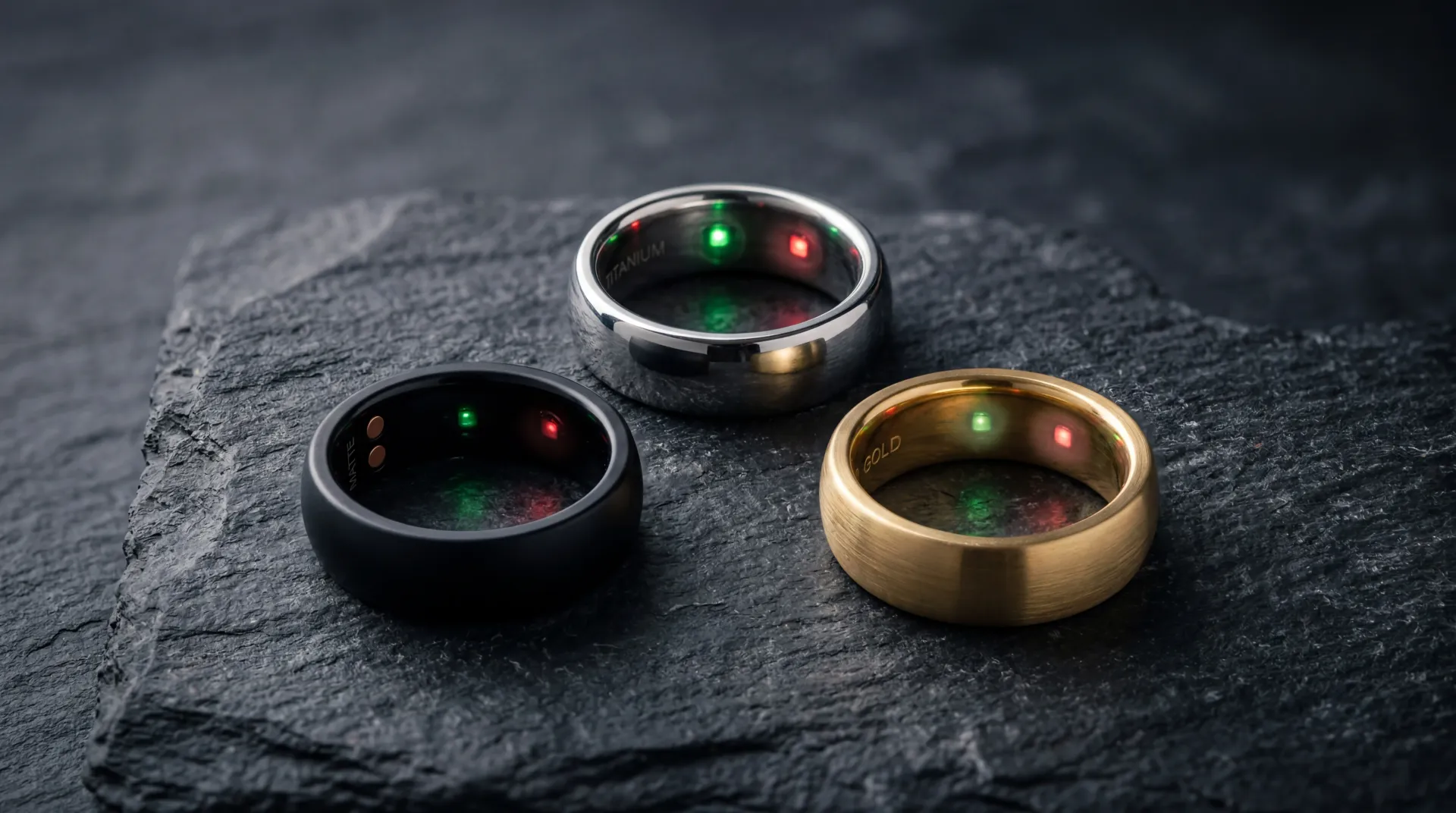
The industry at CES 2026 reflected this acceleration. According to Counterpoint Research's analysis, the wearables market is fragmenting away from "all-in-one" devices toward specialized tools. Dreame debuted an AI ECG Ring capable of medical-grade electrocardiogram readings for arrhythmia and atrial fibrillation detection. RingConn's Gen 3 added hypertension tracking in beta. Across the show floor, the pattern was consistent: devices are getting smaller, more specialized, and more medically relevant.
The numbers behind this shift are large. An estimated 30 million people in the US and 200 million worldwide wear an Apple Watch alone. With Samsung, Garmin, Oura, Whoop, and a growing roster of competitors added in, the installed base of health-capable wearables is enormous. HHS Secretary Robert F. Kennedy Jr. has gone further, calling for every American to wear a health-tracking device. Whether that ambition is realistic or desirable is another question entirely.
The device on your wrist is no longer a fancy pedometer. It is a screening tool with real clinical relevance, and the regulatory guardrails around what it can and cannot tell you are being redrawn right now.
The 20-Year Quest to Read Blood Sugar Through Skin
Researchers call non-invasive glucose monitoring the "holy grail" of diabetes technology. They have been calling it that for more than two decades. The reason it stays out of reach is not a lack of trying. It is a physics problem.
Glucose is a small molecule swimming in a soup of other small molecules inside your skin. Detecting it without breaking the skin means finding a signal specific to glucose that can be read through multiple tissue layers, each of which absorbs, scatters, and distorts light differently. Companies have tried near-infrared spectroscopy, Raman scattering, impedance measurements, sweat analysis, tear fluid sensors, and microwave transmission. None have produced a consumer device that works reliably.
But there is recent progress worth paying attention to. A clinical trial published in Nature Communications Medicine in 2025 reported results from DiaMonTech's non-invasive device. The technology fires a mid-infrared laser into the skin, exciting glucose molecules at specific wavelengths between 8 and 12 micrometers. When glucose absorbs this light, it releases a tiny amount of heat that a detector on the skin surface can measure. Think of it like shining a flashlight through colored glass: the color of light that gets absorbed tells you what the glass is made of. Except here, the "glass" is your skin and the "color" is in the invisible infrared spectrum.
In a 36-person clinical trial (NCT06088615) conducted at an independent institute in Ulm, Germany, the device achieved a Mean Absolute Relative Difference (MARD) of 20.7% and 19.6% across two measurement sessions. That number matters because it matches the accuracy of early continuous glucose monitors that the FDA cleared for adjunctive use. It is not accurate enough to replace finger-prick testing, but it is accurate enough to be clinically meaningful.
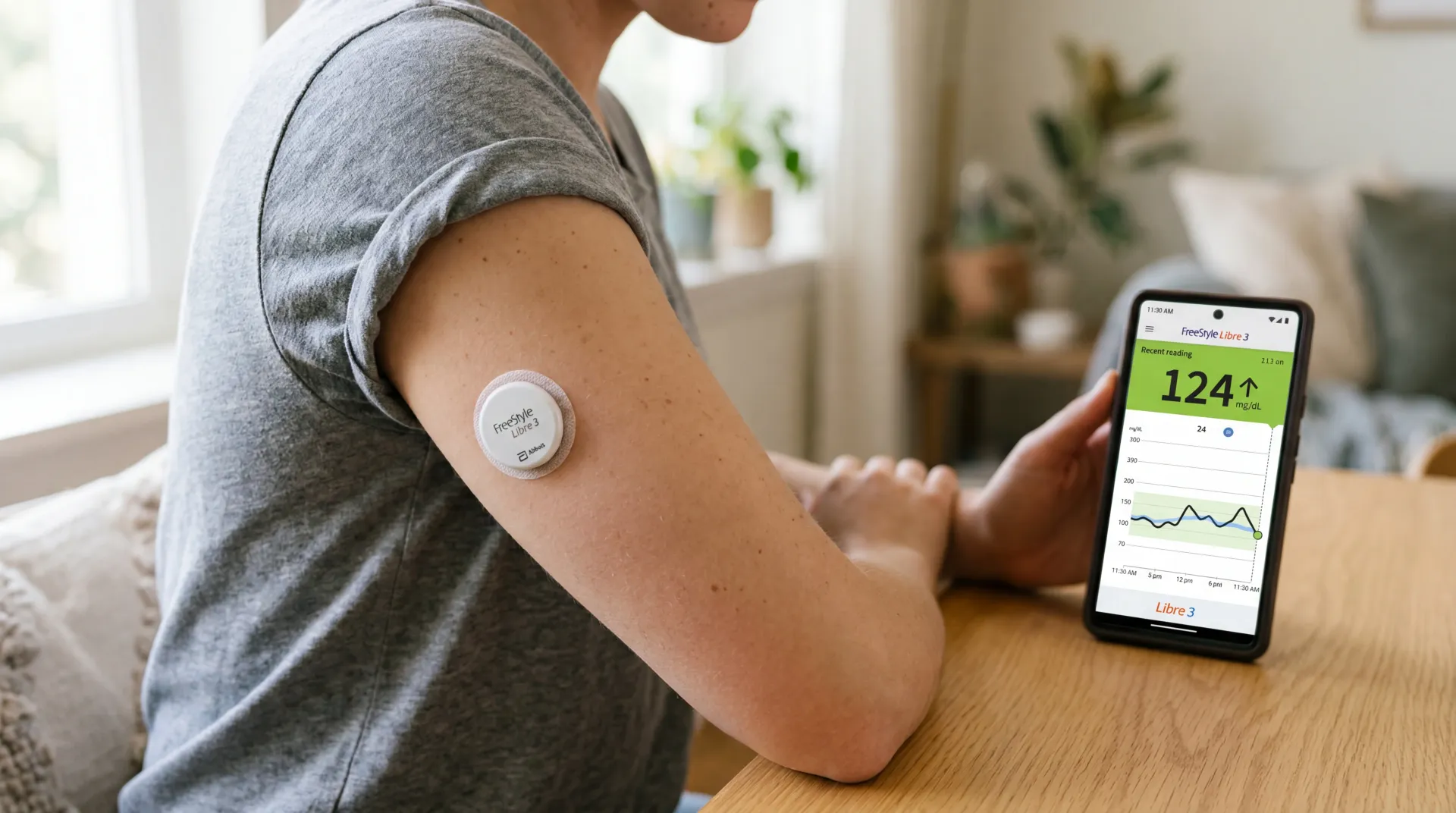
The pipeline is filling from multiple directions. Biolinq received De Novo FDA authorization (DEN240080) in September 2025 for its Shine Autonomous Time-in-Range Microsensor, which uses a minimally invasive microelectrode array rather than a traditional needle-based filament. Dexcom's G7 15-day system received FDA clearance in December 2025, extending wear time significantly. In Europe, AFON Technology's Glucowear received recognition as one of the first non-invasive glucose monitors, using radio frequency/microwave technology to read glucose levels without any skin penetration.
Meanwhile, the partnership space is heating up. Oura, the smart ring company, has struck a deal with Dexcom to bring glucose data into its ring ecosystem. The vision is pairing continuous glucose readings with Oura's existing sleep, activity, and heart rate data to create a metabolic health picture that no single device could offer alone.
The catch is that 589 million adults worldwide live with diabetes, and the vast majority manage their condition with finger-prick testing. A truly non-invasive, wearable glucose monitor would change daily life for hundreds of millions of people. But the MARD numbers from even the best non-invasive approaches remain above the threshold most endocrinologists consider reliable for insulin dosing decisions. The technology works, but the accuracy gap between non-invasive approaches and traditional CGMs means it is not yet something you would trust for insulin dosing.
Your Watch Knows Your Blood Pressure (Sort Of)
On September 12, 2025, the FDA cleared Apple's Hypertension Notification Feature for the Apple Watch. On March 31, 2026, Samsung launched its blood pressure monitoring feature for Galaxy Watch users in the United States. Two of the largest consumer electronics companies in the world are now telling people something about their blood pressure. The question is what exactly they're telling them, and how much you should trust it.
Apple's approach works like this: an optical sensor on the underside of the watch monitors how your blood vessels respond to each heartbeat. Over approximately 30 days of passive data collection, the software builds a pattern of your vascular behavior. If that pattern suggests consistently elevated blood pressure, you get a notification. Not a reading. Not a diagnosis. A notification suggesting you check with a cuff and see your doctor.
Samsung took a different route. Their Galaxy Watch actually displays systolic and diastolic numbers. But there is a significant asterisk: users must calibrate the watch against a traditional upper-arm cuff every 28 days. Without that calibration, the readings drift. The feature is available on Galaxy Watch4 and later models, and Samsung has been careful to state it is "not intended for use in the diagnosis of disease."
| Feature | Apple Watch | Samsung Galaxy Watch |
|---|---|---|
| What it tells you | Notification of possible hypertension | Systolic/diastolic numbers |
| FDA status | Cleared September 2025 | US launch March 2026 |
| Calibration required | No external calibration | Arm cuff every 28 days |
| Data collection period | ~30 days passive monitoring | On-demand readings |
| Diagnostic claim | No (screening only) | No (not for diagnosis) |
| Age restriction | 22+ years old | Not specified |
The stakes are high because hypertension is both common and silent. The CDC reports that 119.9 million American adults, nearly half the adult population, had high blood pressure in 2025. Most people with uncontrolled hypertension do not know they have it because there are no symptoms until something goes wrong.
But a study published in JAMA by researchers at the University of Utah and University of Pennsylvania found that Apple's feature misses a lot. According to Apple's own validation data, approximately 59% of individuals with undiagnosed hypertension would not receive an alert. About 8% of people without hypertension would get a false one. The JAMA analysis mapped those numbers onto real populations and found the results vary significantly by age: for adults under 30, receiving an alert increases the probability of having true hypertension from 14% to 47%. For adults 60 and older, an alert increases probability from 45% to 81%. The absence of an alert, however, is far less reassuring in older adults: it only drops the probability from 45% to 34%.
The allergy detection space is earlier-stage but similarly innovative. At CES 2026, Allergen Alert debuted a portable device that takes a food sample, physically breaks it down, dilutes it, and tests for traces of lactose or gluten. The company says it is FDA-approved and already being used in Michelin-starred restaurants for cross-contamination checking. A consumer launch is planned for mid-2026, with additional allergens to follow.
These technologies are screening companions, not diagnostic replacements. If your watch flags something, confirm it with a validated cuff and talk to your doctor. If it flags nothing, do not assume you are fine, particularly if you are over 60 or have other cardiovascular risk factors.
When Your Smartwatch Becomes Your Health Coach
Better sensors grab headlines, but the bigger change is happening after the data gets collected.
For years, wearable health apps gave you dashboards: heart rate over time, step counts by day, sleep stage breakdowns. You got numbers. What you did with those numbers was your problem. This is the "raw data dashboard" model, and it has a fundamental limitation: most people cannot interpret their own health data in a clinically meaningful way. Knowing your resting heart rate was 68 beats per minute last night tells you almost nothing unless you know what 68 means in the context of your age, fitness level, medications, sleep quality, and baseline.
AI is changing that equation. A Nature review paper on AI-enhanced consumer wearables highlights a randomized clinical trial called RATE-AF, which used a consumer-grade wrist-worn device in older adults with atrial fibrillation and heart failure. The trial collected over 140 million heart rate data points and 23 million physical activity data points over 20 weeks. A deep learning model trained on that data predicted patients' functional status, as measured by the New York Heart Association classification, with accuracy equivalent to standard clinical assessments like ECG and the six-minute walk test.
That result matters because it demonstrates something specific: an AI model running on wearable data can match clinical tools that require a hospital visit. The data itself did not change. The interpretation layer changed everything.
Another trial cited in the same review tested an automated insulin delivery system that integrated heart rate and accelerometry data from a smartwatch. The AI-based predictive algorithm reduced glucose variability and minimized hypoglycemic events in type 2 diabetes patients during physical activity, without requiring any user input. The smartwatch data fed into the algorithm, which adjusted insulin delivery in real time. No dashboard. No user interpretation. Just the system handling it.
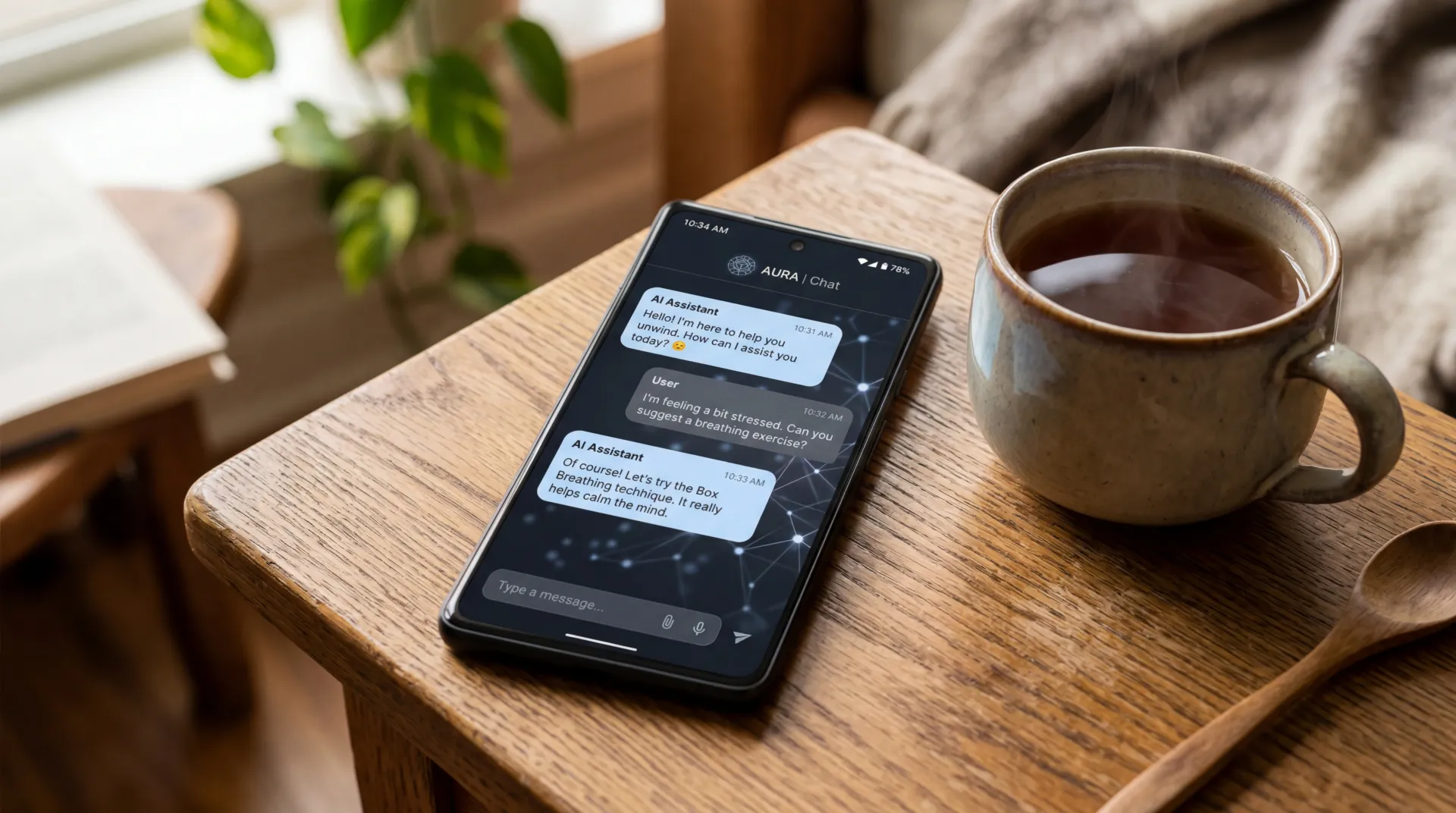
At CES 2026, this shift was visible in consumer products. Counterpoint Research noted that the industry is moving "from data collection to interpretation and delivery of personalized insights." The Luna Band, priced at $149 with no subscription, positions itself as an "AI-first, voice-led" health tracker that delivers real-time guidance through Siri integration. Instead of opening an app to stare at charts, you ask your wristband a question and it tells you something actionable.
Most consumer AI health features today are glorified pattern-matching. Genuine clinical decision support, the kind that tells you "skip your run today, your recovery metrics suggest elevated cardiac strain" based on a model trained on your longitudinal data, is still in research labs. The results from RATE-AF and the insulin delivery trial show what is possible when AI processes wearable data with clinical rigor. Consumer products are not there yet, but the distance is closing.
The Doctor Will See Your Data Now
"It is remarkable how many patients don't realize that their blood pressure is uncontrolled," says Dr. Ajay Kirtane, interventional cardiologist and Director of Columbia's Interventional Cardiovascular Care program. "Wearables that allow patients to be empowered in their own healthcare offer a great potential opportunity, if the implementation is right."
That conditional, "if the implementation is right," is where the medical community's cautious optimism lives. Doctors broadly agree that getting more health data from patients between visits could improve outcomes. They also worry about what happens when that data floods into clinical workflows without clear standards for how to use it.
A multi-author opinion paper published in PMC by researchers including Alistair Gammie and James Nichols examined the integration question directly. Their finding: more than 20 smartwatch manufacturers produce at least 29 models with health tracking capabilities, but significant variations exist even within the same manufacturer's lineup. Apple Watches rely on photoplethysmography (PPG) for heart rate variability tracking, while Samsung Watches use ECG sensors for the same measurement. A number from one device is not directly comparable to a number from another.
The paper cited a review of 35 studies on smartwatches in healthcare and reached a conclusion that most clinicians would recognize: smartwatches are useful for health monitoring, but they should not be relied upon for diagnosing illnesses in most cases. One concern the authors raised deserves attention. Smartwatches aggregate biomedical data without taking a holistic view of the patient. A device can tell you that your heart rate spiked at 3am. It cannot tell you that you had a nightmare, drank coffee too late, or are coming down with the flu. Over-reliance on wearable data combined with fewer in-person doctor visits, the authors argued, risks violating the medical principle of non-maleficence: first, do no harm.
A heart rate spike at 3am means something different in a 25-year-old marathon runner than in a 70-year-old with heart failure. Without clinical context, wearable data can generate anxiety, false reassurance, or inappropriate self-treatment.
Dr. Adam Bress, the University of Utah pharmacologist who led the JAMA study on Apple Watch hypertension notifications, takes a pragmatic view. "If it helps get people engaged with the health care system to diagnose and treat hypertension using cuff-based measurement methods, that's a good thing," he said. His recommendation for clinicians: when a patient presents with a smartwatch alert, perform "a high-quality cuff-based office blood pressure measurement and then consider an out-of-office blood pressure measurement to confirm the diagnosis."
Dr. Kirtane frames the current state with characteristic directness. "I think that the 'holy grail' for hypertension management would be an unobtrusive wearable that gives easy and accurate measurements of continuous blood pressure," he says. "But that's not where the technology is yet."
Bring your wearable data to appointments. Ask what it means. Just keep in mind that no alert does not mean no problem.
The Fine Print on Your Wrist
Your smartwatch knows your heart rate, sleep patterns, blood oxygen levels, and soon your blood pressure trends. It may also be sharing some of that information with companies you have never heard of.
A March 2026 analysis in the University of Cincinnati Law Review by Katie Bunch laid out the problem: HIPAA, the law most Americans assume protects their health data, does not cover most wearable devices. HIPAA applies to "covered entities" like hospitals, insurance companies, and their business partners. Your Fitbit is not a covered entity. Your Apple Watch is not a covered entity. The health data these devices collect exists in a legal no-man's-land where the same blood pressure reading is protected if your doctor takes it in a clinic but unprotected if your watch takes it on your couch.
The privacy gap is not theoretical. An FTC study found that more than 12 mobile health applications and devices transmitted healthcare information to 76 third parties, including data that could be traced back to specific users. Eighteen of those third parties received device-specific identifiers. Only three states, California, Connecticut, and Washington, have passed laws extending meaningful privacy protections to wearable health data.
The security dimension adds another layer of concern. A Nature npj Digital Medicine article documented how the landscape of connected medical devices has changed dramatically. By 2025, Internet of Medical Things devices are increasingly dominated by inexpensive, Bluetooth-connected devices manufactured in China, with platform architectures that overlap consumer electronics. The article highlighted CISA's discovery of a backdoor vulnerability (CVE-2024-12248) in the Contec CMS8000 patient monitor, a Chinese-manufactured device used in hospitals. The vulnerability allowed remote code execution, meaning an attacker could theoretically manipulate readings or suppress alarms.
The accuracy picture is also more nuanced than marketing materials suggest. The PMC opinion paper found that users can inflate step counts simply by shaking their wrist. Heart rate accuracy degrades during physical activity, precisely when it matters most. Device readings are often tied to smartphone ecosystems: Apple Watch only works with iPhone, which creates data portability problems if you switch platforms.
| Concern | Current Reality | What's Being Done |
|---|---|---|
| HIPAA coverage | Does not cover most wearables | 3 states have passed additional protections; federal reform proposed |
| Third-party data sharing | 12+ apps shared data with 76 third parties (FTC study) | FTC enforcement actions; CCPA in California |
| Device accuracy | Varies significantly; degrades during activity | FDA sDHT clearance process; no universal standard |
| Cybersecurity | Backdoor vulnerabilities found in hospital monitors | CISA alerts; FDA Healthcare at Home Initiative |
| Interoperability | Proprietary ecosystems prevent data sharing | Industry push for standardized data formats |
The FDA's January 2026 guidance changes made this landscape more complex. By allowing blood pressure and glucose features to ship without medical device review if marketed as "wellness," more products will reach consumers without the scrutiny of FDA clearance. Amanda Johnston, a partner at Gardner Law, put it plainly: "They're counting on savvy consumers to be able to understand the difference, where I don't think that's always the case."
If you wear a health-tracking device, a few concrete steps reduce your exposure. Check the device's privacy policy before buying, specifically looking for language about third-party data sharing. Use the strongest privacy settings available in the companion app. And treat "wellness" features differently than FDA-cleared ones: a wellness blood pressure estimate does not carry the same weight as a cleared hypertension notification.
Frequently Asked Questions
Can a smartwatch replace my blood pressure cuff?
No. Current smartwatch blood pressure features are screening tools, not diagnostic instruments. Apple's feature provides a notification suggesting possible hypertension, not actual BP numbers. Samsung's Galaxy Watch displays systolic and diastolic readings but requires calibration with a traditional arm cuff every 28 days and is explicitly not intended for diagnosis. Both companies and multiple cardiologists recommend confirming any smartwatch finding with a validated cuff-based measurement and a conversation with your doctor.
How accurate are non-invasive glucose monitors compared to traditional finger-prick testing?
The most advanced non-invasive glucose devices are approaching the accuracy of early continuous glucose monitors but are not yet as reliable as current-generation CGMs or finger-prick tests. DiaMonTech's clinical trial showed a Mean Absolute Relative Difference (MARD) of about 20%, which matches early FDA-cleared CGMs. For comparison, modern CGMs like the Dexcom G7 achieve MARD around 8-9%. Non-invasive options are improving but remain less precise than devices that measure glucose directly in interstitial fluid.
Is my health data from wearables protected by HIPAA?
In most cases, no. HIPAA covers "covered entities" such as hospitals, health insurers, and their business partners. Wearable device manufacturers are generally not covered entities, which means the health data your smartwatch collects does not receive the same legal protections as data in your medical record. Only California, Connecticut, and Washington have passed state laws providing additional protections for consumer health data from wearables. Check your device's privacy policy for specifics about how your data is stored and shared.
Should I show my smartwatch data to my doctor?
Yes, with appropriate expectations. Cardiologists like Dr. Adam Bress at the University of Utah recommend that patients bring wearable data to appointments as a conversation starter. Wearable data can reveal trends between visits that a single office measurement cannot capture. However, doctors cannot base clinical decisions on wearable data alone due to accuracy variability and lack of standardization between devices. Think of it as supplementary information rather than a medical record.
What is the difference between an FDA-cleared health feature and a "wellness" feature on a wearable?
An FDA-cleared feature has undergone regulatory review to verify that it meets safety and effectiveness standards for its stated purpose. A "wellness" feature has not gone through this review process and cannot make diagnostic or treatment claims. Following the FDA's January 2026 guidance changes, more blood pressure and glucose features may ship as wellness tools without FDA review. Wellness features can tell you to see a doctor but cannot characterize a reading as abnormal. If your device's labeling says "wellness," do not treat its measurements as medically validated.
Medical Disclaimer
This article is for informational and educational purposes only and is not medical advice, diagnosis, or treatment. Always consult a licensed physician or qualified healthcare professional regarding any medical concerns. Never ignore professional medical advice or delay seeking care because of something you read on this site. If you think you have a medical emergency, call 911 immediately.