What happens when you inject Ozempic for the first time
Your first Ozempic injection delivers 0.25 milligrams of semaglutide, a molecule that shares 94% of its structure with a hormone your gut already produces called GLP-1. That hormone normally shows up after you eat, signaling your pancreas to release insulin and telling your brain you've had enough food. Semaglutide does the same thing, except it sticks around far longer than the natural version.
Think of it like this: your body's own GLP-1 lasts a few minutes before enzymes break it down. Semaglutide has been engineered to resist that breakdown, which is why its half-life is approximately one week and it takes roughly five weeks to fully clear your system after the last dose. That long tail matters. It means the drug accumulates with each weekly injection, reaching steady-state concentration after four to five weeks of consistent use.
The 0.25 mg starting dose is deliberately low. It exists to let your gastrointestinal system adapt to a drug that slows gastric emptying, reduces glucagon release, and acts on hunger centers in the hypothalamus. Your stomach will empty more slowly. Your appetite signals will shift. None of this happens dramatically on day one at the starter dose, but the biological machinery is turning on.
For people with type 2 diabetes, this starting phase is about building tolerance before the therapeutic doses begin. For those using Ozempic off-label for weight management, patience matters even more. As Dr. W. Scott Butsch, an obesity medicine subspecialist at Cleveland Clinic, puts it: "The initial dose of the medication may not have any effect. You may have to keep increasing the dosage before you see an effect."
Week 1: your body meets semaglutide
The injection itself
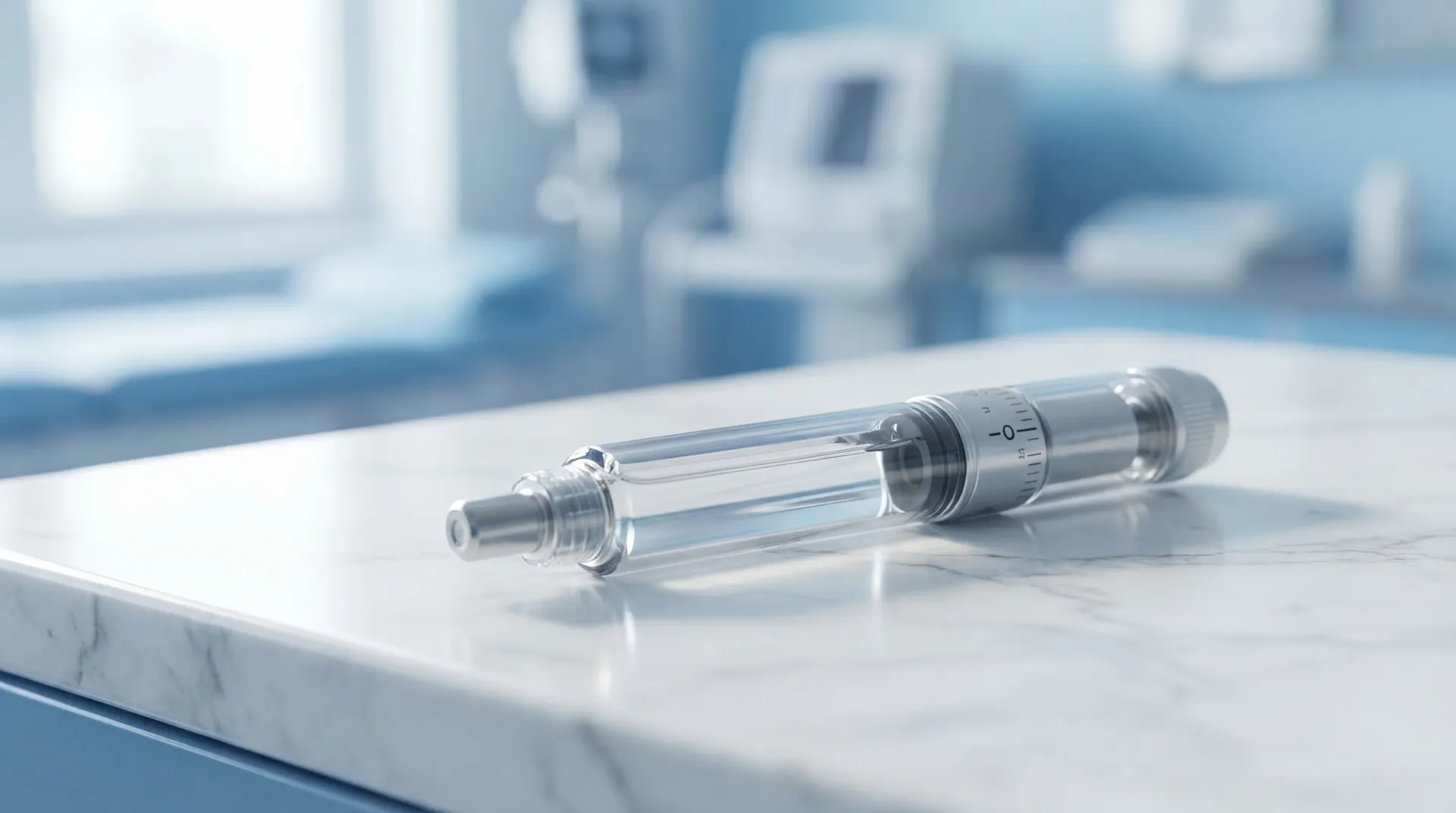
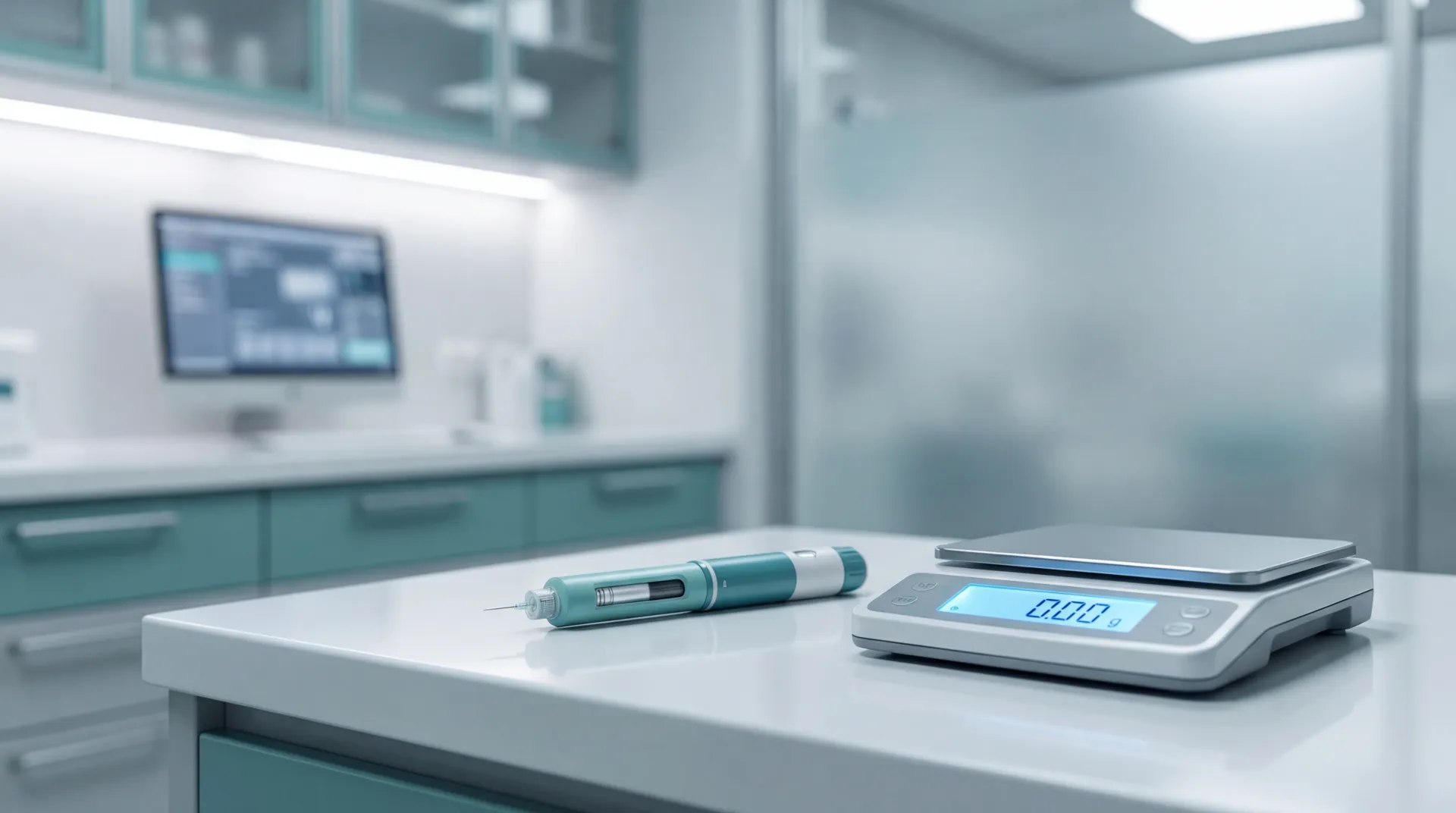
Pick a day. Any day. Ozempic is a once-weekly injection, taken on the same day each week, at any time of day, with or without food. The pen comes pre-filled and the needle is small enough that most people describe the sensation as a brief pinch.
Your three injection site options are the abdomen, thigh, or upper arm. Rotate between these areas each week. Using the same spot repeatedly increases the risk of irritation and uneven absorption. If you're injecting your upper arm, you'll need someone else to do it for you.
After injecting, you might notice a small amount of bleeding at the site. Press lightly with a cotton ball. Don't rub. Store your opened pen either in the refrigerator or at room temperature, and discard it after 56 days, even if medicine remains inside.
What you'll likely feel (and not feel)
Dr. Butsch notes that GLP-1 injections usually reach their maximum effectiveness in about 72 hours. At 0.25 mg, though, many people feel nothing at all during week one. No appetite change, no nausea, no difference whatsoever. That's normal and expected.
Others do experience early gastrointestinal effects. A multidisciplinary expert consensus found that GI adverse events develop in 40 to 70 percent of people treated with GLP-1 receptor agonists, though the vast majority are mild. The same research shows that 99.5% of these GI events are non-serious and 98.1% are mild to moderate.
If nausea does show up this early, it tends to be low-grade. A queasy feeling after meals, a sense that food sits heavier than before. This is the delayed gastric emptying at work. Your stomach is literally moving food through more slowly than it used to.
If you miss your dose: take it within five days of when it was due. If more than five days have passed, skip it entirely and resume on your next regular injection day.
Week 2: the side effects peak (and what to eat through them)
The nausea question
By your second injection, semaglutide levels are climbing. Nausea is the side effect people worry about most, and the data paints a clear picture of when it hits. Research published in Diabetes, Obesity and Metabolism found that nausea prevalence is highest during the first four to five weeks of treatment, which corresponds to the dose-escalation period when your GI tract is adjusting.
Individual nausea episodes are short-lived, though. The same pooled analysis of the STEP 1-3 trials found that the median duration of a single nausea episode was 8 days, diarrhea lasted a median of 3 days, and vomiting episodes lasted just 2 days. Constipation, when it appears, is a different animal, with a median duration of 47 days and a tendency to plateau around week 10.
Your eating strategy
The dietary adjustments during these early weeks aren't about weight loss. They're about managing your GI tract while it adapts. A 2023 multidisciplinary expert consensus published in the Journal of Clinical Medicine outlined specific recommendations:
| Do | Avoid |
|---|---|
| Eat smaller portions more frequently | Large meals |
| Eat slowly and stop when satisfied | Eating past fullness |
| Choose bland, low-fat foods (crackers, toast, rice, broth) | Fried, greasy, or spicy foods |
| Sip clear fluids throughout the day | Drinking through a straw (increases gas) |
| Get fresh air and light movement after meals | Lying down immediately after eating |
| Keep a food diary to spot triggers | Eating close to bedtime |
For nausea specifically, the consensus recommends trying ginger or ginger-based drinks at least 30 minutes after your dose. Crackers and apples also appear on the recommended list. If home remedies aren't cutting it, over-the-counter options like bismuth subsalicylate (Pepto-Bismol) or dimenhydrinate (Dramamine) may help. For more persistent nausea, your doctor can prescribe ondansetron (Zofran).
Hydration: more important than you think
Dehydration during the first month is a genuine medical concern, not just a comfort issue. Ozempic's prescribing information explicitly warns that diarrhea, nausea, and vomiting may cause dehydration, which may cause kidney problems. The NCBI StatPearls reference on semaglutide notes that patients experiencing GI side effects are at the highest risk of acute kidney injury, with volume depletion as the suspected mechanism.
A practical baseline from the Academy of Nutrition and Dietetics, cited by Cleveland Clinic: aim for about 100 ounces (3.1 liters) daily for men and 73 ounces (2.1 liters) for women. That's a starting point, not a ceiling. If you're experiencing vomiting or diarrhea, you need more. Sip water steadily rather than gulping large amounts, which can worsen nausea.
The expert consensus also flags a subtle trap: the feeling of gastric fullness from semaglutide leads many people to unconsciously reduce their fluid intake, which predisposes them to constipation. If constipation is your primary issue, inadequate water intake is likely part of the problem. For more on managing nutritional gaps during this period, see our guide on supplements to take while on GLP-1 medications.
Week 3: when the fog starts to lift
By your third injection, your body has been processing semaglutide for roughly two weeks, and the drug is approaching (but hasn't yet reached) its steady-state blood levels. This is where many people start noticing genuine appetite changes for the first time. Food doesn't call to you the same way. A portion that would have felt small a month ago now feels adequate.
This isn't willpower. It's pharmacology. Semaglutide is acting on GLP-1 receptors in the hypothalamus to reduce hunger signals and enhance satiety. The delay between starting the drug and feeling these effects reflects the time needed for sufficient drug accumulation.
GI side effects, if you had them, are often easing by now. The expert consensus describes this as tachyphylaxis, where appropriate management during dose escalation helps your body avoid excessive delays in gastric emptying. Your GI tract is recalibrating. The nausea episodes become less frequent and less intense.
Constipation, however, may be arriving if it hasn't already. Unlike nausea, which peaks early and fades, constipation onset clusters in the first 28 days and its prevalence plateaus around week 10. Increase your fiber intake gradually, move more, and keep fluids high.
Exercise during the first month
You don't need to overhaul your exercise routine during week three. In fact, pushing too hard while your body is still adjusting can backfire, especially if nausea is still lingering after meals.
What you should prioritize is resistance training. Muscle loss isn't caused by GLP-1 medications themselves, according to Dr. W. Scott Butsch at Cleveland Clinic. "Muscle loss is related to the process of losing weight," he explains. Rapid weight loss from any cause, whether medication, surgery, or severe calorie restriction, can lead to sarcopenia, a loss of muscle mass, strength, and function.
The practical takeaway for your first month: start or maintain a strength training program, even if it's basic bodyweight exercises or resistance bands two to three times per week. Pair that with adequate protein. The general guideline is 0.8 to 1 gram of protein per kilogram of body weight per day, though your actual needs may be higher depending on activity level and age. Consider working with a registered dietitian to dial this in.
Week 4: your first real checkpoint
What the scale should (and shouldn't) show
After four weeks on 0.25 mg, calibrate your expectations carefully. The blockbuster weight loss numbers you see in headlines come from clinical trials using much higher doses over much longer periods. The STEP 1 trial published in the New England Journal of Medicine reported a mean weight loss of 14.9% of body weight, but that was at 2.4 mg per week (the Wegovy dose, not the Ozempic starter dose) over 68 weeks with lifestyle intervention.
At 0.25 mg during your first month, losing 2 to 5 pounds is realistic for many people. Some lose nothing at all. That's not failure. The starting dose is designed for GI adaptation, not aggressive weight loss. The therapeutic work begins when you step up to 0.5 mg in week five.
One data point worth noting: research suggests that losing more than 5% of your body weight in the first three to four months on an obesity medication makes you more likely to maintain that loss at 12 months. That timeline extends well beyond your first month. This is a long game.
The dose increase conversation
Your doctor will likely increase your dose to 0.5 mg per week starting at week five. This is when the drug begins working at therapeutic levels for blood sugar management. For weight management, some people need further increases to 1 mg or even 2 mg (the maximum Ozempic dose) before they see meaningful changes.
If you've been struggling with GI side effects, this is the time to talk to your doctor about your escalation pace. The expert consensus recommends several options: extending the escalation phase by two to four more weeks at the current dose, returning to a lower dose temporarily if side effects worsen, or setting a lower maintenance dose if tolerability remains an issue.
An important finding from the pooled STEP analysis: weight loss was largely independent of gastrointestinal side effects. Among participants who experienced GI adverse events, the additional weight loss mediated by those events was less than one percentage point. The nausea isn't what's making you lose weight. The drug works through appetite regulation and metabolic pathways regardless of whether you feel sick.
When something feels wrong: red flags that need a doctor
Most Ozempic side effects are a nuisance, not a danger. But some symptoms require immediate medical attention. Memorize this list. For a deeper look at Ozempic's safety profile and the full range of side effects, see our comprehensive guide to Ozempic safety and semaglutide side effects.
| Red Flag | Symptoms | Action |
|---|---|---|
| Pancreatitis | Severe abdominal pain that won't go away (may radiate to back), with or without vomiting | Stop Ozempic. Call doctor immediately. |
| Gallbladder problems | Upper abdominal pain, fever, yellowing of skin or eyes (jaundice), clay-colored stools | Contact doctor right away. |
| Severe dehydration / kidney issues | Decreased urination, dark urine, increased thirst, dizziness, confusion, swelling | Seek medical attention. May need IV fluids. |
| Thyroid concerns | Lump or swelling in neck, hoarseness, trouble swallowing, shortness of breath | Contact doctor. Ozempic is contraindicated with personal/family history of medullary thyroid carcinoma or MEN 2. |
| Serious allergic reaction | Swelling of face/lips/tongue/throat, difficulty breathing or swallowing, severe rash, rapid heartbeat | Stop Ozempic. Seek emergency care. |
| Severe hypoglycemia | Confusion, shakiness, cold sweats, blurred vision, slurred speech, loss of consciousness | Eat glucose tablets or juice. Call doctor if symptoms persist. Higher risk if also taking insulin or sulfonylureas. |
The STEP 1 trial reported gallbladder-related disorders in 2.6% of participants taking semaglutide 2.4 mg. That's a small percentage, but gallbladder issues can escalate quickly if ignored. Any persistent upper abdominal pain combined with fever or changes in stool color warrants a call to your doctor, not a wait-and-see approach.
If you have surgery scheduled, tell your surgeon and anesthesiologist that you're on Ozempic. The drug's effect on gastric emptying may increase the risk of food aspiration during procedures that use anesthesia.
Preparing for month two and beyond
By the end of week four, the adaptation phase is behind you. What comes next is different from what you just went through, and mostly easier.
Your dose increases to 0.5 mg at week five. Expect a temporary uptick in GI symptoms when this happens, though typically less severe than the initial onset. The cumulative incidence of first GI adverse events plateaus after week 20 in trial data, meaning the risk of new GI problems drops substantially once you're past the dose-escalation window.
A broader view of the timeline: most digestive side effects occur in the first 8 to 12 weeks of treatment, corresponding to the period of dose increases. After that, the prevalence of nausea drops sharply, particularly after week 20. Only 4.3% of participants in the STEP 1-3 trials permanently discontinued treatment due to GI side effects. The vast majority push through.
Building sustainable habits
The medication creates a window of reduced appetite. What you do with that window determines your long-term outcome. There's a sobering data point here: in an extension of the STEP 1 trial, participants who discontinued semaglutide regained approximately two-thirds of their initial weight loss. The drug works while you take it. The habits you build while taking it are what carry you if you ever stop.
Focus on these during month two:
- Lock in a strength training routine (two to three sessions per week minimum) to protect muscle mass as weight loss accelerates
- Hit your protein targets daily, working with a dietitian if possible
- Maintain your hydration baseline even as GI symptoms ease
- Track your food not for calorie counting, but to identify patterns that trigger GI discomfort
- Schedule a follow-up appointment to discuss how the 0.5 mg dose is working
Dr. Butsch summarizes the philosophy well: "The important thing is to continue to focus on making lifestyle modifications — whether that's improving sleep, a healthier diet or physical activity — as you and your doctor decide if this medication is going to be effective."
Frequently Asked Questions
How much weight should I lose in the first month on Ozempic?
At the 0.25 mg starting dose, expect modest changes: typically 2 to 5 pounds, with some people seeing no change at all. This dose is for GI adaptation, not aggressive weight loss. The STEP 1 trial's 14.9% average weight loss came at much higher doses over 68 weeks. Meaningful weight loss usually begins after the dose increase to 0.5 mg or higher.
Can I drink alcohol during my first month on Ozempic?
Alcohol isn't strictly contraindicated, but it's worth being cautious. Ozempic already slows gastric emptying, and alcohol can worsen nausea and increase dehydration risk. If you take insulin or sulfonylureas alongside Ozempic, alcohol increases the risk of severe low blood sugar. Many people find their alcohol tolerance drops noticeably on GLP-1 medications.
What if my nausea doesn't improve after two weeks?
Persistent nausea that interferes with daily life warrants a conversation with your prescriber. They may recommend extending your time at the current dose before escalating, temporarily reducing the dose, or prescribing anti-nausea medication. In rare cases, persistent severe nausea could indicate pancreatitis, so don't just push through without medical guidance.
Should I take Ozempic in the morning or at night?
You can take Ozempic at any time of day. Some people prefer mornings so any nausea occurs during waking hours. Others inject before bed to sleep through the initial effects. Experiment during week one and stick with whatever timing works for your schedule and symptoms.
Is it normal to feel nothing at all during the first week?
Completely normal. The 0.25 mg dose is sub-therapeutic for most purposes. It may take several doses and dose increases before you notice appetite changes. The drug needs time to accumulate to effective blood levels, which happens over four to five weeks of weekly injections.
Medical Disclaimer
This article is for informational and educational purposes only and is not medical advice, diagnosis, or treatment. Always consult a licensed physician or qualified healthcare professional regarding any medical concerns. Never ignore professional medical advice or delay seeking care because of something you read on this site. If you think you have a medical emergency, call 911 immediately.