The 10-minute walk that beat a 30-minute one
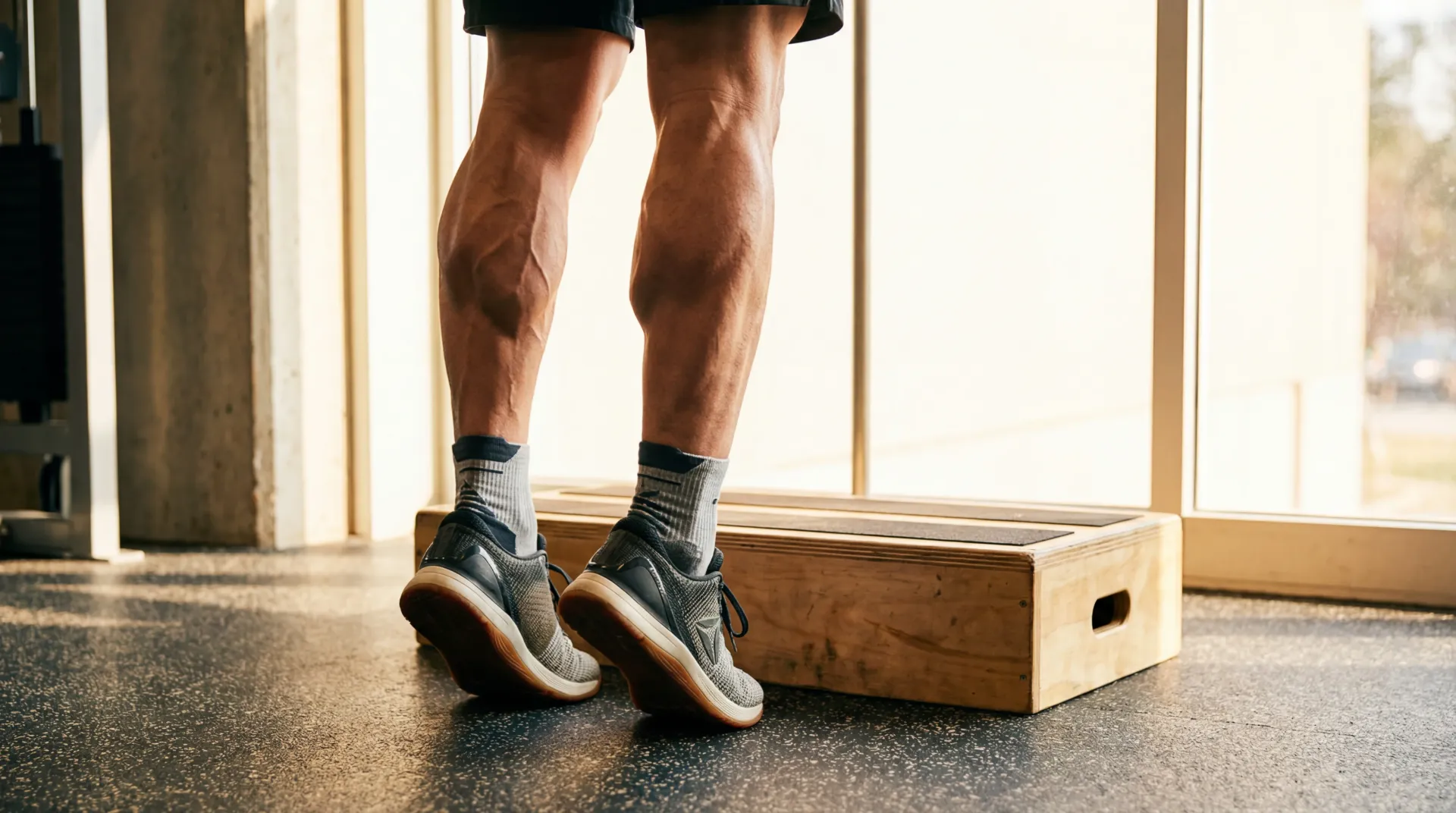
Here is a result that should annoy anyone who has ever skipped a workout because they didn't have time. In a 2025 trial from Ritsumeikan University in Japan, 12 healthy young adults drank a 75-gram glucose solution under three conditions, and the cheapest intervention won. A 10-minute walk taken immediately after the drink dropped peak blood glucose from 181.9 mg/dL at rest to 164.3 mg/dL. That is a clean, sizable cut from doing essentially nothing.
The twist is what happened in the third condition. A 30-minute walk that started 30 minutes after the drink produced no meaningful reduction in the peak at all, even though it was three times longer. The walkers in that group strolled at a self-selected, comfortable 3.8 km/h, roughly 2.4 mph, which is slower than the pace most people use to catch an elevator. Walking early, even briefly, did more than walking longer once the spike was already underway.
This lines up with something clinicians have been saying for years without the dramatic numbers to back it. Blood glucose tends to peak roughly 30 to 90 minutes after you eat, and the trick is to be moving before that wave crests, not after. Shannon Knapp, a certified diabetes care and education specialist at the Cleveland Clinic, puts it plainly: "Exercise impacts your blood sugar quickly, often within a few minutes," and as little as two to five minutes of walking can pull glucose down.
So the practical version is almost embarrassingly simple. Finish eating, get up, and walk while the food is still being absorbed. You don't need a gym, a plan, or even much time. What you do need is timing, and the next few sections explain why that one variable carries so much weight.
The short version: a light 10-to-15-minute walk started within about 15 minutes of finishing a meal blunts the blood-sugar spike better than a longer walk taken later. Timing beats duration, and the muscle does the work whether or not your insulin is cooperating.
What the glucose research actually shows
A single small study makes a good headline but a weak case. What changes the picture is when separate teams keep landing in the same place, and that is roughly what has happened here, which is unusual for nutrition and exercise science. These are fields where studies cheerfully contradict each other.
Start with the mechanism in healthy people. Alessio Bellini and colleagues at the University of Rome "Foro Italico" had 21 healthy young adults walk briskly for 30 minutes starting 15 minutes after a meal. The walk cut the glucose peak from about 7.0 mmol/L to roughly 5.16 mmol/L, a reduction near 26% (p < 0.009). The effect held whether the meal was a pure carbohydrate drink or solid food, and whether it carried a low or high carb load. The statistical effect size was large by any standard (partial eta squared of 0.506), which is research-speak for "this was not a fluke."
Now move to the people who need it most. In a 2013 study still cited as a landmark, Loretta DiPietro's team tracked 10 inactive adults over 60 with impaired fasting glucose using continuous glucose monitors during 48-hour stays in a metabolic chamber. Three 15-minute walks taken after each meal improved 24-hour glucose control by 10%, dropping the 24-hour area under the curve from 2,935 to 2,641 mg/dL·min (P < 0.03). That edged out a single 45-minute morning walk, which managed 8%. The total walking volume was identical across conditions. Only the timing and the spacing changed.
The detail that matters most for daily life: the post-meal walks were the only protocol that significantly lowered three-hour post-dinner glucose (P < 0.01). The afternoon walk, taken before dinner, actually nudged post-dinner glucose higher. Movement before a meal does not do the same job as movement after one.
| Walking protocol (DiPietro, 2013) | Control-day 24h glucose AUC | Exercise-day AUC | Change |
|---|---|---|---|
| Three 15-min walks after meals | 2,935 mg/dL·min | 2,641 mg/dL·min | -10% (P < 0.03) |
| One 45-min morning walk | 2,883 mg/dL·min | 2,650 mg/dL·min | -8% (P < 0.05) |
| One 45-min afternoon walk | 2,889 mg/dL·min | 2,894 mg/dL·min | ~0% (NS) |
Source: DiPietro et al., Diabetes Care 2013. Same total walking volume in every row.
Then there is the question of whether any of this sticks long enough to change a lab value. Daizy Pahra and colleagues ran a 120-day crossover study in 64 patients with type 2 diabetes. When patients did 15-minute brisk walks after each of three meals, their HbA1c fell from 7.9% to 7.0% over 60 days, a 0.7-point drop that rivals what some medications deliver. When the same patients switched to a single 45-minute morning walk, HbA1c climbed back up by 0.3 points. Across the pooled analysis, post-dinner glucose improved by 2.3 mmol/L with after-meal walks but worsened by 1.1 mmol/L with morning-only walking (P < 0.001). The patients didn't change, and neither did how much they walked. Only the schedule flipped, and the lab values flipped with it.
Even tiny doses register. A 2025 meta-analysis in Frontiers in Nutrition pooled 17 randomized trials covering 261 adults with obesity and found that brief "exercise snacks" lowered post-meal glucose (standardized mean difference −0.49, 95% CI −0.85 to −0.14) and insulin (SMD −0.26, 95% CI −0.50 to −0.03). The standout pattern: bouts of three minutes or less, repeated every 30 minutes or less, beat longer single sessions.
The common thread is that the body cares about when you move at least as much as how much. The HbA1c result is the one I keep coming back to: the same total walking, rescheduled, swung a clinical lab value by a full point in either direction. Most people never try the rescheduling, which means there's an easy improvement sitting there unused.

Why a walk after eating pulls sugar out of your blood

To understand why a stroll works so fast, picture your muscle cells as warehouses with locked loading docks. Insulin is the manager who walks around unlocking those docks so glucose can be carried inside. In insulin resistance and type 2 diabetes, the manager either shows up late or the locks are rusty. Glucose piles up in the bloodstream because it can't get into storage.
Walking opens a second set of doors entirely. When muscle fibers contract, they trigger glucose-transporter proteins called GLUT4 to surface on the cell membrane through a pathway that does not require insulin at all. As Jørgen Jensen and colleagues describe in their physiology review, contraction activates an enzyme called AMPK, which moves GLUT4 to the surface independently of the insulin receptor route. The two pathways converge on the same trafficking proteins, TBC1D1 and TBC1D4, and their effects stack on top of each other. That is the whole reason a walk helps even when insulin is failing: it is a backup key for the loading dock.
This matters because of where glucose goes. Skeletal muscle handles an estimated 70 to 75% of insulin-stimulated glucose disposal in the body. Get those big leg muscles contracting right when food is hitting the bloodstream, and you have aimed a fire hose at the flood. DiPietro's team made the same point about older adults, noting that contraction-driven uptake supplements insulin action even when the pancreas's response is blunted by age.
There is a quieter second mechanism too. Pahra's group points out that exercise temporarily diverts blood flow away from the gut, which slows how fast nutrients get absorbed. Less abrupt absorption means a gentler glucose rise in the first place. So a post-meal walk works from two directions at once: it slows the inflow and speeds the storage.
The bonus is that the benefit outlasts the walk. Because exercise burns through stored muscle glycogen, the muscle spends the following hours hungrily pulling glucose back in to refill its tank. Jensen's review notes this heightened insulin sensitivity can persist beyond 48 hours, and emptier glycogen stores ramp up AMPK activity further. One short walk after lunch is quietly improving how you handle dinner. The practical upshot is that a post-meal walk pays off well past the meal it follows, tuning the engine for the next day.
How long, how soon, how fast
If timing is the lever, the obvious next question is where exactly to push it. The research gives surprisingly specific answers.
How soon. Start moving before the spike, not after. A 2024 review of exercise prescriptions in Nutrients recommends that healthy people begin walking about 15 minutes after eating, since glucose typically peaks 30 to 60 minutes in. People with type 2 diabetes can start within 15 to 30 minutes, because their peak arrives later, around 60 to 120 minutes. The Ritsumeikan finding pushes this even earlier: walking right away beat waiting half an hour. The half-hour wait let the spike happen first.
How long. Less than you'd guess. The Nutrients review pegs the minimum effective dose at 10 to 15 minutes of light-to-moderate effort, and the Cleveland Clinic notes measurable effects from as little as two to five minutes. If you can't do one continuous block, broken-up movement works too: two-to-five-minute walking breaks every 15 to 30 minutes of sitting are effective, and more frequent breaks produce bigger improvements.
How fast. Gently. The Nutrients review suggests light-to-moderate intensity, around 50% of VO2max, partly to avoid the cramping and reflux that come with charging around on a full stomach. The Japanese walkers got their result at a leisurely 3.8 km/h. This is a stroll, not a workout. You should be able to hold a conversation.
Which meal. Dinner, if you have to pick one. DiPietro's data showed that improvements in 24-hour glucose correlated tightly with improvements in post-dinner glucose (r = 0.88, P < 0.001). The evening meal is usually the largest and is followed by the most sitting, so a walk there clears the biggest backlog. One caveat from the ADA's Diabetes Spectrum: high-fat, high-protein meals delay the glucose peak, so it may help to wait 30 to 60 minutes after those before walking.

| Variable | Healthy adults | Type 2 diabetes |
|---|---|---|
| When to start | Right away to ~15 min after eating | Within 15-30 min of the meal |
| How long | 10-15 min (2-5 min still helps) | 10-15 min, or repeated mini-breaks |
| Intensity | Light, ~50% VO2max, can still talk | Light to moderate, can still talk |
| Best meal to target | The largest, usually dinner | After each meal beats after one |
Sources: Nutrients exercise-prescription review, 2024 and Diabetes Spectrum, 2023.
Honest caveat on a popular belief: for walking specifically, the case that evening always beats morning for overall control is weaker than the headlines suggest. The same ADA commentary notes that with lower-intensity walking, studies show no clear evening or afternoon superiority over morning for whole-day glucose in type 2 diabetes. What the timing reliably wins is the post-meal spike right in front of you. So walk after the meal that's giving you the most trouble, and don't agonize about the clock beyond that.

Who gets the biggest payoff, and who should be careful
Not everyone starts from the same place, and the size of the benefit tracks closely with how leaky your glucose control already is.
Older adults are near the top of the list. Post-meal spikes are the specific problem that worsens with age. DiPietro's group notes that post-meal glucose rises by roughly 6 to 9 mg/dL per decade of life, while fasting glucose creeps up only 1 to 2 mg/dL per decade. So the thing that drifts out of range as you get older is exactly the thing a post-meal walk targets.
People with prediabetes and type 2 diabetes get the most dramatic numbers. Michael Riddell and colleagues, writing in the ADA's Diabetes Spectrum, conclude that post-meal mild-to-moderate activity is the superior approach for limiting post-meal glucose in this group, and that being active after each meal beats being active after just one. Their practical line is worth taping to the fridge: "Two or more short 15-30 minute walks daily ... could improve glucose management in both type 1 and type 2 diabetes." There is a reason the payoff is so large for this group: in type 2 diabetes with near-target HbA1c, post-meal spikes account for roughly 70% of the HbA1c value, so flattening them moves the long-term number more than you'd expect.
Healthy people still come out ahead, just less dramatically. Beyond the smaller glucose spike, brief movement protects the blood vessels. In the 2024 SIT-LESS trial, 32 adults with type 1 diabetes did three-minute walks every 30 minutes, which cut markers of vascular inflammation: TNF-α fell 22%, PAI-1 fell 42%, and fibrinogen fell 44% versus seven hours of sitting. By contrast, uninterrupted sitting drove those same markers up by 67%, 49%, and 62%. The lesson generalizes: the alternative to a short walk isn't neutral, it's prolonged sitting, and sitting has its own cost.
| Inflammatory marker | After 7 hours of sitting | With 3-min walks every 30 min |
|---|---|---|
| TNF-α | +67% | -22% |
| PAI-1 | +49% | -42% |
| Fibrinogen | +62% | -44% |
Source: SIT-LESS RCT, Diabetes, Obesity & Metabolism 2024 (adults with type 1 diabetes).

Now the careful part. The one group that needs to think before lacing up is anyone on insulin or sulfonylureas. A 2020 study by Jay Porter's team is the cautionary tale: 45 minutes of moderate treadmill exercise at 55% of VO2max, done two hours after dinner, pushed blood glucose below 70 mg/dL in 17 of 18 non-obese and 17 of 18 obese participants, with people who had type 2 diabetes dropping the furthest, by about 98 mg/dL. That sounds alarming until you read the fine print. This was a sustained, moderate-intensity treadmill session, far harder than a stroll, and most of the lows were asymptomatic. For comparison, Pahra's 120-day study of gentle 15-minute post-meal walks recorded zero hypoglycemic events. The risk scales with intensity and duration, not with the act of walking itself.
The ADA commentary adds the same nuance for type 1 diabetes specifically: extending post-meal exercise beyond 30 minutes frequently triggers hypoglycemia, and late-day exercise raises the risk of overnight lows. The Cleveland Clinic's guidance for anyone on glucose-lowering medication is sensible and low-drama: check your blood sugar, aim for a reading near 100 mg/dL before you head out, and keep fast carbs like juice or glucose tablets handy. Knapp's reality check applies to everyone: a walk is "not a magical solution for diabetes", just one reliable tool among several. So the practical takeaway splits cleanly: for almost everyone, a light post-meal walk is safe and worth doing today, but if you take insulin or a sulfonylurea, keep the walk short and gentle and check your numbers until you know how your body responds.
Turning it into a habit you actually keep

The intervention is free, fast, and evidence-backed, which means the only thing standing between you and the benefit is remembering to do it. A few framings help.
Anchor the walk to a meal you already eat, not to a clock. "Walk after dinner" is a habit; "walk at 7 p.m." is an appointment you'll cancel. Because the timing window is forgiving, you have room: the research supports starting anywhere from right away to about 15 minutes after you finish, so the dishes can wait or not.
Lower the bar past the point of excuses. The whole appeal of this evidence is that the minimum useful dose is tiny. If 15 minutes feels like too much on a given night, the Cleveland Clinic's two-to-five-minute floor still does something, and the meta-analysis on exercise snacks found that short, frequent bouts can outperform one long session anyway. A loop around the block counts. Pacing your kitchen counts more than the couch.
One honest limitation to keep in mind so you don't expect too much. For very large carbohydrate loads, a single short walk only does so much. In the Bellini study, a 30-minute walk after a high-carb meal (1.5 g per kg of body weight) flattened the early spike but allowed a glycemic rebound in the 60-to-120-minute window. The authors suggested that spreading activity across the whole post-meal period works better for big meals than one walk and done. If your dinner was a carb bomb, a short walk now plus a second one an hour later beats trying to out-walk it in one go.
It's also worth being clear about where the evidence is thinner. The most striking short-term numbers come from healthy young adults, older adults at metabolic risk, and people with diabetes. Long-term, real-world data on habitual post-meal walking in fully healthy people is sparser, so we know the acute spike-blunting is real and the mechanism is solid, but the decade-long payoff in already-healthy people is more inference than proof. That is a reasonable bet to make, given that the downside of a daily 10-minute walk is essentially nothing.
Frequently Asked Questions
How long after eating should I wait before walking?
For most people, sooner is better. The Nutrients exercise-prescription review suggests starting about 15 minutes after eating to get ahead of the glucose peak, and the Ritsumeikan trial found that walking immediately worked better than waiting 30 minutes. The main exception is a high-fat, high-protein meal, which delays the peak; for those, the ADA's Diabetes Spectrum suggests waiting 30 to 60 minutes.
Is a 10-minute walk really enough, or do I need 30?
Ten minutes, done at the right time, can match or beat a longer walk done at the wrong time. The Ritsumeikan study found a 10-minute immediate walk lowered the glucose peak while a 30-minute walk starting half an hour later did not. The Nutrients review puts the minimum effective dose at 10 to 15 minutes of easy effort.
Does it have to be walking, or does any movement work?
Walking is the most studied and most convenient, but the mechanism is muscle contraction, so other light activity helps too. The Nutrients review lists cycling, stair climbing, step exercises, and even simple resistance moves as effective options, and the exercise-snacks meta-analysis found walking and resistance activities both worked. Anything that gets your large muscles working counts.
Can a post-meal walk lower my blood sugar too much?
For a light walk, that is unlikely. Pahra's 120-day study of 15-minute post-meal walks recorded no hypoglycemic episodes. The risk shows up with intense, prolonged exercise: in Porter's study, 45 minutes of moderate treadmill work pushed most participants below 70 mg/dL. If you take insulin or a sulfonylurea, the Cleveland Clinic advises checking your glucose and keeping fast carbs on hand.
Will a walk after meals lower my HbA1c?
It can, especially in type 2 diabetes. In Pahra's trial, 15-minute walks after each meal lowered HbA1c by 0.7 points over 60 days, while a single morning walk of equal total length raised it by 0.3. Because post-meal spikes drive a large share of HbA1c when it's near target, blunting them has an outsized effect.
Medical Disclaimer
This article is for informational and educational purposes only and is not medical advice, diagnosis, or treatment. Always consult a licensed physician or qualified healthcare professional regarding any medical concerns. Never ignore professional medical advice or delay seeking care because of something you read on this site. If you think you have a medical emergency, call 911 immediately.