Hummus Health Benefits and Recipes | 10 Delicious Hummus Recipe Ideas
Hummus, the creamy dip from the Middle East definitely deserves its excellent reputation as being a tasty and healthy food. If by any chance you’re not into hummus, we bet at least you know someone who is. Your friends, your parents, your landlord, your boss, someone must be into this tasty food, because it’s truly irresistible.
On the other hand, if you’re also a great fan of hummus and can’t help yourself from dipping pita or tortillas into this delicious sauce, we’ll show you 15 reasons why eating hummus every single day is more than ok for your overall health. We’ve also prepared 10 great hummus recipes for you to enjoy, so check them all out!
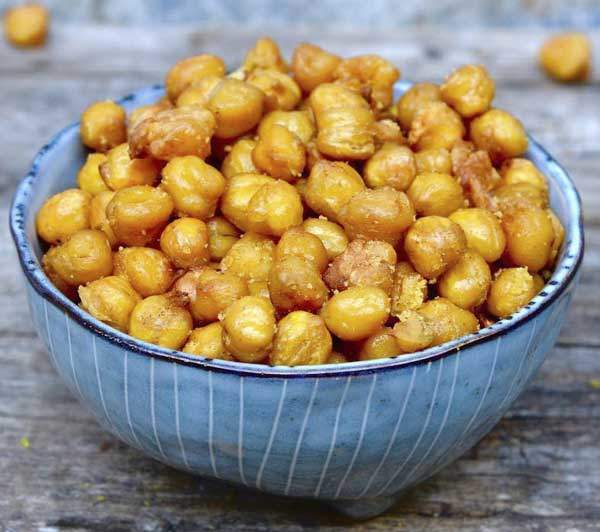 Consumed as an appetizer and dip, hummus is scooped with flatbread also known as pita. It can also be served as an accompaniment to grilled chicken, falafel, eggplant, or fish. Some garnishes include cucumber, chopped tomato, parsley, caramelized onions, whole chickpeas, sautéed mushrooms, olive oil, paprika, hard-boiled eggs, sumac, olives, pine nuts, and pickles. It’s also served along with crackers or tortillas outside the Middle East.
In Egypt, hummus is usually eaten with pita bread and often it’s flavored with cumin or other different spices. In Israel, hummus is also a very attractive part of daily meals, and the reason for this is that it’s made from ingredients that follow Kashrut – the Jewish dietary laws - and it can be combined with both dairy meals and meat.
As a result of hummus’ popularity, Israelis have elevated it to a national food symbol and they’re consuming it more than twice as much as the Arab neighboring countries. Hummus has long been a staple food also for Jordanians and Palestinians where they serve it warm on bread for breakfast, dinner and lunch.
In Cyprus, hummus is part of both the Greek Cypriot and Turkish Cypriot cuisines.
Consumed as an appetizer and dip, hummus is scooped with flatbread also known as pita. It can also be served as an accompaniment to grilled chicken, falafel, eggplant, or fish. Some garnishes include cucumber, chopped tomato, parsley, caramelized onions, whole chickpeas, sautéed mushrooms, olive oil, paprika, hard-boiled eggs, sumac, olives, pine nuts, and pickles. It’s also served along with crackers or tortillas outside the Middle East.
In Egypt, hummus is usually eaten with pita bread and often it’s flavored with cumin or other different spices. In Israel, hummus is also a very attractive part of daily meals, and the reason for this is that it’s made from ingredients that follow Kashrut – the Jewish dietary laws - and it can be combined with both dairy meals and meat.
As a result of hummus’ popularity, Israelis have elevated it to a national food symbol and they’re consuming it more than twice as much as the Arab neighboring countries. Hummus has long been a staple food also for Jordanians and Palestinians where they serve it warm on bread for breakfast, dinner and lunch.
In Cyprus, hummus is part of both the Greek Cypriot and Turkish Cypriot cuisines.
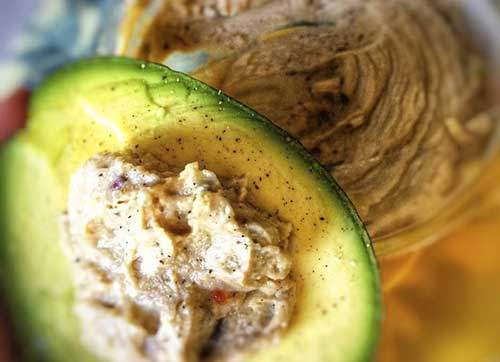 Directions:
Pulse the olive oil, chickpeas, tahini, garlic, and lime juice in a food processor until the composition becomes smooth. Then, season everything with salt and pepper, add avocados and cumin and pulse the mixture again until it’s creamy and smooth.
Serve it topped with olive oil and also sprinkle some cilantro and some red pepper flakes. You can serve it with tortilla chips or pita chips.
Directions:
Pulse the olive oil, chickpeas, tahini, garlic, and lime juice in a food processor until the composition becomes smooth. Then, season everything with salt and pepper, add avocados and cumin and pulse the mixture again until it’s creamy and smooth.
Serve it topped with olive oil and also sprinkle some cilantro and some red pepper flakes. You can serve it with tortilla chips or pita chips.
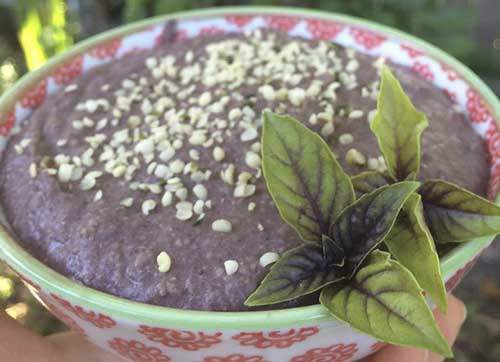 Directions:
Combine the tahini, black beans, olive oil, lime juice, garlic cloves, chili powder, and cumin into a food processor and blend everything until it’s all smooth. If you need some more liquid for better consistency, add 1 or 2 tablespoons of water.
Stir in the diced green chiles and the chopped cilantro and season with pepper and salt.
Directions:
Combine the tahini, black beans, olive oil, lime juice, garlic cloves, chili powder, and cumin into a food processor and blend everything until it’s all smooth. If you need some more liquid for better consistency, add 1 or 2 tablespoons of water.
Stir in the diced green chiles and the chopped cilantro and season with pepper and salt.
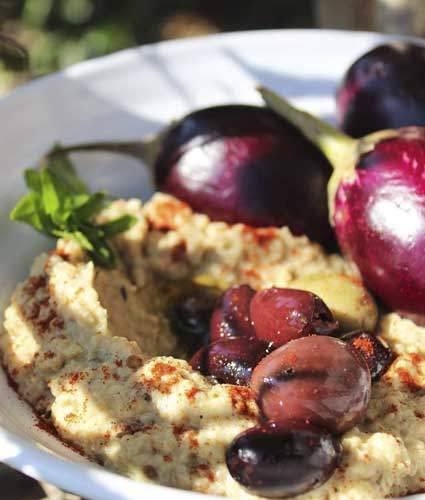 Directions:
Start by picking the eggplants a few times with a fork and then place them on a baking sheet. Bake them in a preheated oven (400F/200C) until they become really tender, about 30-40 minutes. Cut the eggplants, scoop out their flesh and puree them in a processor combined with the tahini, garlic, lemon juice, salt, and cumin.
Serve it garnished with olive oil, paprika, and chopped parsley.
Directions:
Start by picking the eggplants a few times with a fork and then place them on a baking sheet. Bake them in a preheated oven (400F/200C) until they become really tender, about 30-40 minutes. Cut the eggplants, scoop out their flesh and puree them in a processor combined with the tahini, garlic, lemon juice, salt, and cumin.
Serve it garnished with olive oil, paprika, and chopped parsley.
 Directions:
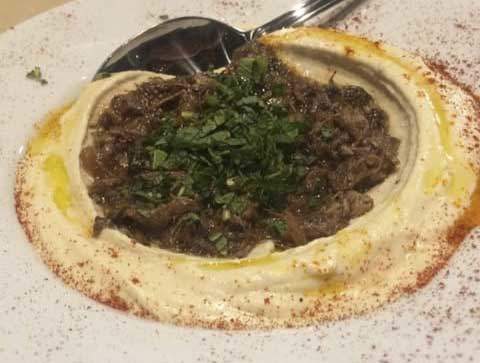
First, heat the olive oil in a medium skillet, then add some onion slices and cook for 25 minutes, stirring. Add all hummus ingredients to a food processor and leave everything aside until the onion is ready. Once the onions are caramelized, let them cook slightly and then add them to the food processor. Process all the ingredients until everything is smooth and add some more water if you desire a different consistency.
Transfer the hummus to a serving bowl and garnish it with more caramelized onions. Serve the tasty hummus with pita chips or raw veggies. You can also serve it on sandwiches.
Directions:
First, heat the olive oil in a medium skillet, then add some onion slices and cook for 25 minutes, stirring. Add all hummus ingredients to a food processor and leave everything aside until the onion is ready. Once the onions are caramelized, let them cook slightly and then add them to the food processor. Process all the ingredients until everything is smooth and add some more water if you desire a different consistency.
Transfer the hummus to a serving bowl and garnish it with more caramelized onions. Serve the tasty hummus with pita chips or raw veggies. You can also serve it on sandwiches.
 Directions:
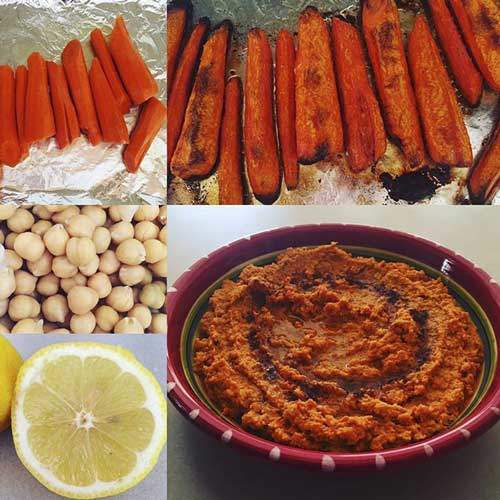
First, heat your oven to 400 degrees and prepare a baking sheet. Lay the carrots and sprinkle them with salt and cumin, then drizzle with 1 tablespoon of olive oil. Roast them for 30-35 minutes then let them cool before placing them in the food processor. Process the carrots and add the garbanzo beans, garlic, tahini, lemon juice, cayenne pepper and salt. Prepare the hummus and add the liquid from the can of beans. Add some olive oil from the top until the hummus looks smooth.
Serve chilled.
Directions:
First, heat your oven to 400 degrees and prepare a baking sheet. Lay the carrots and sprinkle them with salt and cumin, then drizzle with 1 tablespoon of olive oil. Roast them for 30-35 minutes then let them cool before placing them in the food processor. Process the carrots and add the garbanzo beans, garlic, tahini, lemon juice, cayenne pepper and salt. Prepare the hummus and add the liquid from the can of beans. Add some olive oil from the top until the hummus looks smooth.
Serve chilled.
 Directions:
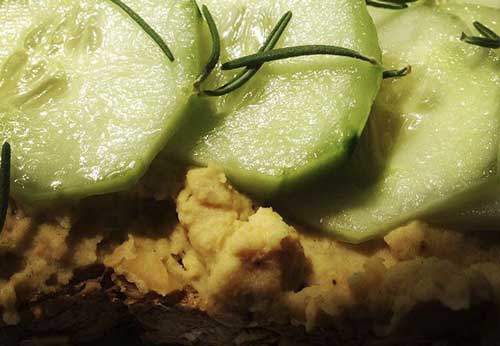
This one is quite simple. Blend all the ingredients together in a blender or in a food processor until the composition becomes smooth.
It should be served immediately and any leftovers can be refrigerated.
Directions:
This one is quite simple. Blend all the ingredients together in a blender or in a food processor until the composition becomes smooth.
It should be served immediately and any leftovers can be refrigerated.
 Directions:
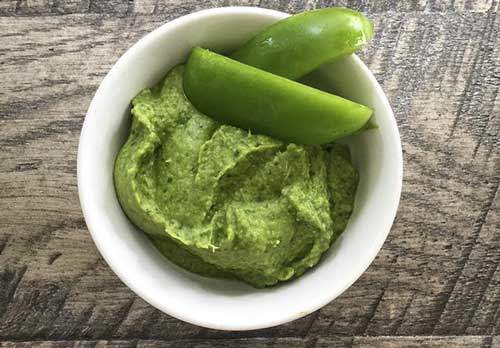
Mix the chickpeas, chives, and garlic cloves in a food processor and then pulse until everything is roughly mixed. Then, you must add the lemon zest, spinach, and puree everything until it becomes smooth. Drizzle in the olive oil with the processor running.
Season everything with pepper and salt and then garnish with crunchy salt, celery leaves, or herbs.
Directions:
Mix the chickpeas, chives, and garlic cloves in a food processor and then pulse until everything is roughly mixed. Then, you must add the lemon zest, spinach, and puree everything until it becomes smooth. Drizzle in the olive oil with the processor running.
Season everything with pepper and salt and then garnish with crunchy salt, celery leaves, or herbs.
 Directions:
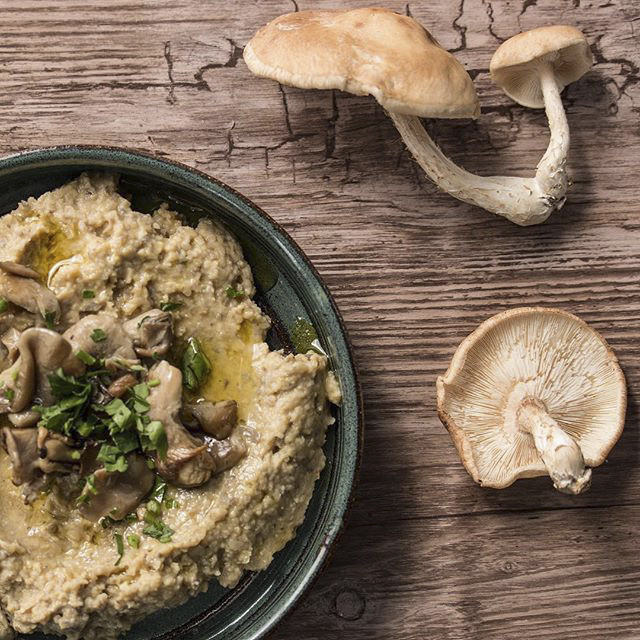
You must first preheat the oven to 425 degrees. Then place the mushrooms on a baking sheet, add oil and also season with pepper and salt. Roast the mushrooms for 15 minutes until they become brownish and stir them. Remove the mushrooms from the oven and let them cool down.
Combine the garbanzo, olive oil, tahini, lemon juice, and garlic in a food processor and pulse for only a few seconds. Then add the mushrooms and leave some aside for garnishing. In the end, add some liquid from the garbanzo beans until the consistency becomes perfect. Season the hummus with salt and pepper.
Serve it with pita.
Directions:
You must first preheat the oven to 425 degrees. Then place the mushrooms on a baking sheet, add oil and also season with pepper and salt. Roast the mushrooms for 15 minutes until they become brownish and stir them. Remove the mushrooms from the oven and let them cool down.
Combine the garbanzo, olive oil, tahini, lemon juice, and garlic in a food processor and pulse for only a few seconds. Then add the mushrooms and leave some aside for garnishing. In the end, add some liquid from the garbanzo beans until the consistency becomes perfect. Season the hummus with salt and pepper.
Serve it with pita.
 Directions:
Mix the chickpeas, tomatoes, garlic, tahini, lemon juice, and oil inside a food processor, and don’t forget to add more oil or water to get the consistency you’re looking for. Add cayenne, pepper and salt to make it as spicy as you like.
Directions:
Mix the chickpeas, tomatoes, garlic, tahini, lemon juice, and oil inside a food processor, and don’t forget to add more oil or water to get the consistency you’re looking for. Add cayenne, pepper and salt to make it as spicy as you like.
 Directions:
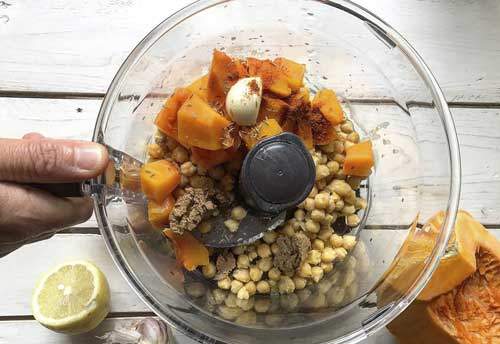
Mix everything in a food processor and your hummus is ready to be served!
Enjoy and stay healthy!
Directions:
Mix everything in a food processor and your hummus is ready to be served!
Enjoy and stay healthy!
What Exactly is This Hummus Everyone’s Been Talking About?
Hummus is also known as hummus bi tahini is an Egyptian and Levantine food dip or spread made with ingredients which include cooked and mashed chickpeas or other beans blended with olive oil, tahini, salt, lemon juice and garlic. Nowadays, hummus is famous all over the Middle East, including Turkey, throughout North America and also Morocco. It’s very appreciated in Middle Eastern cuisine around the world. You can also find it in almost every grocery around North America.History and Facts about Regional Preparations
The oldest recipes for a dish that was similar to hummus were found in some cookbooks recorded in Cairo around the 13th century. Hummus has been connected to the Ayyubid Sultan named Saladin who was the first man known to prepare the food, according to some food historians. Hummus was also served by rolling it out where it used to sit overnight. This gave it quite a very different texture. The essential ingredients of hummus (sesame, chickpeas, garlic, and lemon) have been consumed for more than a millennium.Nutrition
Chickpeas, which are the main ingredient of hummus, have an appreciable composition that includes protein, dietary fiber, B vitamins, manganese, and many other nutrients. Hummus recipes usually vary therefore so does the nutritional content which depends on the relative proportions of tahini, chickpeas, and water. Hummus provides 170 calories in 100 grams and it’s quite an excellent source of the B complex vitamins, dietary fiber, and more dietary minerals. It has about 14% total fat from olive oil and tahini and the other components include 17% total carbohydrates, 65% water and a small amount of sugar, and 10% protein.((https://www.ncbi.nlm.nih.gov/pubmed/24915347))Hummus Surprising Health Benefits
Over the last years, hummus has exploded in popularity, at least in the US. The super talented vegan beautiful actress Natalie Portman once told Vogue magazine that she consumes hummus every day. Here are some of the most significant benefits for the body’s health that make hummus even a more irreplaceable food:-
Maintains an Optimal Health for Your Digestive Tract and the Intestines
-
It’s a Great Source of Plant-Based Proteins
-
Balances Cholesterol Levels
-
Offers Protection Against Cancer
-
Reduces the Risks of Diabetes
-
Decreases Inflammation
-
High in Minerals and Vitamins
-
Promotes Optimal Bone Health
-
Protects the Heart’s Health
-
Boosts the Body’s Energy
-
Helps Alleviate Anemia
-
Great For Various Allergies
-
Healthy Snack During Pregnancy for Both the Mother and the Child
-
Keeps The Muscles Healthy
-
Great Substitute for Unhealthy Foods
Types of Hummus and 10 Tasty Variations of Hummus Recipes for Some Delicious Snacking
There are various ways to use hummus and they include the following: as a dip combined with whole-grain sprouted bread or even crackers or tortillas, as a dressing on salad or grains, smeared on a vegetable-based sandwich, as a healthy substitute for butter or sugar jelly and much more. All the different types of hummus are now available in every grocery store, and, today, finding and using hummus is easier than ever. You should definitely check out the hummus selection of health food stores because you’ll find varieties unlike you’ve seen in traditional grocery chains. If you visit some vegetarian-based groceries or health food stores you’ll discover that it’s now very common to get hummus made from other types of beans (edamame, black beans, lentils) and with all kinds of ingredient additions and various flavors which will spice up any meal.Ideas for Hummus Recipes
-
Avocado Hummus
- 2 medium ripe avocados, cored and peeled
- 1 can of chickpeas, well-drained
- 3 Tbsp olive oil, plus more for serving
- 3 Tbsp fresh lime juice
- 1 1/2 Tbsp tahini
- 1 clove garlic, peeled
- 1/8 tsp cumin
- Salt and freshly ground black pepper
- Red pepper flakes
- 1 - 2 Tbsp finely chopped cilantro leaves
-
Black Bean Hummus With Cumin and Lime
- 1 - 2 Tbsp chopped fresh cilantro
- 1 - 2 Tbsp fire-roasted diced green chiles
- salt and pepper
- 1 - 15 ounce can black beans, drained and rinsed
- juice of 1/2 a lime
- 1/2 teaspoon cumin
- 1 teaspoon chili powder
- 1 clove garlic
- 2 1/2 Tbsp olive oil
- 2 Tbsp Tahini
-
Baba Ghanoush
- 1/8 teaspoon smoked paprika
- 2 medium eggplants
- 1 Tbsp parsley, chopped
- 1/4 cup tahini
- 1/4 cup lemon juice
- 1/4 teaspoon cumin, ground
- salt
- 1 Tbsp olive oil
- 2 cloves garlic, minced
-
Caramelized Onion Hummus
- 1 teaspoon sea salt
- dash of pepper
- 2 Tbsp water
- 1 Tbsp extra virgin olive oil
- ¼ cup lemon juice
- 1 medium yellow or white onion, peeled and sliced
- 3 garlic cloves, peeled
- 1 (15 oz.) can be chickpeas (garbanzo beans), drained and rinsed
- 3 Tbsp tahini
-
Cumin Roasted Carrot Hummus
- ¼ teaspoon cayenne pepper
- ½ to ¾ cup extra virgin olive oil
- 2lbs carrots
- 2 teaspoons cumin powder
- 1 teaspoon kosher salt
- 1 Tbsp olive oil
- 2 garlic cloves
- juice of 1 lemon
- 2 Tbsp tahini
- garbanzo beans, plus ¼ liquid
-
Rosemary and Garlic Hummus
- 1/2 teaspoon pepper
- 3 Tbsp rosemary
- (3) 15 oz cans garbanzo beans, drained and rinsed
- 7 cloves of garlic, peeled
- 1 Tbsp vinegar
- 3/4 teaspoon salt
- 1 cup olive oil
- 1/4 cup water
- 1/4 cup lemon juice
-
Lemony Spinach Hummus
- 1/4 cup extra virgin olive oil
- kosher salt and fresh ground pepper
- 1 can chickpeas
- 2 cloves garlic, peeled
- 3 tbsp chopped chives
- 3 cups baby spinach leaves
- zest and juice of 2 small lemons
-
Mushroom Hummus
- 1 Tbsp chopped parsley
- 3 cups baby bella or portabella mushrooms, sliced
- 1-14 0z can garbanzo beans drained and liquid reserved
- ⅓ cup tahini
- ½ cup olive oil plus 2 Tbsp
- 2 garlic cloves
- juice of 1 lemon
- Sea salt and freshly cracked pepper
-
Sundried Tomato Hummus
- 2 Tbsp olive oil
- 1 (15 ounces) can of chickpeas
- 1/4 cup tahini
- 1 clove garlic
- 1/4 cup sundried tomatoes
- 1/4 cup lemon juice
- salt, pepper, and cayenne
-
Pumpkin Hummus
- 1/4 teaspoon ground cinnamon
- 1 (15 ounces) can of chickpeas
- 1 cup pumpkin puree
- 1/4 cup tahini
- 1/4 cup lemon juice
- 1 clove garlic
- salt, pepper, and cayenne