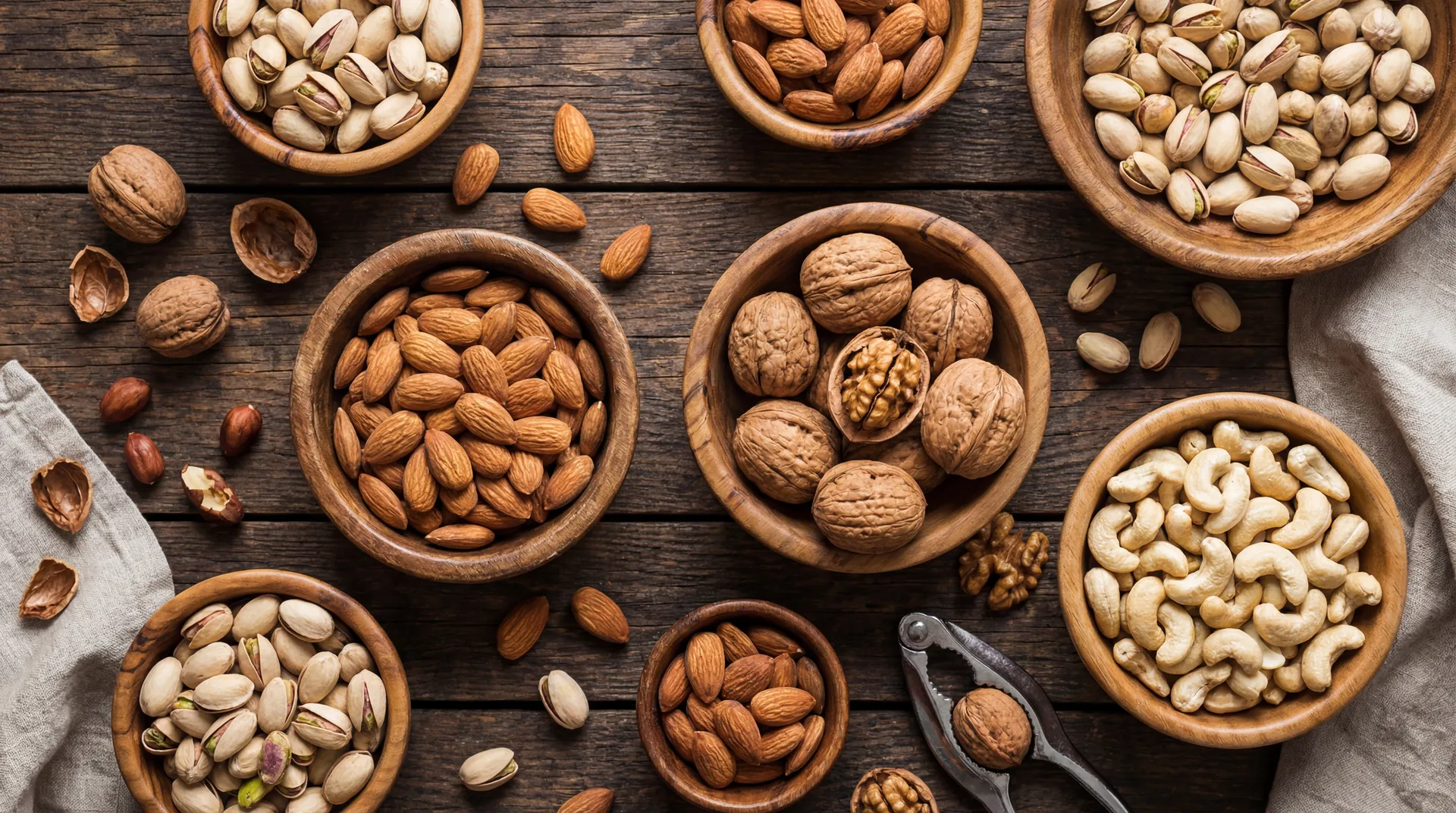
Nuts have been a staple of the human diet for thousands of years. From the hunter-gatherer era to modern "superfood" lists, these crunchy, nutrient-dense kernels have maintained their status as nutritional powerhouses. While they were once demonized for their high fat content, modern science has vindicated nuts, revealing that the fats they contain are largely the heart-healthy kind that our bodies crave.
Whether you grab a handful of almonds for a midday snack, sprinkle walnuts on your oatmeal, or blend cashews into a creamy vegan sauce, you are doing your body a massive favor. But with great power comes great responsibility—or in this case, the need for moderation. Because nuts are calorie-dense, the line between a healthy snack and a calorie bomb is thinner than a peanut skin.
In this ultimate guide, we will crack open the science behind the health benefits of nuts, explore their nutritional profiles, and take a serious look at potential side effects and precautions. We’ll also answer the age-old question: "Will eating nuts make me fat?" (Spoiler: Probably not, if you do it right).
The Nutritional Powerhouse: What’s Inside?
Nuts are technically fruits, but unlike the sweet, fleshy fruits we typically think of, nuts have a hard, inedible shell enclosing a seed—which is the part we eat. They are energy-dense, meaning they pack a lot of calories and nutrients into a small package.
Most nuts share a similar macronutrient profile: high in fat, moderate in protein, and moderate in carbohydrates (mostly fiber). However, the type of fat and the specific micronutrients vary significantly between species.
Quick Fact: Peanuts are actually legumes, not tree nuts! They grow underground and have a nutritional profile more similar to beans, though for culinary and health discussions, they are often grouped with nuts due to their similar nutrient density and texture.
Nutrient Comparison (Per 1 Ounce / 28 Grams)
| Nut Type | Calories | Fat (g) | Protein (g) | Carbs (g) | Fiber (g) | Key Nutrient |
|---|---|---|---|---|---|---|
| Almonds | 164 | 14.2 | 6.0 | 6.1 | 3.5 | Vitamin E (37% DV) |
| Walnuts | 185 | 18.5 | 4.3 | 3.9 | 1.9 | ALA Omega-3s |
| Cashews | 157 | 12.4 | 5.2 | 8.6 | 0.9 | Magnesium (20% DV) |
| Pistachios | 159 | 12.8 | 5.7 | 7.7 | 3.0 | Vitamin B6 (28% DV) |
| Brazil Nuts | 186 | 18.8 | 4.1 | 3.5 | 2.1 | Selenium (988% DV!) |
Top 10 Science-Backed Health Benefits
Adding nuts to your diet isn't just about satisfying a crunch craving; it's a strategic move for long-term health. Decades of research link nut consumption to a lower risk of chronic diseases.
1. Guardians of Heart Health
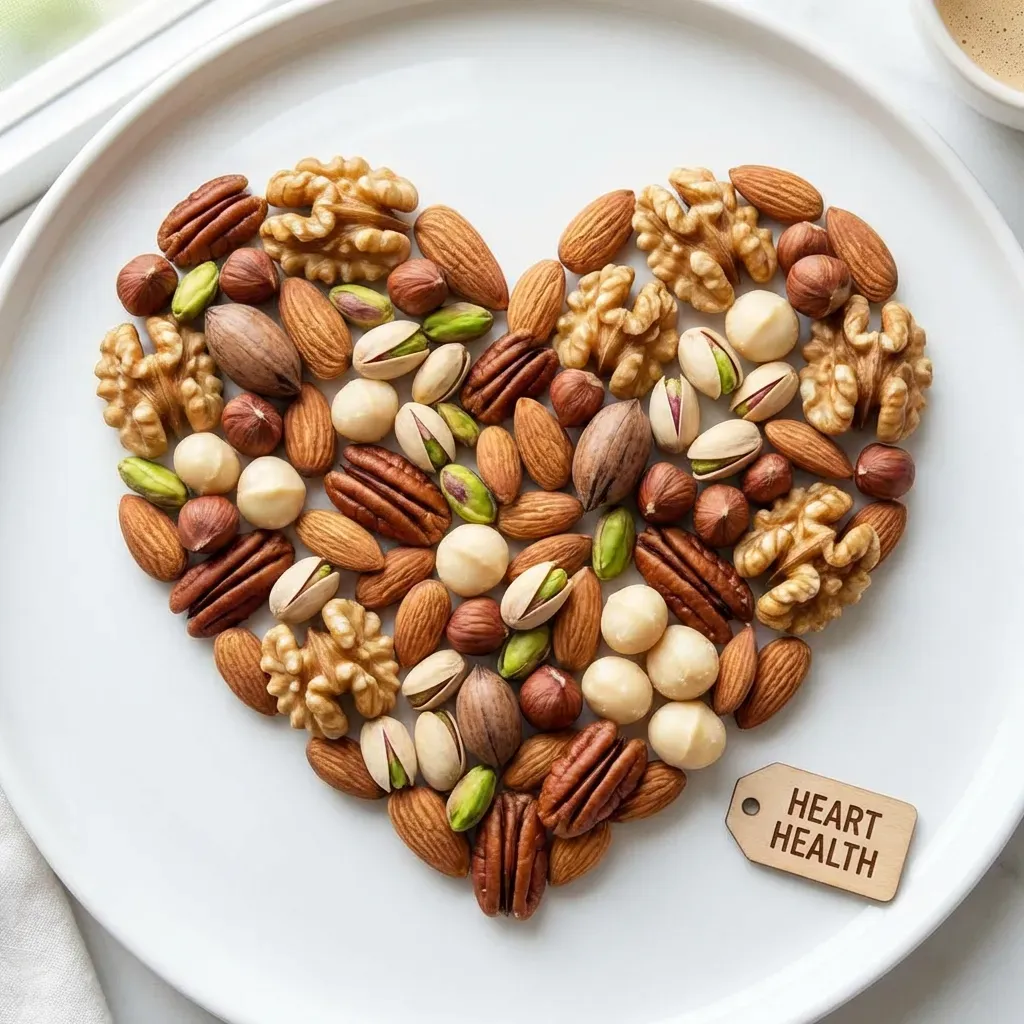
This is the most well-established benefit. Nuts are famous for their ability to lower LDL ("bad") cholesterol and triglycerides while maintaining or boosting HDL ("good") cholesterol. The high content of monounsaturated and polyunsaturated fats helps reduce the risk of heart disease and stroke.
A major study published in the New England Journal of Medicine found that people who ate nuts daily had a 20% lower death rate from heart disease compared to those who didn't eat nuts. The FDA even allows a qualified health claim stating that eating 1.5 ounces of most nuts per day may reduce the risk of heart disease.
2. Weight Loss and Satiety
It seems counterintuitive that a high-fat food helps with weight loss, but it's true. The combination of protein, fiber, and fat makes nuts incredibly satiating. You feel fuller faster and stay full longer, which can prevent overeating later in the day.
Furthermore, research suggests that our bodies don't absorb all the calories in nuts. Because the cell walls of nuts are tough, some fat remains trapped inside during digestion and is excreted. One study found that the body absorbs about 20% fewer calories from almonds than the nutrition label states.
3. Loaded with Antioxidants
Nuts, particularly walnuts and pecans, are rich in polyphenols, which act as powerful antioxidants. These compounds help combat oxidative stress by neutralizing free radicals—unstable molecules that can damage cells and contribute to aging and diseases like cancer.
4. Better Blood Sugar Control
For those with type 2 diabetes or metabolic syndrome, nuts are a fantastic snack. They are low in digestible carbs and don't cause major spikes in blood sugar. In fact, replacing high-carb foods with nuts has been shown to reduce blood sugar levels and blood pressure.
5. Reduced Inflammation
Chronic inflammation is the root of many modern diseases. The healthy fats (especially Omega-3s in walnuts) and antioxidants in nuts have potent anti-inflammatory properties. Regular consumption has been linked to lower levels of inflammatory markers like C-reactive protein (CRP).
6. Gut Health Promoter
Your gut microbiome loves nuts. The fiber and polyphenols in nuts act as prebiotics, providing fuel for the beneficial bacteria in your gut. A study demonstrated that almond consumption significantly increased the population of Lactobacillus and Bifidobacterium, two strains of "good" bacteria linked to improved immunity and digestion.
7. Brain Function and Mental Health
Walnuts, which ironically look like tiny brains, are particularly good for cognitive health. Their high concentration of DHA (a type of Omega-3 fatty acid) is crucial for brain health. Observational studies suggest that older adults who eat nuts regularly have better memory and cognitive function than those who don't.
8. Lower Risk of Metabolic Syndrome
Metabolic syndrome is a cluster of conditions—high blood pressure, high blood sugar, excess belly fat, and abnormal cholesterol levels—that increase the risk of heart disease and diabetes. Nuts target almost every one of these factors, making them a powerful tool for prevention.
9. Nutrients for Skin and Hair
The Vitamin E in almonds and the healthy fats in all nuts contribute to skin elasticity and hydration. Zinc, found in cashews and pumpkin seeds (often grouped with nuts), is essential for skin repair and preventing acne.
10. Improved Fertility
Emerging research suggests nuts may help with male fertility. A randomized trial found that men who added a mix of almonds, hazelnuts, and walnuts to their diet for 14 weeks saw significant improvements in sperm count and motility compared to a control group.
Deep Dive: The Best Nuts for Your Health
While a mixed bag is great, knowing the specific strengths of each nut can help you tailor your diet to your needs.
Almonds: The Weight Loss Champion
Almonds are arguably the most popular tree nut. They are incredibly high in Vitamin E, magnesium, and fiber. If you are looking to shed pounds or improve metabolic health, almonds are your go-to. Their skins also contain antioxidants that work synergistically with Vitamin E.
Walnuts: The Omega-3 King
Walnuts are unique because they are the only tree nut with a significant amount of alpha-linolenic acid (ALA), an essential plant-based Omega-3 fatty acid. This makes them a critical staple for vegetarians and vegans who don't eat fish. They have a softer texture and a slightly bitter, earthy flavor.
Pistachios: The Mindful Snack
Pistachios are often sold in the shell, which can actually be a benefit. The process of shelling them slows down your eating speed, helping you register fullness signals before you overeat. They are also complete proteins, containing all nine essential amino acids.
Brazil Nuts: The Thyroid Supporter
Brazil nuts are massive and creamy, but their claim to fame is selenium. A single Brazil nut can provide more than 100% of the recommended daily intake of selenium, a mineral vital for thyroid function and DNA synthesis.
Cashews: The Creamy Comfort
Cashews have a buttery texture that makes them perfect for dairy-free alternatives like cashew milk or cheese. They are rich in copper, magnesium, and manganese, which are important for energy production, brain health, and immunity.
Side Effects, Risks, and Precautions
Despite their superfood status, nuts aren't perfect for everyone. There are legitimate reasons to be cautious.
1. The Calorie Trap
The most common "side effect" is accidental weight gain. Because nuts are so tasty and energy-dense, it is incredibly easy to eat 500 calories in a few minutes without realizing it. A standard serving is about 1 ounce (28 grams), which is roughly a small handful.
Portion Guide:
- Almonds: ~23 nuts
- Walnuts: ~14 halves
- Cashews: ~18 nuts
- Pistachios: ~49 nuts
2. Allergies and Anaphylaxis
Tree nut allergies are among the most common and severe food allergies. Reactions can range from mild oral itching to life-threatening anaphylaxis (swelling of the throat, difficulty breathing). If you have a known allergy to one type of nut, cross-reactivity is possible, so consult an allergist before trying others. Peanuts (legumes) are a distinct allergen, but many people are allergic to both.
3. Digestive Distress
Nuts contain phytates and tannins, compounds that can be difficult for some people to digest, leading to gas, bloating, or stomach cramps. Soaking or sprouting nuts can reduce these compounds and improve digestibility (more on this in the next section).
4. Selenium Toxicity
Brazil nuts are so potent in selenium that you can actually overdose. Eating too many (more than 3-4 per day regularly) can lead to selenosis, which causes hair loss, brittle nails, garlic breath, and joint pain.
5. Choking Hazard
Whole nuts are a major choking hazard for young children and older adults with swallowing difficulties. It is generally recommended to avoid giving whole nuts to children under 5 years old; opt for smooth nut butters instead.
How to Incorporate Nuts into Your Diet

There are endless ways to enjoy nuts beyond just snacking on them raw. Here are some creative ideas:
- Breakfast Boost: Sprinkle chopped walnuts or almonds onto oatmeal, yogurt, or pancakes.
- Salad Crunch: Replace croutons with toasted pecans or pistachios for texture and healthy fats.
- Nut Butters: Experiment with almond butter, cashew butter, or even mixed nut butter on toast or fruit.
- Breading Substitute: Use crushed almonds or pecans as a crust for chicken or fish instead of breadcrumbs.
- Sauces: Blend soaked cashews with lemon juice, garlic, and nutritional yeast to make a creamy, dairy-free alfredo sauce.
Myth vs. Fact: Raw vs. Roasted
Is eating roasted nuts ruining their health benefits? Let’s clear this up.
Myth: Roasted nuts have no nutrients left.
Fact: Roasting does degrade some heat-sensitive vitamins (like Vitamin E) and antioxidants, but the mineral, protein, and fiber content remains largely unchanged.
Myth: Roasted nuts are full of bad fats.
Fact: It depends. Dry-roasted nuts are cooked without oil. Oil-roasted nuts are cooked in vegetable oils, which adds slightly more calories and potentially inflammatory omega-6 fats. However, the biggest concern with roasting is the high heat causing the healthy polyunsaturated fats in the nuts themselves to oxidize (turn rancid).
Verdict: Raw nuts are technically the healthiest option as they preserve the most nutrients and undamaged fats. However, dry-roasted nuts are still very healthy. If you prefer the taste of roasted, try roasting them yourself at home at a low temperature (below 275°F / 135°C) for 15-20 minutes to preserve their integrity.
Frequently Asked Questions
Do nuts cause acne?
This is a common concern, but the evidence is mixed. Some people report breakouts after eating nuts, particularly those high in omega-6 fatty acids (like walnuts and pine nuts) if their overall diet is already high in inflammation. However, nuts rich in zinc and anti-inflammatory fats (like almonds and Brazil nuts) may actually help skin health. It varies by individual.
What is the best time of day to eat nuts?
Nuts are great any time, but eating them in the morning or as a midday snack can maximize their satiety benefits, preventing you from overeating at later meals. Eating a large portion of nuts right before bed might cause indigestion for some due to the high fat content slowing stomach emptying.
Should I soak my nuts before eating them?
Soaking nuts (known as "activation") helps break down phytic acid, which can bind to minerals like iron and zinc and prevent their absorption. If you eat nuts in large quantities or have digestive issues, soaking them in salt water for 7-12 hours and then dehydrating them can make them easier to digest and more nutritious.
Are honey-roasted or salted nuts bad for you?
They aren't "bad," but they are less optimal. Honey-roasted or candied nuts are essentially candy; the added sugar cancels out some metabolic benefits. Heavily salted nuts can contribute to high sodium intake, which is a concern for blood pressure. Lightly salted or unsalted is best.
Conclusion
Nuts are undeniably one of the healthiest foods on the planet. They offer a rare combination of delicious taste, satisfying texture, and a nutrient profile that supports heart health, brain function, and weight management. While they are calorie-dense, research consistently shows that people who eat nuts tend to be healthier and leaner than those who don't.
The key, as with most good things, is moderation. A handful a day can keep the doctor away, but a bowlful might just keep your pants tight. Choose a variety of nuts to get a broad spectrum of nutrients, opt for raw or dry-roasted when possible, and enjoy the crunch!
Related Articles
- Best Weight Loss Supplements: The Ultimate Guide - Discover which supplements actually work to support your weight loss journey alongside a healthy diet.
- How to Lose Extra Weight: 20 Simple Steps - A comprehensive guide to shedding pounds through lifestyle changes, including smart snacking.
- Health Benefits of Probiotics - Learn how gut health influences your overall well-being, similar to the prebiotic effects of nuts.
- Hummus Health Benefits & Recipes - Explore another plant-based protein powerhouse that pairs perfectly with a healthy diet.
- CLA Safflower Oil Guide - Understand the role of different fatty acids and supplements in body composition.
Medical Disclaimer
This article is for informational and educational purposes only and is not medical advice, diagnosis, or treatment. Always consult a licensed physician or qualified healthcare professional regarding any medical concerns. Never ignore professional medical advice or delay seeking care because of something you read on this site. If you think you have a medical emergency, call 911 immediately.